|
|
||||||
|
||||||
|
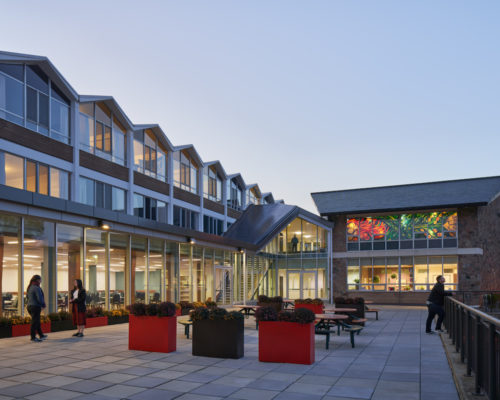
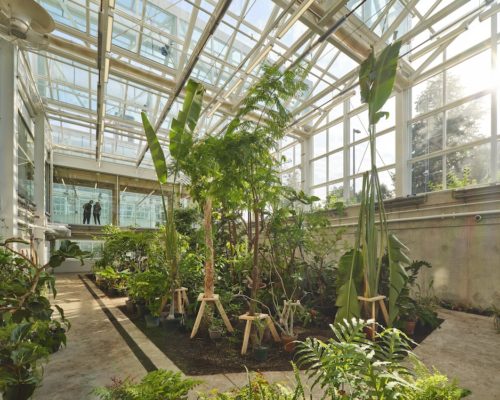
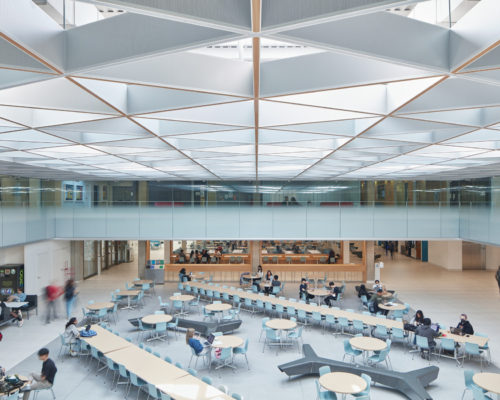
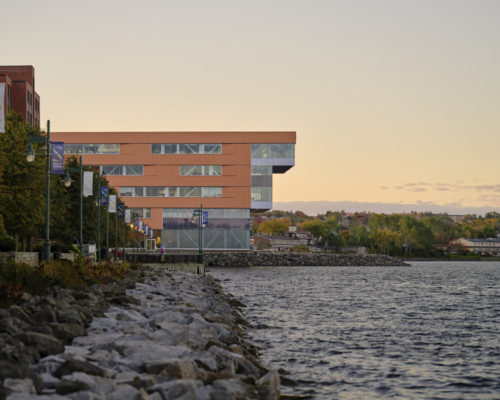
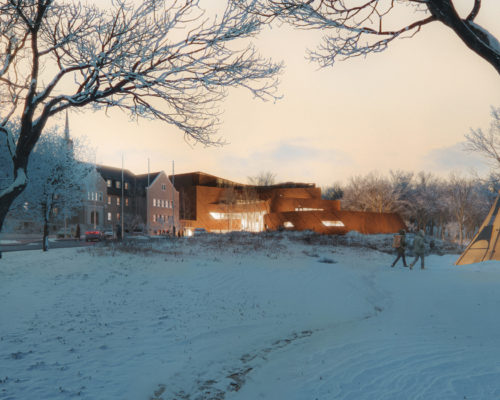
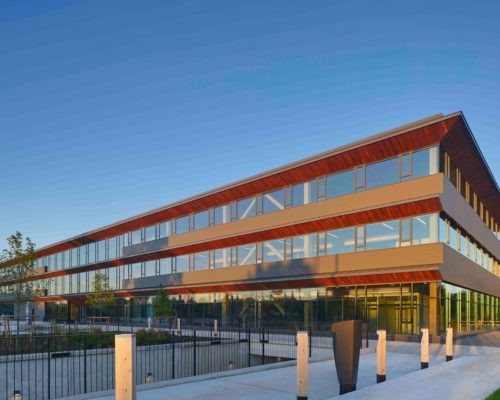
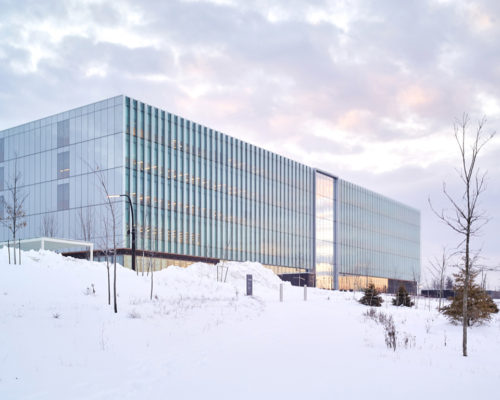
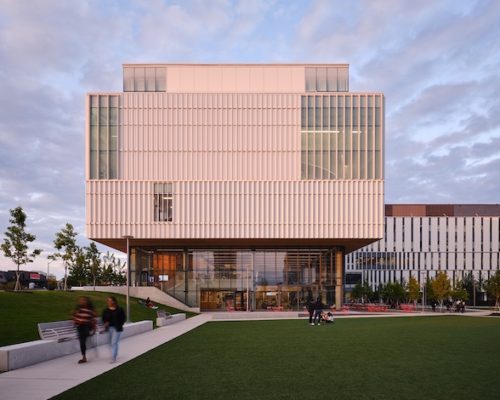
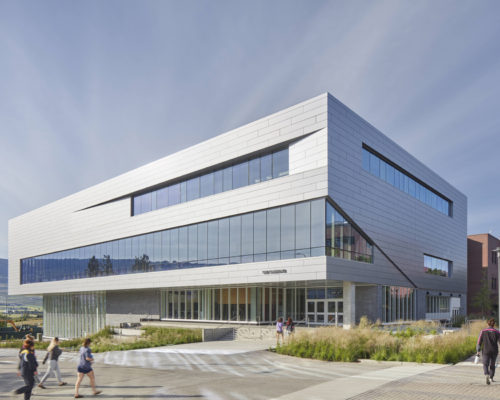
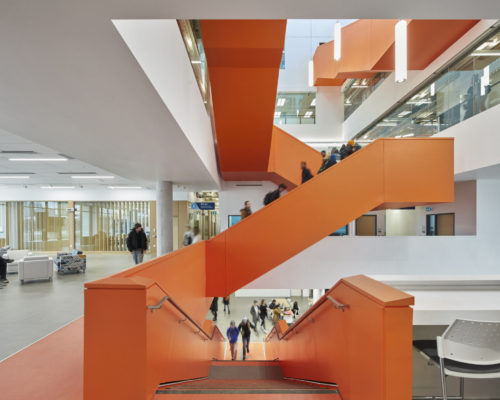
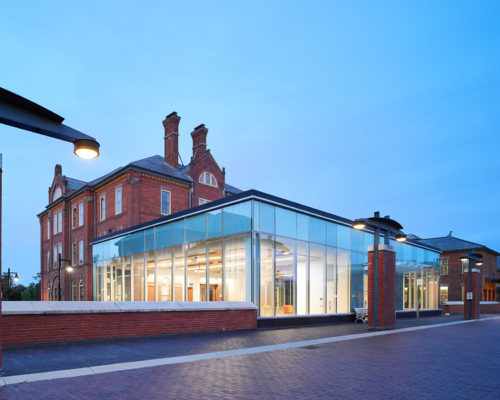
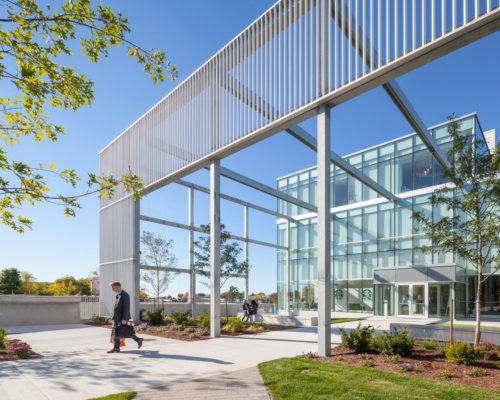
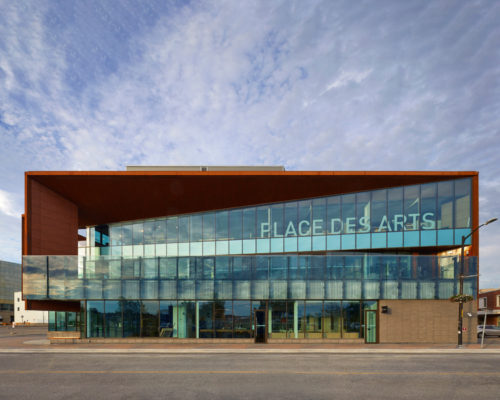
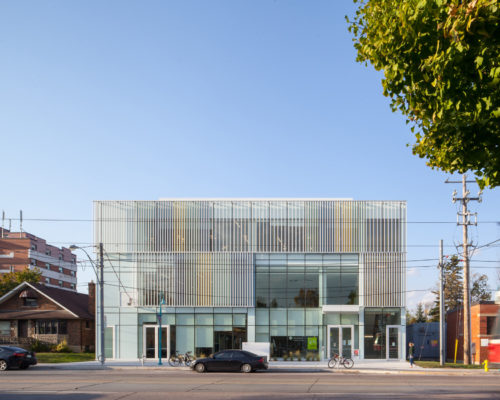
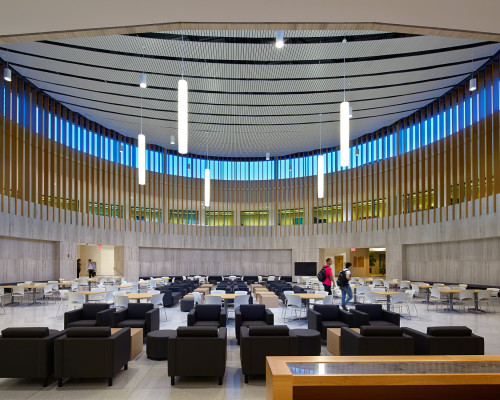
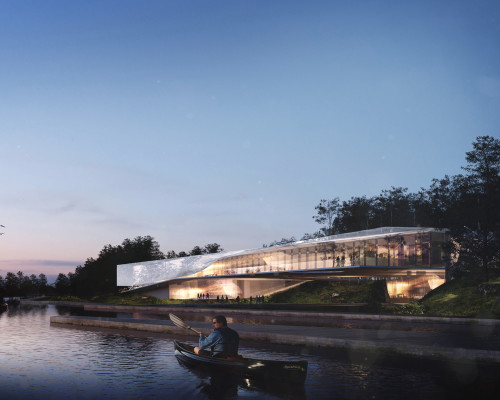
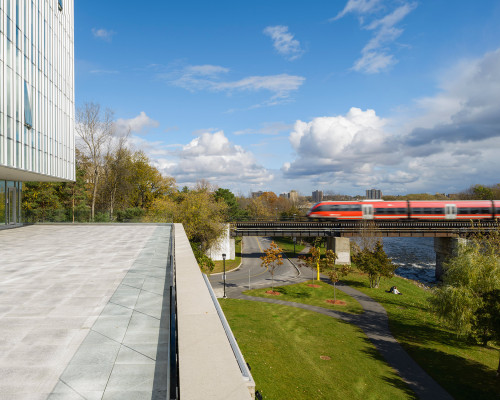
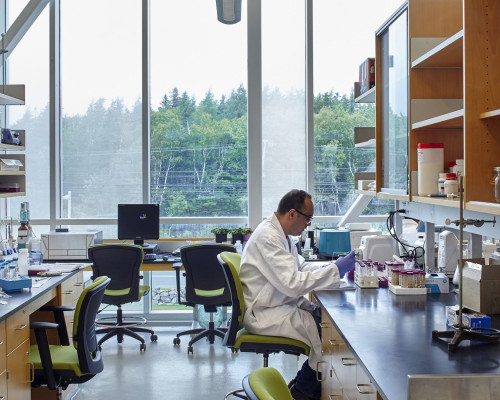
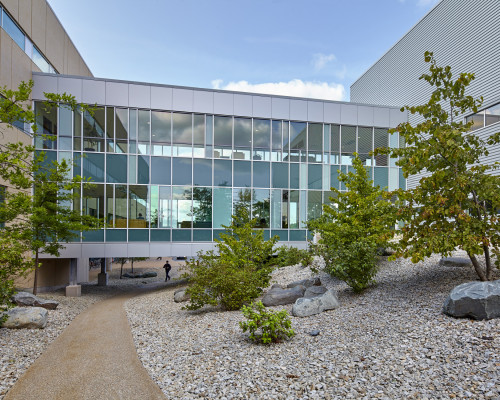
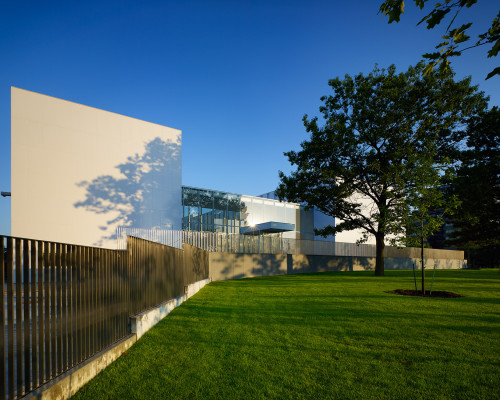
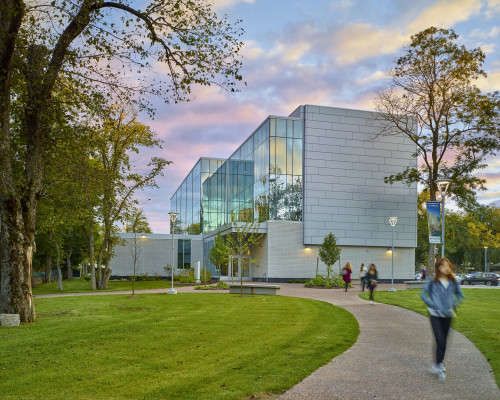
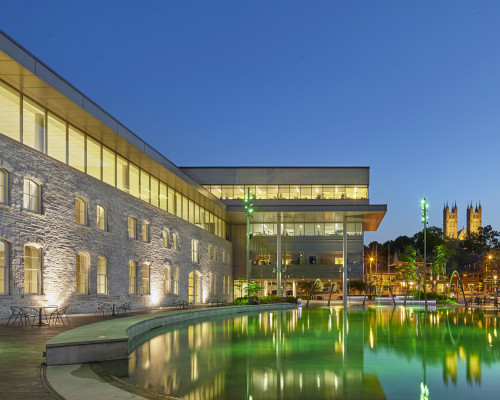
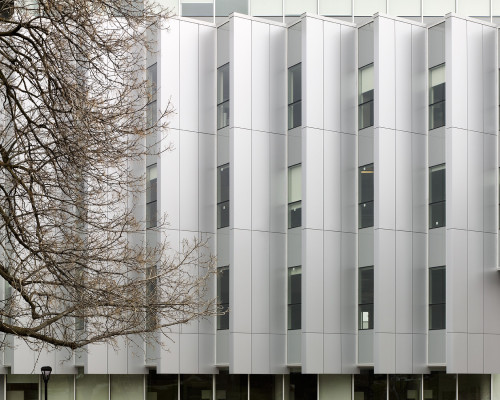
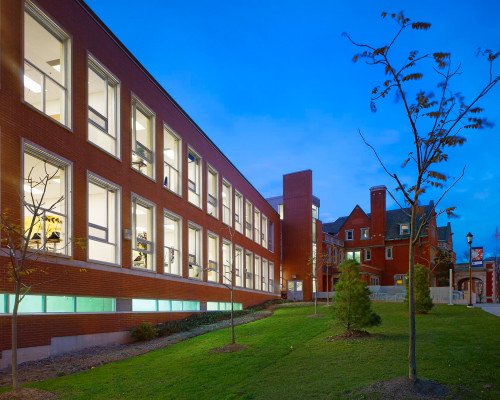
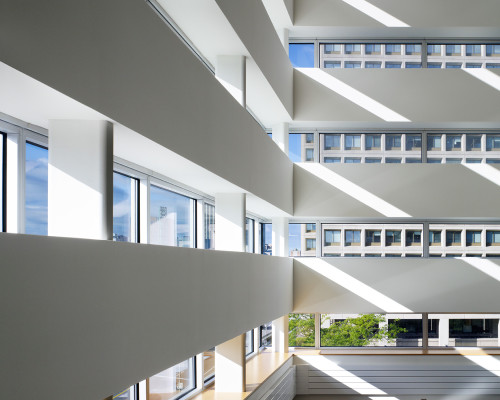
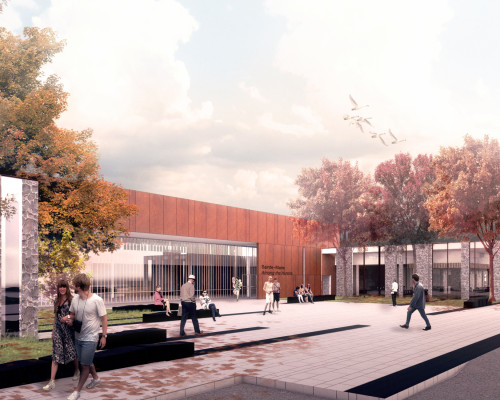
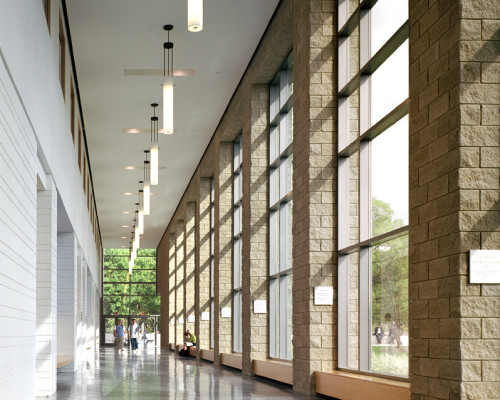
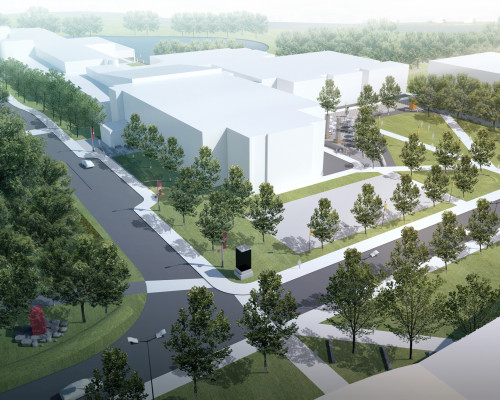
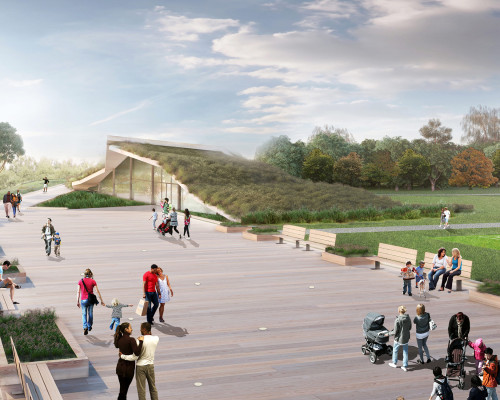
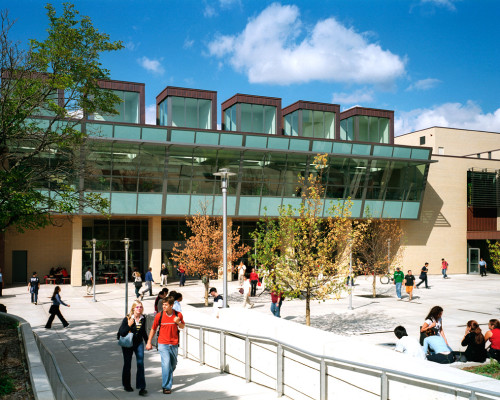
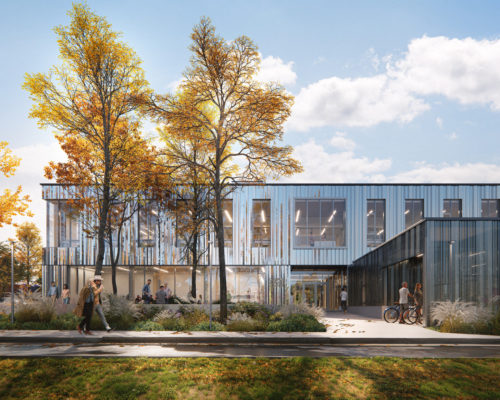
Carleton University, New Academic Buildings: The Carleton project comprises two new waterfront buildings - one sited along the Rideau River, the other nestled gently alongside the Rideau Canal. Each building is designed to maximize views and orientation to the water, to create engaging innovative and multi-use student and learning-centered environments, and to incorporate sustainable technologies to achieve the GreenGlobes equivalent of LEED Silver certification. Directly on the waterfront, the River Site building will become the new home for the Norman Paterson School of International Affairs (NPSIA), the School of Public Policy Administration (SPPA), the Institute of European, Russian and Eurasian Studies, and the School of Journalism and Communication. The River Site building is strategically placed to capitalize on natural light and sublime views, and will feature a green roof, and a dramatic bio-wall that spans the full height of a spacious central 3-storey Atrium that is flooded with natural light. ![]() ![]() ![]() Link:
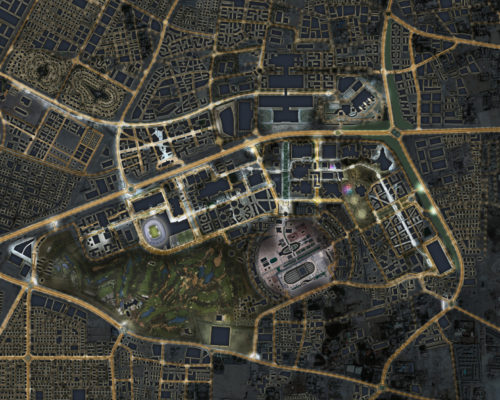
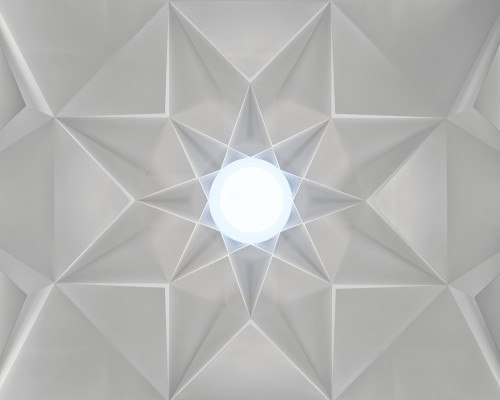
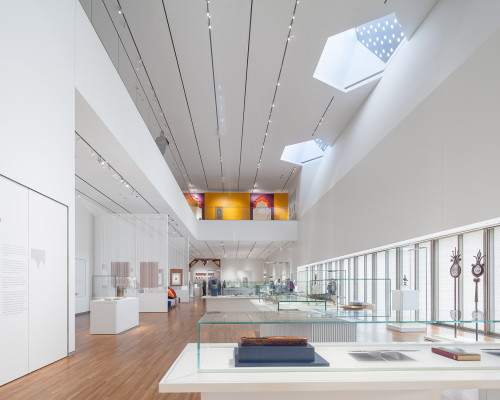
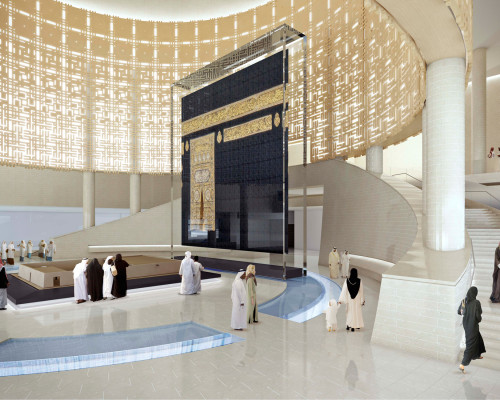
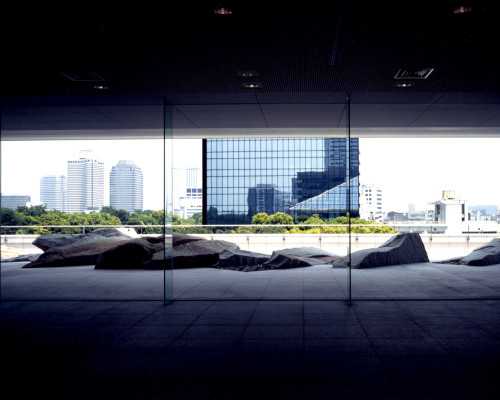
Wynford Park - Aga Khan Museum and Ismaili Centre: Moriyama & Teshima are the architects of record for the Wynford Park complex of buildings located on a 17-acre site on Wynford Drive in Toronto, and comprising the Aga Khan Museum (design architect Fumihiko Maki with Maki and Associates), and the Ismali Centre and Jamatkhana (design architect Charles Correa Associates), a community/religious centre. Inserted between each of these projects will be a series of landscaped gardens designed by the Beirut-based landscape architect Vladimir Djurovic Landscape Architecture in collaboration with Moriyama & Teshima Planners. Wynford Park will comprise eastern-influenced formal gardens and over two kilometres of walking trails open to the public with five reflecting pools. Visitors will be shielded from the noisy Don Valley Parkway and Eglinton Avenue traffic with numerous places for contemplation. The Aga Khan Museum is dedicated to the preservation of Muslim arts and culture. The museum is an initiative of the Aga Khan Trust for Culture, an agency of the Aga Khan Development Network. It will house collections of Islamic art and heritage, including artefacts from the private collections of His Highness the Aga Khan, the Institute of Ismaili Studies in London, and Prince and Princess Sadruddin Aga Khan. A central feature of the new Museum is an extraordinary, state-of-the-arts Auditorium in which the Aga Khan Foundation will present a music programme to expand knowledge of the traditional music of Asia and the Islamic world. ![]() ![]() ![]() Links:
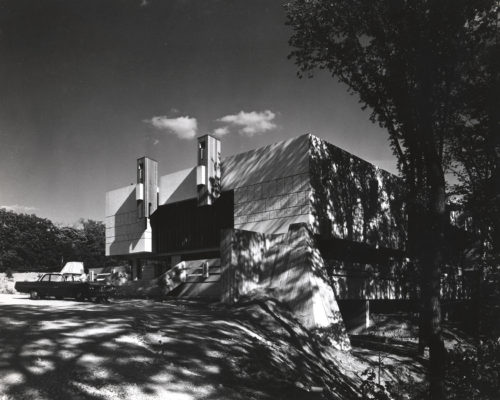
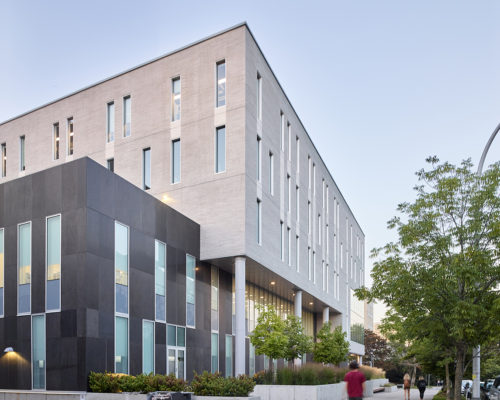
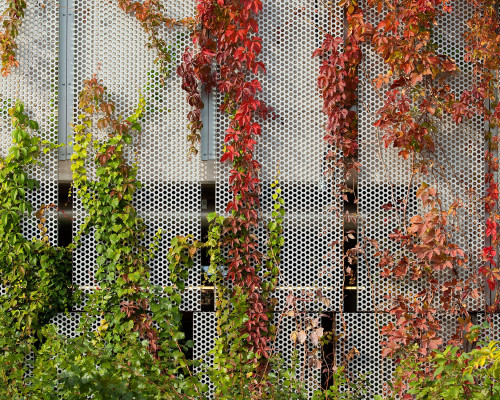
University of Toronto, Victoria College, Goldring Centre: Known to most as Victoria College, the university is autonomous and is located on the parcels of land to the north and south of Charles St. between Bay St. and Queen's Park Blvd. Arguably, this is one of the most handsome parts of the university. It is distinguished by a collection of heritage and modern buildings, draped in ivy, and framing stately quadrangles and beautiful gardens. The campus has an extremely high quality of buildings from different eras: Burwash Dining Hall, the Isobel Bader Theatre, the Pratt Library and the McKinsey Building. On the north side of Charles our project includes the renovation of the existing 1952 Student Union building known as Wymilwood, one of the only Eric Arthur designs to have been constructed. Wymilwood is a historically listed building and the design is reminiscent of Thom and Frank Lloyd Wright with a folded plate roof, exposed concrete structure, and a sculptural stair. The new programme doubles the square footage to approximately 40,000 sq. ft. ![]() ![]() ![]() Our design considers the context first and prioritizes the relationship between open space and buildings that characterize Victoria University. To the north of Wymilwood there is a small garden and a Student Residence, separated by a dis-proportionally large driveway. With considerable tenacity we have pursued the closing of the driveway to "heal" the garden to create a quad inspired space that connects the Student Union building to the Residence. This gesture is the generator for the building. We have framed the quad with informal lounges and assembly halls. This gives focus to the Student Union building that will be known as the Goldring Student Centre. The expression of the building addition is a palette of stone, glass and green. To harmonize the Charles Street elevation, the addition matches the McKinsey building in street line and in height. The design is primarily a solid mass with punched windows linked to the old building with expanses of glass. The heat gain in the building is mitigated by a modern interpretation of the existing ivy covered walls. Stainless steel cables will extend from planting beds set off of the glazing on which twining vines will grow to create shading. Link:
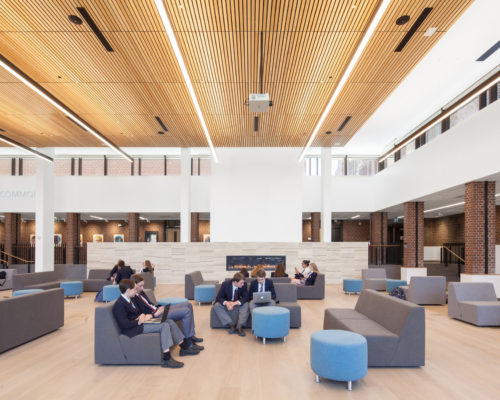
Hillfield Strathallan College - Master Plan Upgrade, Athletic Complex and Senior School Design: The Hillfield Strathallan College in Hamilton is a 100 year old institution undergoing its most comprehensive and state-of-the-art Campus upgrade to date. The College is revitalizing its campus with the inclusion of a new Senior School, Athletic Complex and site upgrades to develop a College Common that will become the new heart of the Campus. The New buildings will occupy the West quadrant of this remarkable green site at the top of the Hamilton Mountain. The project began with a rigorous and comprehensive Master Plan review process that engaged the full HSC community through information gathering meetings and visioning workshops. The Senior School programme was built entirely to address student needs and a progressive vision for pedagogy developed jointly by the students, faculty and Steering Committee at Hillfield guided by Moriyama & Teshima's expertise in educational facilities. With a clear Master Plan Vision developed corroboratively with the HSC community, M&T was ready to move to the design of the new buildings. ![]() ![]() ![]() The building design is focused around two new green spaces: the College common and the Senior School Quad. The building massing was established to place the significant spaces of learning and socializing at the centre of the school and to place the Athletic Complex, which includes a triple gymnasium, at the south end of the Campus for connectivity to the rest of the school and to maintain a respect for the scale of the existing campus. Natural light and environmentally efficient placement of building mass and openings were considerations for the overall form of the building which, as a result, is a candidate for LEED Certification. The building is designed in an enduring palette of local materials. The exterior of the building has a strong rhythmic collegial expression while the interior spaces are open to the new courtyards, both in expression and accessibility. Attention was paid to creating iconic moments in the design to establish both College identity and to facilitate recognition of significant donor opportunities. Link:
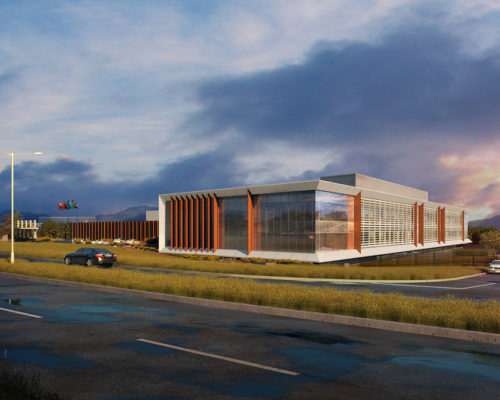
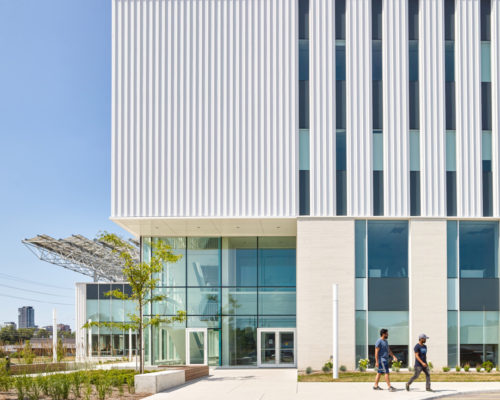
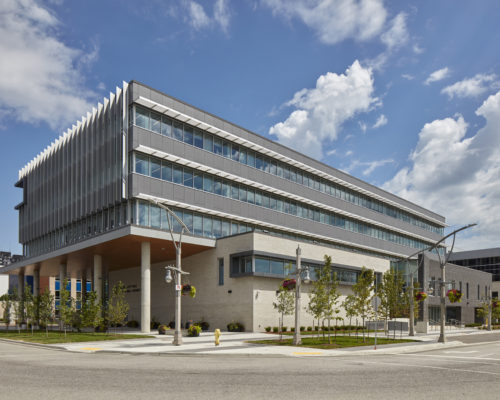
Conestoga College, New Cambridge Campus (Phase 1): As one of the fastest growing colleges in Ontario, Conestoga is experiencing serious demands from growing population on its physical and technology infrastructure. In response, Conestoga has planned a significant 2 Phase expansion onto its new Cambridge campus. Moriyama & Teshima was selected to design the inaugural Phase 1 building - the new School of Engineering and Information Technology on Conestoga's new Cambridge Campus, a 131.5 acre parcel of land strategically located on Highway 401 at Fountain Street, directly across from the existing Doon campus. Conestoga's vision for the site is to grow to be a nationally recognized centre for polytechnic education. The new Phase 1 School of Engineering and Information Technology building will enable Conestoga to welcome 3,000 post-secondary technicians, technologists and apprenticeship students. In addition to faculty and administrative offices, cafeteria, learning commons and student study and social areas, the main pillars supporting the new School of Engineering and Information Technology will be its centres of excellence including: - Centre for Welding, Robotics and Automation
M&T is designing the new campus Phase 1 building to a LEED Silver standard. Environmental features prioritize public transit, accessibility for those with disabilities, campus safety considerations, and responsible waste management and on-site storm water management. The Phase 1 building of approximately 260,000 square feet is scheduled to be completed for full opening in August 2011. ![]() Link:
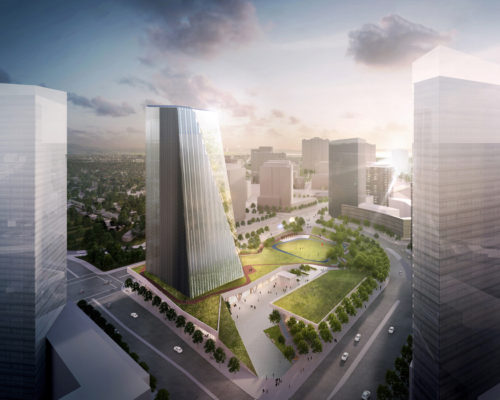
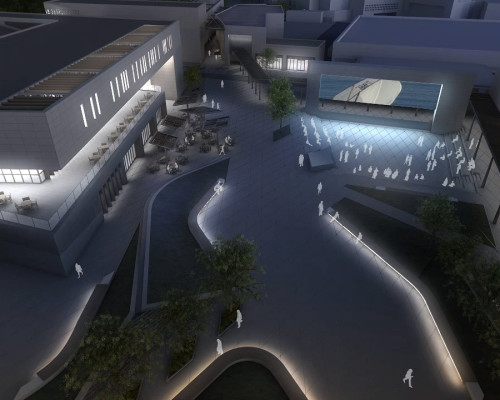
Edmonton Federal Building: Joining forces with Kasian Architects out of Edmonton, Moriyama & Teshima is leading the master planning and design of the public plaza/urban park and underground parkade component of the Edmonton Federal Building's $350-million renovation and redesign. The art deco building, built in the 1950's and one of downtown Edmonton's architectural landmarks, anchors the northeast corner of the legislature grounds. It was home to federal employees in Edmonton until the opening of Canada Place, in the late 1980s, when the province got it in a land swap. The Federal Building has been vacant since 1989, but by 2011 before the legislature's 100th anniversary in 2012 - its art-deco lobby will echo with the footsteps of 830 government workers. The redesign will include $200-million to revamp the building (with respect to which Moriyama & Teshima, as a member of an integrated consortium team, is providing urban design lead and design review) and $156 million to build 650 underground parking stalls and a new landscaped plaza between the Federal Building and the nearby Bowker Building. This project will work to preserve a historically significant landmark while rejuvenating the legislature grounds and district for all Albertans and visitors to enjoy. ![]() ![]() ![]() Link:
Region of Waterloo History Museum: Situating the Region of Waterloo History Museum at Doon Heritage Crossroads has provided many unique and exciting opportunities for the building's architecture. The existing 1914 living history village interprets a significant crossroads in the region's history, bridging its pioneer past with its modern present. The new Region of Waterloo History Museum also sits at an historical crossroads - the site of two transportation routes that were critical to the development of Canada and Waterloo Region: the old Huron Road that was built in the 1830's to bring settlers into the region and beyond; and a rail line that connected Berlin/Kitchener to Galt/Cambridge, providing a link between the two distinct cultures in North Dumfries and Waterloo Townships. Fragments of both these routes not only exist on the site of the new museum, but literally cross one another at the heart of Doon Heritage Crossroads. This physical crossroads serves as a powerful design metaphor for a museum where - symbolically - the past, present and future will intersect. The museum architecture, the exhibit design and the landscape at Doon Heritage Crossroads are key elements of this project that will be integrated throughout the design process to reflect the crossroads theme. ![]() ![]() ![]() To achieve this, the museum's design will: - provide a visitor experience that physically responds to the crossing of Huron Road with the rail line;
This long anticipated new museum will tell the story of a region, express the spirit of a people, and stand as an enduring source of pride for all. + Moriyama & Teshima Architects in association with the Walter Fedy Partnership. Links:
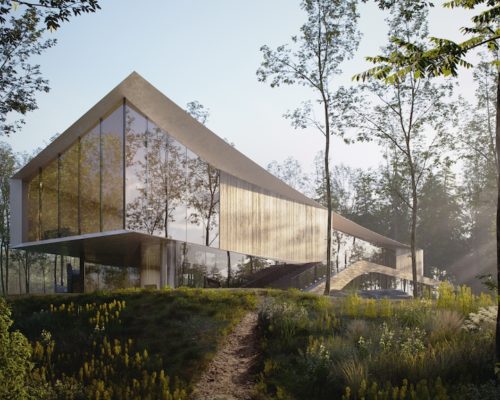
Lakehead University - New LEED Platinum Academic Building: This first building on Lakehead University's new 85 acre Orillia LEED Platinum Campus is to set a strong precedent for all future development. Moriyama & Teshima Architects was selected to lead the design team in this endeavour, collaborating closely with the university, stakeholders, users, and community to ensure a successful outcome for all. M&T's design approach is guided by three fundamental principles: - Integrate architecture and landscape to create a welcoming place and a collegial environment that inspires and compels people to want to be there;
![]() ![]() ![]() Many sustainable site elements are targeted on a campus-wide basis, including native landscaping, on-site storm water management, and recharging the local aquifer. Energy consumption of the building will be reduced first by understanding the energy demands of the building, and by employing passive strategies (ie. building orientation, natural day-lighting and shading, and design/construction rigour) wherever possible. A high-performance building envelope will work to reduce heating and cooling demands of the building, while highly insular and spectrally selective windows will reduce solar gains while maintaining daylight transmission to reduce electric lighting energy consumption. Link:
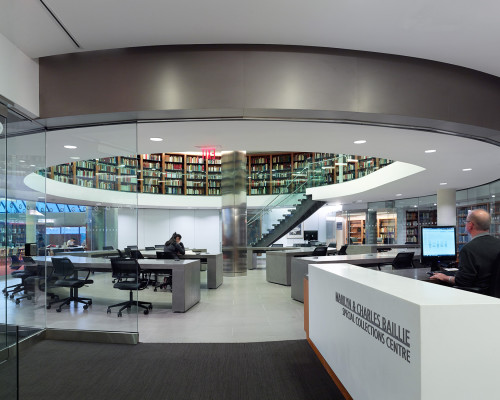
Toronto Reference Library, Expansion and Renewal: The original library design, by Moriyama and Teshima Architects has stood handsomely over the years as a Toronto landmark. The renovation and expansion of the existing building is transforming the TRL into an exciting contemporary venue and renewed heart of the community. A striking architectural icon, this 400,000 square foot building now welcomes one and all through a dramatic new Gateway; a fully glazed and transparent Glass Box that is both gateway and threshold, as well as a lens into the heart of the building. Inside, to delight and inspire, M&T has wholly re-conceptualized the traditional library experience through innovative design of everything from Key spaces to contemporary prototype furnishings that are exclusive and unique to TRL. Some of the featured elements include: an expansive Event Centre to host major cultural and literary events that provide creative inspiration to our city; A breathtaking Special Collections Rotunda that celebrates the library's rich and varied special collections; Idea Gardens at various locations, each an original space that engages a unique aspect of perception and learning; study pods, learning labs and meeting rooms that exemplify innovation and cutting edge technologies at every opportunity; and a complete reconfiguration of the library's voluminous stacks to enhance and simplify the research process, invoking a new sense of enjoyment and discovery. The Event Centre Addition, known as The Bram & Bluma Appel Salon is located on the east side of the building, beyond the second floor library stacks. It is a magnificent space flooded with natural light from a dramatic clerestory of windows and privileged by spectacular north-east views of the City. ![]() ![]() ![]() ![]() ![]() Links:
|
||||||
|
||||||