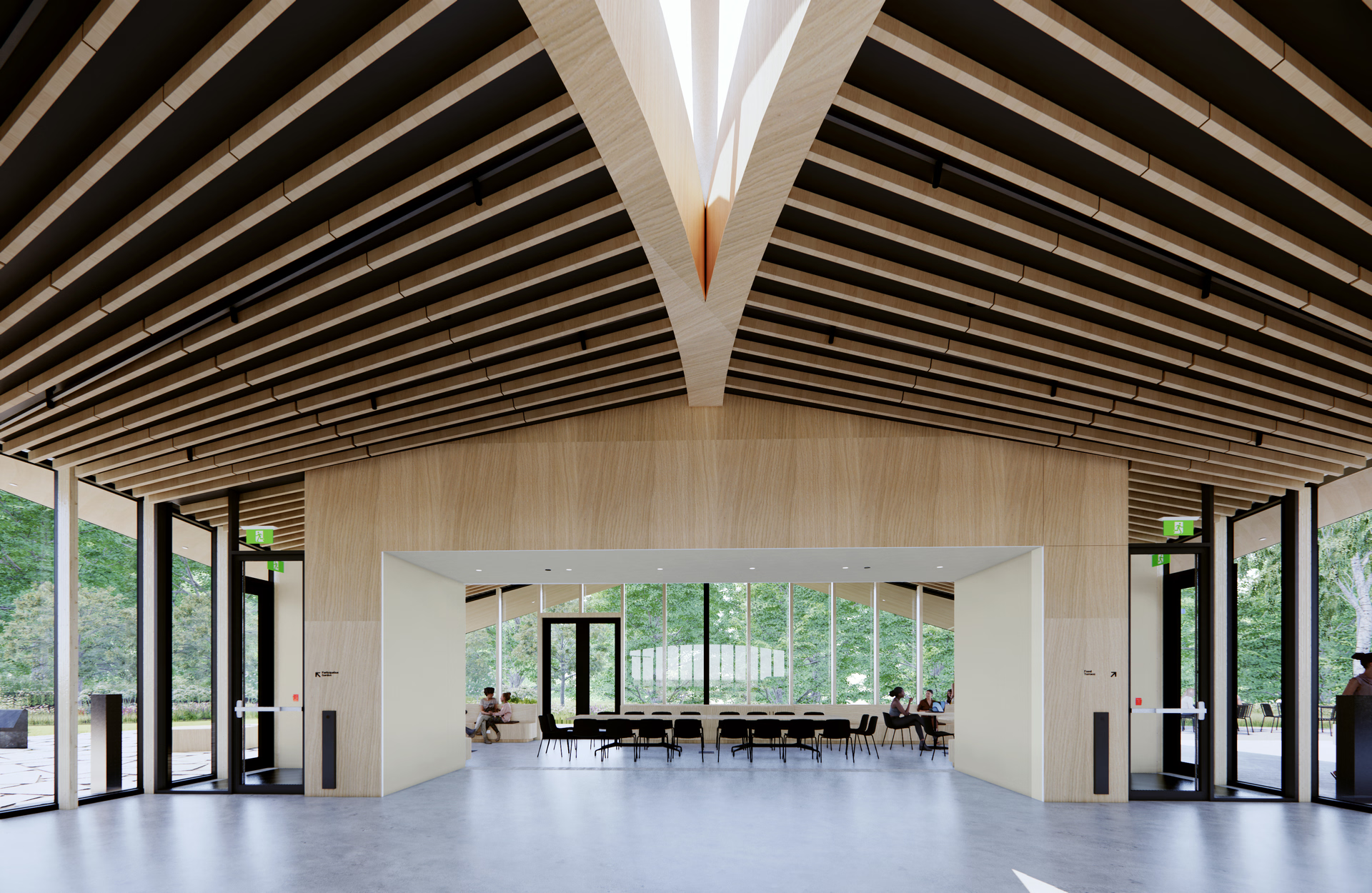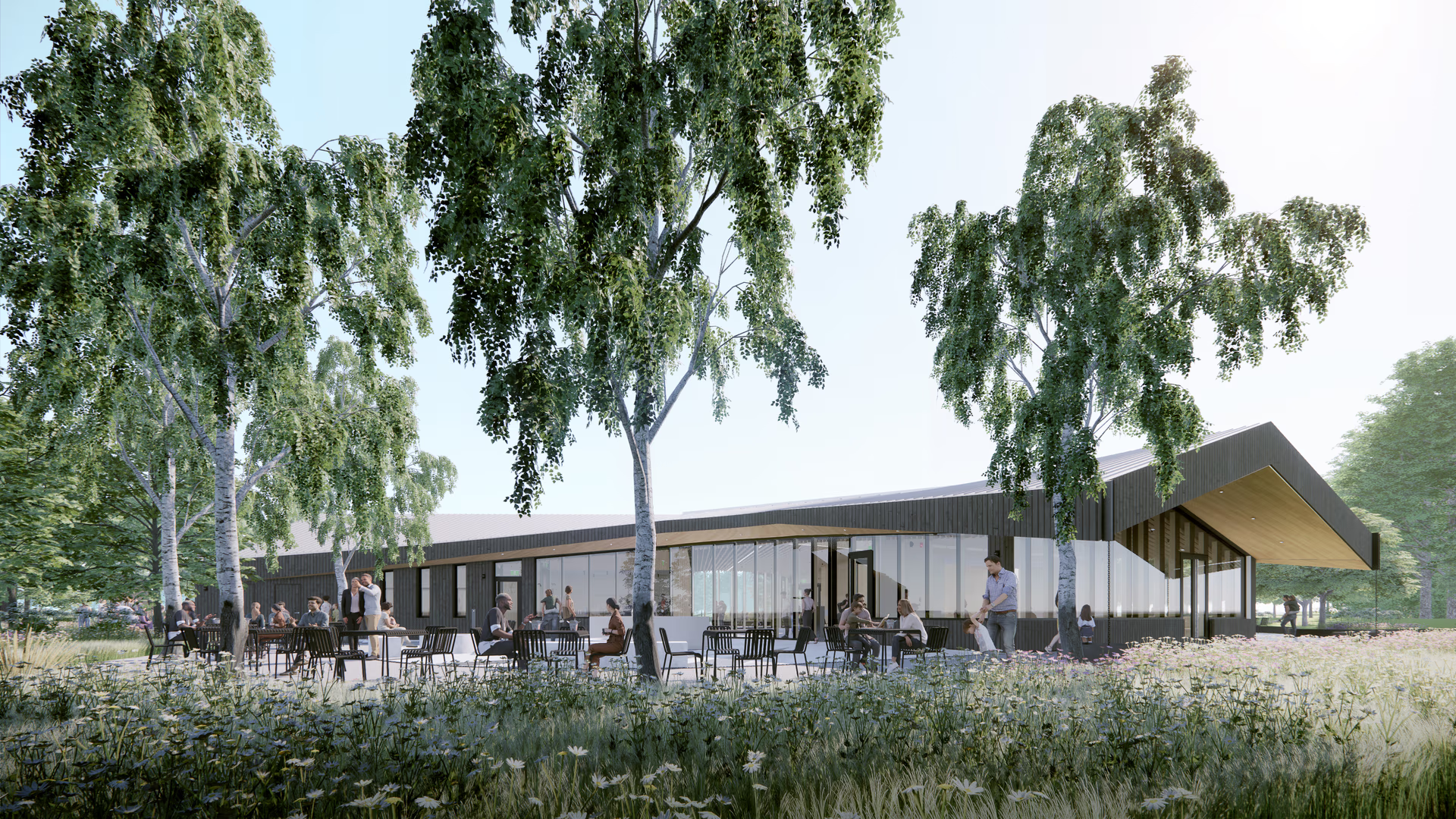

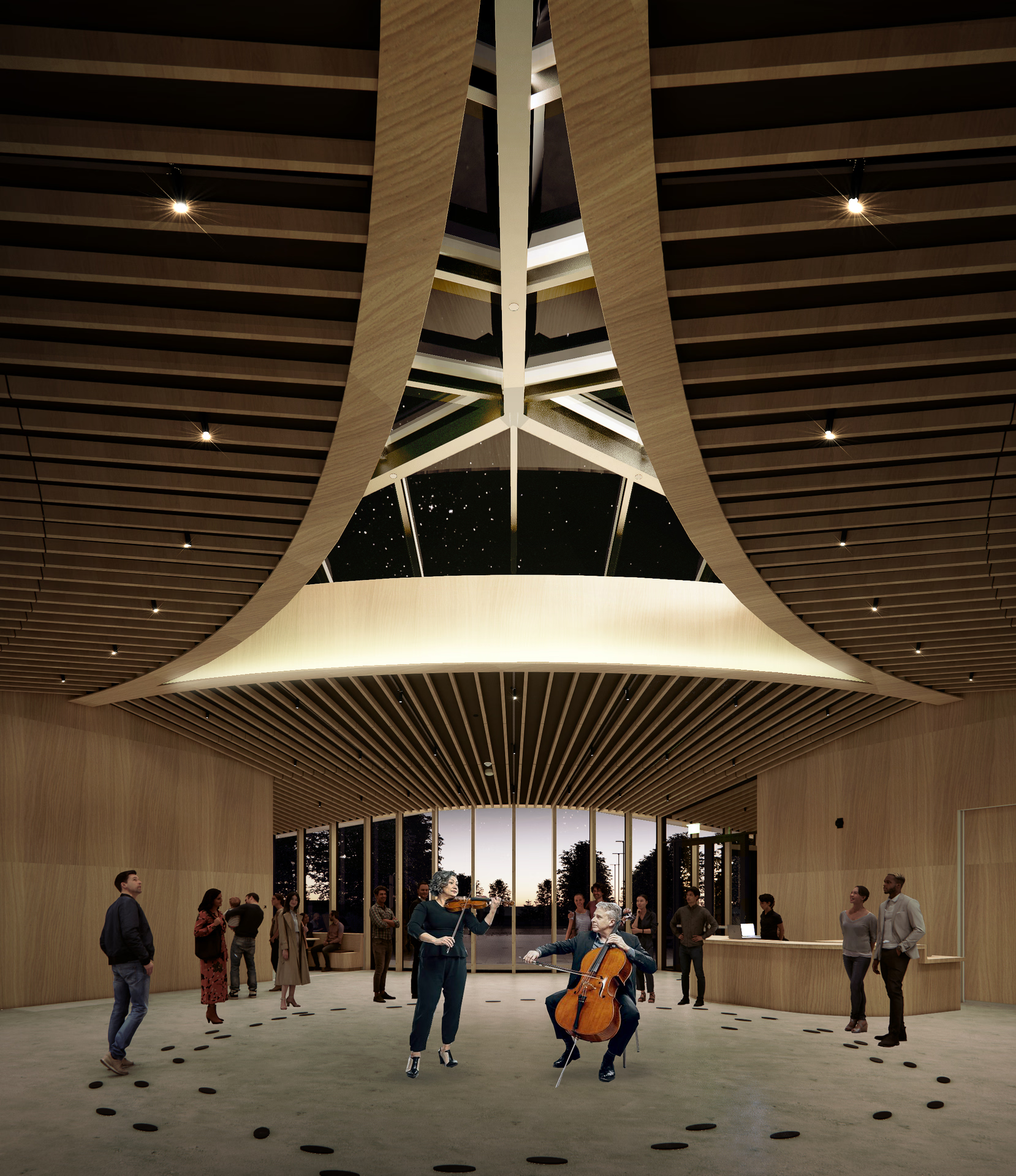
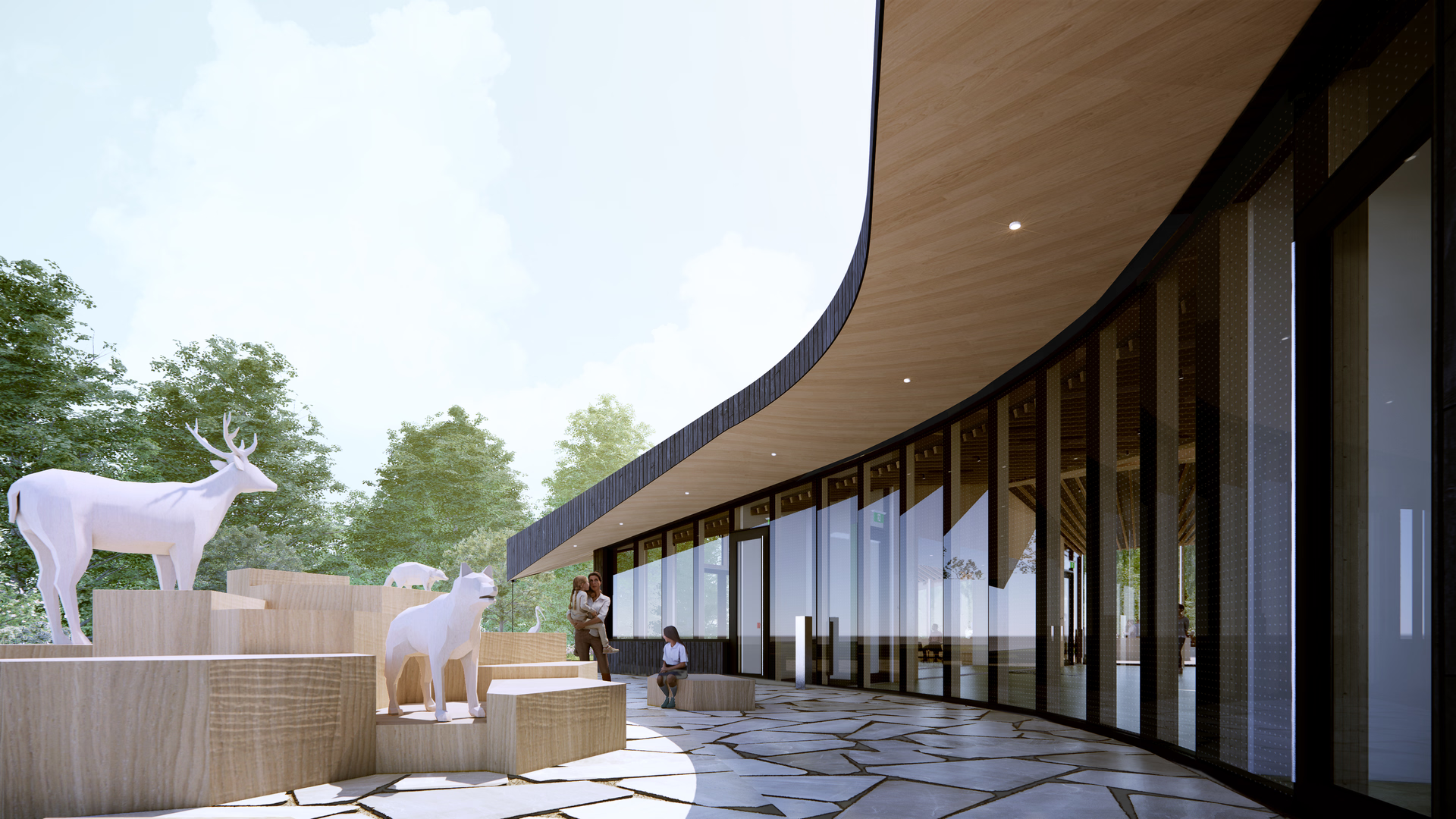
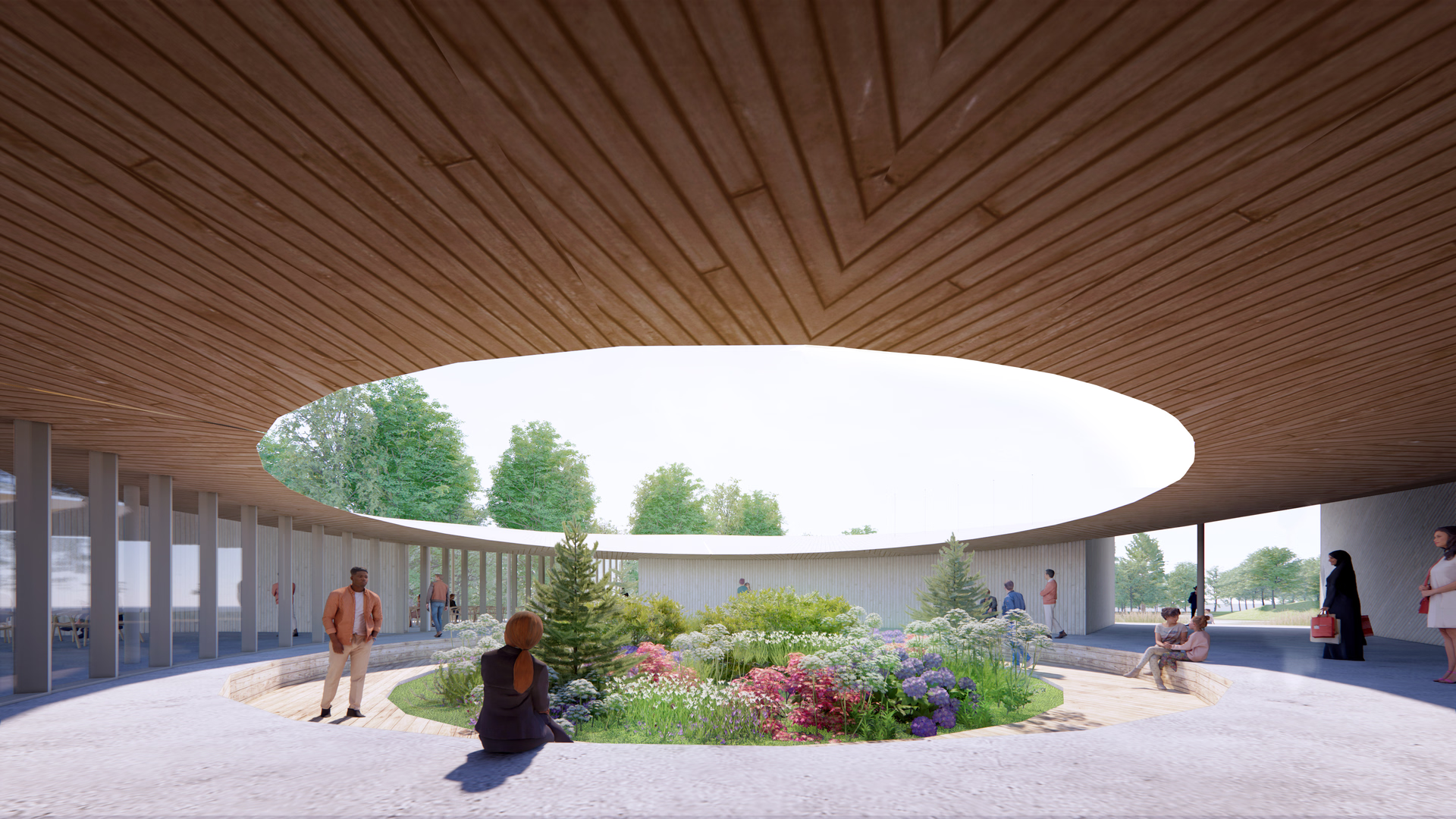
Oriented on a north south axis, the building is organized around a central gathering space with a skylight to provide natural daylight for events and communal activities. There are three symmetrically divided wings that lead to distinct spaces: an intimate Participation Garden overlooking the Little Rouge Creek valley; a large open events field with a fire pit, water gardens, and a dedicated outdoor First Nations circle; and the Restoration Plaza, which receives visitors to the building and trails.
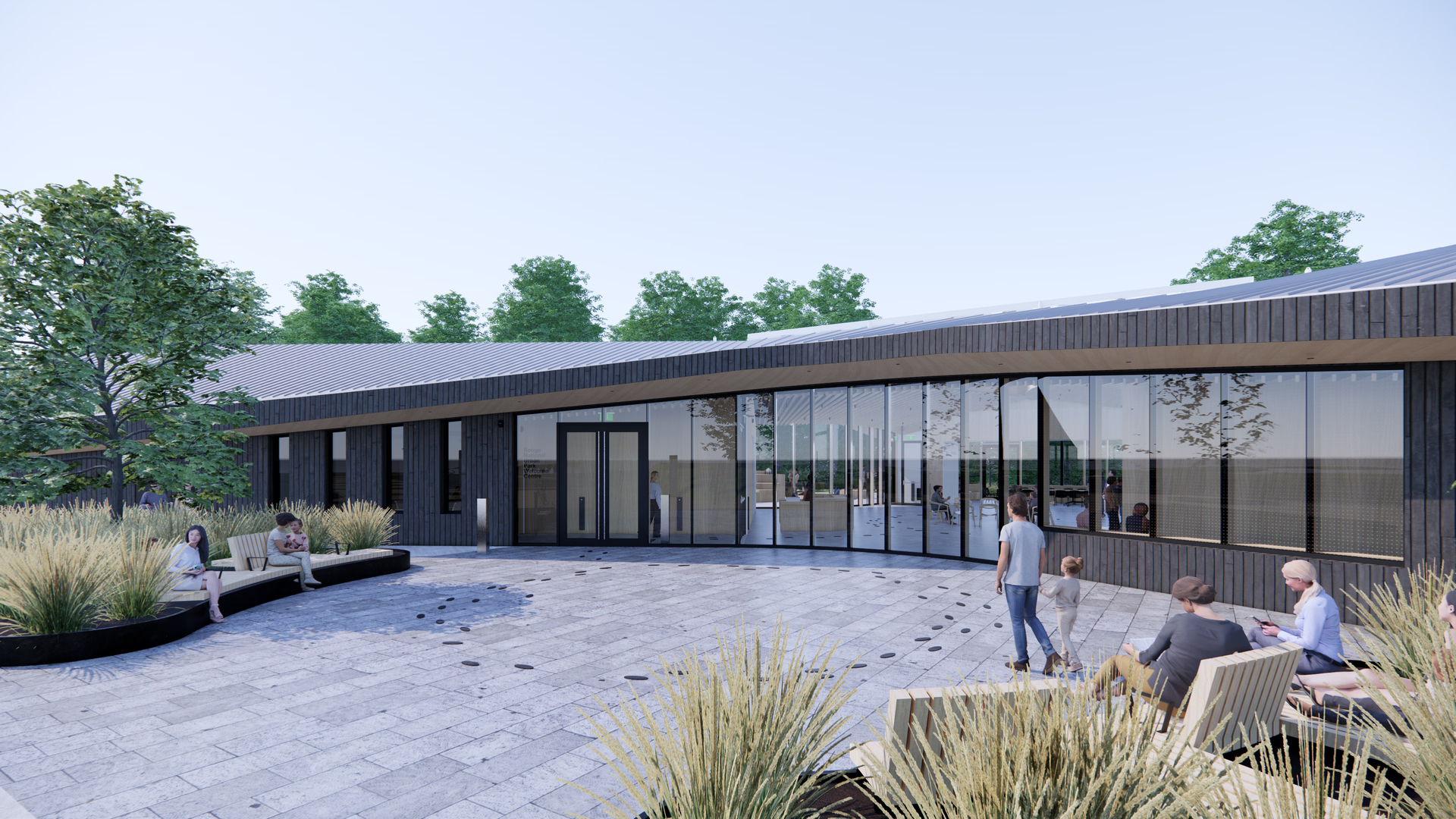
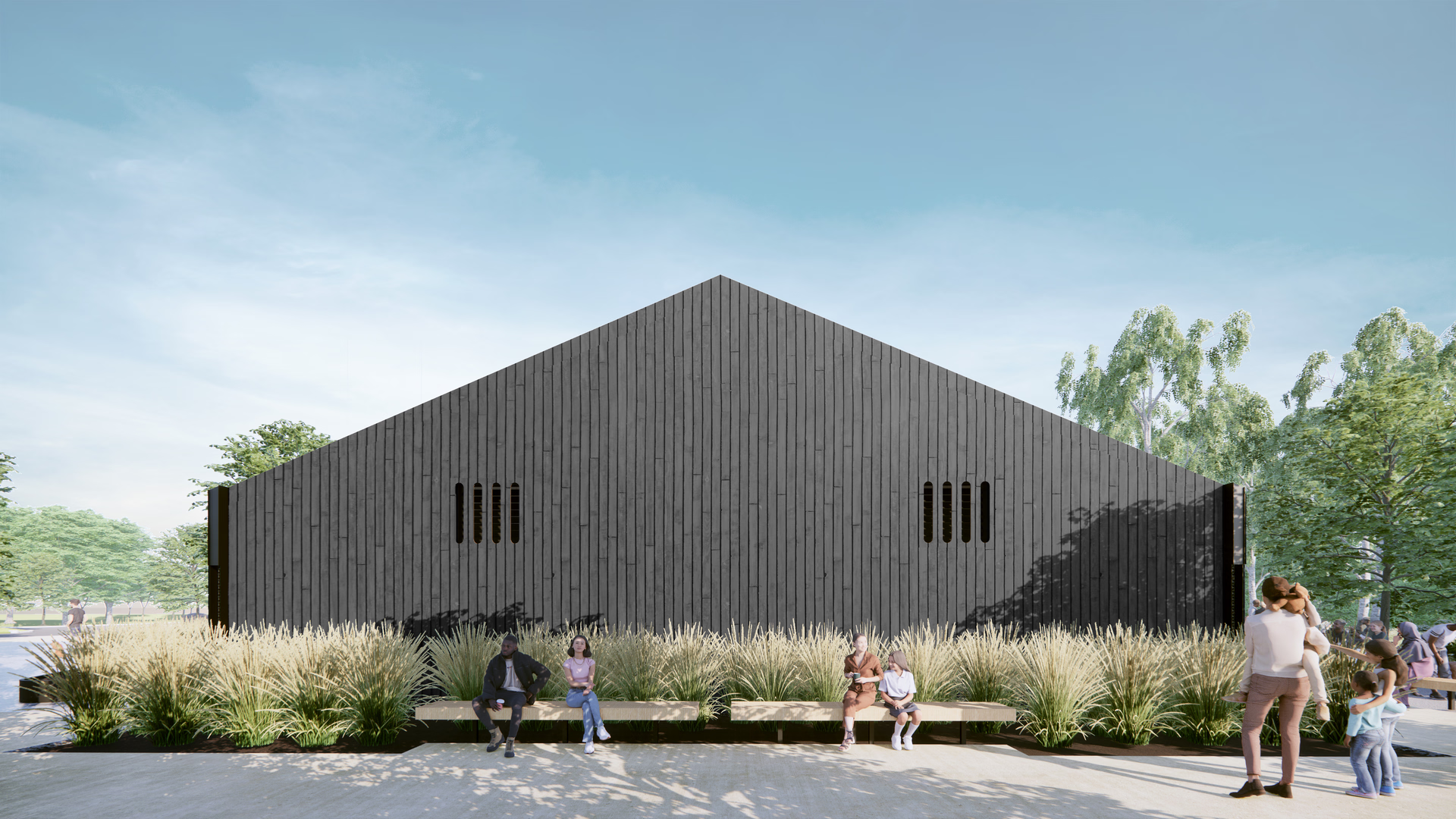
Designed to be net-zero carbon, the building employs a mass timber structure and shou sugi ban (charred wood) cladding to reduce environmental impact. The roof overhangs around the centre are tuned specifically to allow winter sun into the building but reduce higher-in-the-sky summer suns, taking advantage of seasonal changes toward energy efficiency.