
Building Enduring Spaces since 1958
2024
No items found.
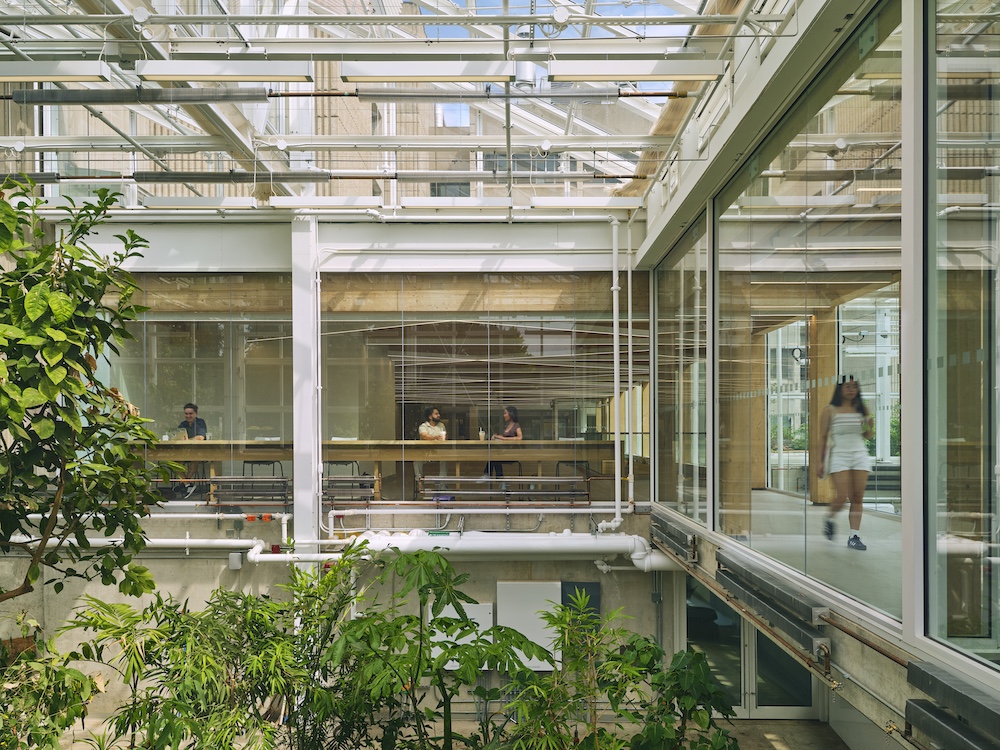
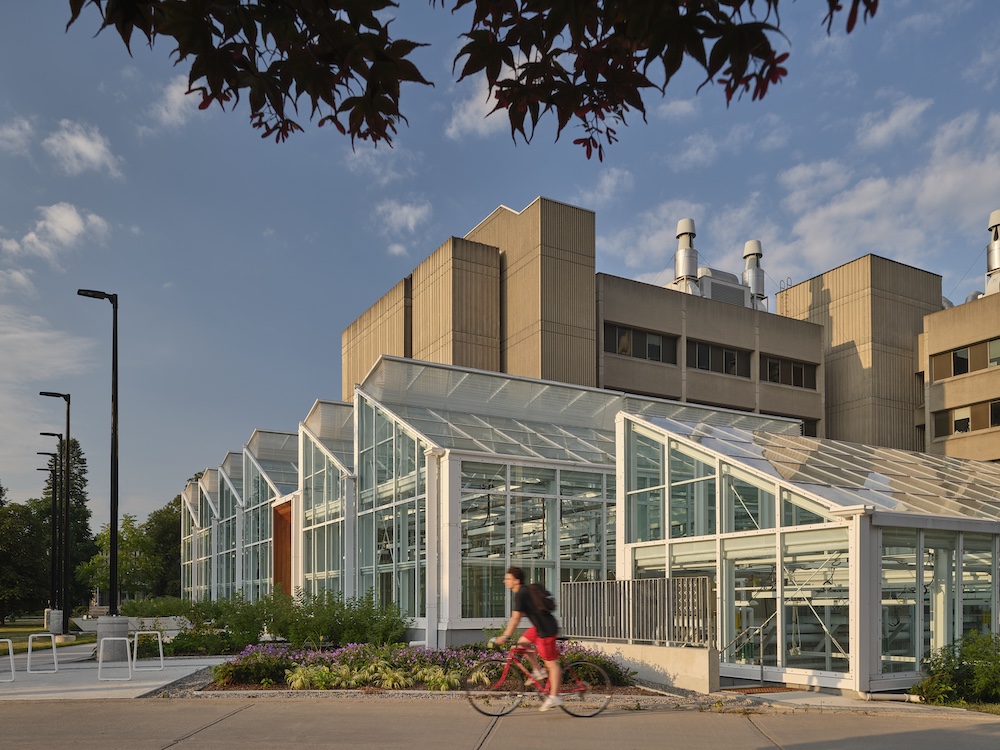
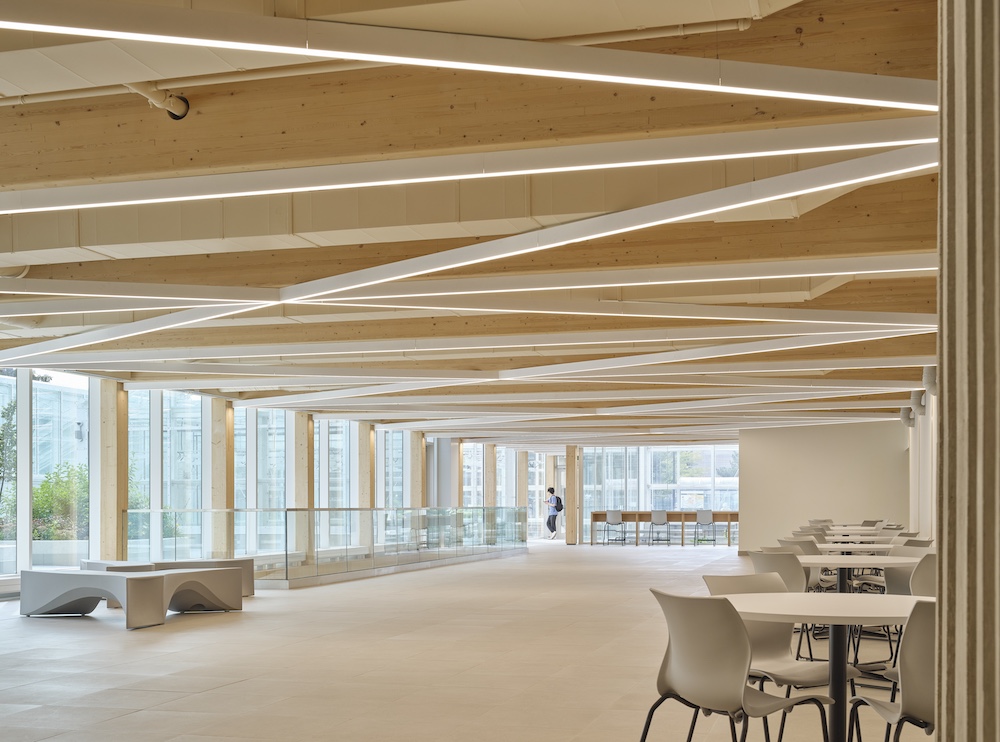
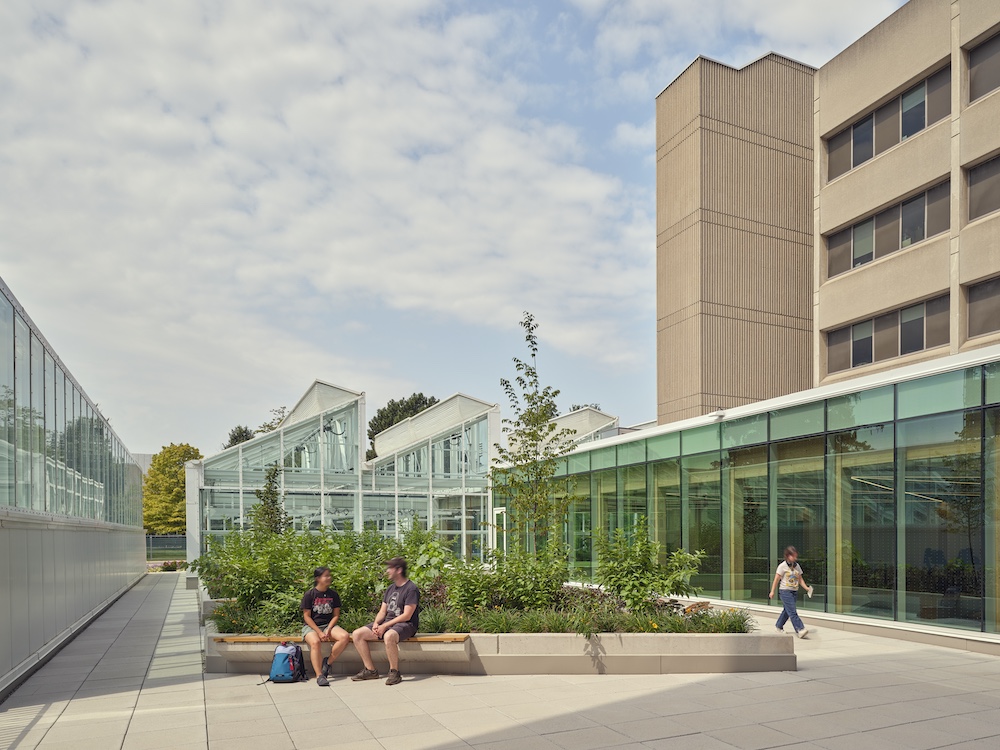
This highly complex addition project is a four-phase, multi-year renovation of McMaster University's Life Science Biology (LSB) building, including the integration and addition of a new, 11,400 SF research greenhouse. This new greenhouse seizes the opportunity to reflect McMaster's leadership in the study and research of science and natural systems in health and wellness, as well as echos its commitment to growth, health, and sustainability.
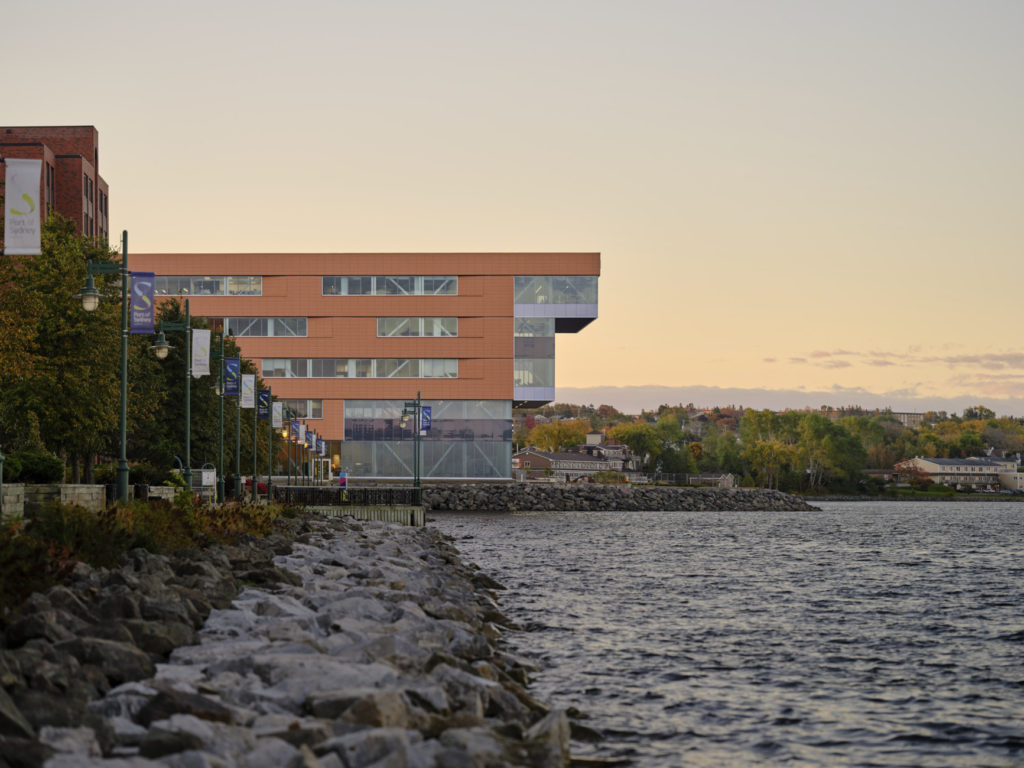
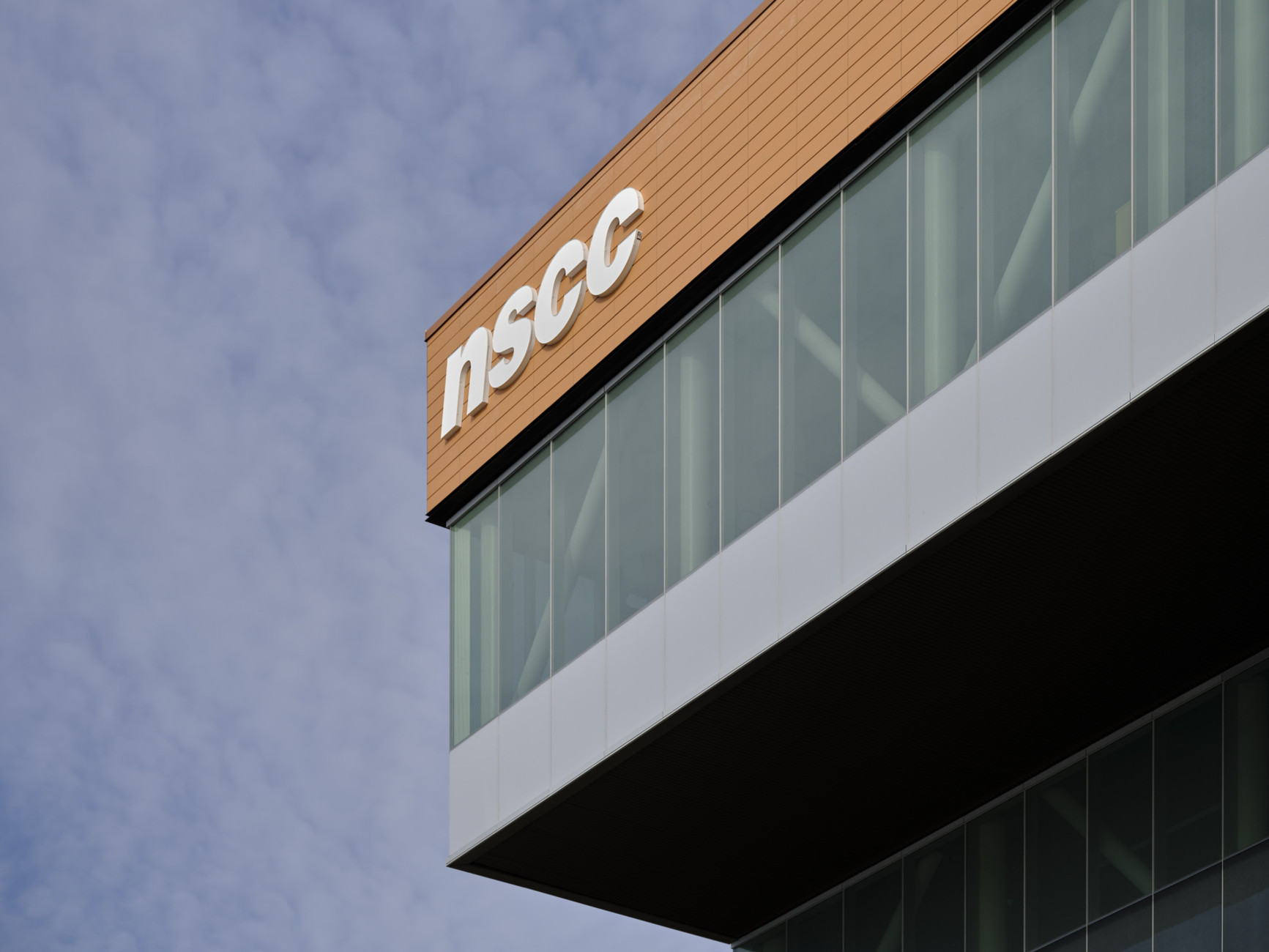
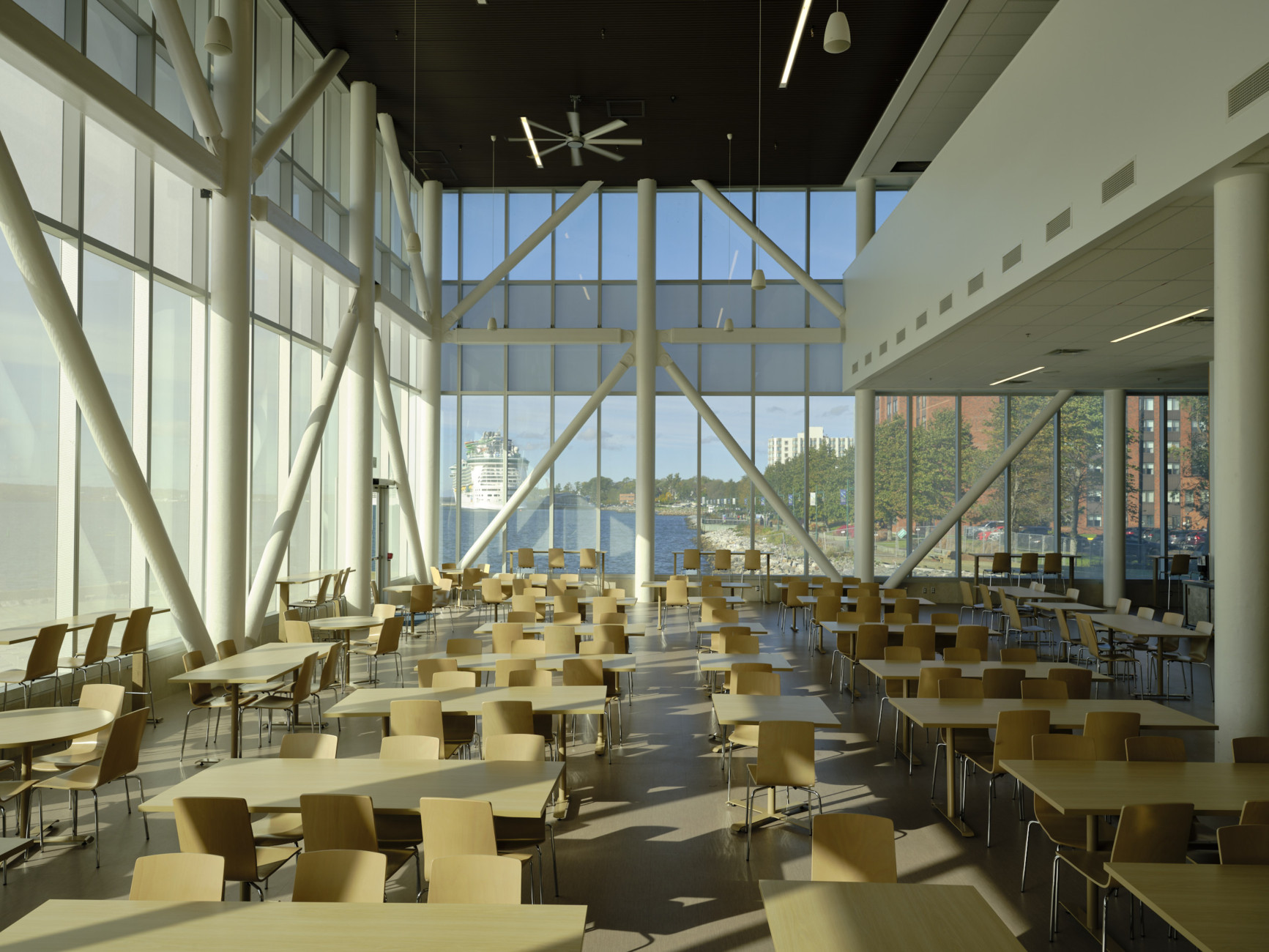
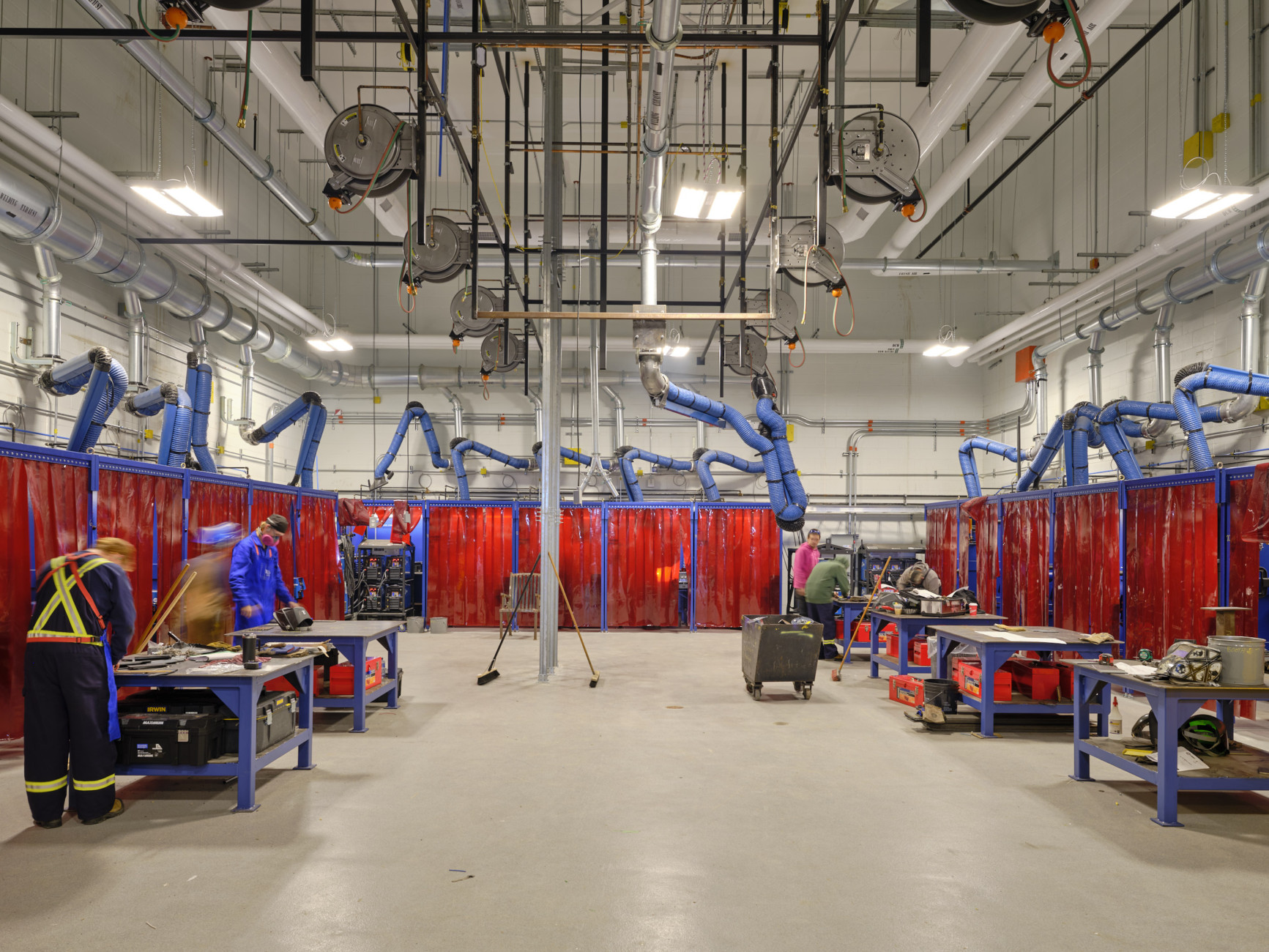
Nova Scotia Community College Sydney Waterfront Campus
No items found.
Moriyama Teshima Architects with Barrie & Langille Architects worked together to design a new waterfront campus for the Nova Scotia Community College. The campus was relocated from its previous location to the Sydney waterfront to revitalize the downtown core and accelerate the college's strategy to expand the physical capacity of the campus.
Limberlost Place Wins CTBUH Award
No items found.
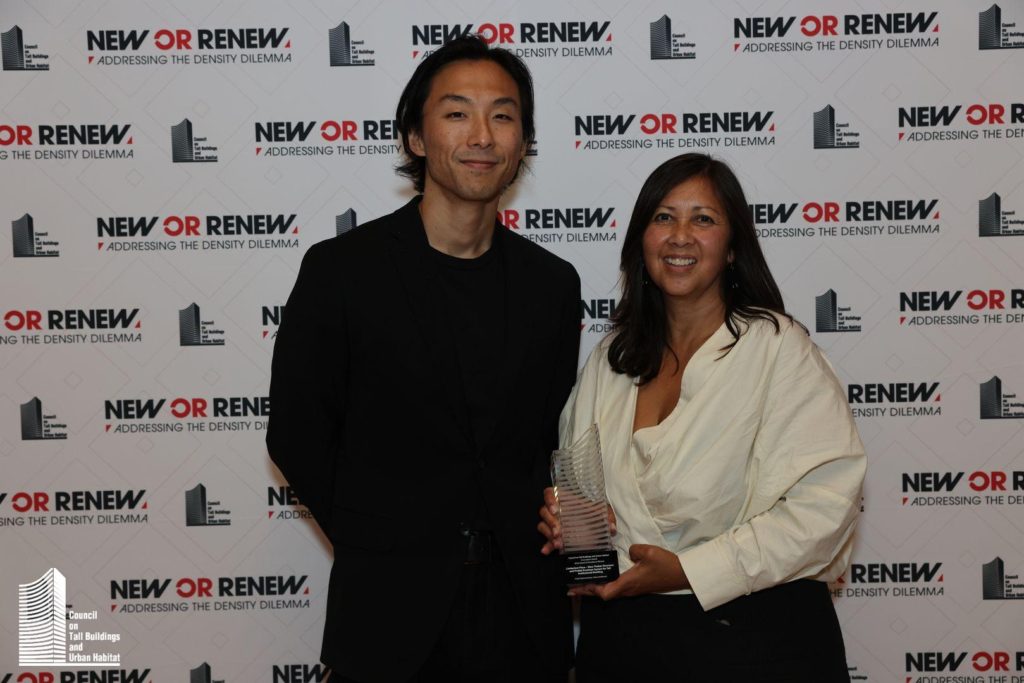
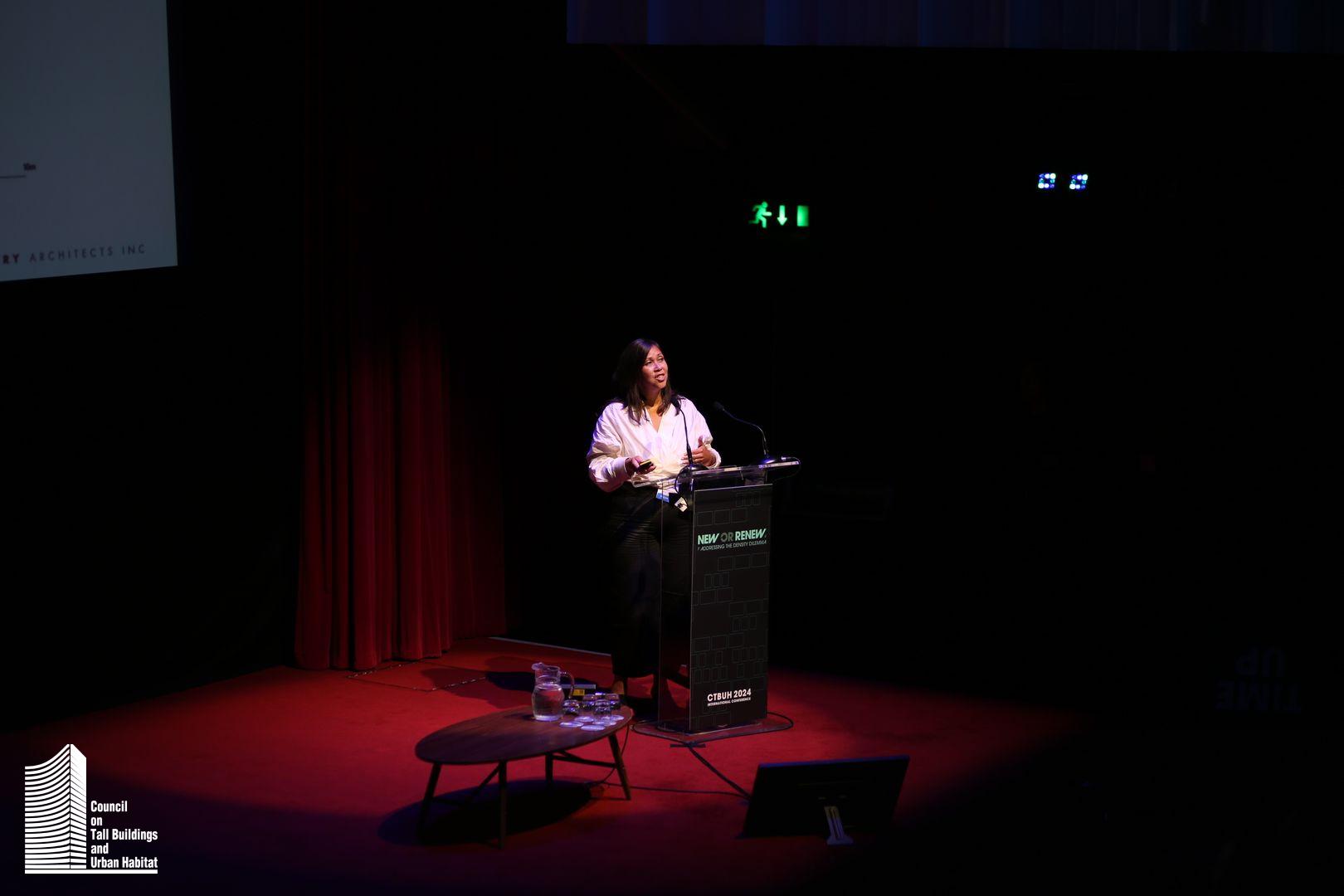
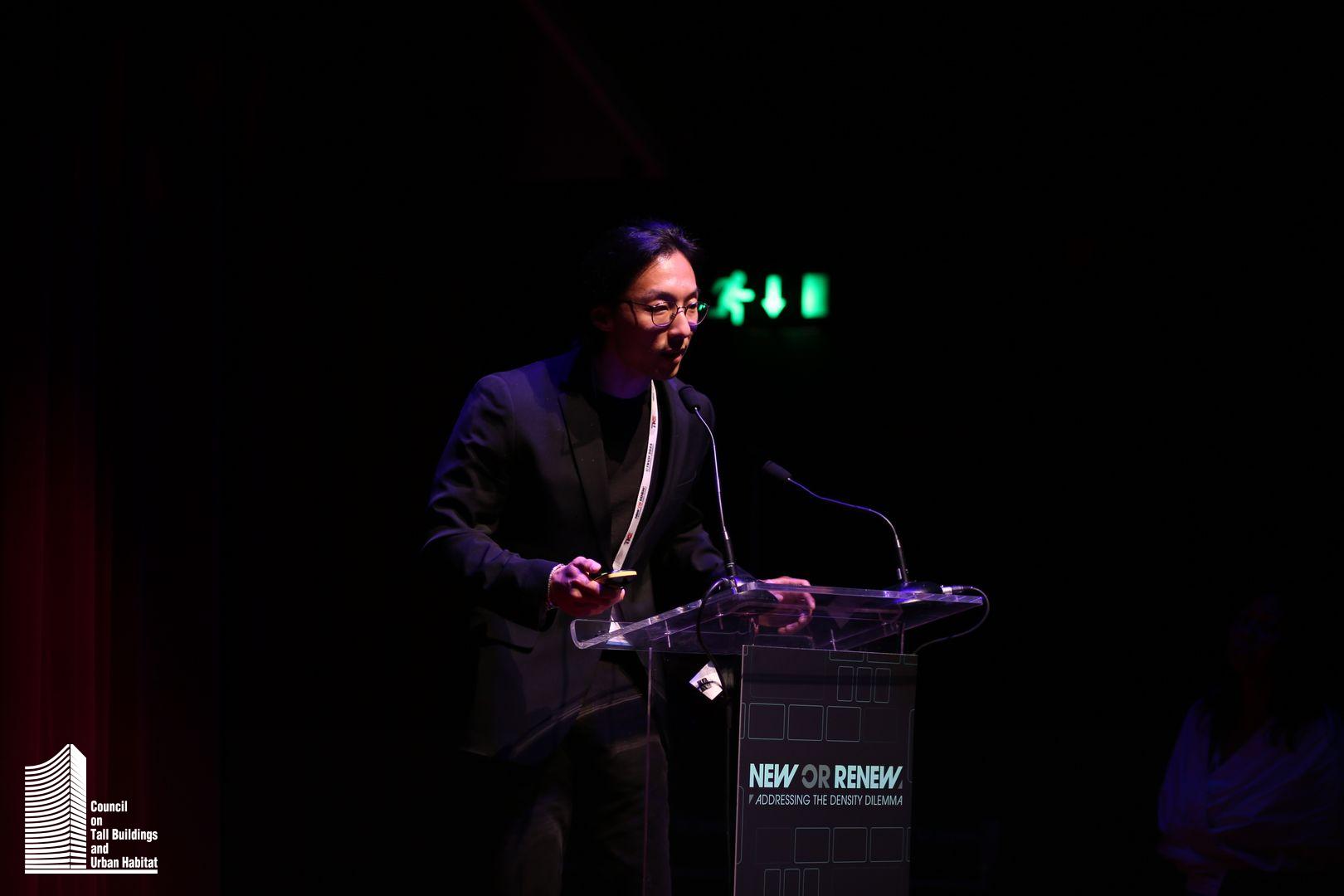
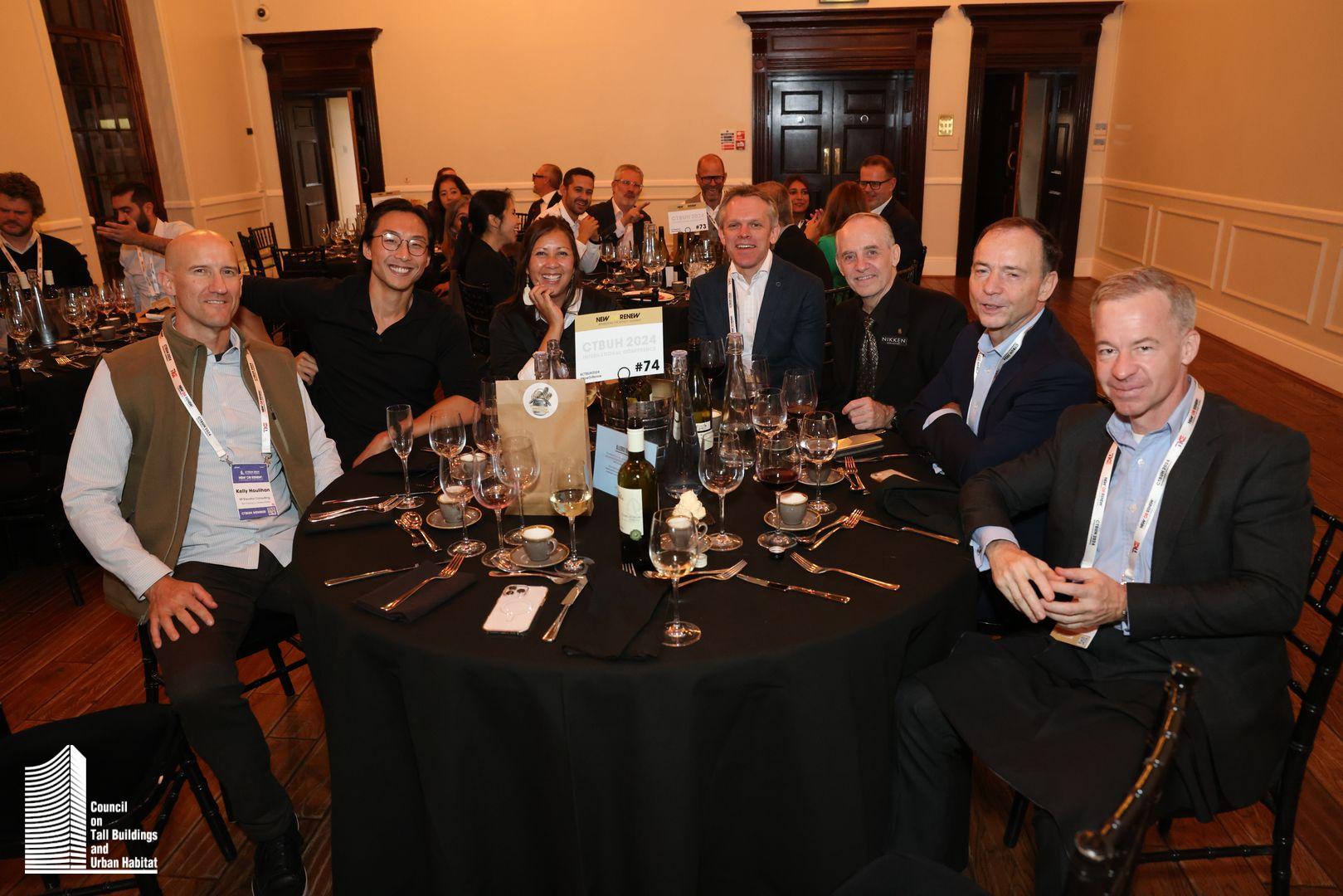
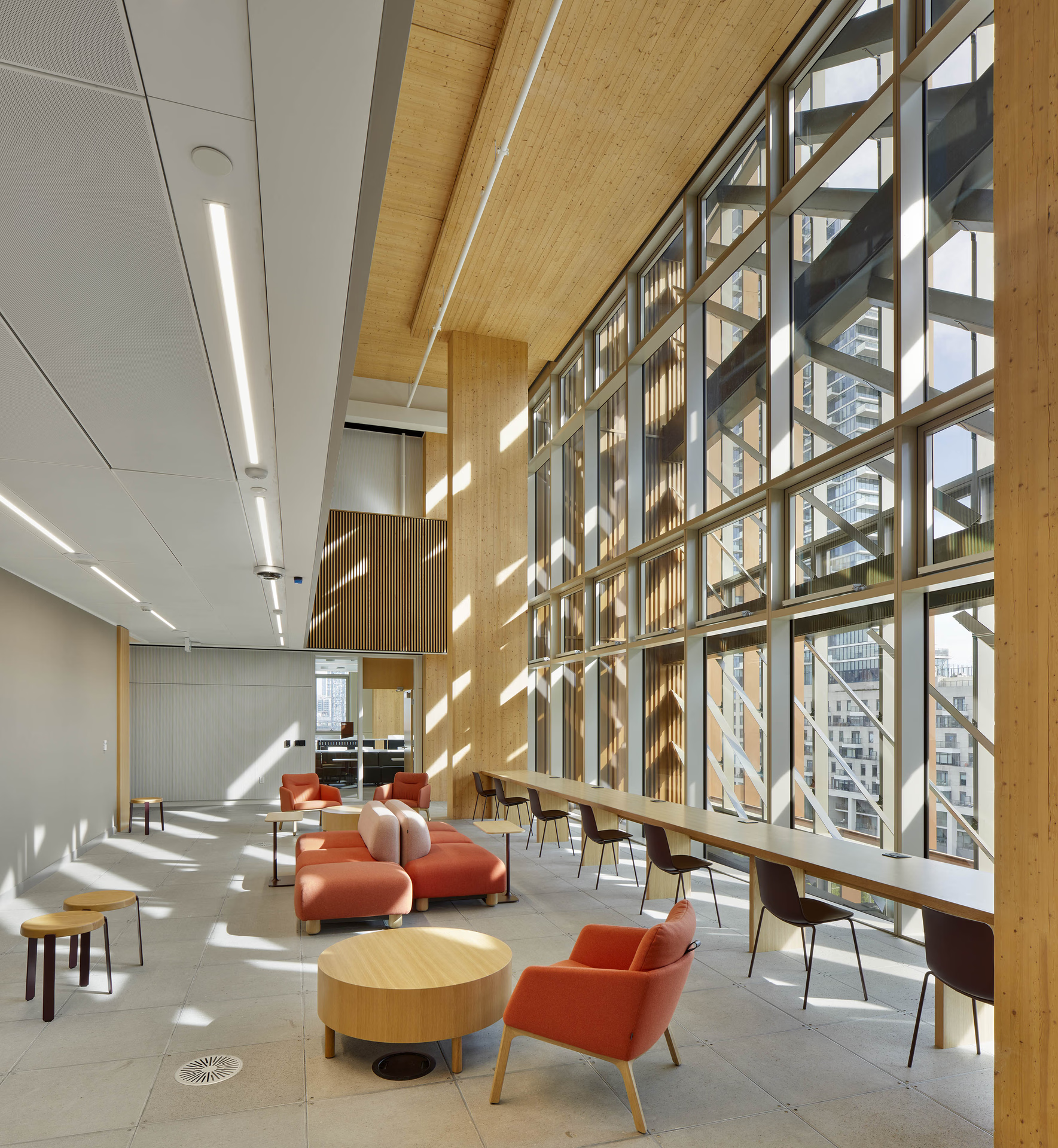
Limberlost Place is the recipient of 2 Council on Tall Buildings and Urban Habitat (CTBUH) Awards: Innovation category and Structure category. MTA Partner, Carol Phillips, and Associate, Jay Zhao, travel to London, UK, to present on the project and attend the annual CTBUH Conference.
Parks Canada Collections and Curatorial Centre
No items found.
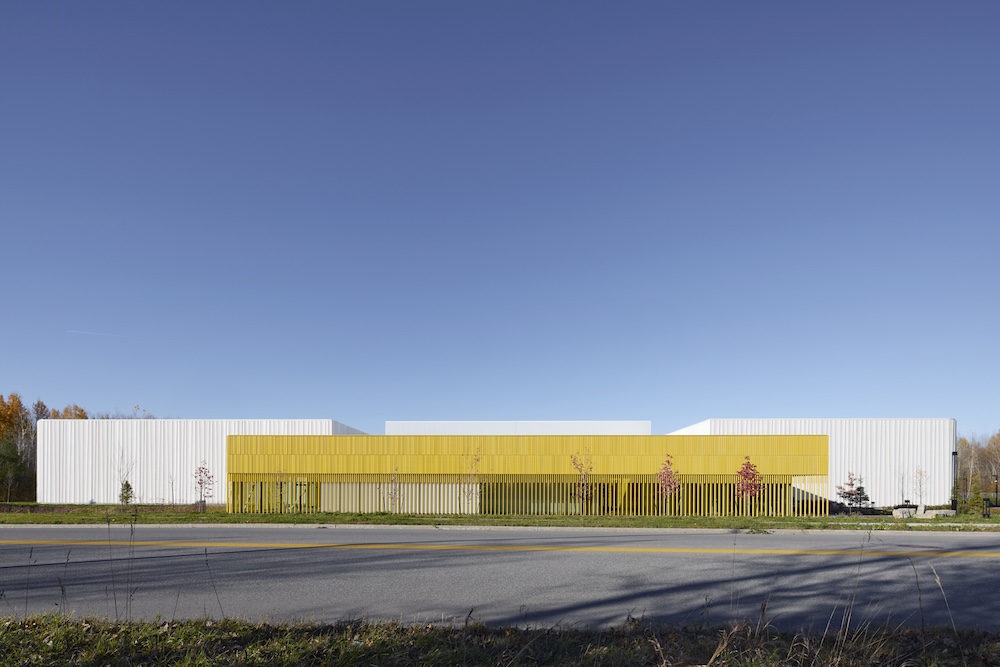
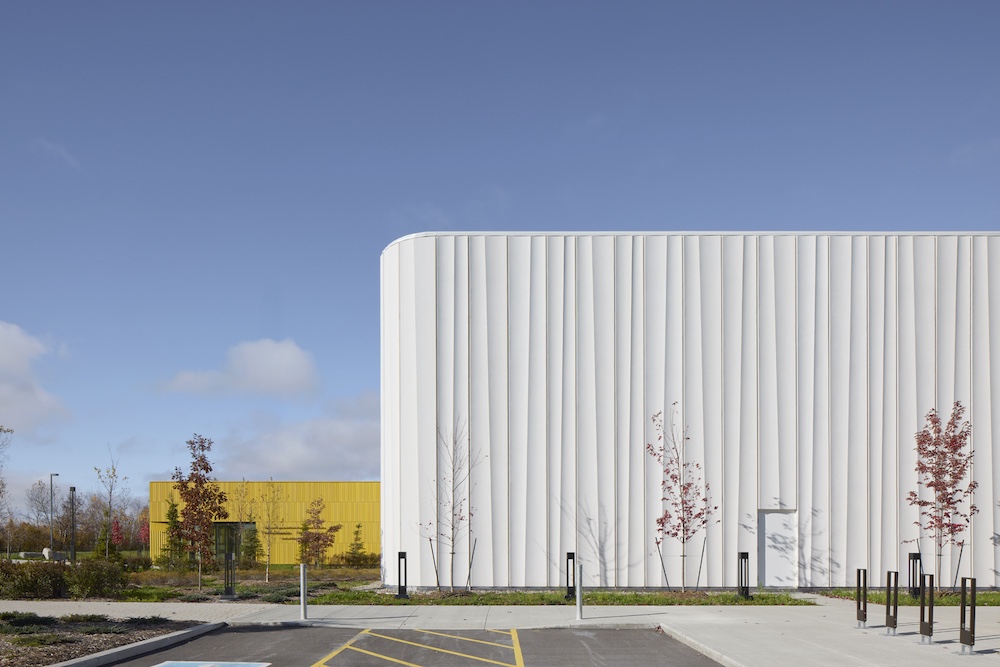
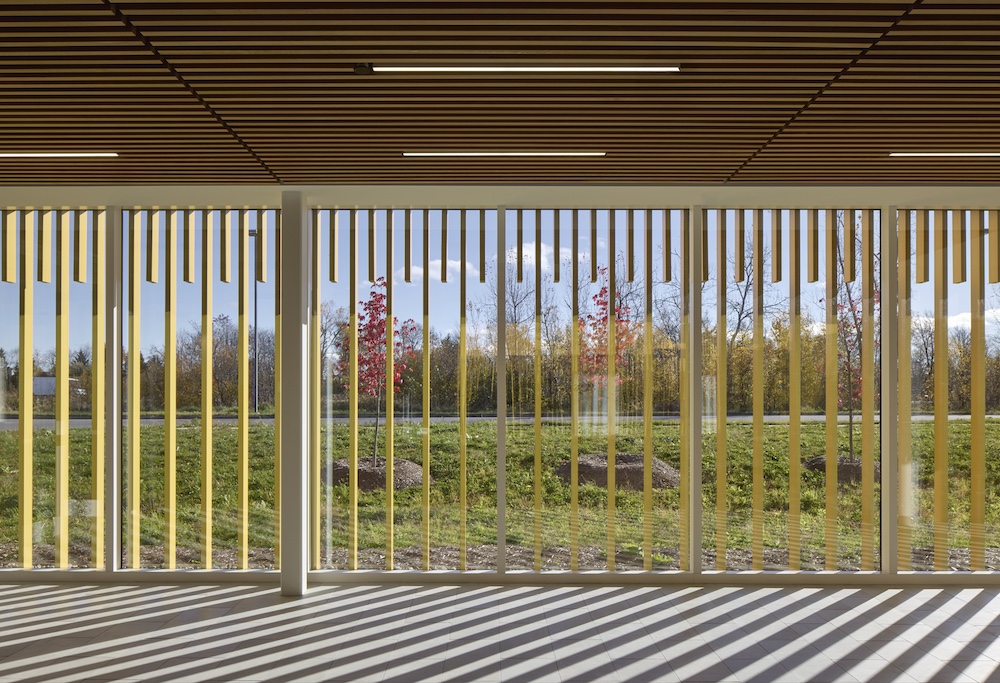
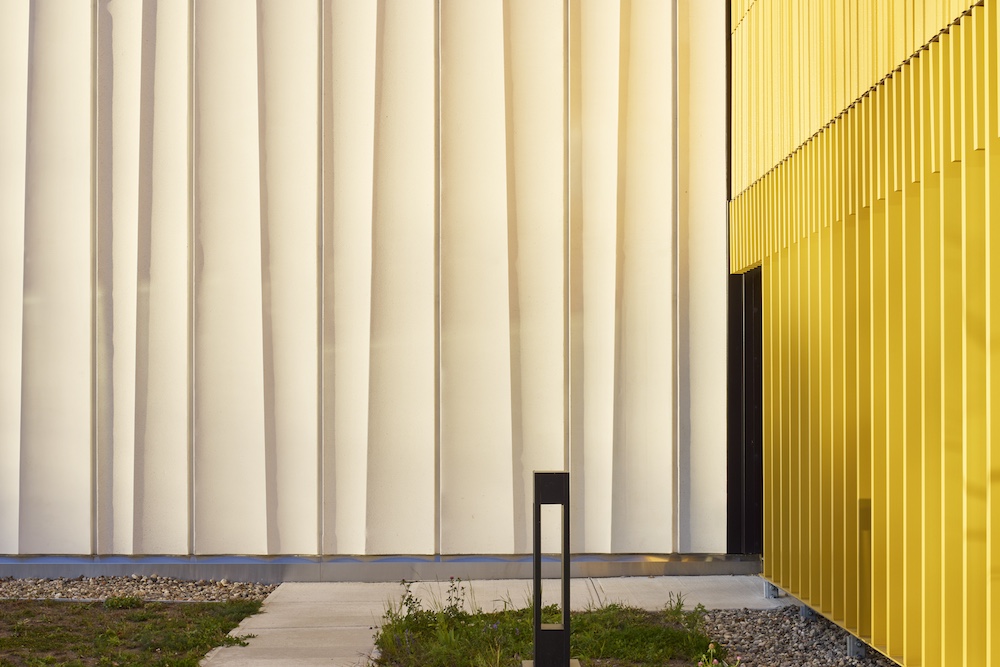
The purpose of the Parks Canada Collections and Curatorial Centre is to ensure the sustainable, long-term preservation and conservation of the approximately twenty-five million archaeological and historical artifacts which were previously stored in five separate sites across the country. This design, a joint venture between Moriyama Teshima Architects and NFOE Architects, not only provides modern climate control and protection, but also features a highly intuitive and engaging archival system for both researchers and the public at large.
Ontario Secondary School Teachers' Federation New Headquarters and Multi-Tenant Commercial Building
No items found.
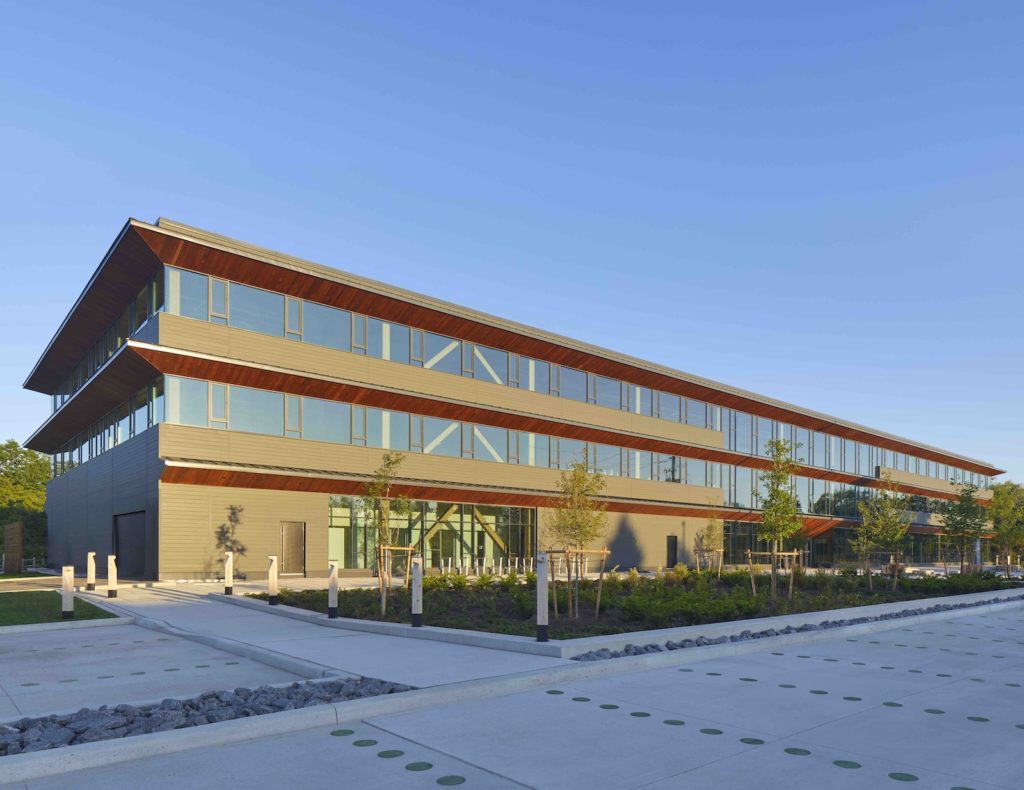
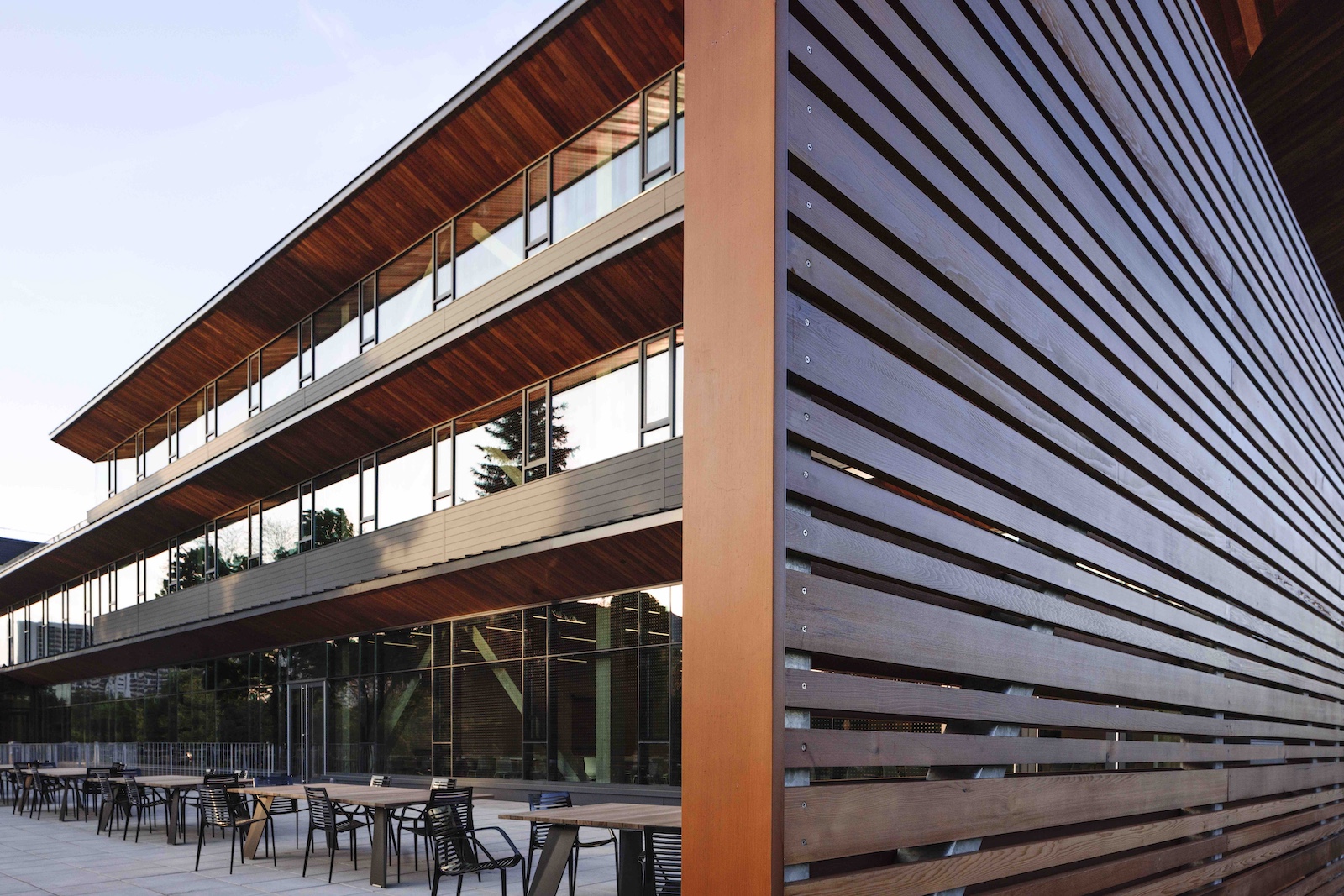
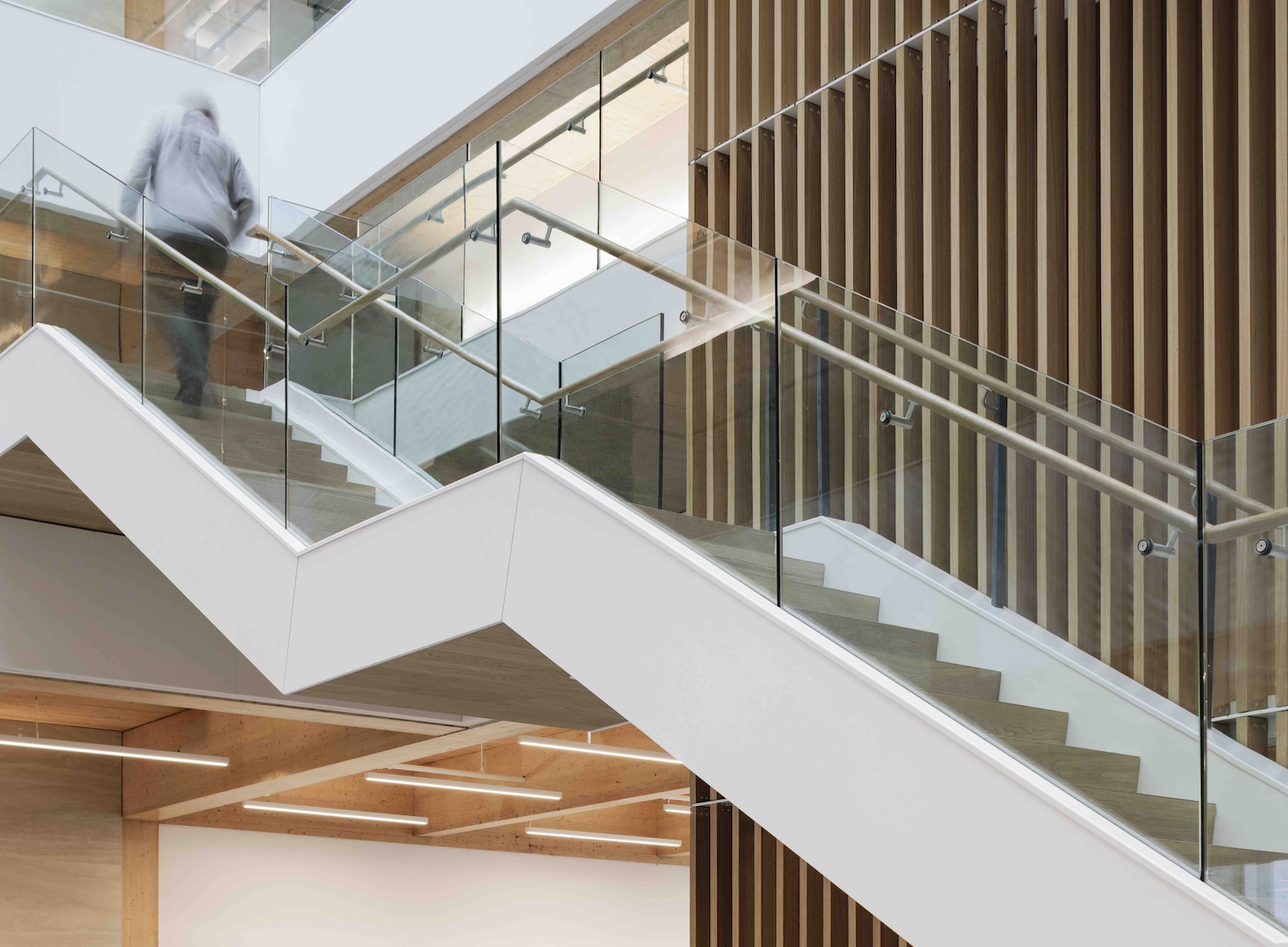
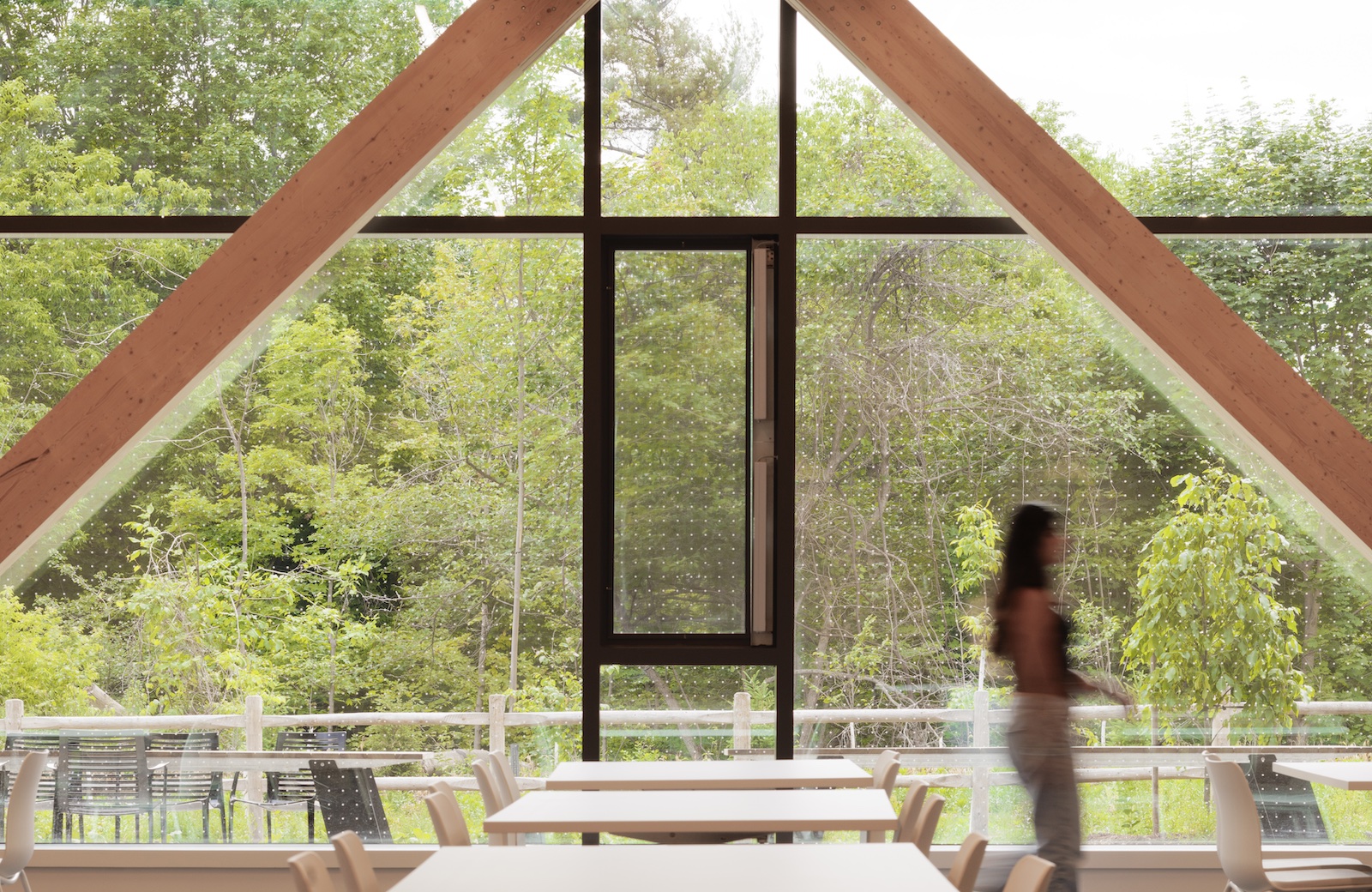
The Ontario Secondary School Teachers' Federation (OSSTF/FEESO) New Headquarters and Multi-Tenant Commercial Building, situated along Toronto's Don Valley ravine, is a progressive, three-storey, mass timber facility, which is a highly sustainable, financially viable, and innovative new workplace that uses net-zero carbon strategies, and targets LEED Platinum certification.
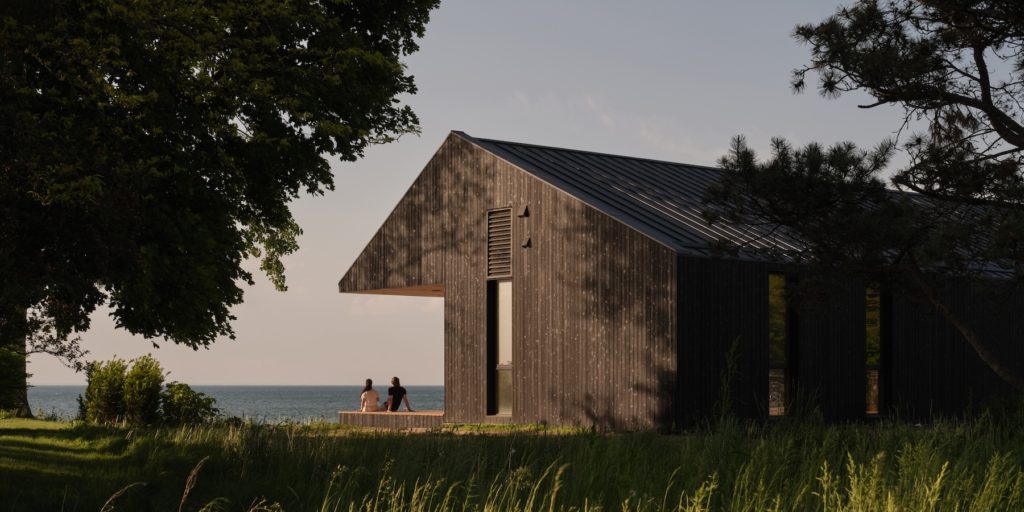
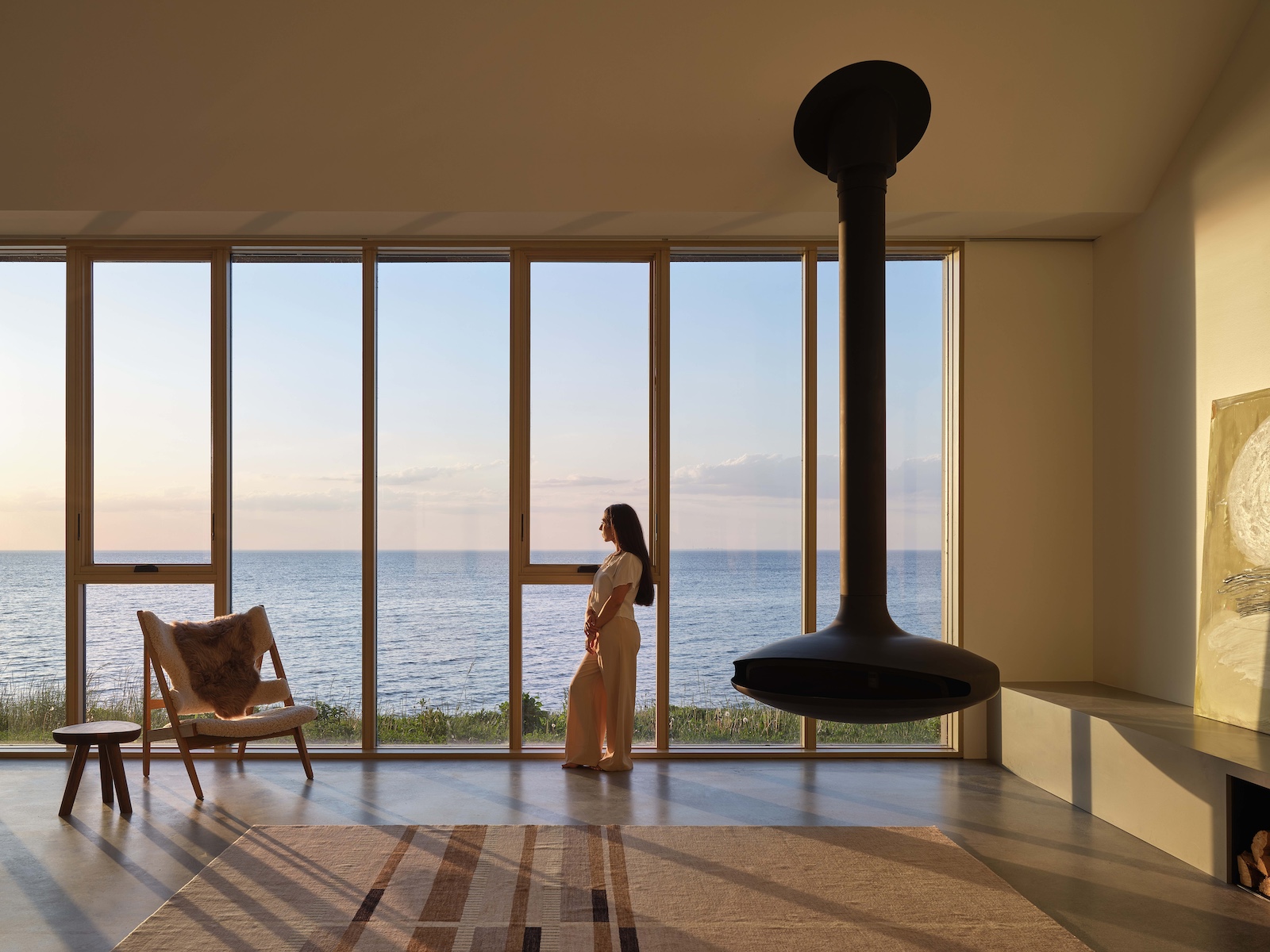
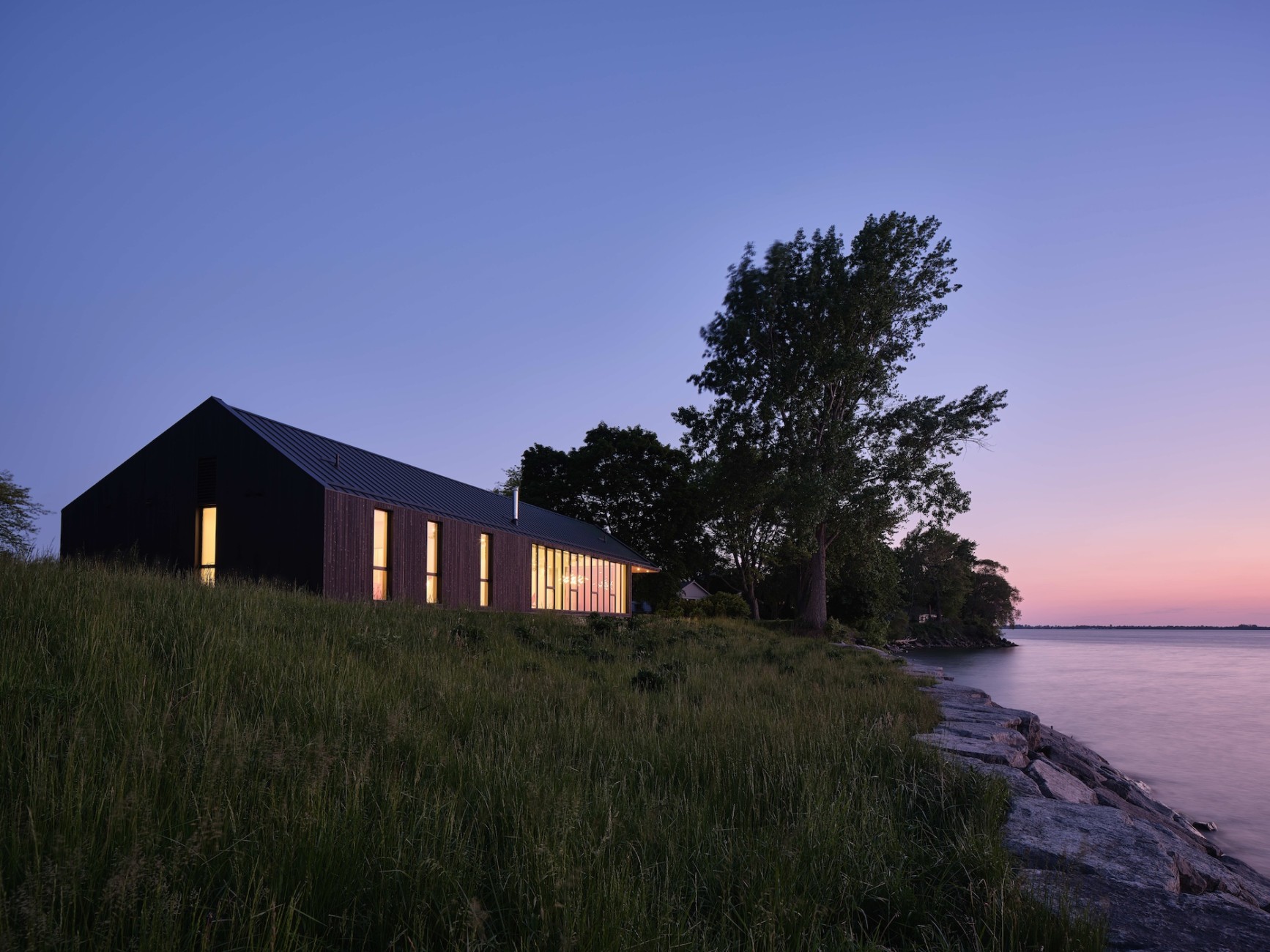
Infinity House
No items found.
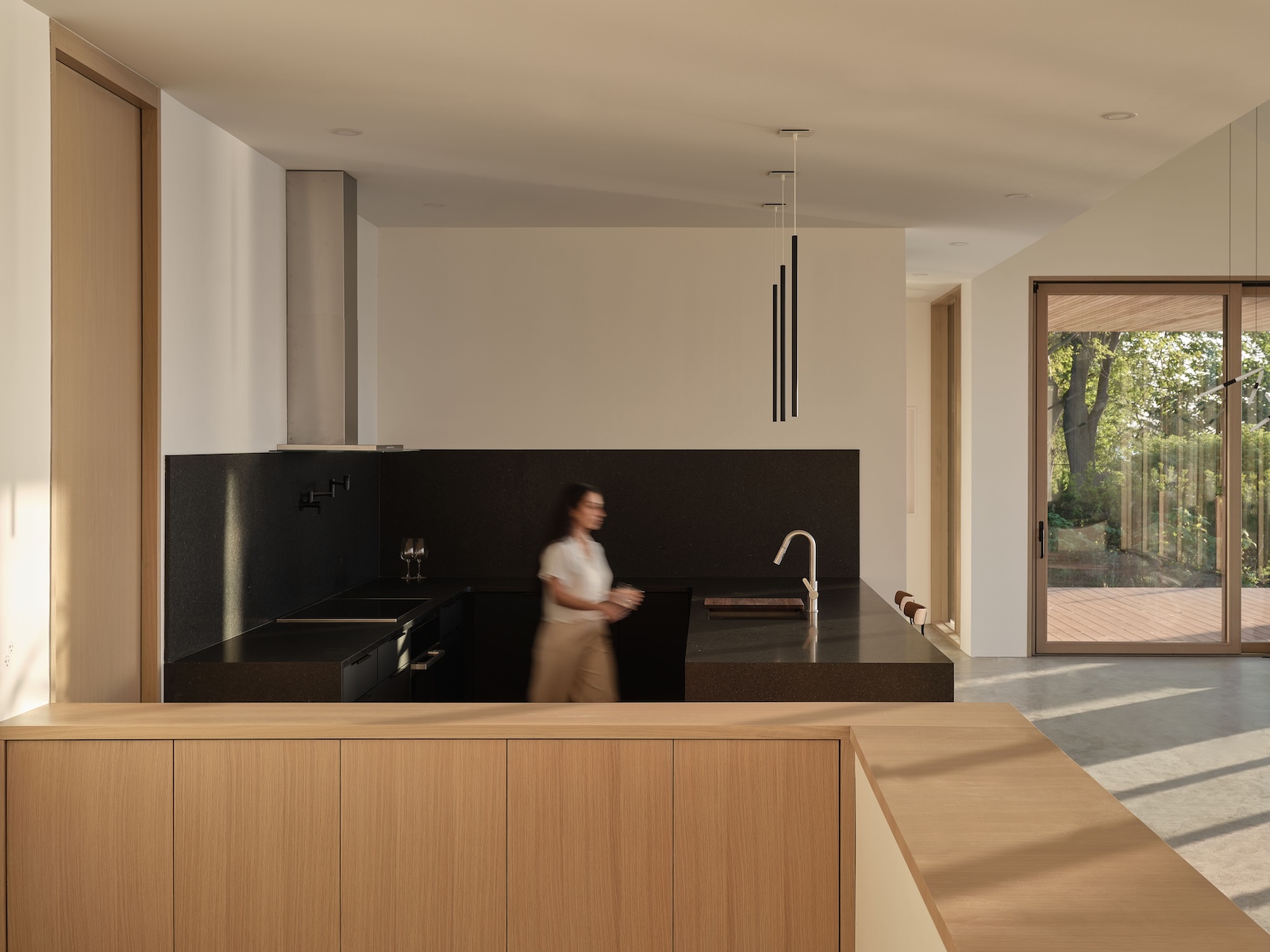
Designed as a "forever home" for a couple entering retirement after substantial careers, the Infinity House is intended to be a gathering place to bring together their family and friends. Thoughtfully crafted at every level, this custom-designed residence provides for an elegant lifestyle of comfort, while simultaneously accomplishing an unpretentious, modern design that respects the environment and architecturally celebrates the historically significant natural landscape of Niagara.
2023
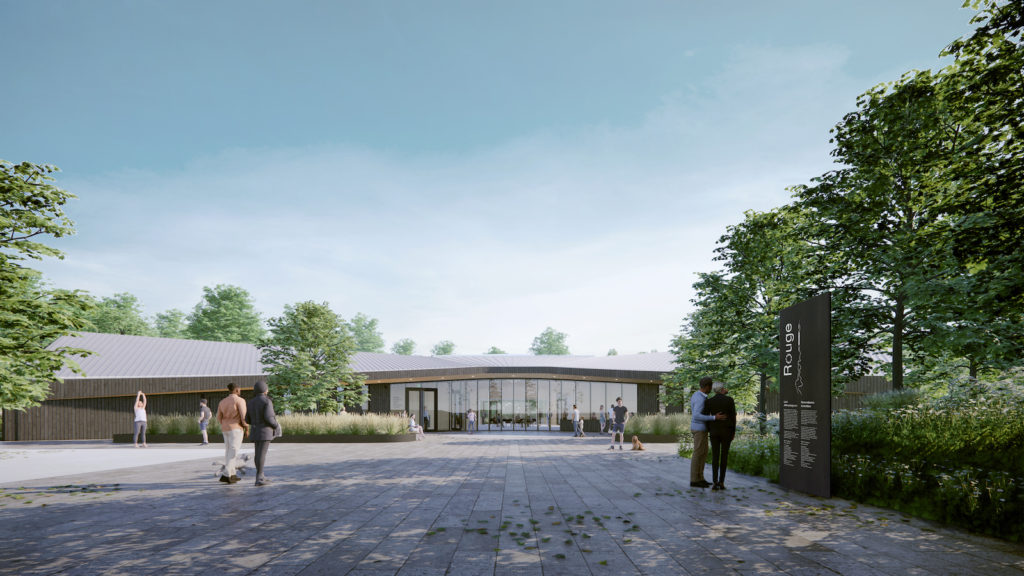
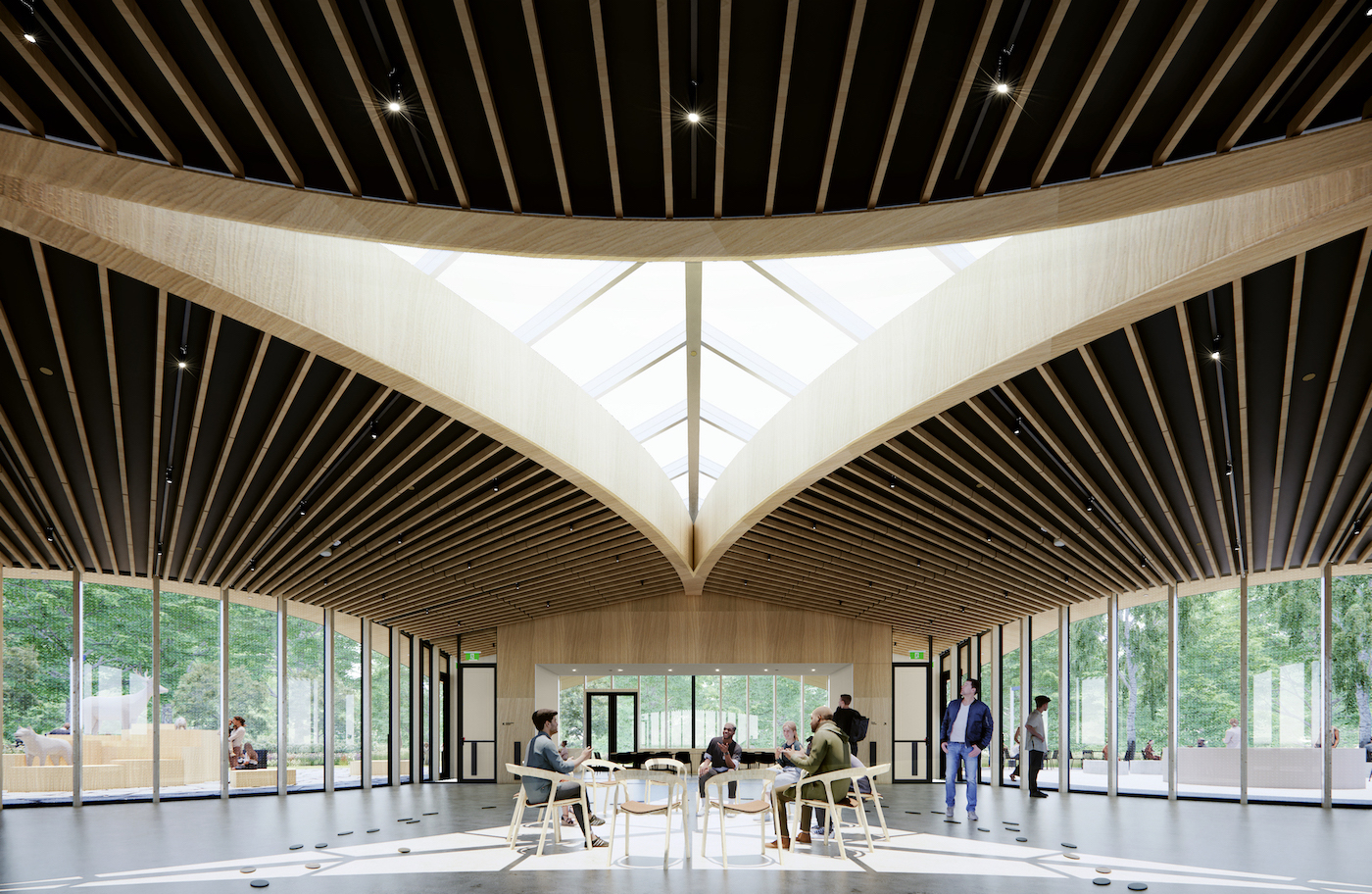
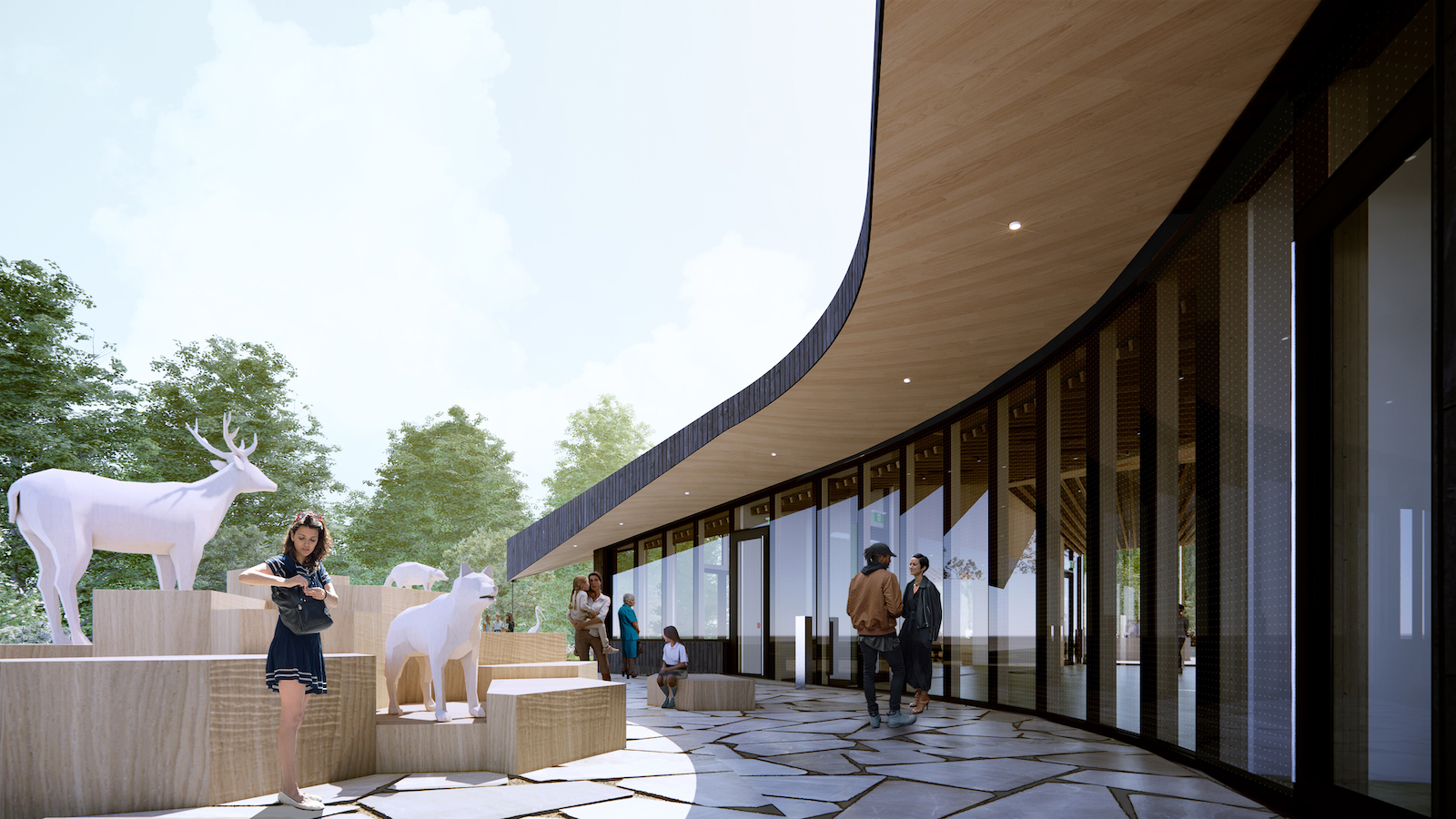
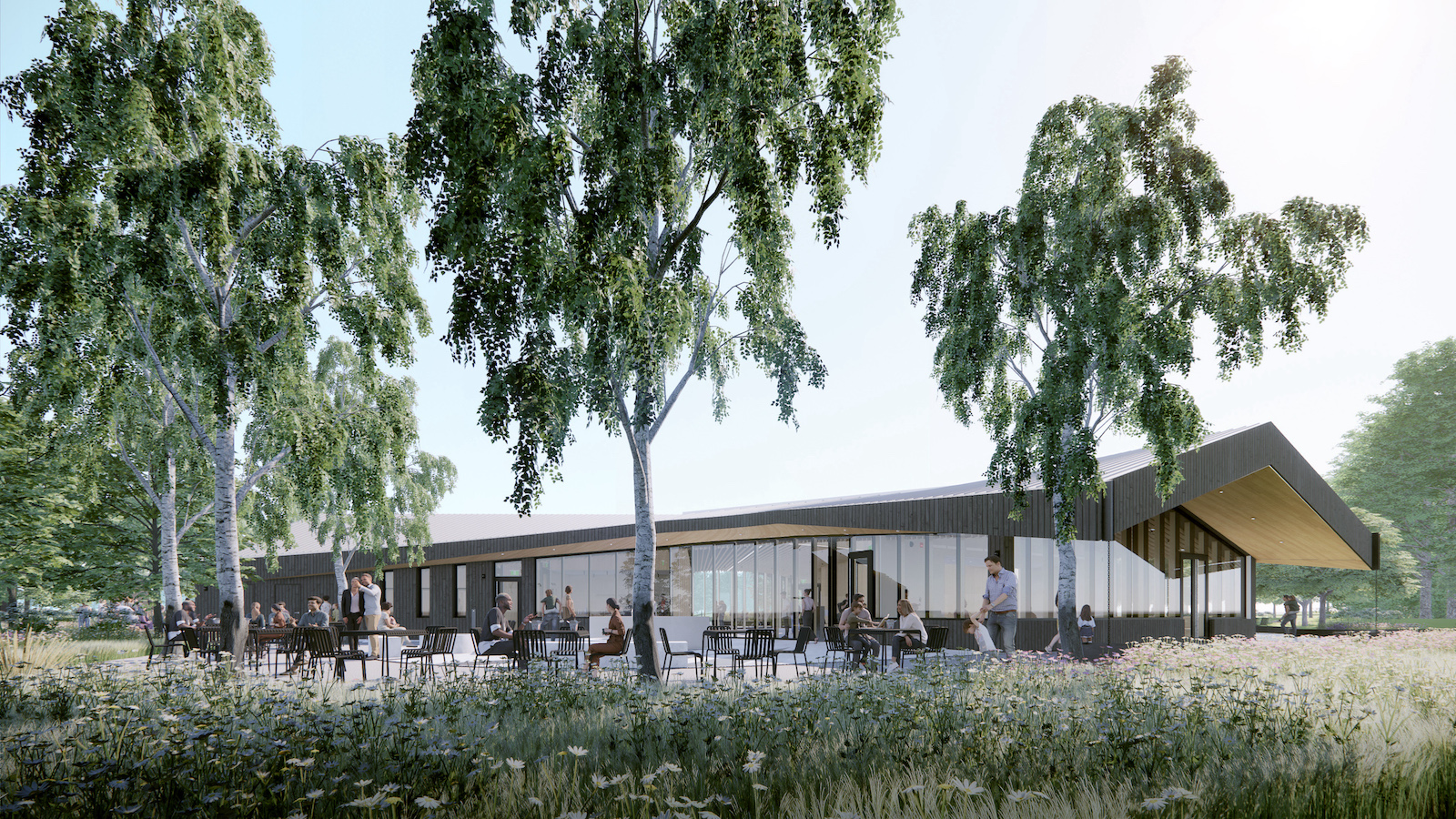
Rouge National Urban Park Visitor, Learning and Community Centre
No items found.
"The new Rouge National Urban Park (RNUP) Visitor, Learning, and Community Centre, a collaboration between Moriyama Teshima Architects, Six Nations of the Grand River-based Two Row Architect, and Ian Grey Studio, will serve as the park's primary welcome facility where visitors can learn about Rouge's natural, cultural, agricultural, and Indigenous heritage. This building will feature an environmentally sustainable design, enhanced accessibility, and significant collaboration with the RNUP First Nations Advisory Circle and community partners."
University of Guelph Honey Bee Research Centre
No items found.
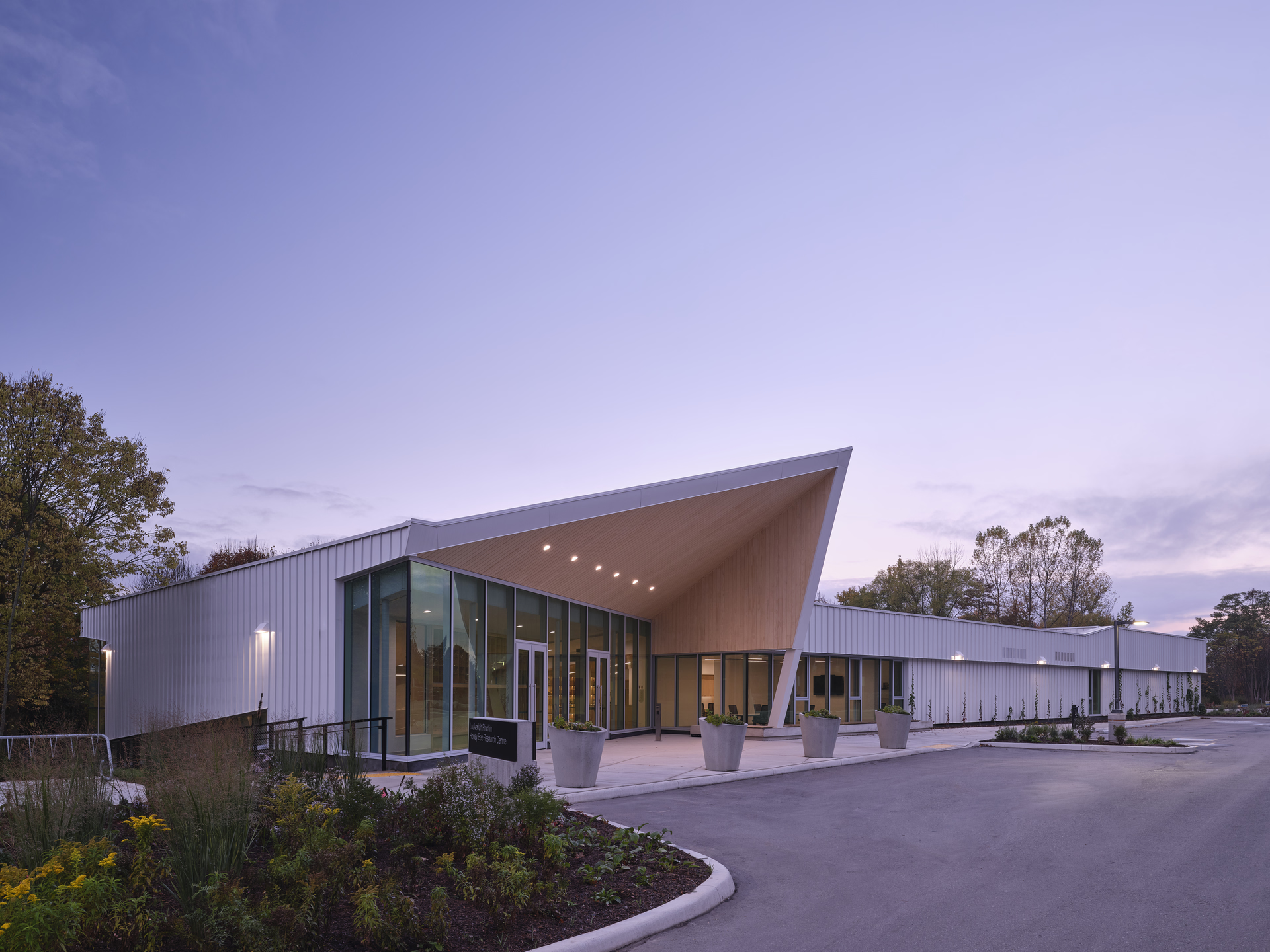
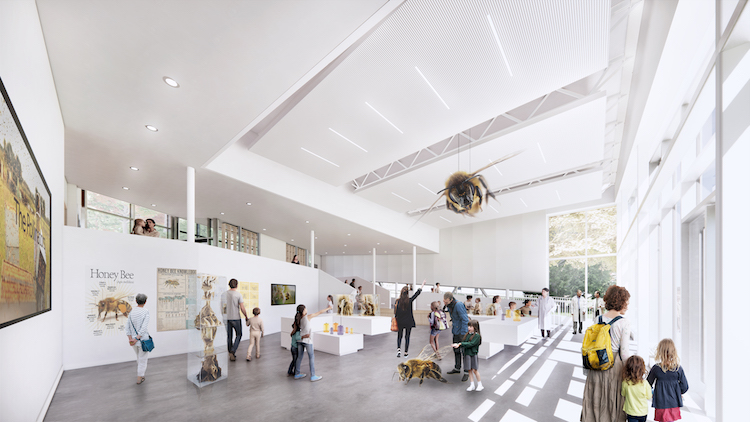
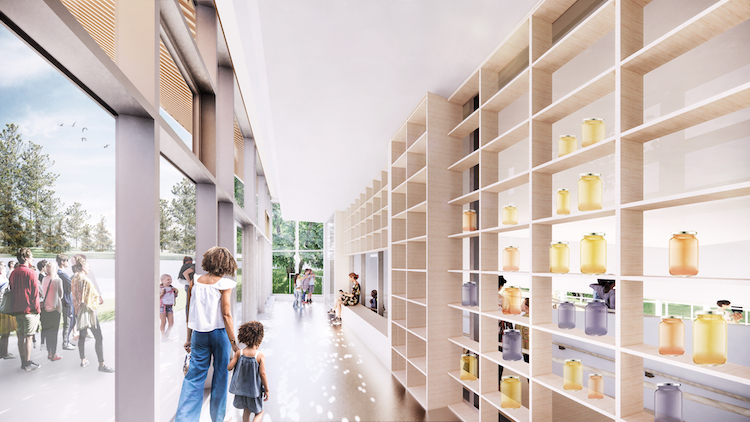
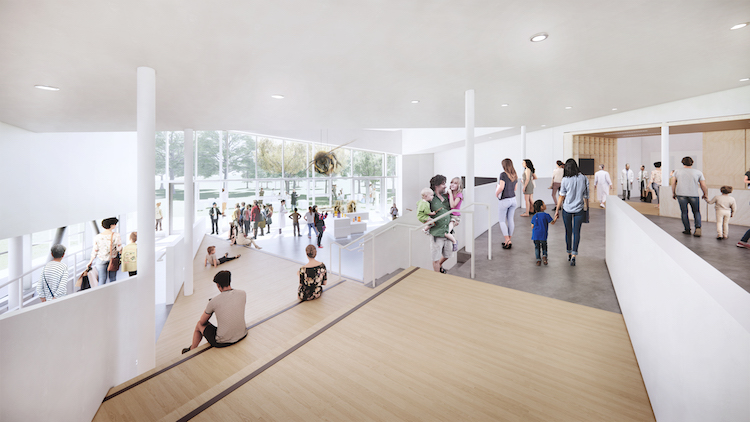
The new Honey Bee Research Centre (HBRC) at the University of Guelph, Ontario College of Agriculture will be an iconic, state-of-the-art research and event centre dedicated to honey bee health. Located within the university's botanical gardens, known as the Guelph Arboretum, the HBRC will be a living lab focused on research, education, discovery, and learning from one of nature's greatest architects --- the honey bees.
University of Waterloo Mathematics Building
No items found.
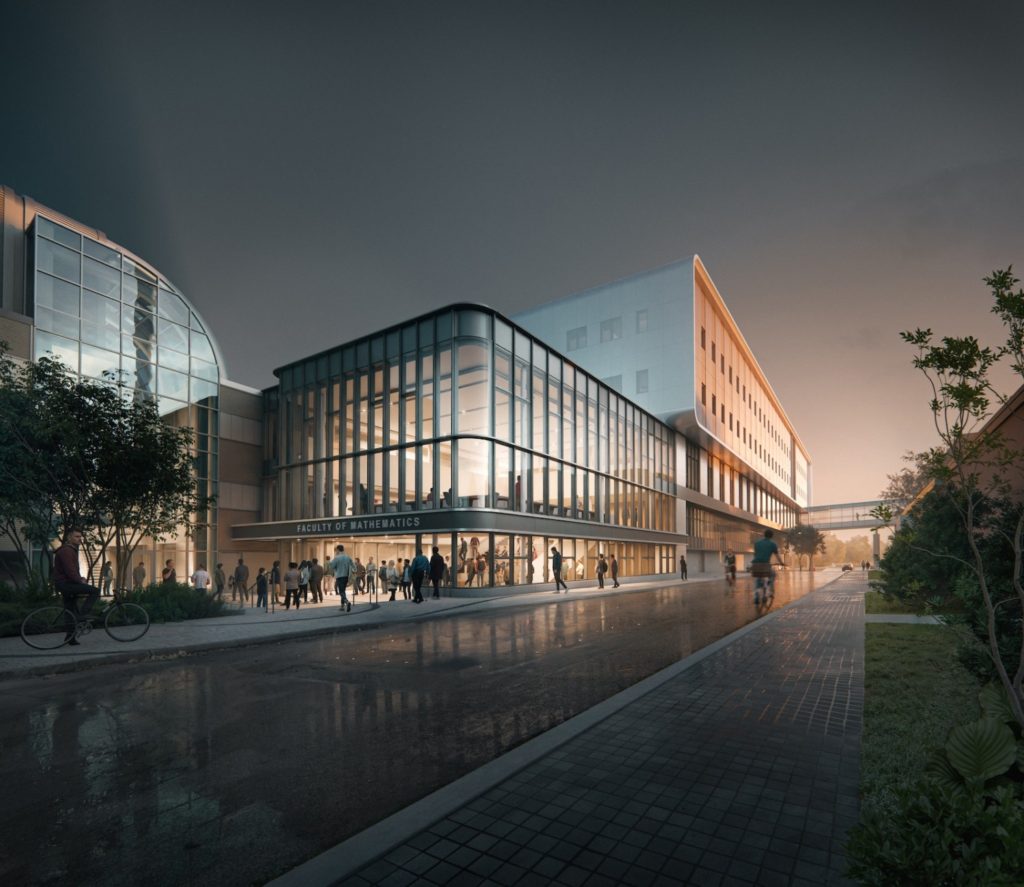
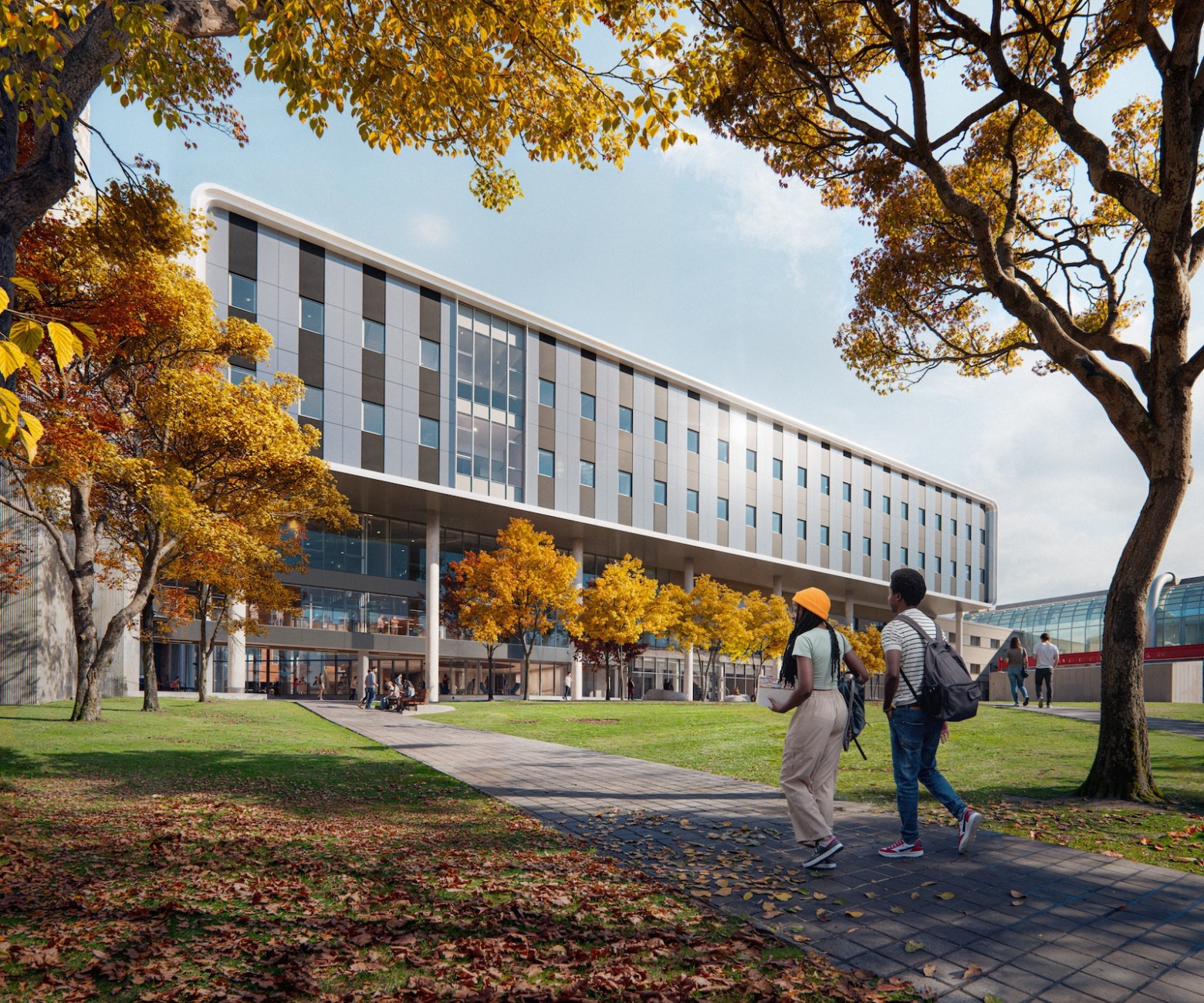
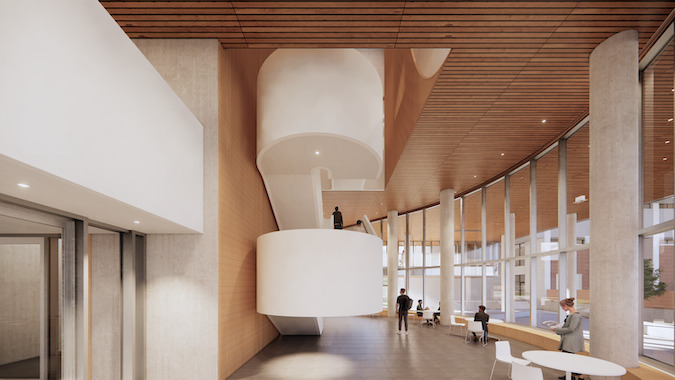
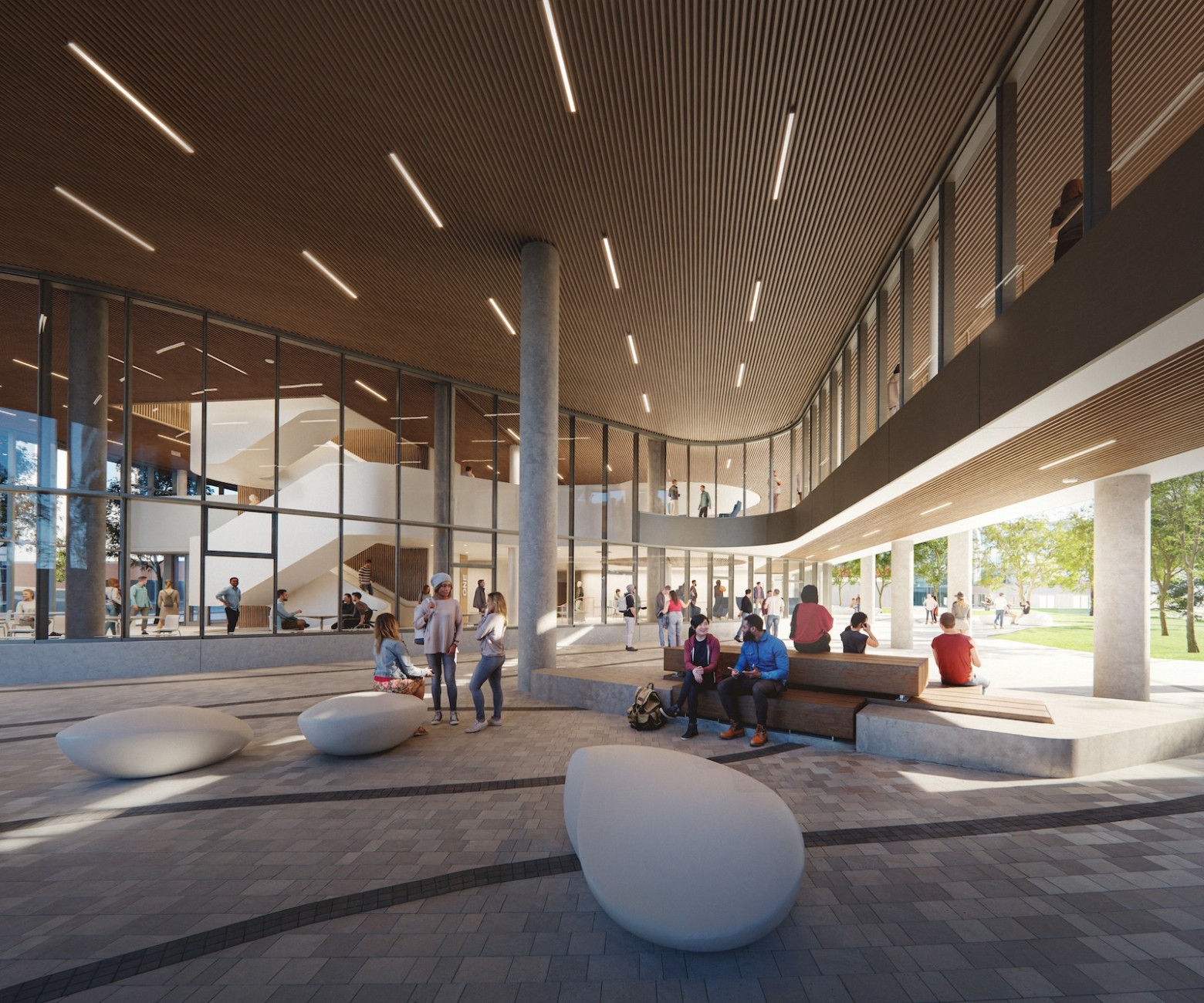
The University of Waterloo new Mathematics Building (Math4) will host research institutes in vital fields such as fintech, data science, and cryptography, and will feature classrooms and collision spaces to encourage interaction. MTA worked with Two Row Architect as an Indigenous co-designer to incorporate appropriately themed elements into the architecture -- weaving Indigenous stories, narratives, and design elements along with mathematical concepts.
NSCAD University Port Campus Revitalization
No items found.
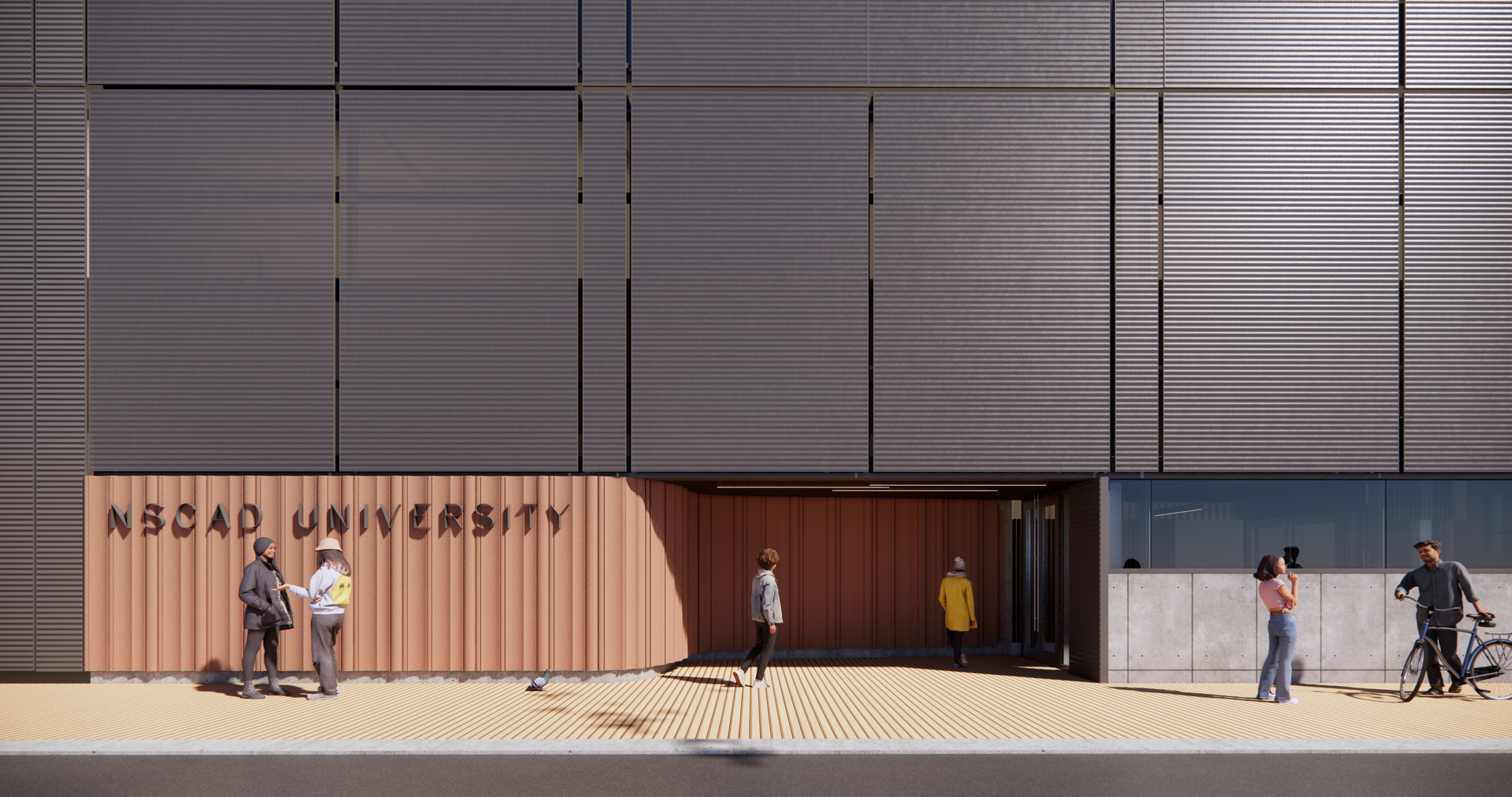
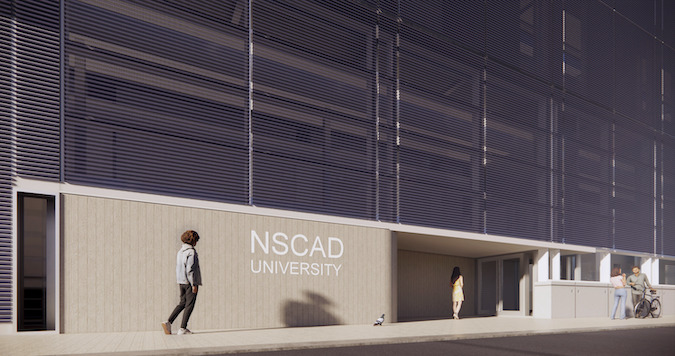
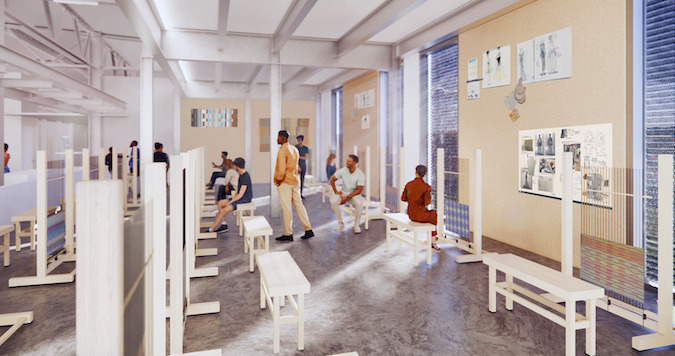
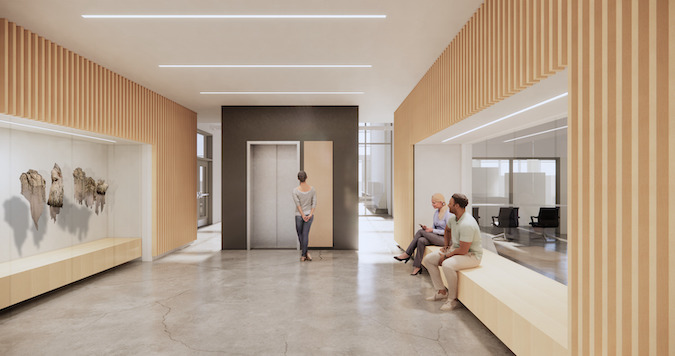
The Port Campus of NSCAD University is undergoing a transformational revitalization that will optimize space utility, improve building accessibility and sustainability, and help create a rich, positive experience for all members of its academic community.
Ottawa Police Services South Campus Phase 1

No items found.
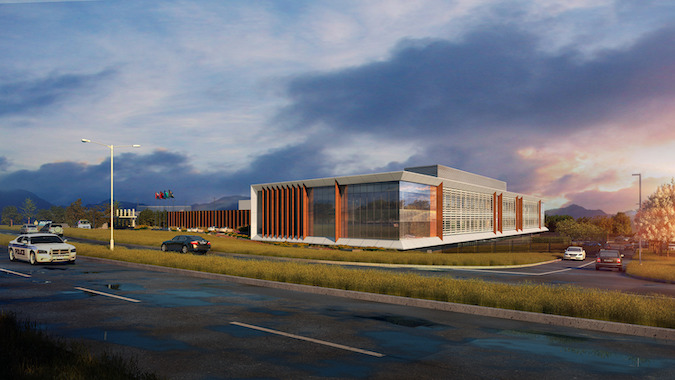
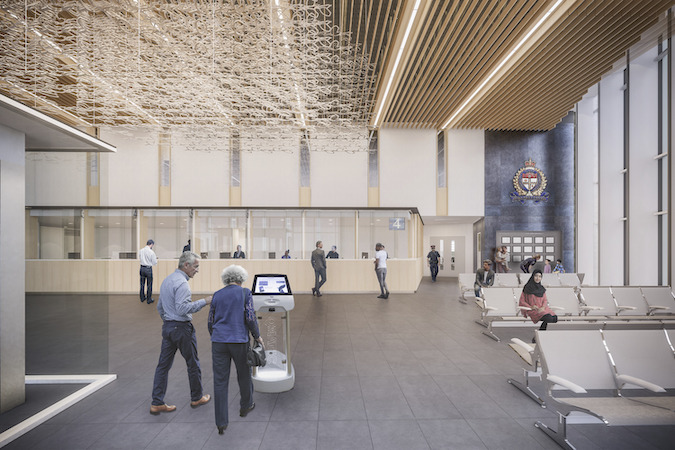
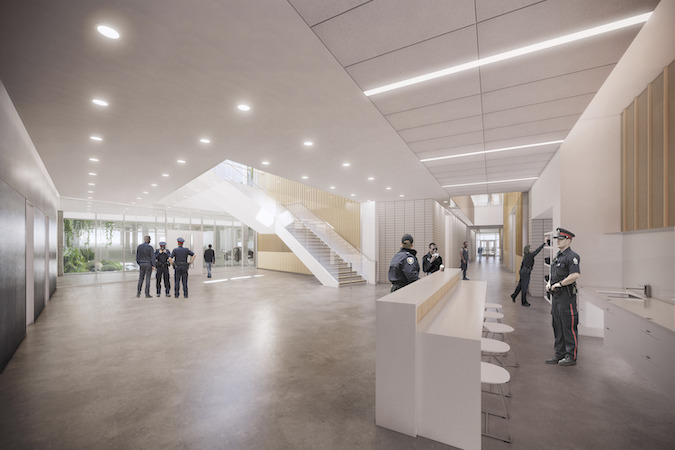
The South Facility Phase 1 project is a new police facility meant to centralize operations and replace several older facilities that will be decommissioning. The client mandate for the facility was to accommodate a variety of Front Line, Specialized Units, a Communications Centre, administrative offices and special function vehicles in a highly flexible building with 24/7 operations with extensive building services redundancy provisions.
The Awitgati Longhouse and Cultural Centre

No items found.
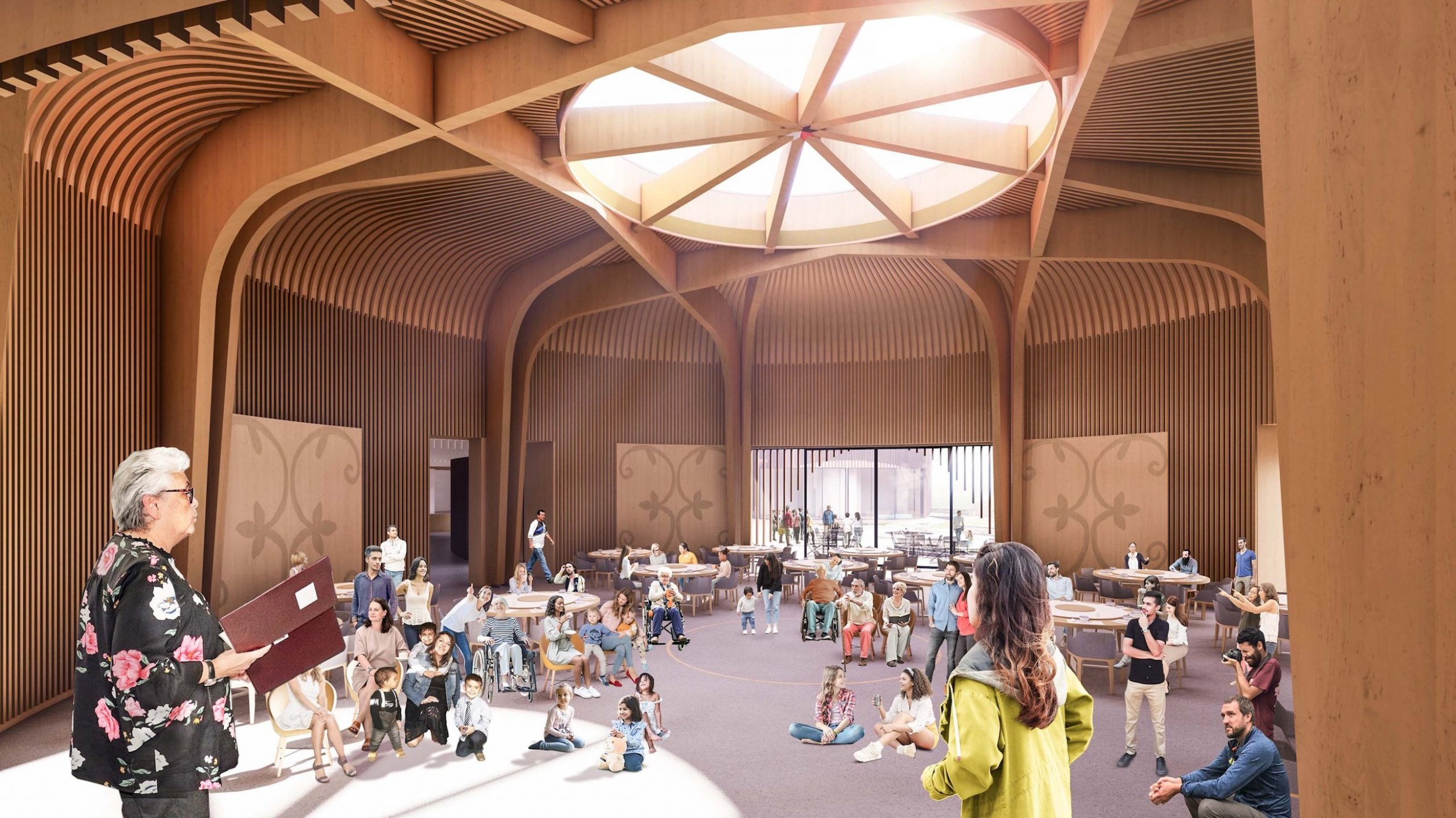
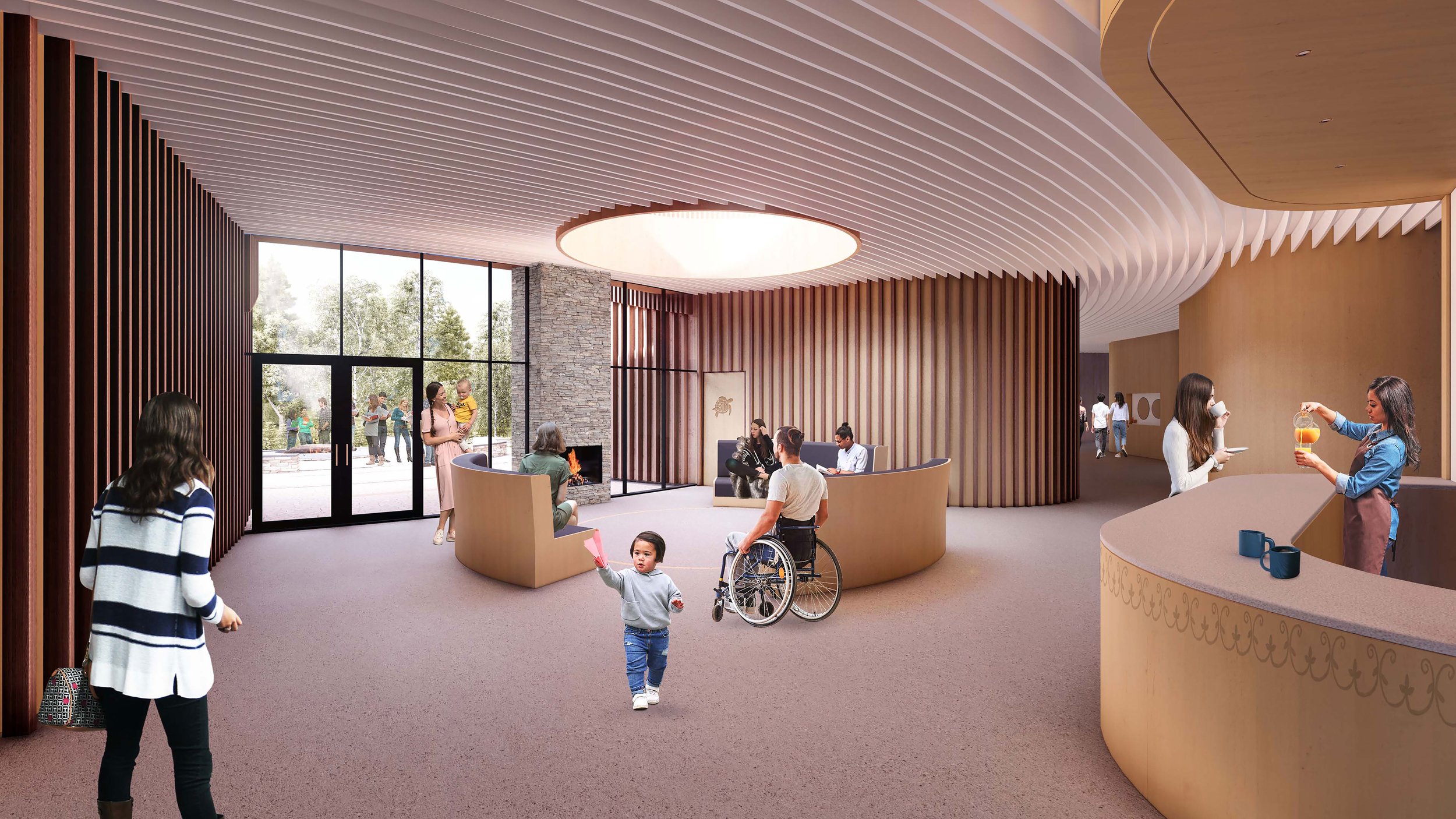
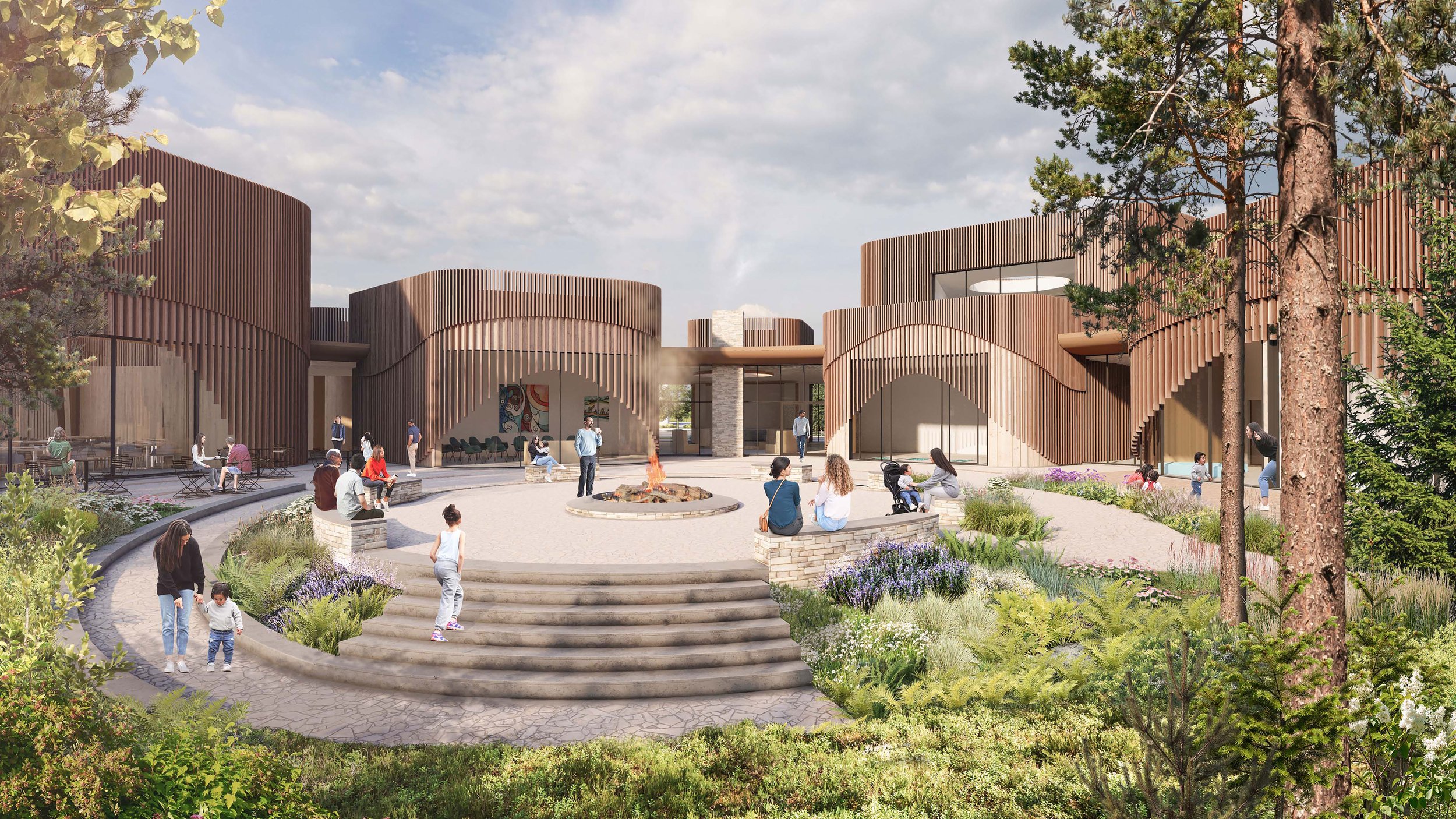
Fathom Studio in a joint venture with Moriyama Teshima Architects, have been selected to design the Awitgati Longhouse and Cultural Centre for Under One Sky, a facility that will celebrate Indigenous peoples and culture while providing community-oriented programming in health, education, arts, culture, and events. Under One Sky is a registered non-profit organization providing programs and services, educating, advocating for, and empowering a healthy and proud Indigenous community.
Canadian Port of Entry Facilities at the Gordie Howe International Border Crossing
No items found.
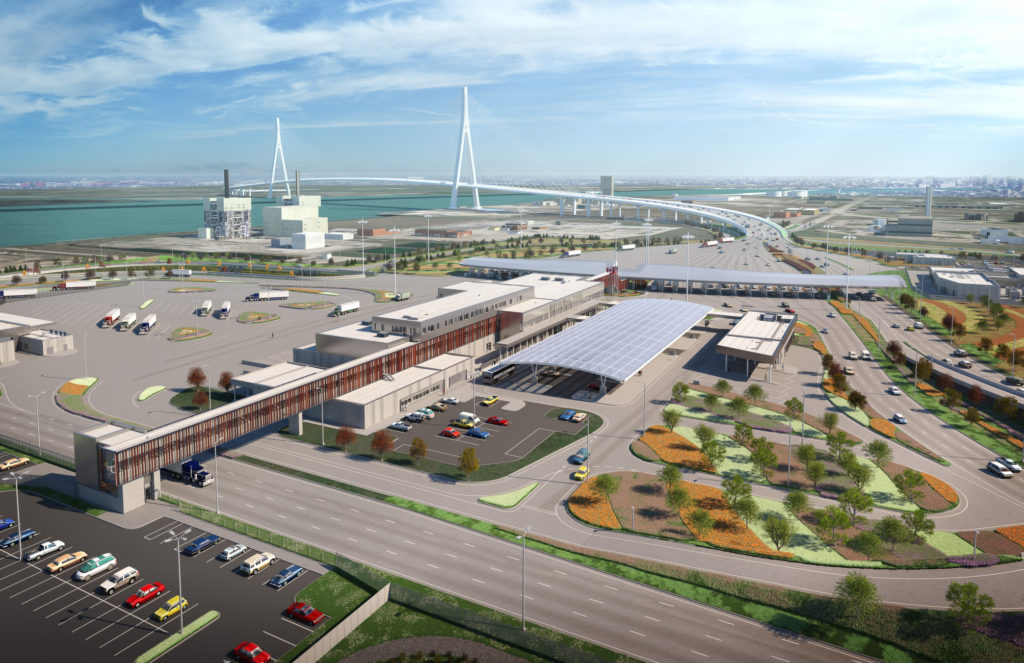
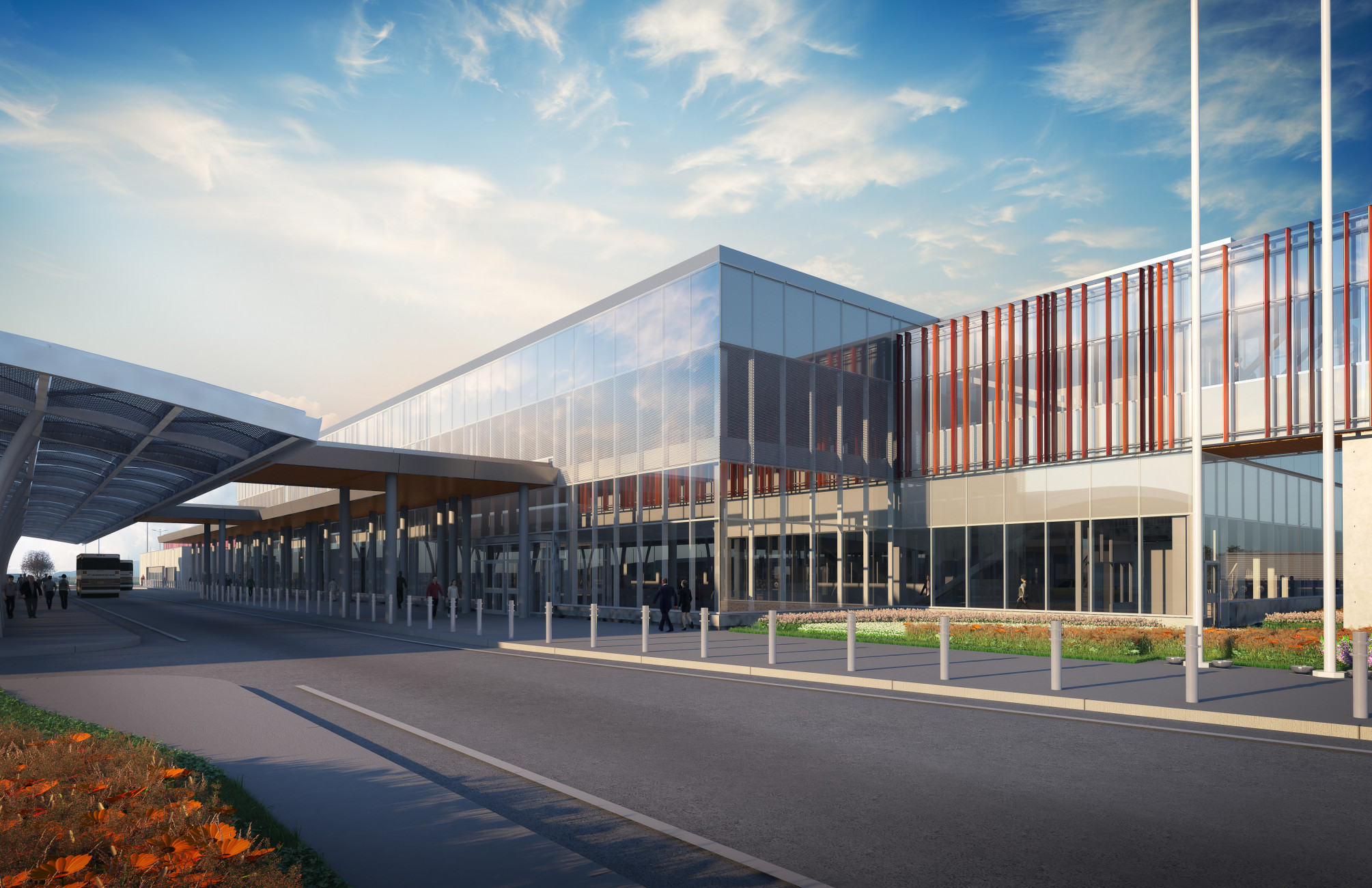
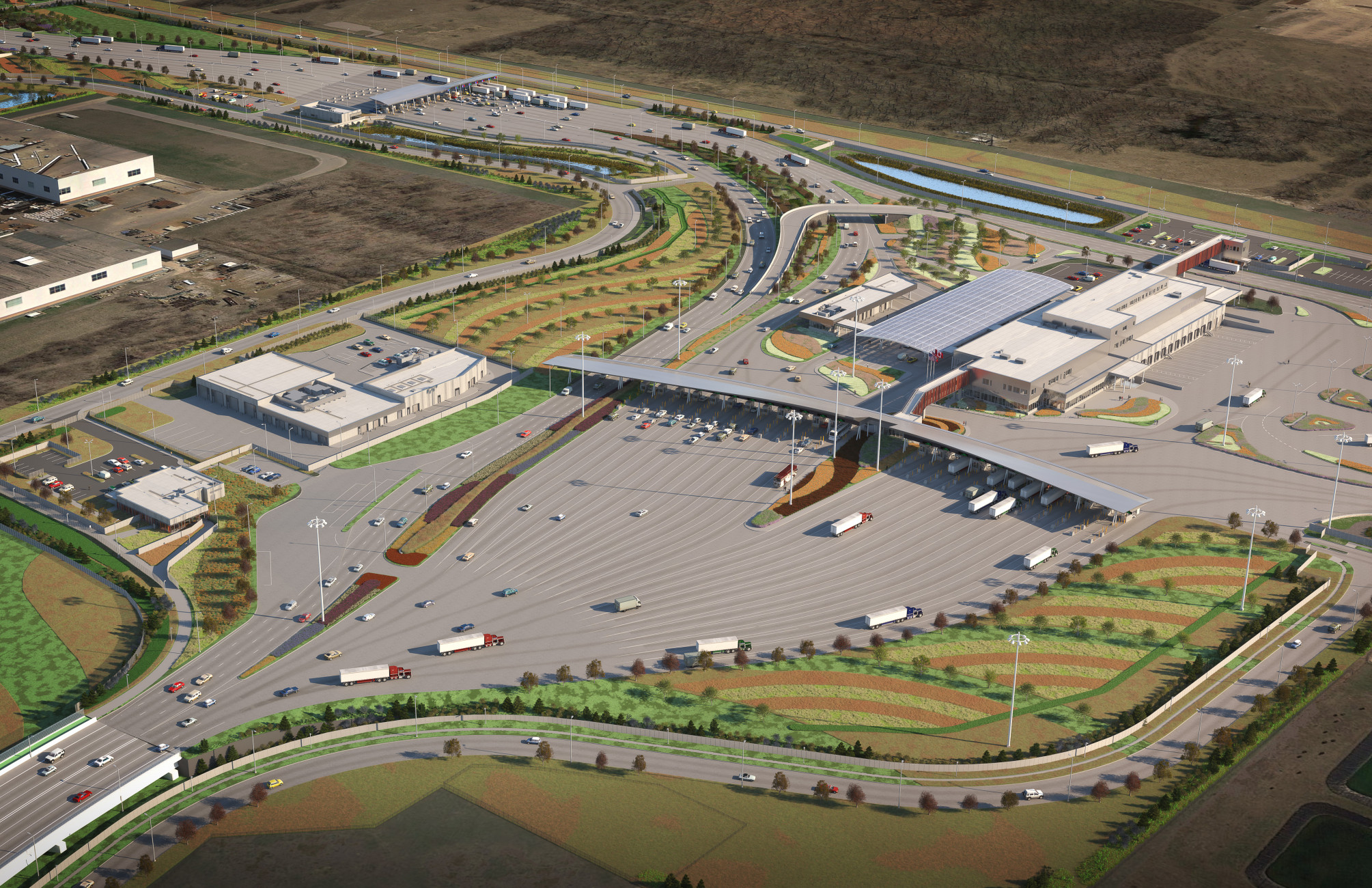
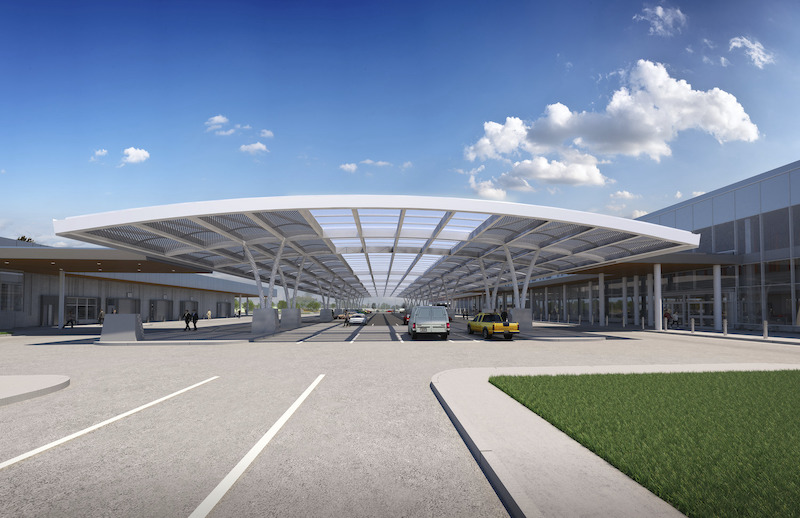
Moriyama Teshima Architects is the Architect of Record for the Canadian Port of Entry (POE) facilities at the Gordie Howe International Border crossing in Windsor, Ontario, leading the design effort of the consultant team for nine buildings. Once constructed, this will be the largest border crossing along the Canada-US border, and one of the largest in North America.
West Memorial Building Rehabilitation
No items found.
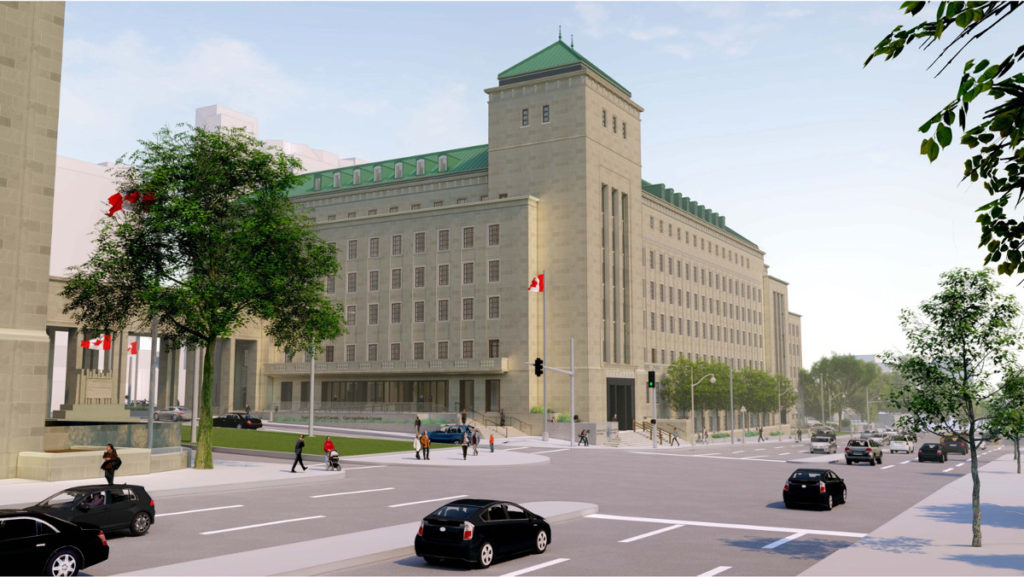
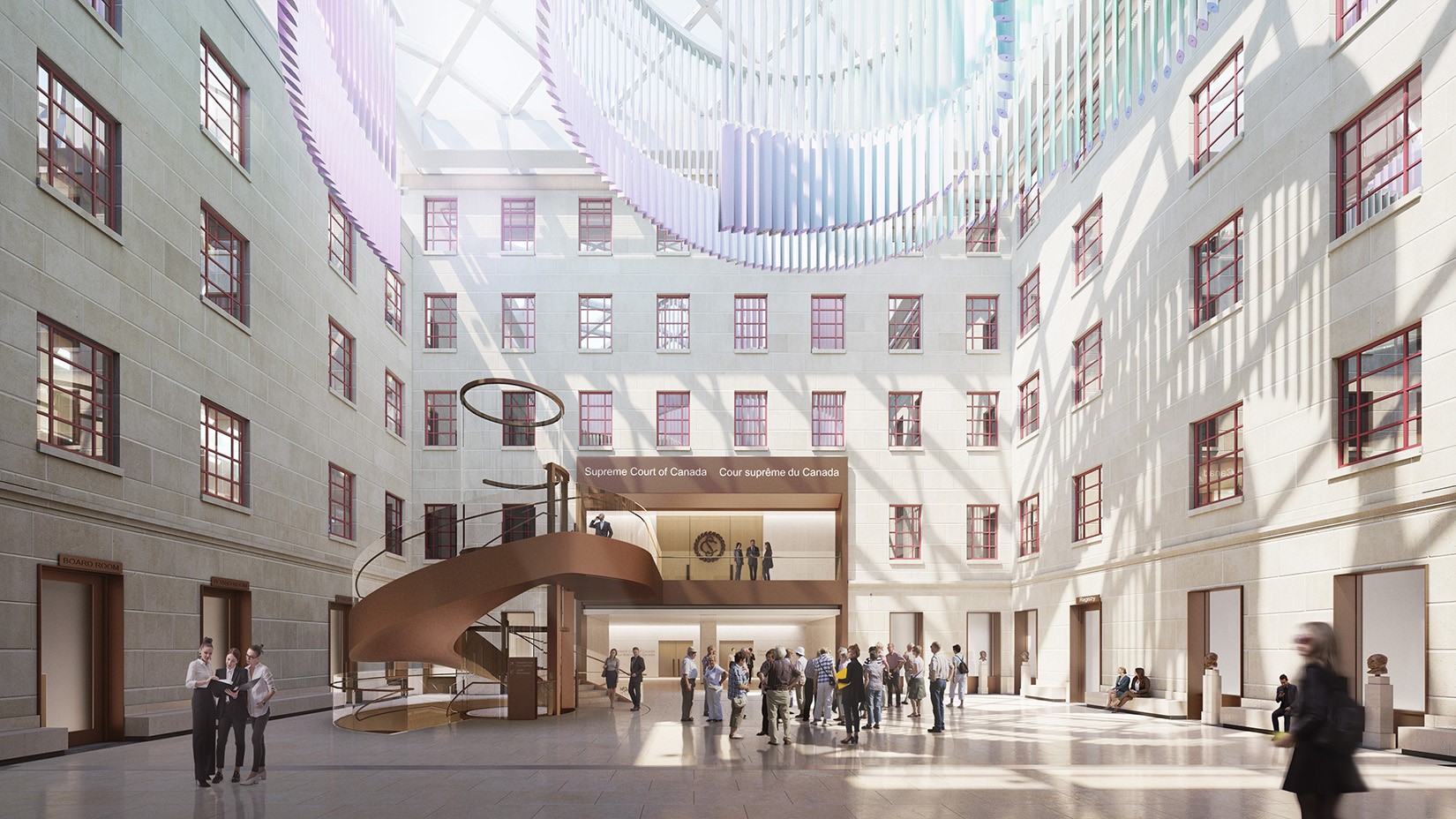
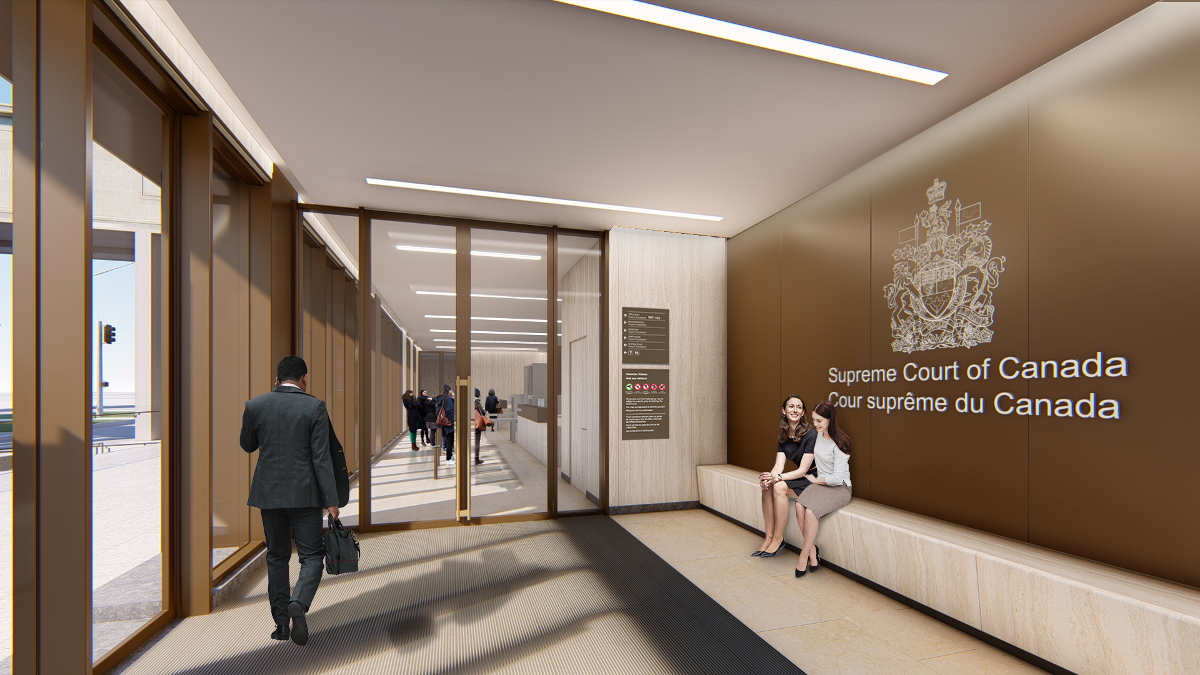
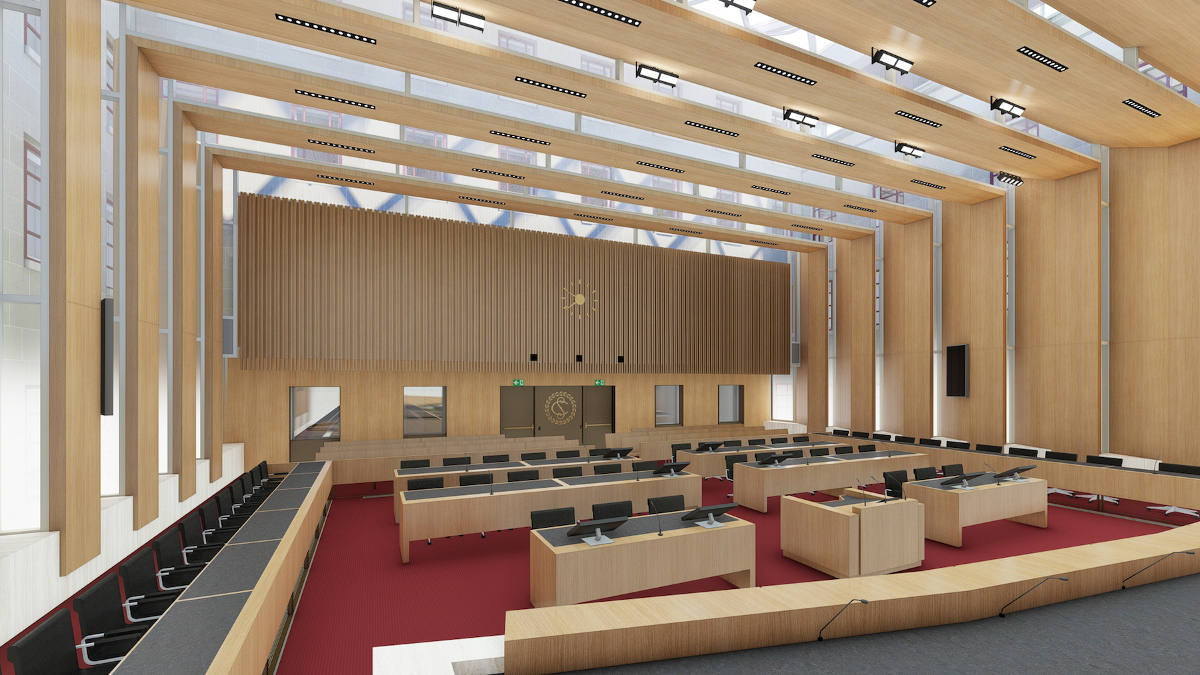
The West Memorial Building project is a major rehabilitation of a Classified Federal Heritage Building located in the downtown core of Ottawa. While the long-term use of the building will be for Government of Canada offices, the short-term fit-up is for the Supreme Court of Canada and Court Administration Services. The rehabilitation includes a complete masonry restoration, structural and seismic upgrades throughout, new base building systems and tenant fit-up.
Makwa Waakaa'igan Indigenous Centre of Cultural Excellence
No items found.
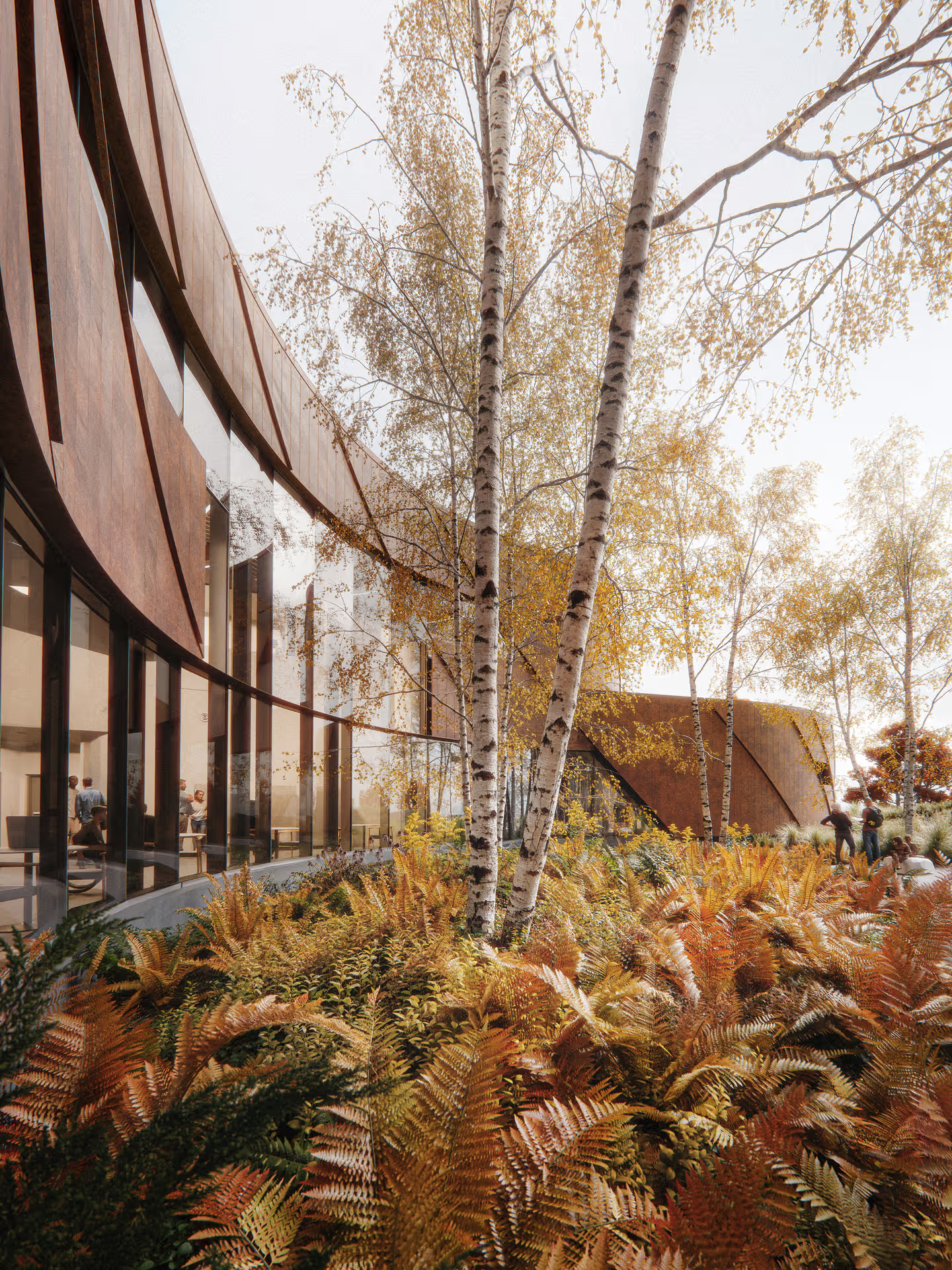
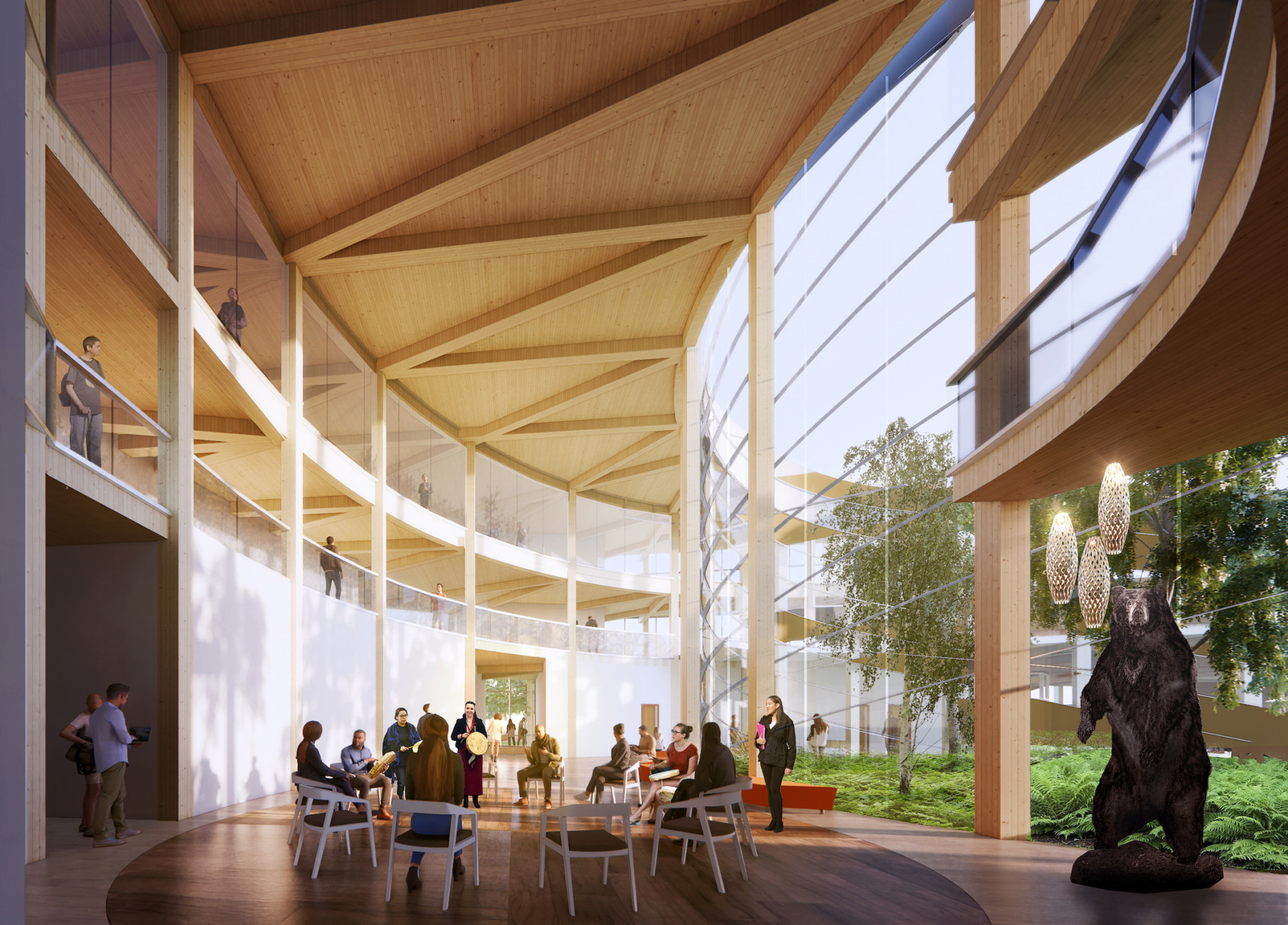
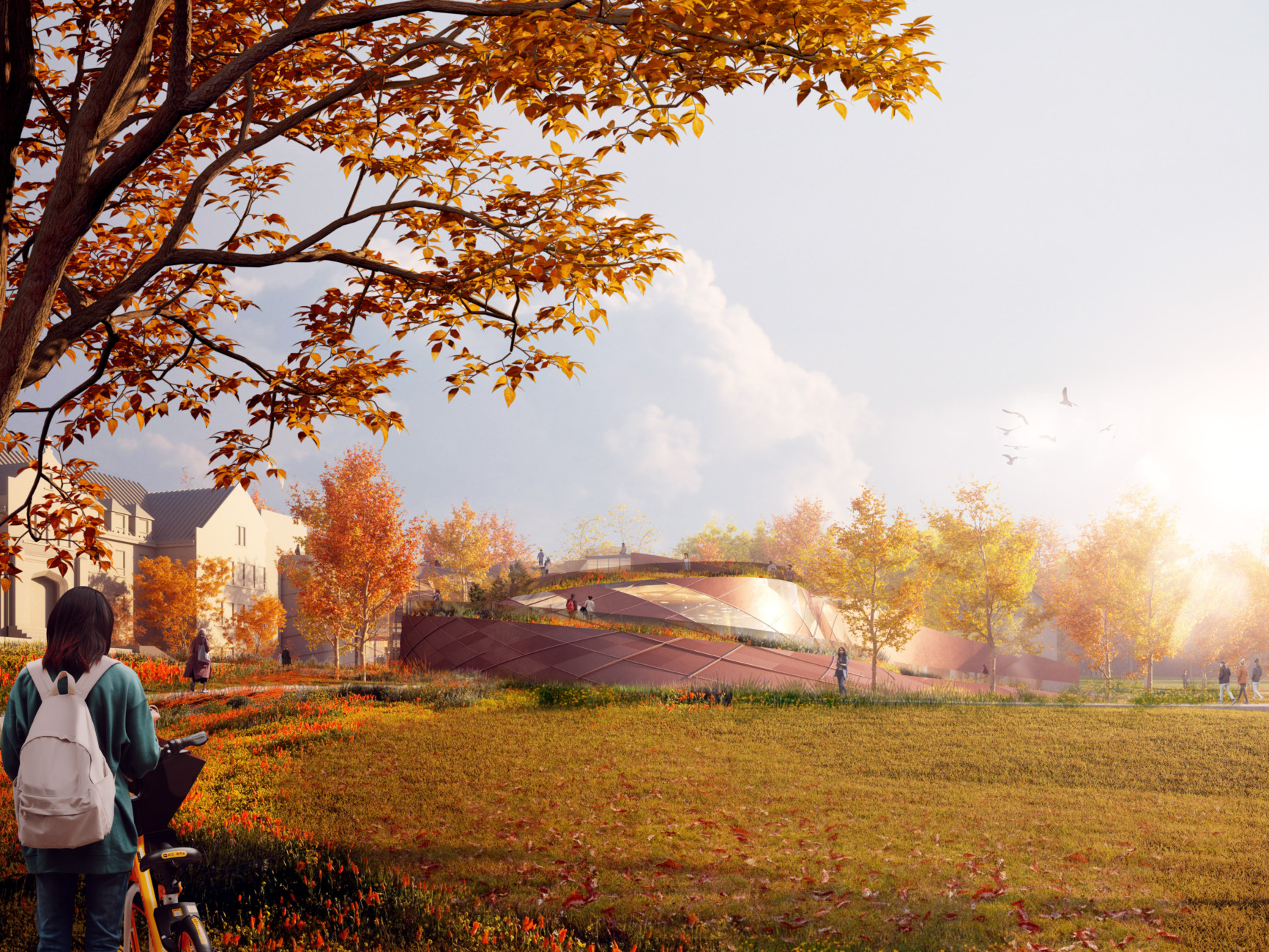
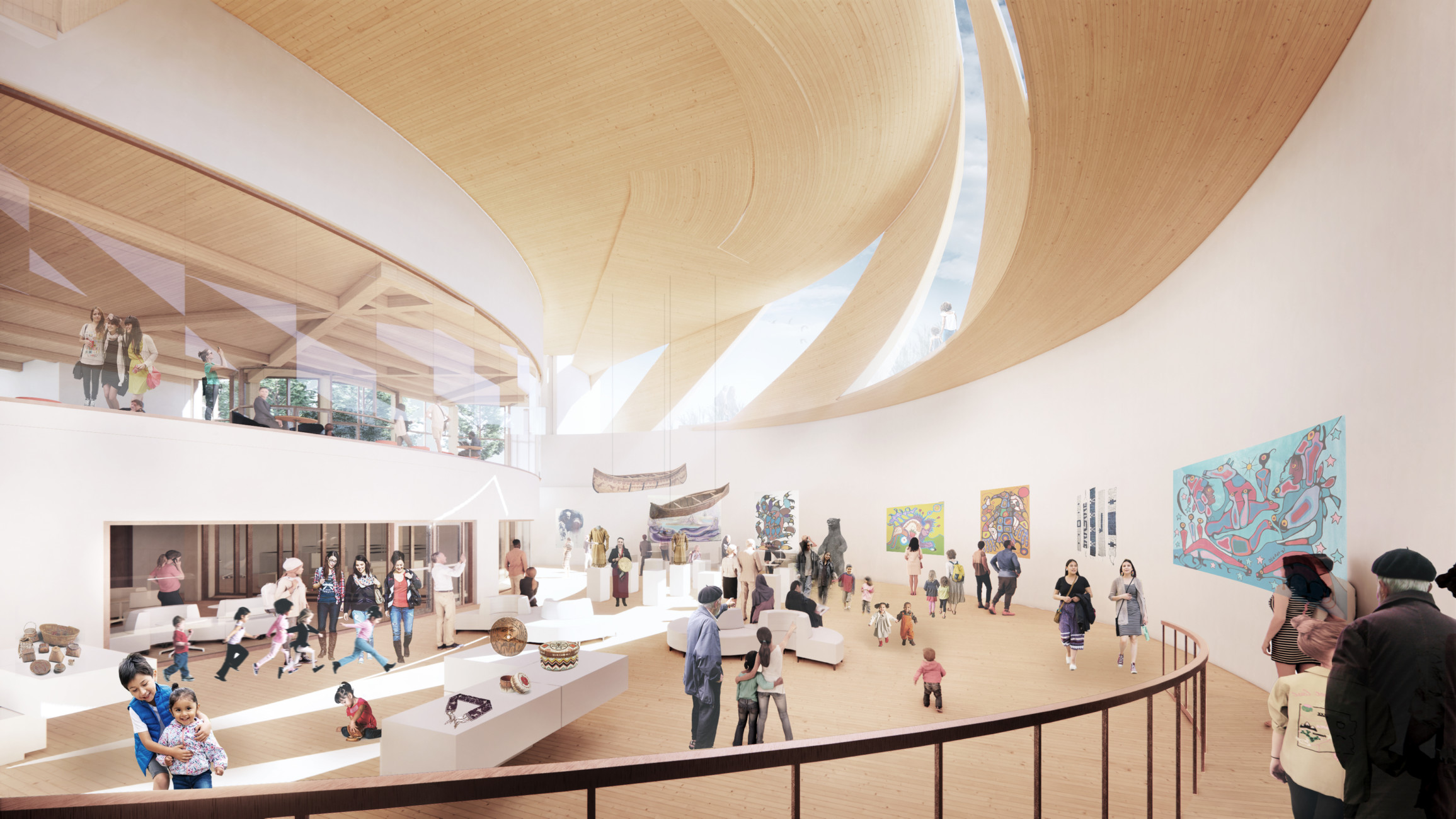
A new heart for Algoma University in Sault Ste. Marie, Ontario, the design of Makwa Waakaa'igan Indigenous Centre of Cultural Excellence intends to provide a safe space, welcoming visitors from across the globe to engage with and learn from Indigenous heritage. The architectural design has been articulated through consideration of Indigenous teachings, from building form to material selection.
2022
Makwa Waakaa'igan Indigenous Centre of Cultural Excellence Wins the Canadian Architect Award of Excellence
No items found.
Sheridan College Hazel McCallion Campus Student Centre (Phase 2A)
No items found.
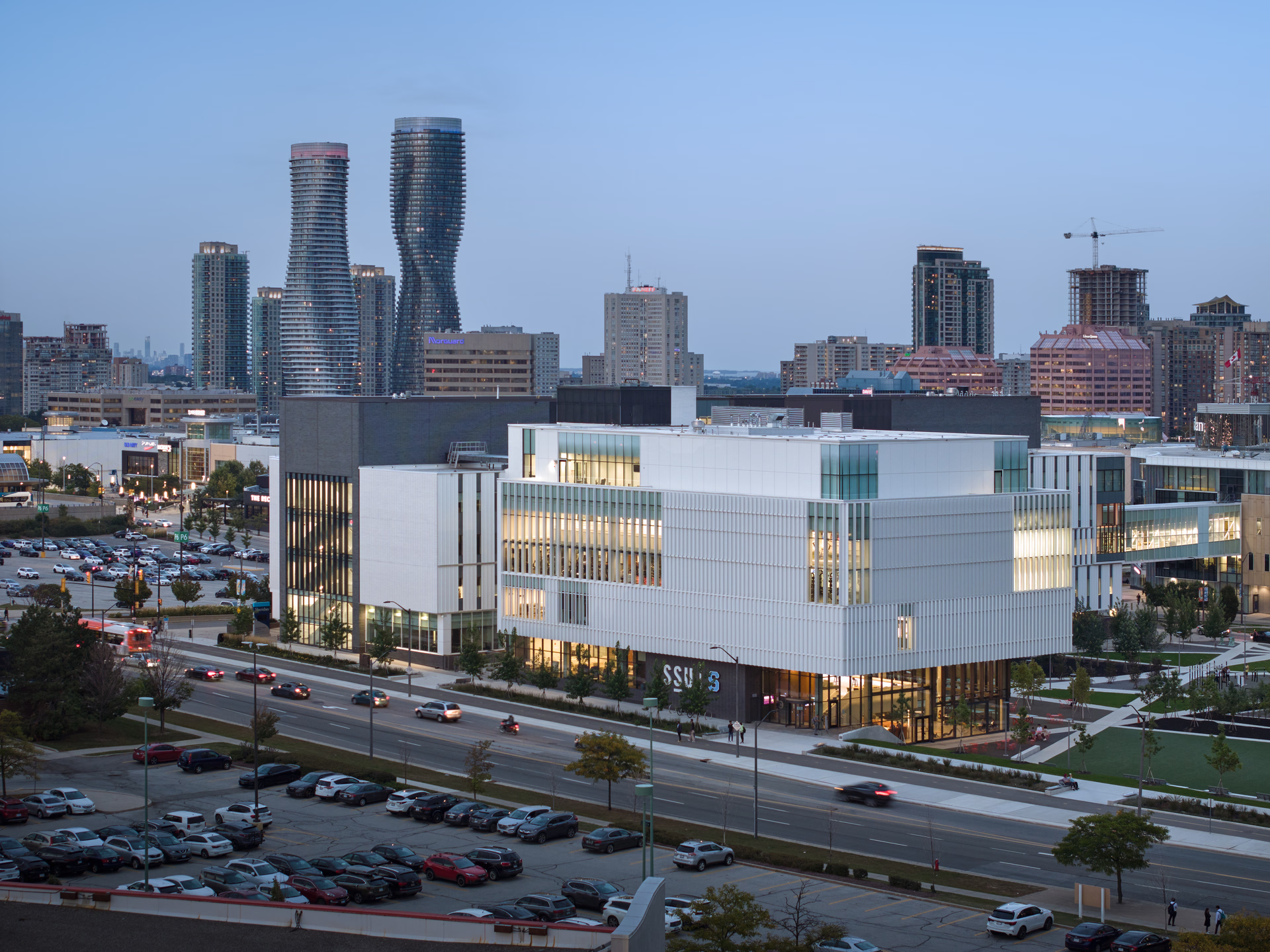
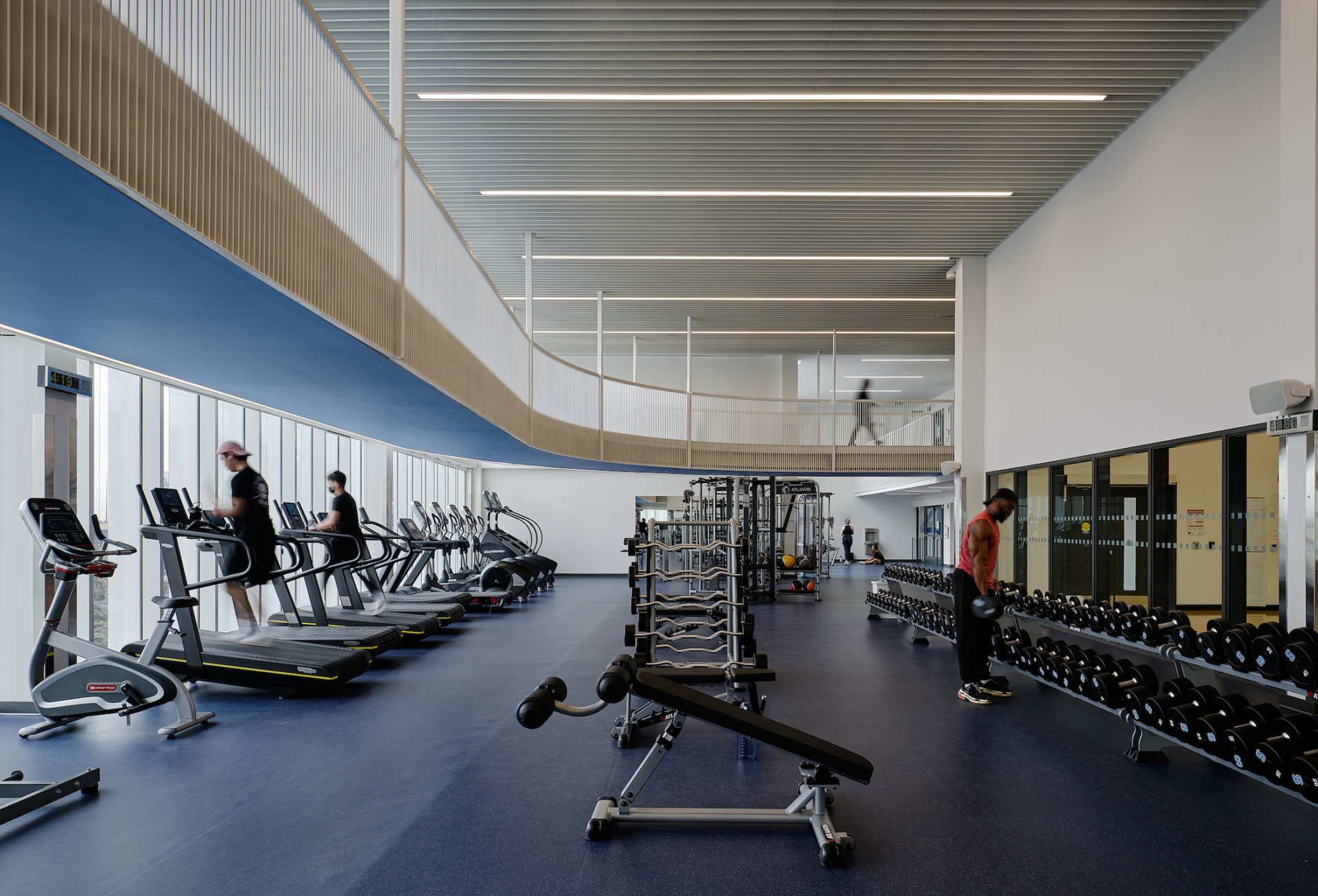
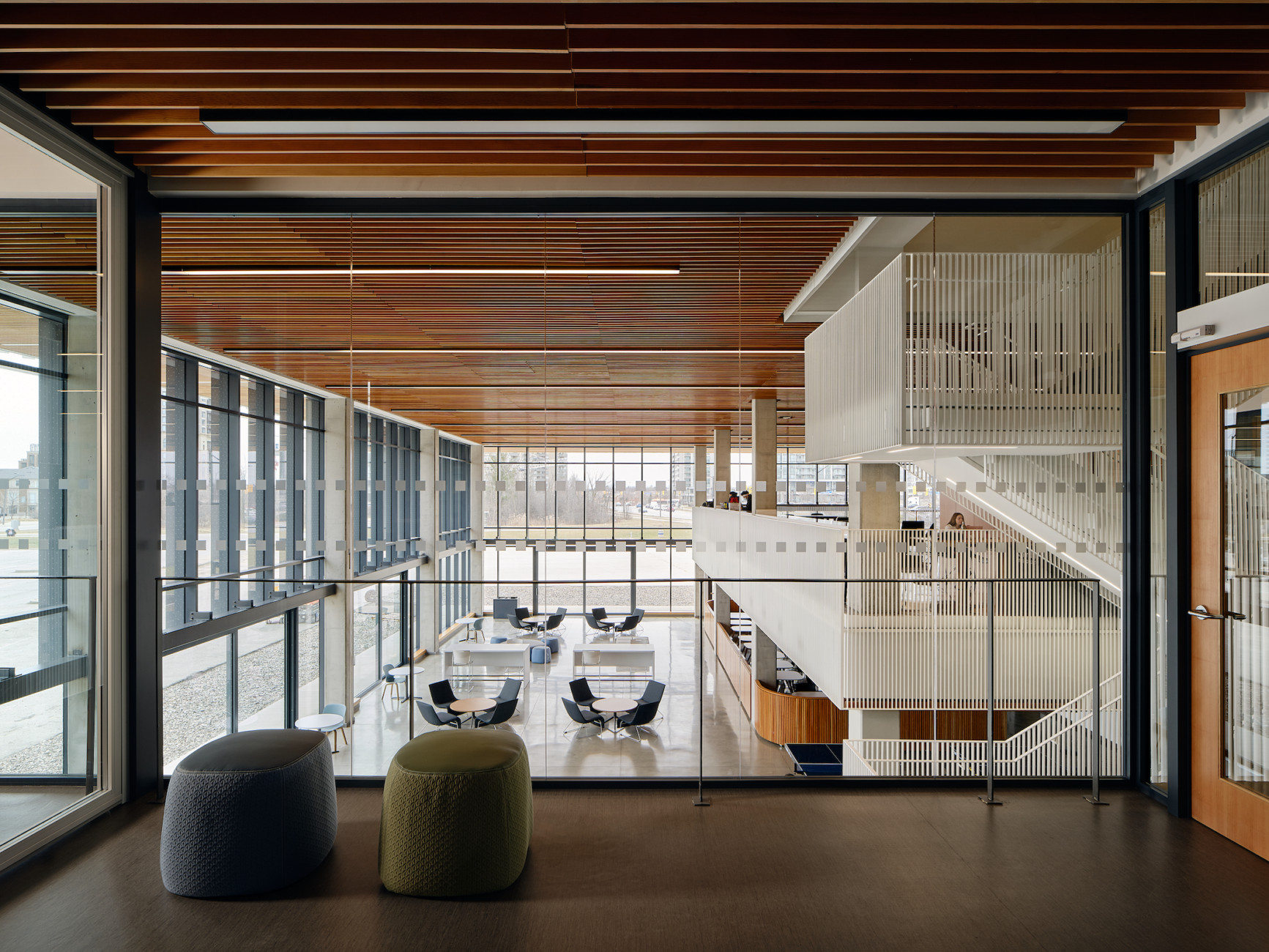
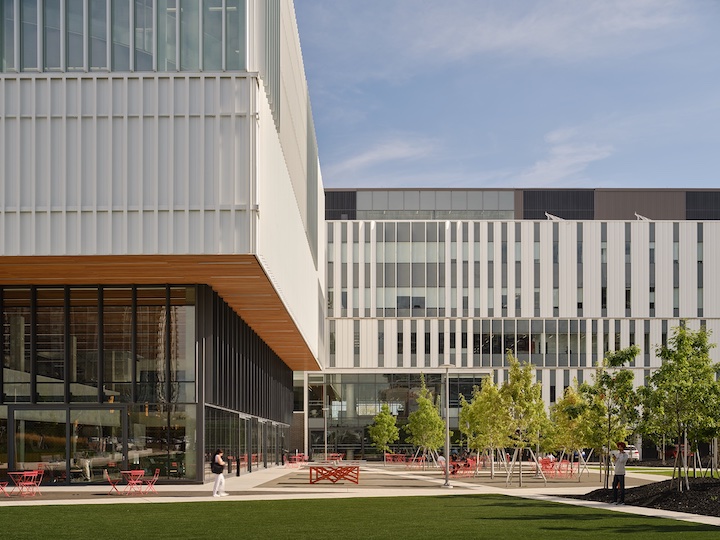
The HMC Student Centre, designed with Montgomery Sisam Architects, is the latest phase of the Sheridan College Hazel McCallion Campus Expansion project. Known as "Phase 2A", it offers a dynamic series of student-focused spaces that complement the existing academic infrastructure while supporting and reinforcing the recently developed urban design objectives for the Sheridan Campus and the City of Mississauga.
Place des Arts
No items found.
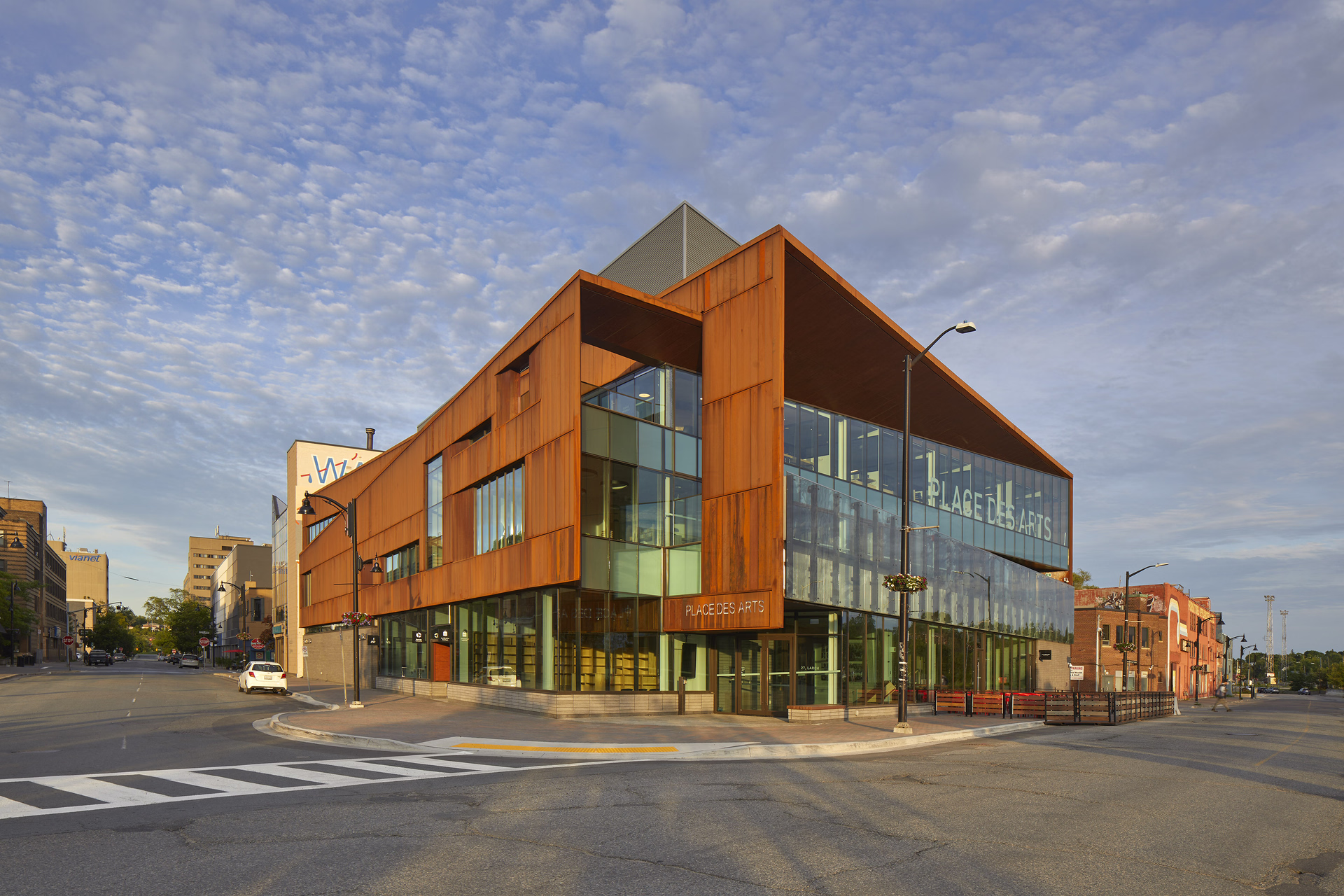
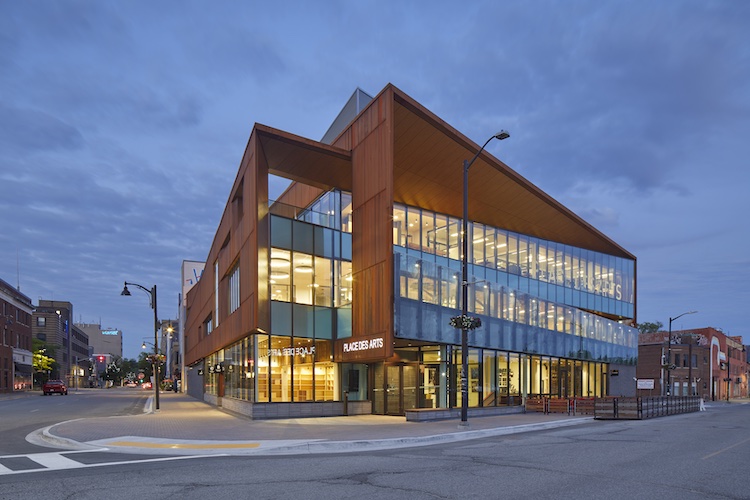
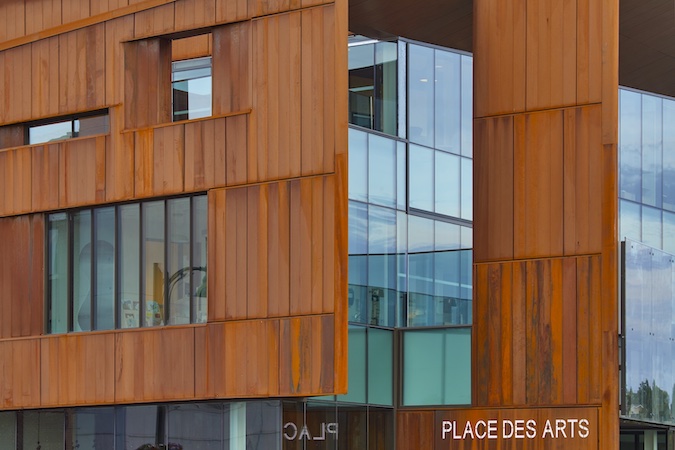
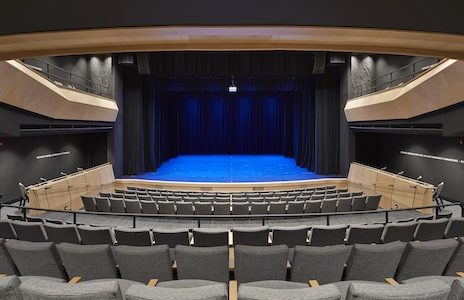
Place des Arts (PdA) is the first multidisciplinary art centre of its kinds in Northern Ontario; a cultural facility consisting of seven member organizations which stands as an influential site of excellence for Sudbury, focused on French-Canadian culture and community empowerment. Moriyama Teshima Architects and Bélanger Salach Architecture were together able to establish consensus amongst the seven strong voices to achieve a flexible design that provides services for a wide variety of uses and activities.
2021
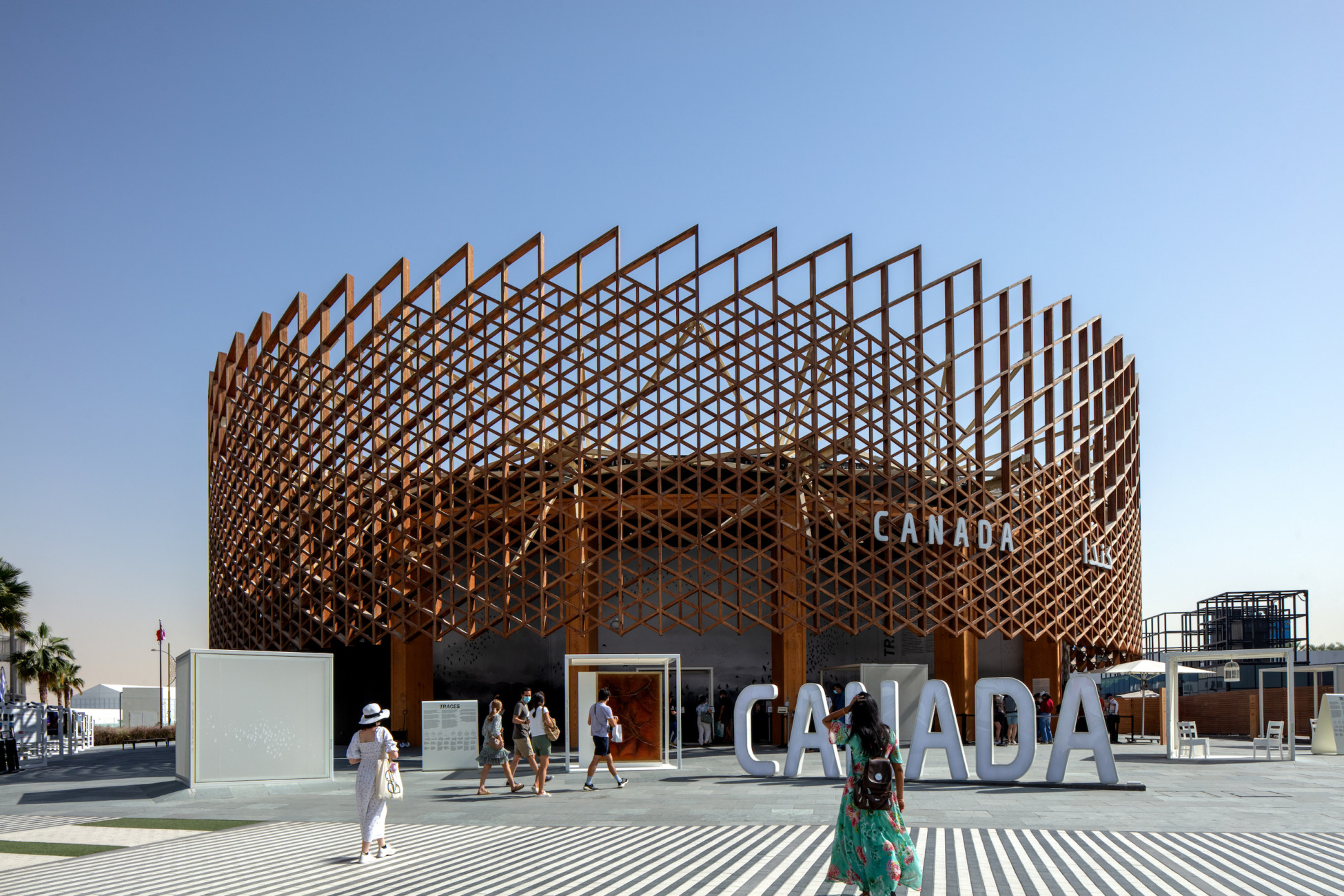
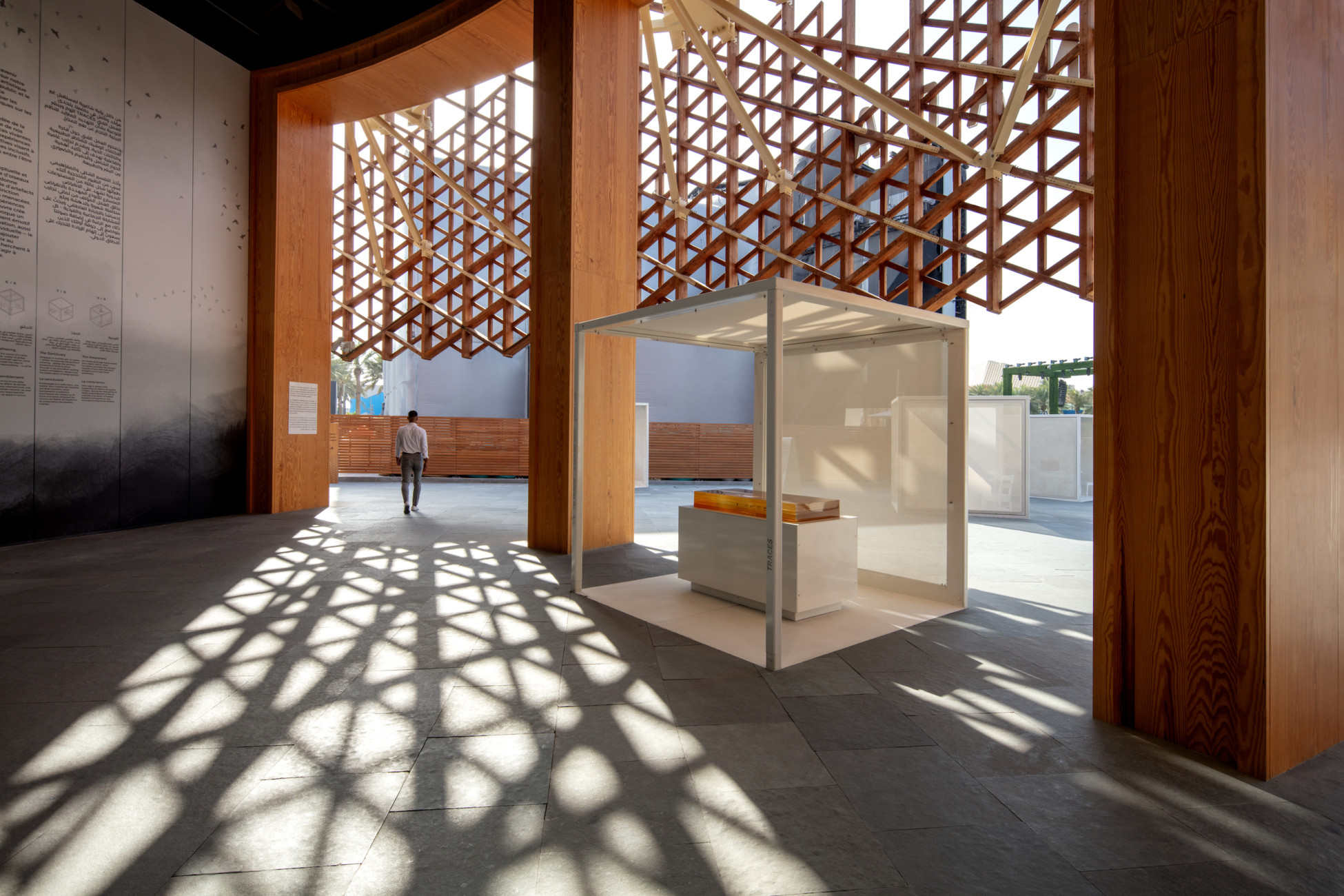
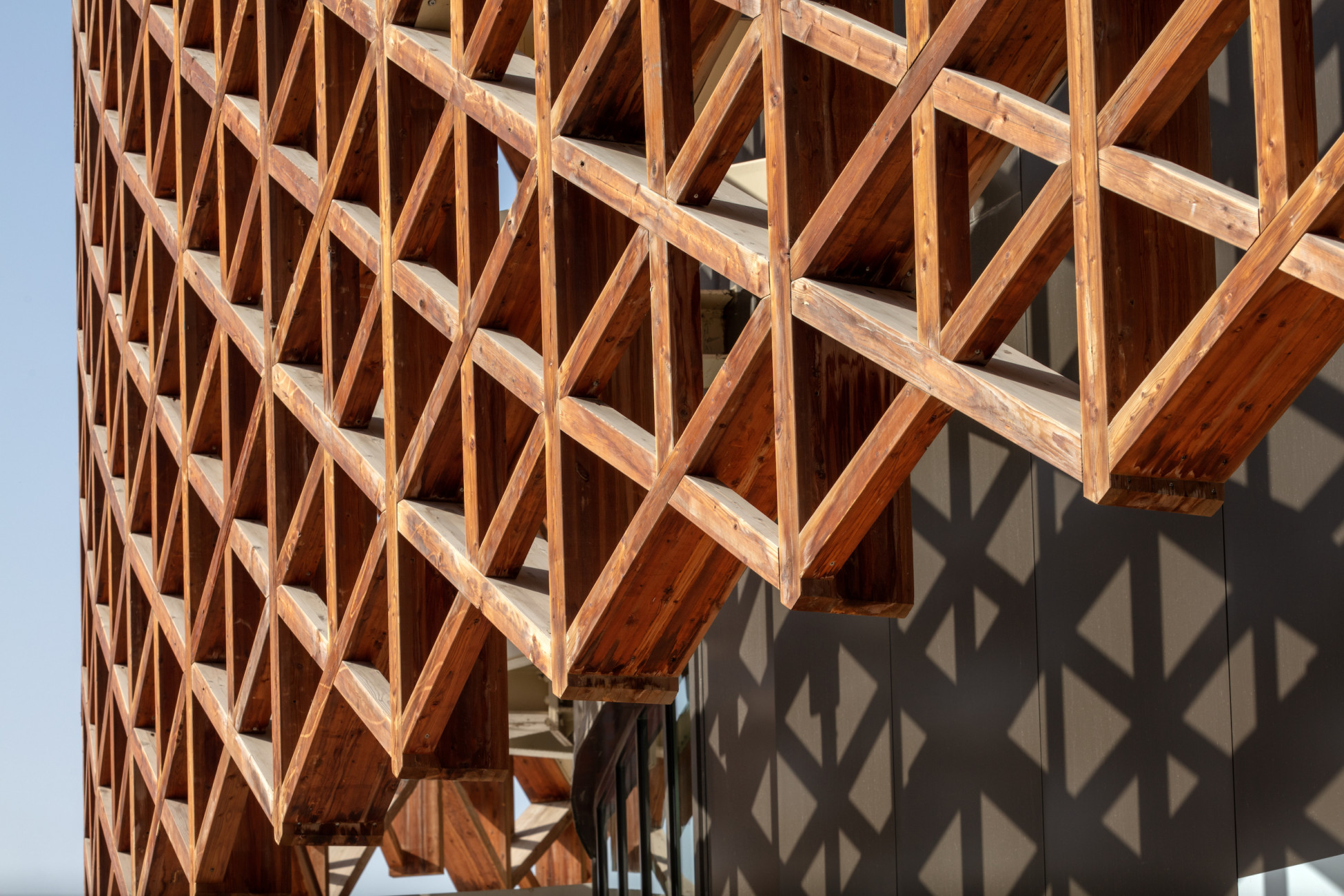
Canada Pavilion at Expo 2020 Dubai
No items found.
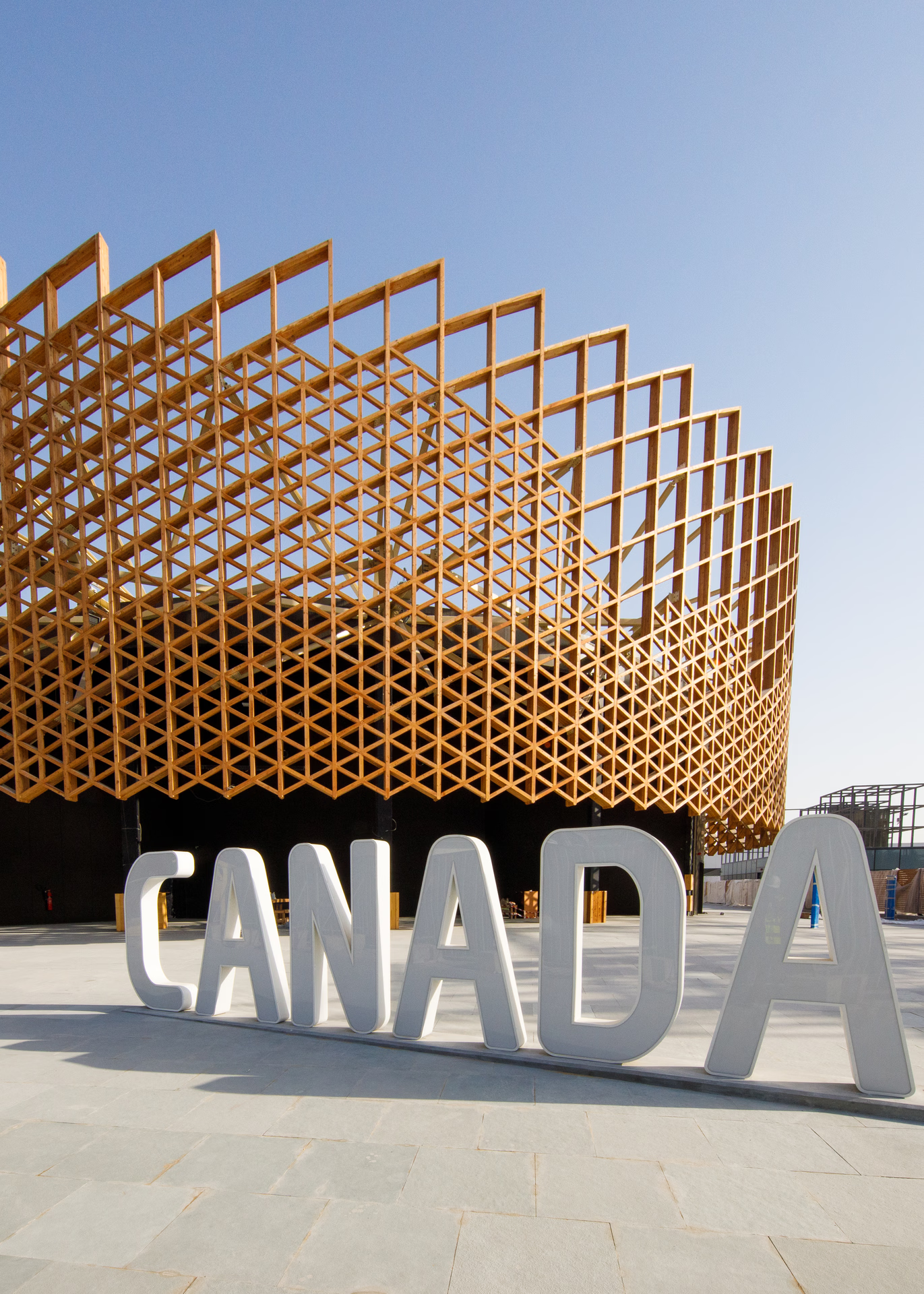
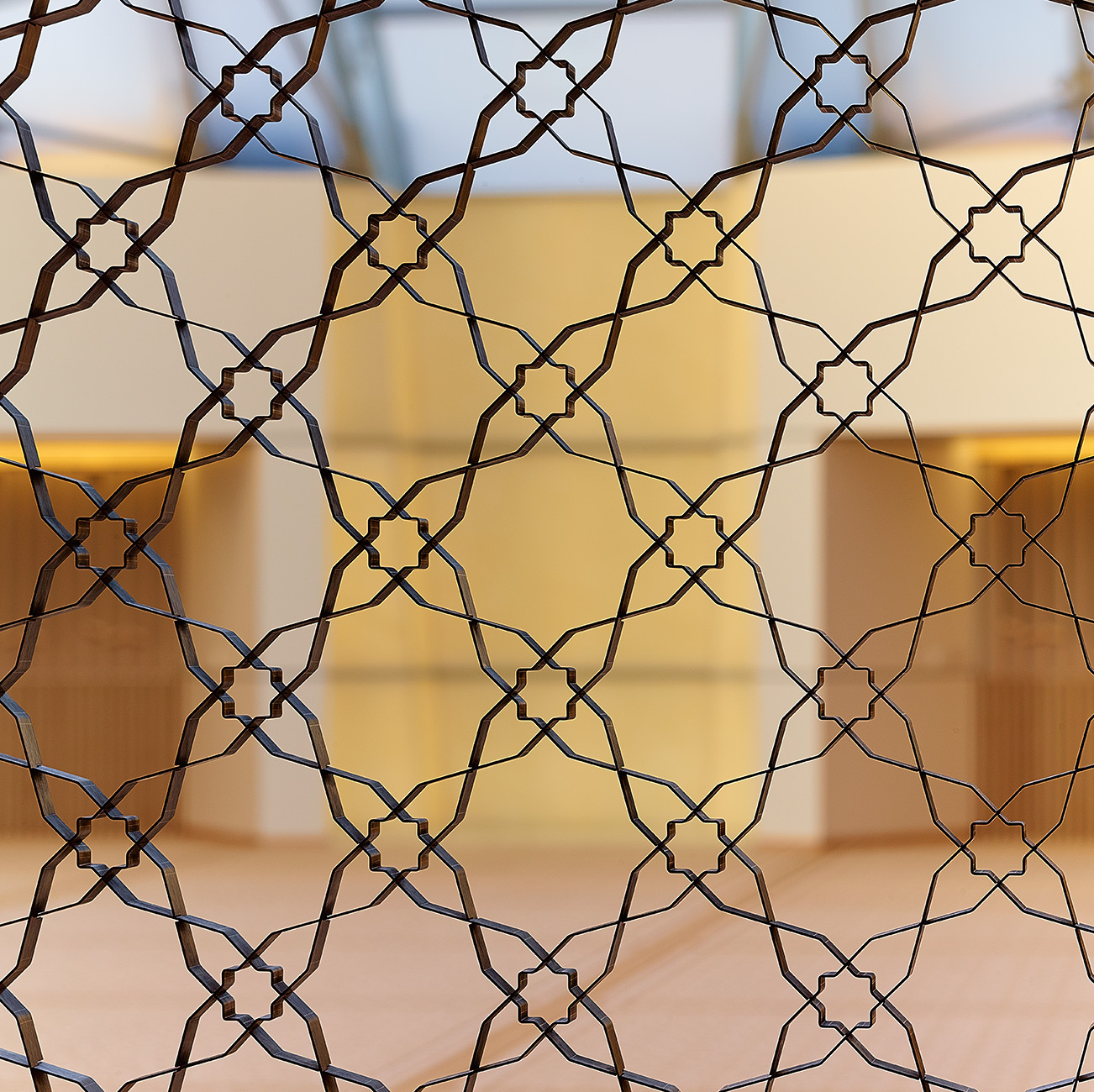
Inspired by Canadian landscapes and Arabic architectural elements, the Canada Pavilion is a symbolic representation of the strong cultural and economic ties between Canada and the Middle East. A plentiful, sustainable, and rapidly renewable resource, the selection of wood as the primary material expression of the Pavilion conveys an important message about Canada's commitment to an ecologically minded and sustainable presence on the global stage.
2020
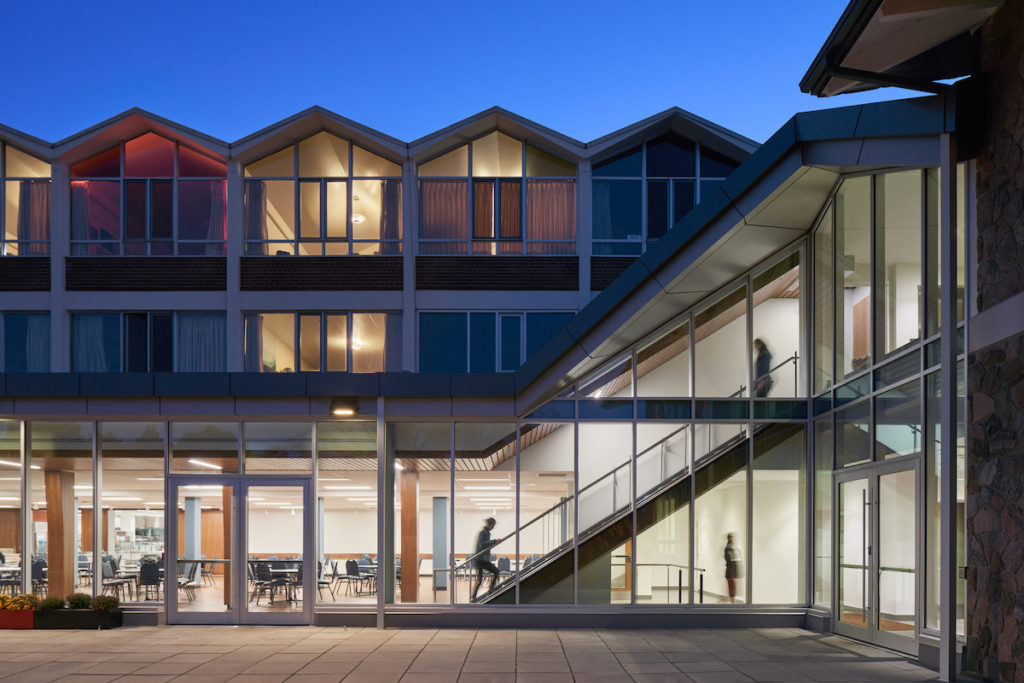
Conrad Grebel University College Food Service Facilities
No items found.
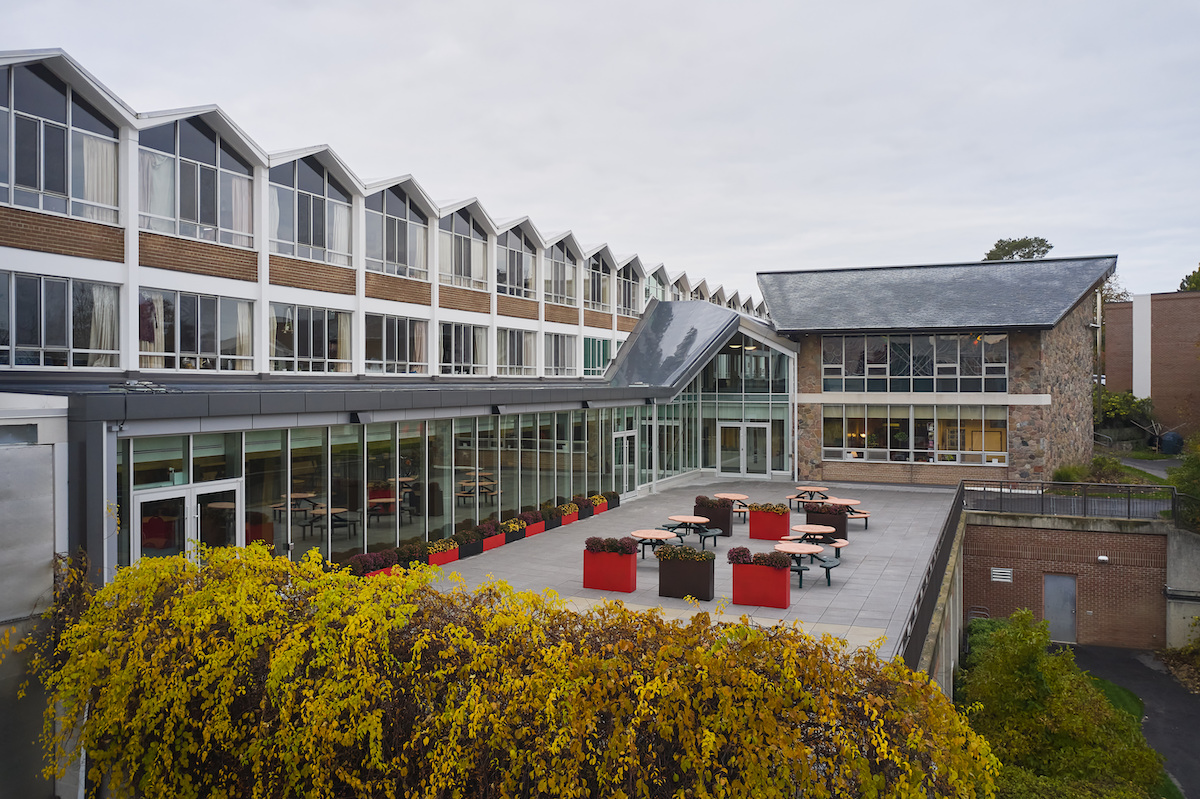
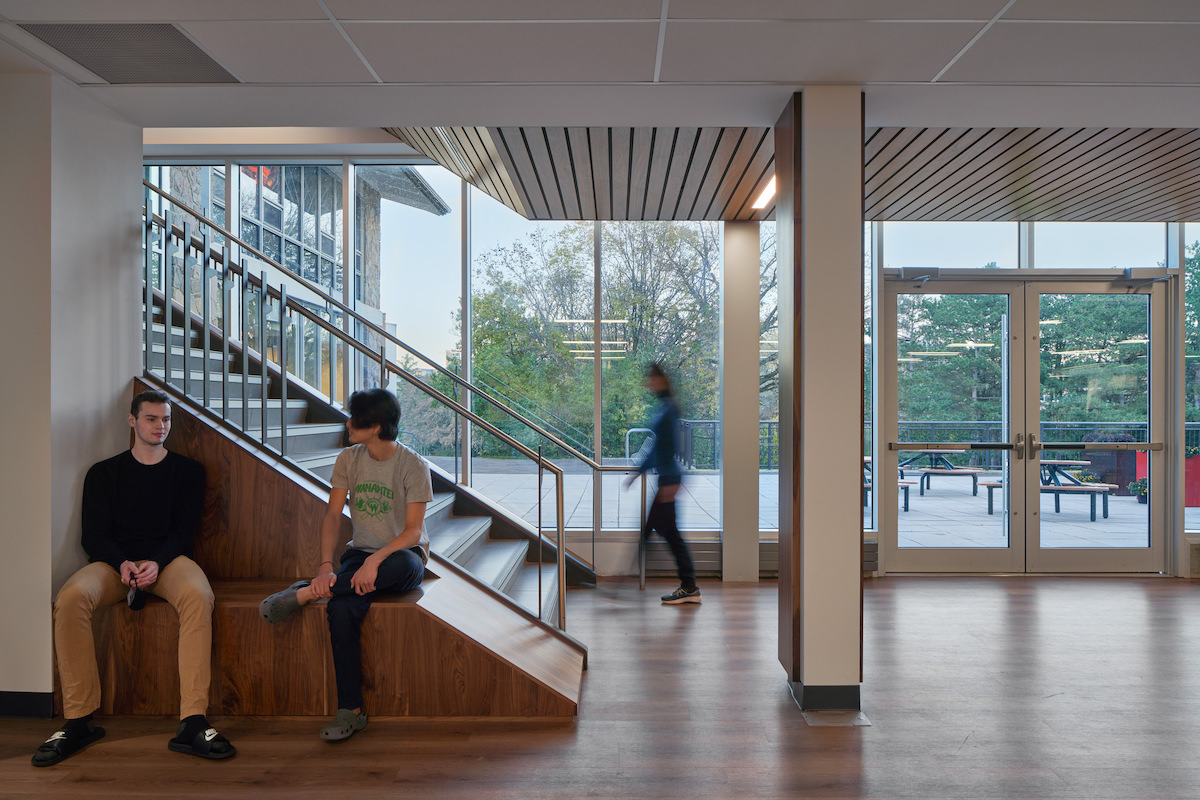
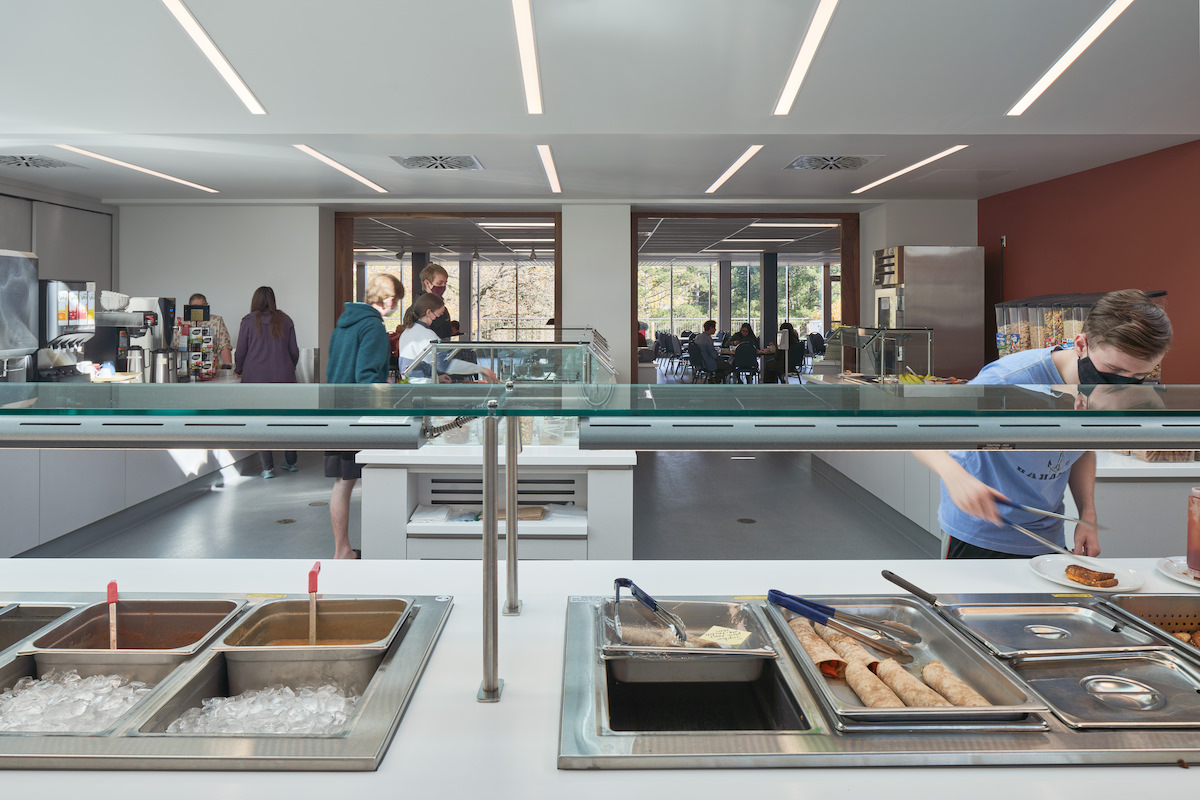
Moriyama Teshima Architects were hired by Conrad Grebel University College for the expansion and renovation of the existing food service facilities, including a new kitchen and dining room. Communal dining is a central feature of the Conrad Grebel experience, and unique to the University of Waterloo Colleges, as all the food is made on-site. The design ensured that the new and renovated spaces were integrated well with the existing atrium, patio, walkways, chapel foyer, and any future expansions in the building.
2019
UTM Meeting Place Renovation
No items found.
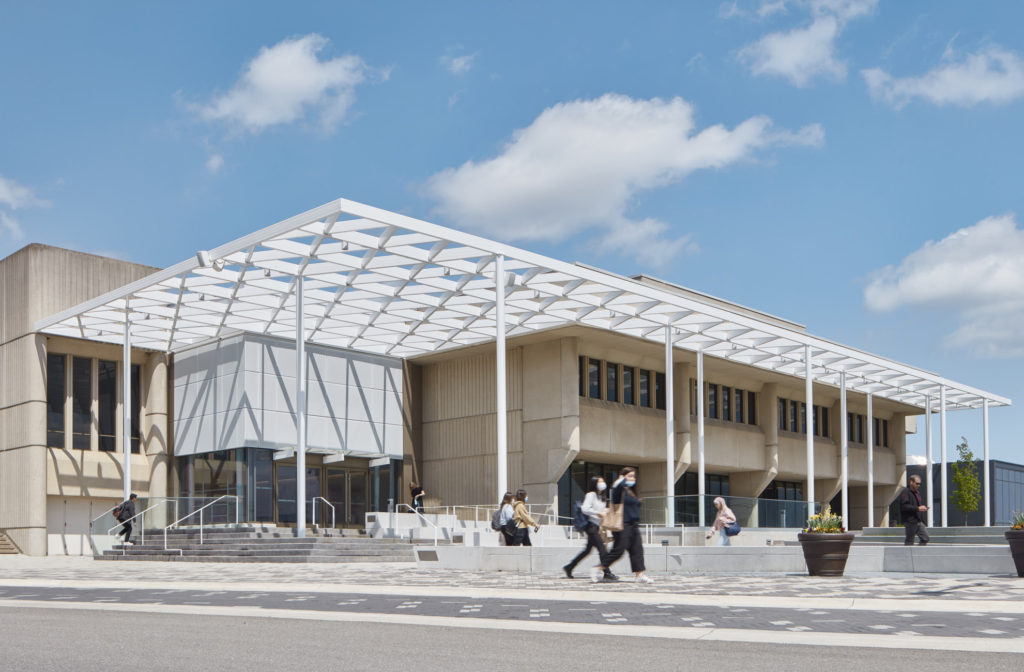
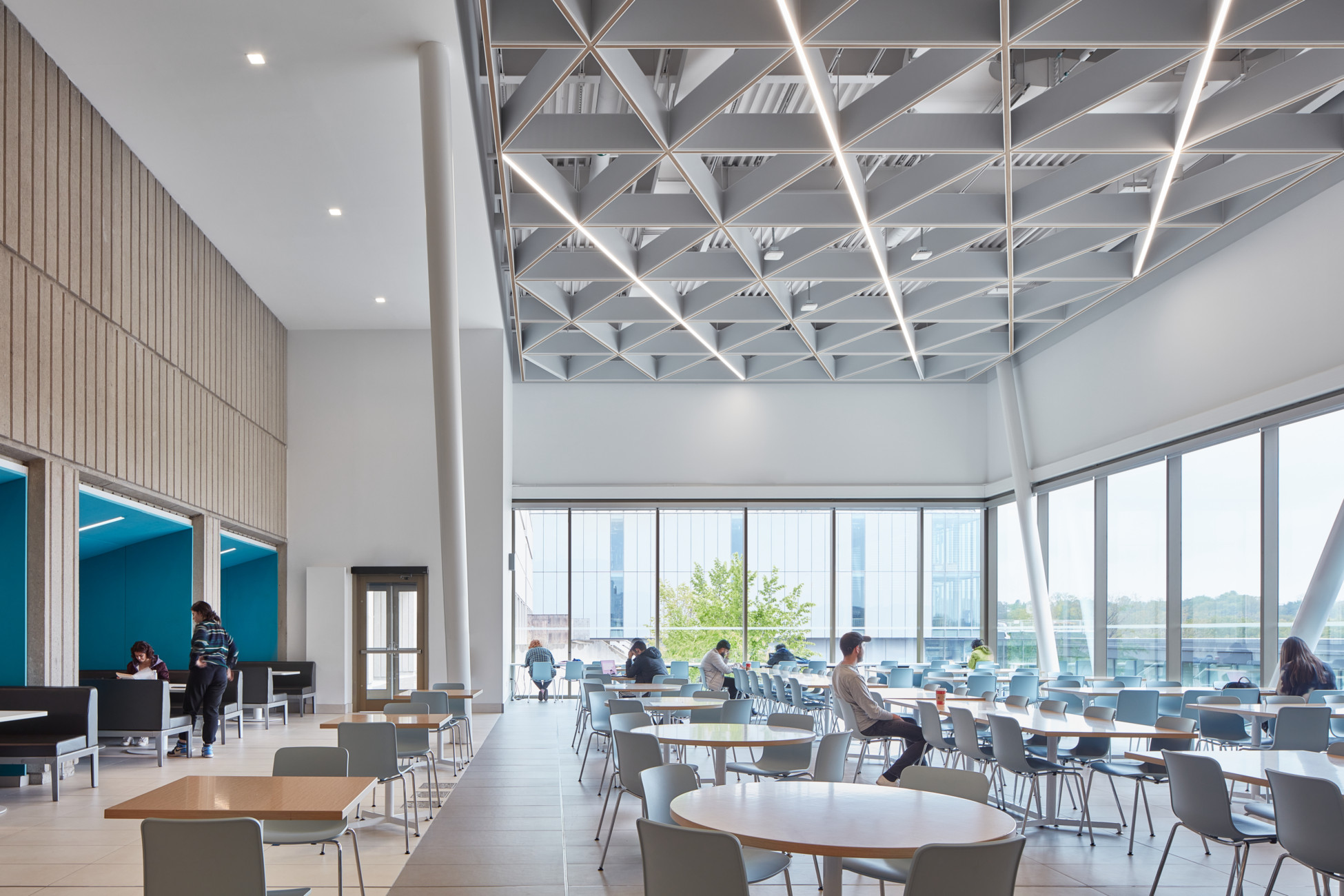
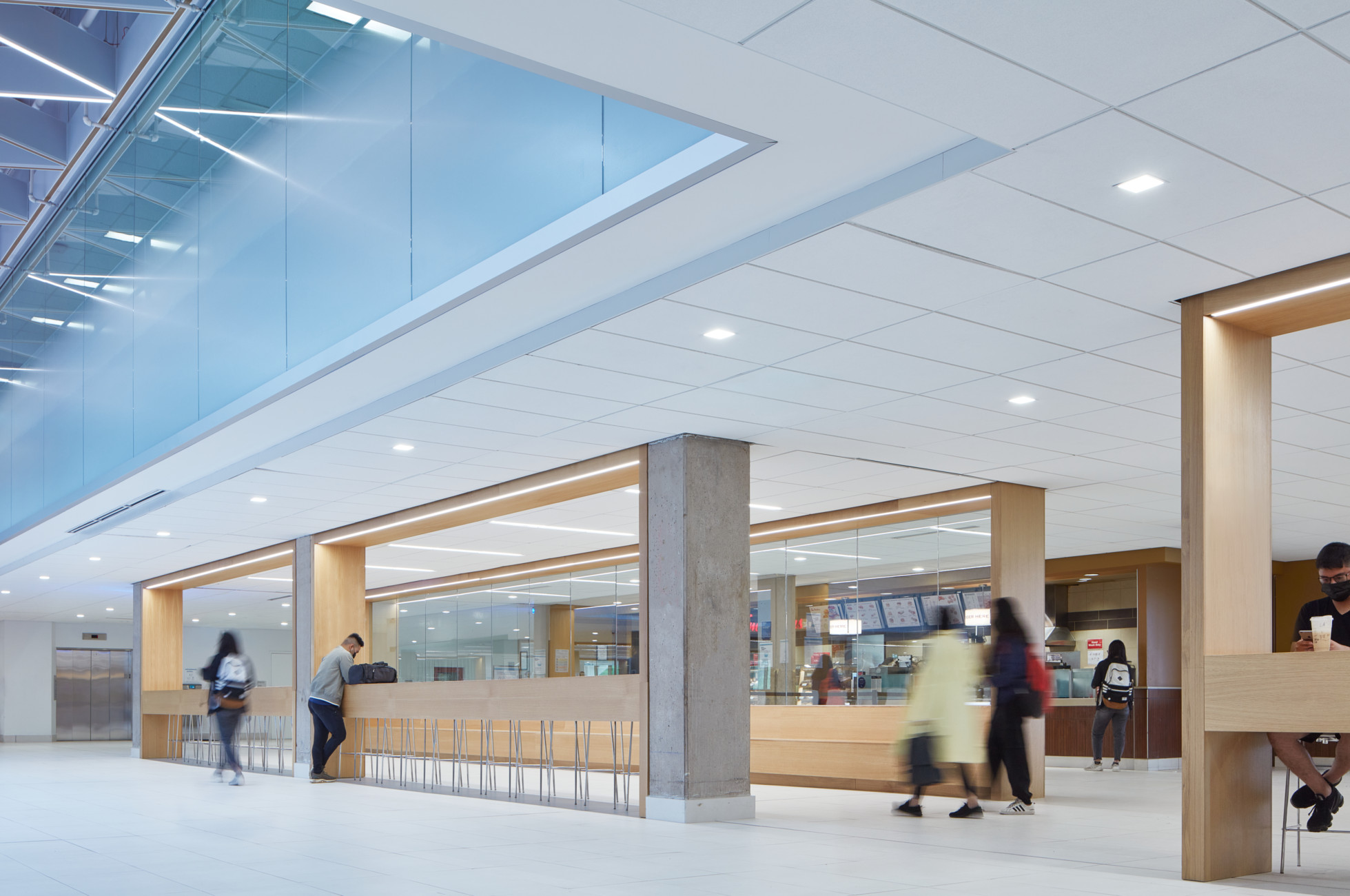
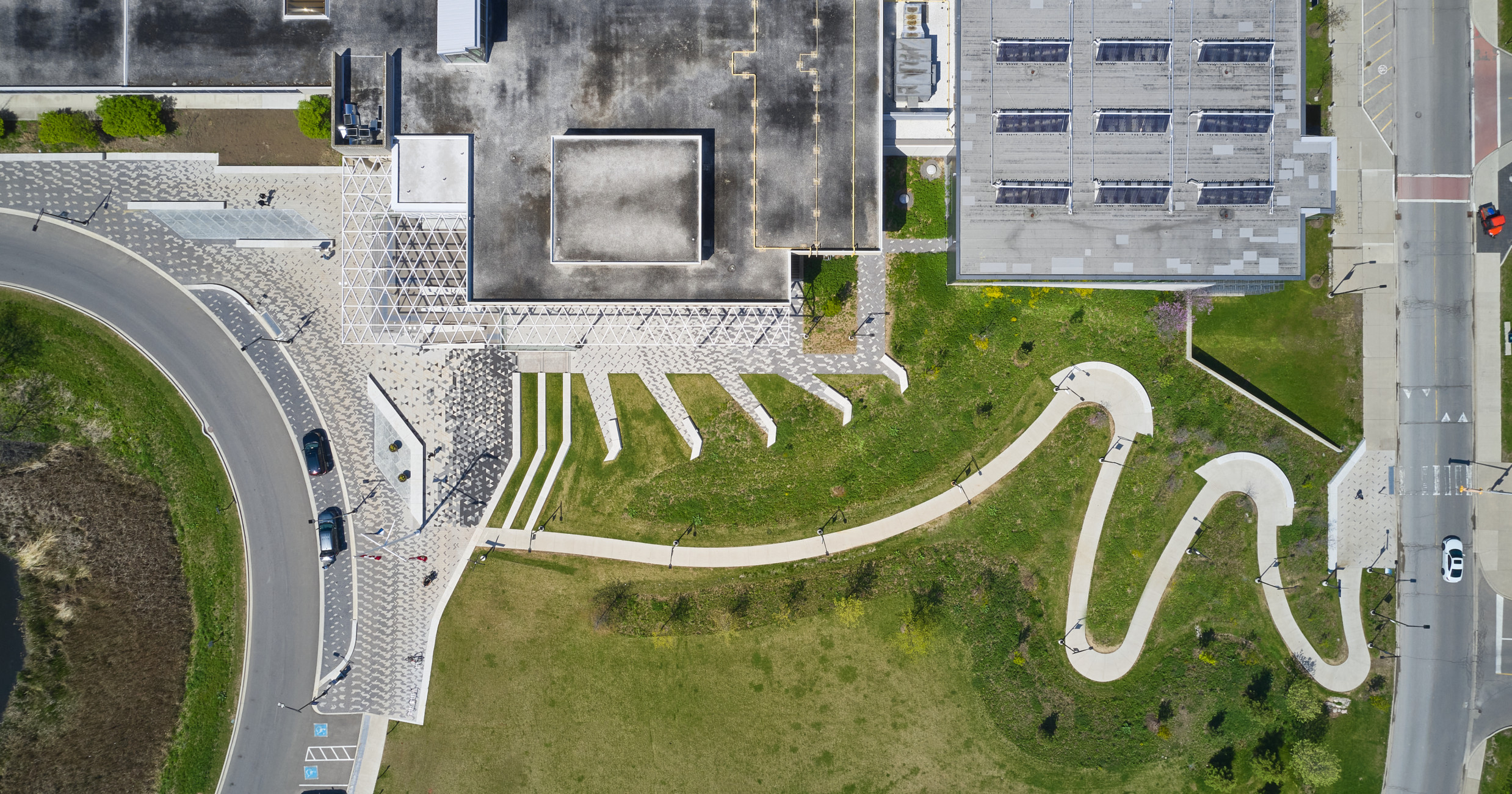
A sensitively renovated campus facility, a retrofit of the historically listed William G. Davis Building, offers UTM students a newly refreshed area for studying, gathering, and dining. Changes were made throughout both the exterior and interior of the building, improving lighting quality, accessibility standards, space planning, and circulation. To accommodate UTM's aggressive population growth, a refreshed cafeteria and eatery was designed, providing a place for the community to dine, meet with colleagues, study, or lounge during breaks.
Brian Mulroney Institute of Government, St. Francis Xavier University
No items found.
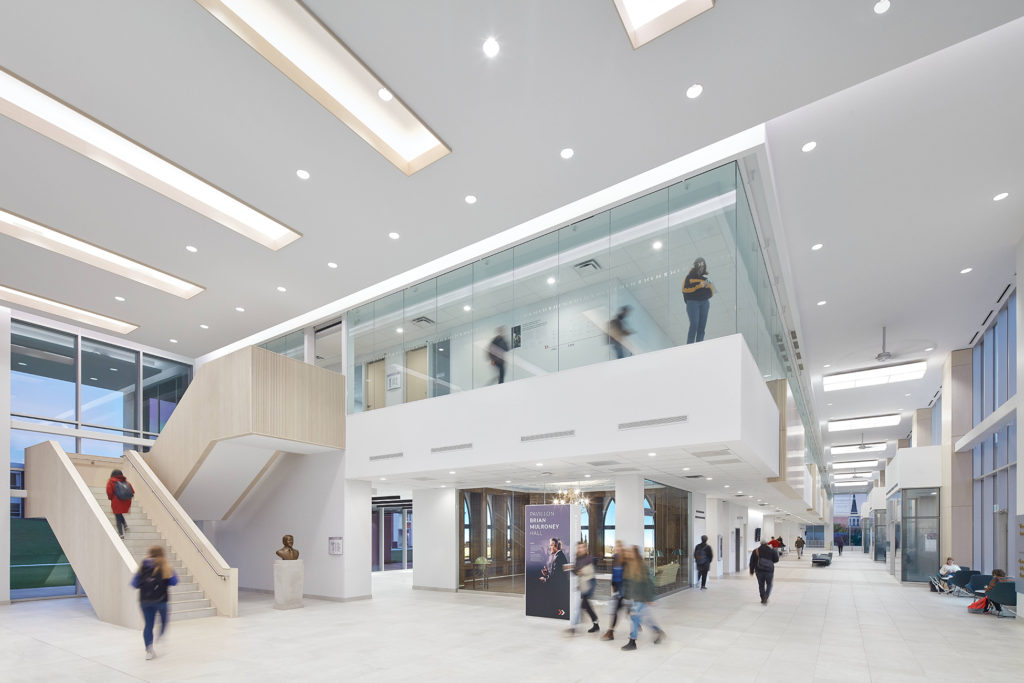
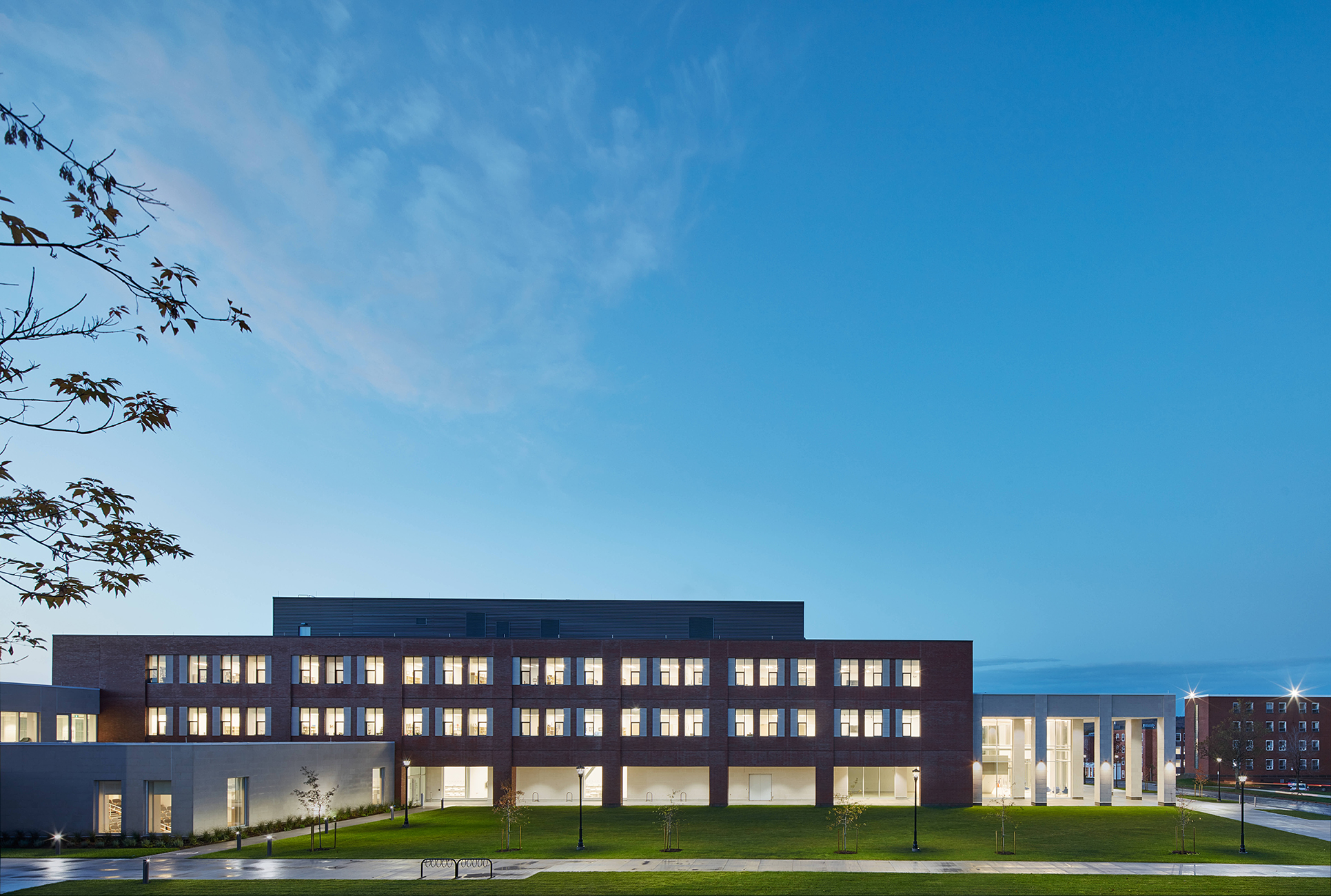
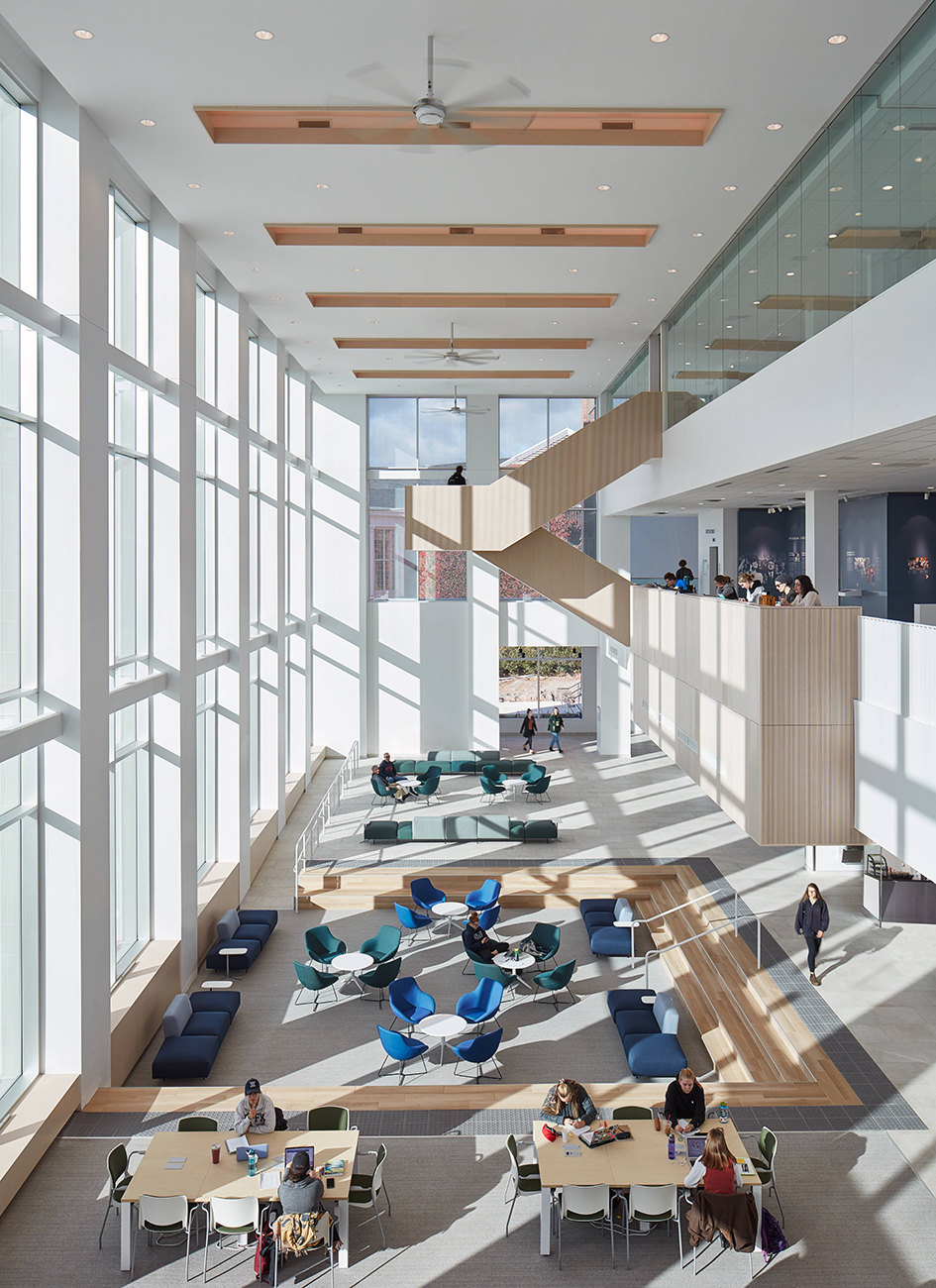
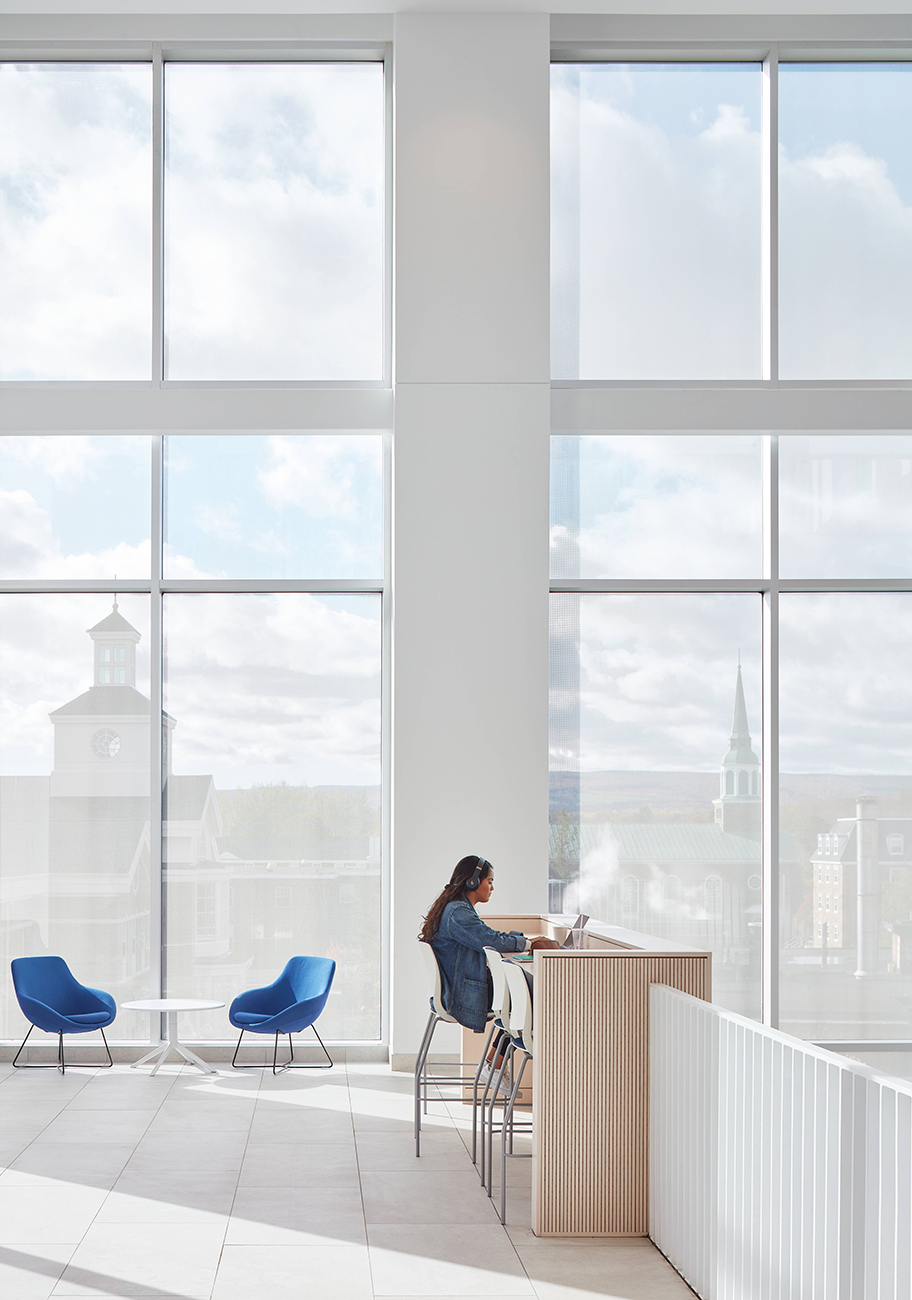
Moriyama Teshima Architects in association with Barrie & Langille Architects executed the Brian Mulroney Institute of Governance, Mulroney Hall. This institute is dedicated to the study of government, Canada-U.S. relations, and global affairs for undergraduates.
Conestoga College North Campus Expansion
No items found.
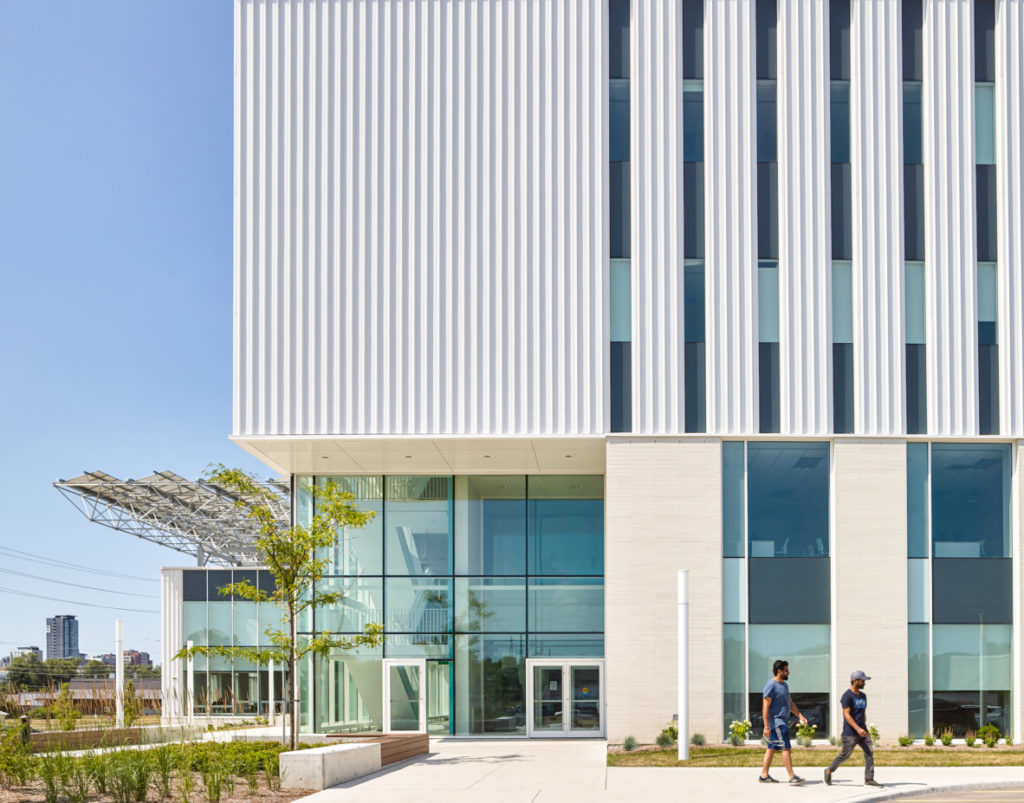
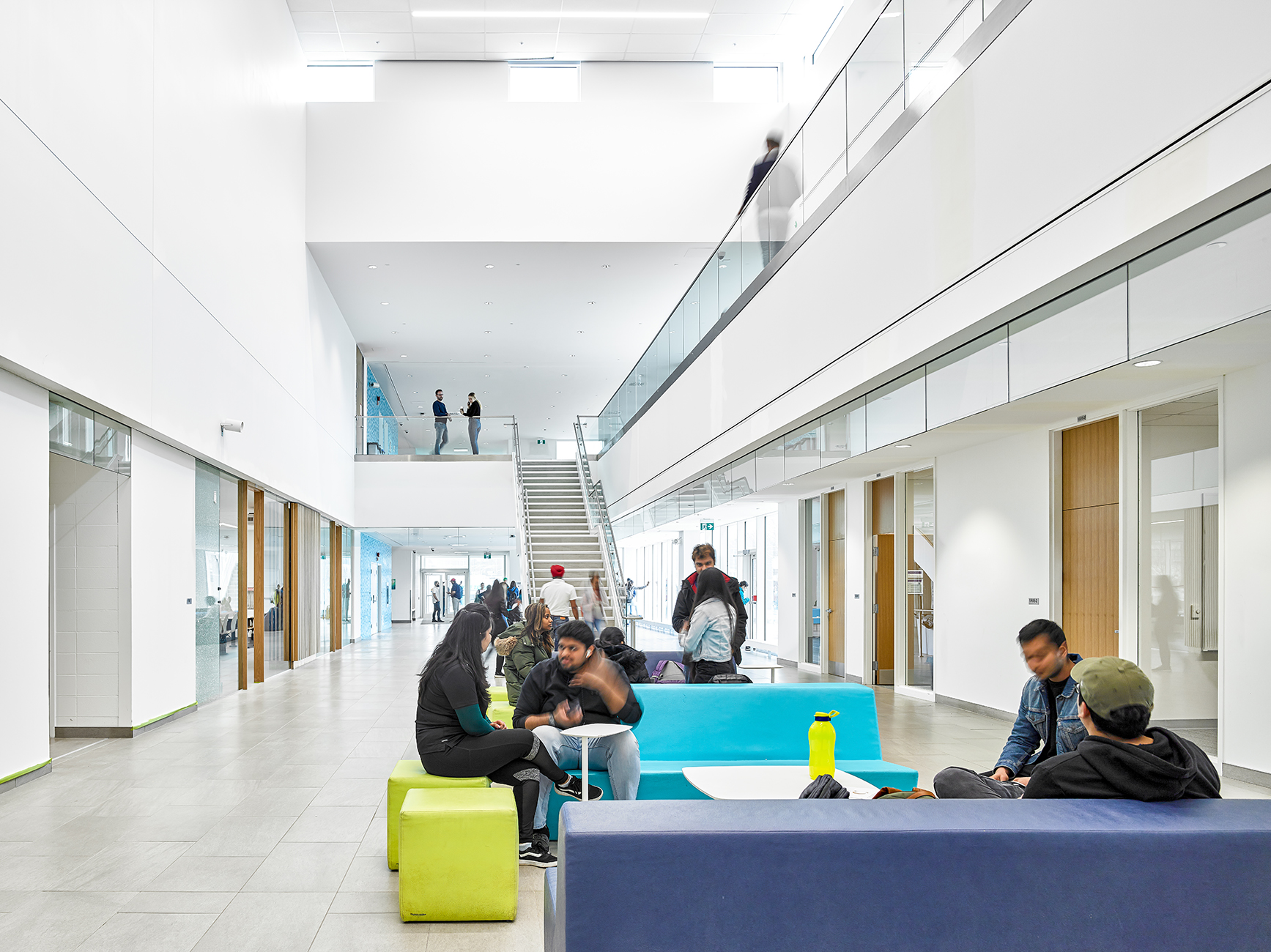
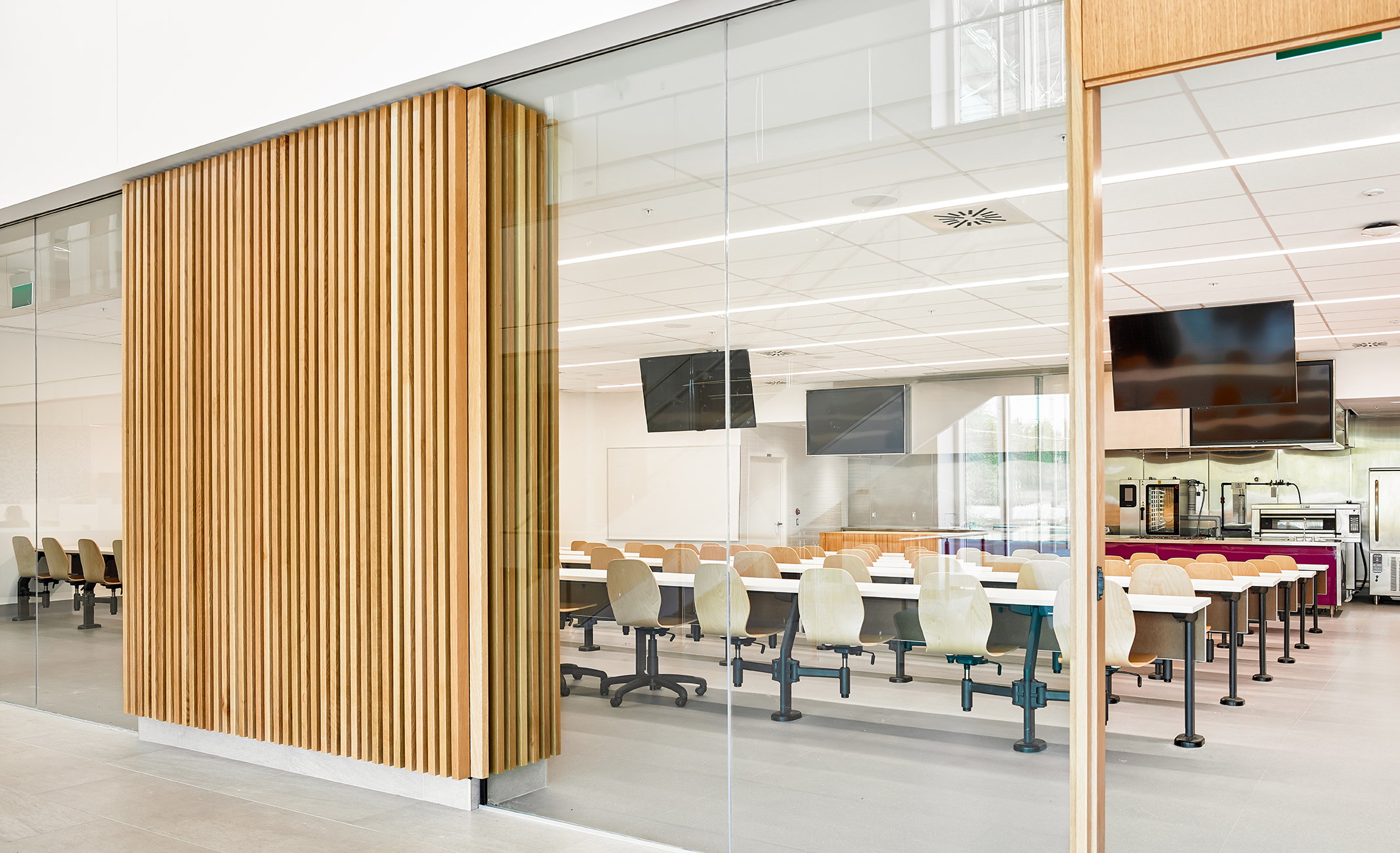
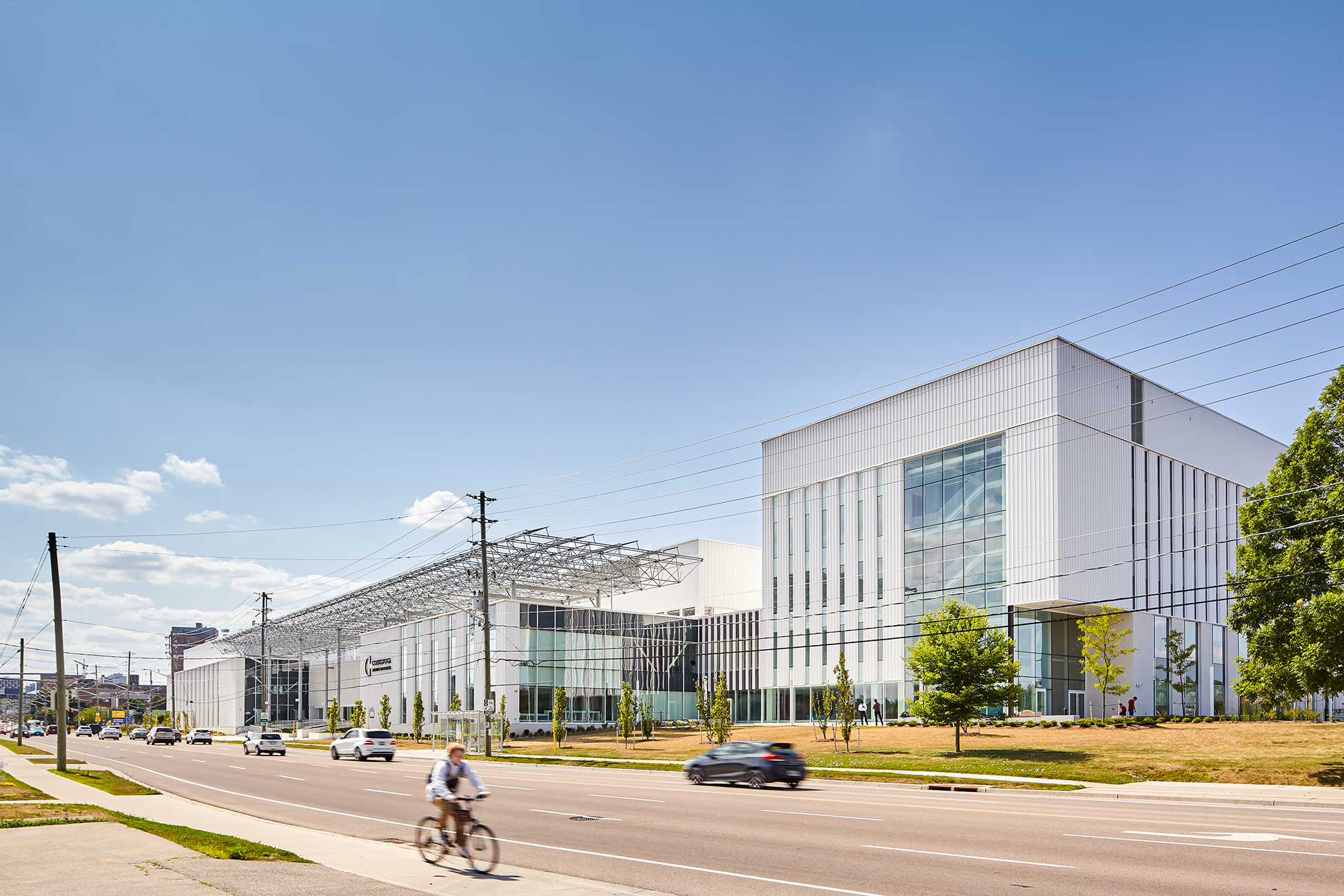
Completed in association with Gow Hastings Architects, the North Campus Expansion project expanded Conestoga College's north campus in Waterloo with a 4-storey addition to the south side of a former secondary school which was acquired by Conestoga in 2006. The building houses construction and culinary trades programs, including the Centre for Food Innovation and Hospitality Management.
Government of Canada Visitor Welcome Centre
No items found.
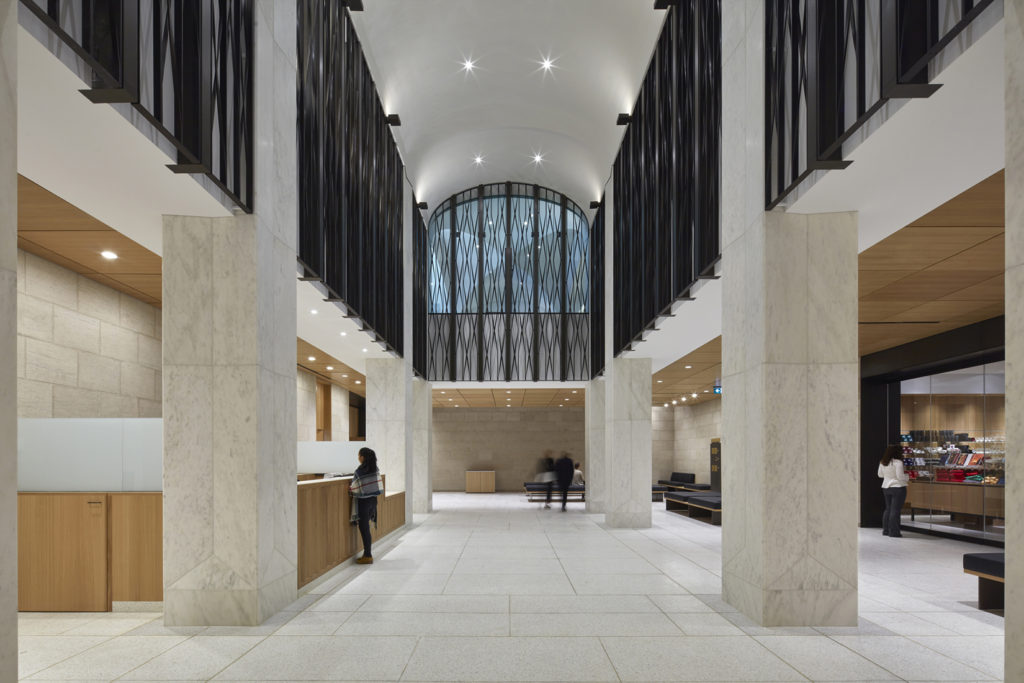
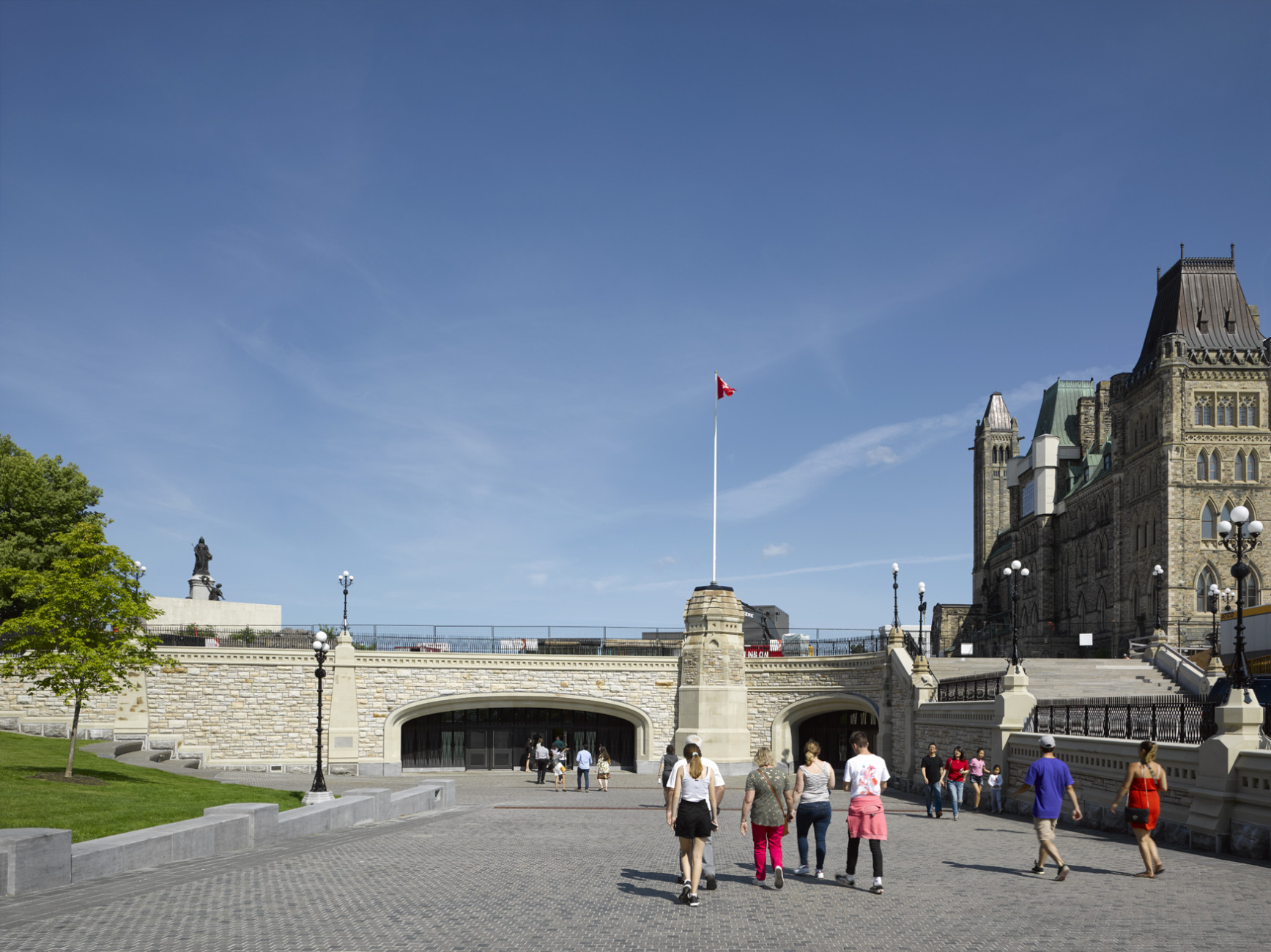
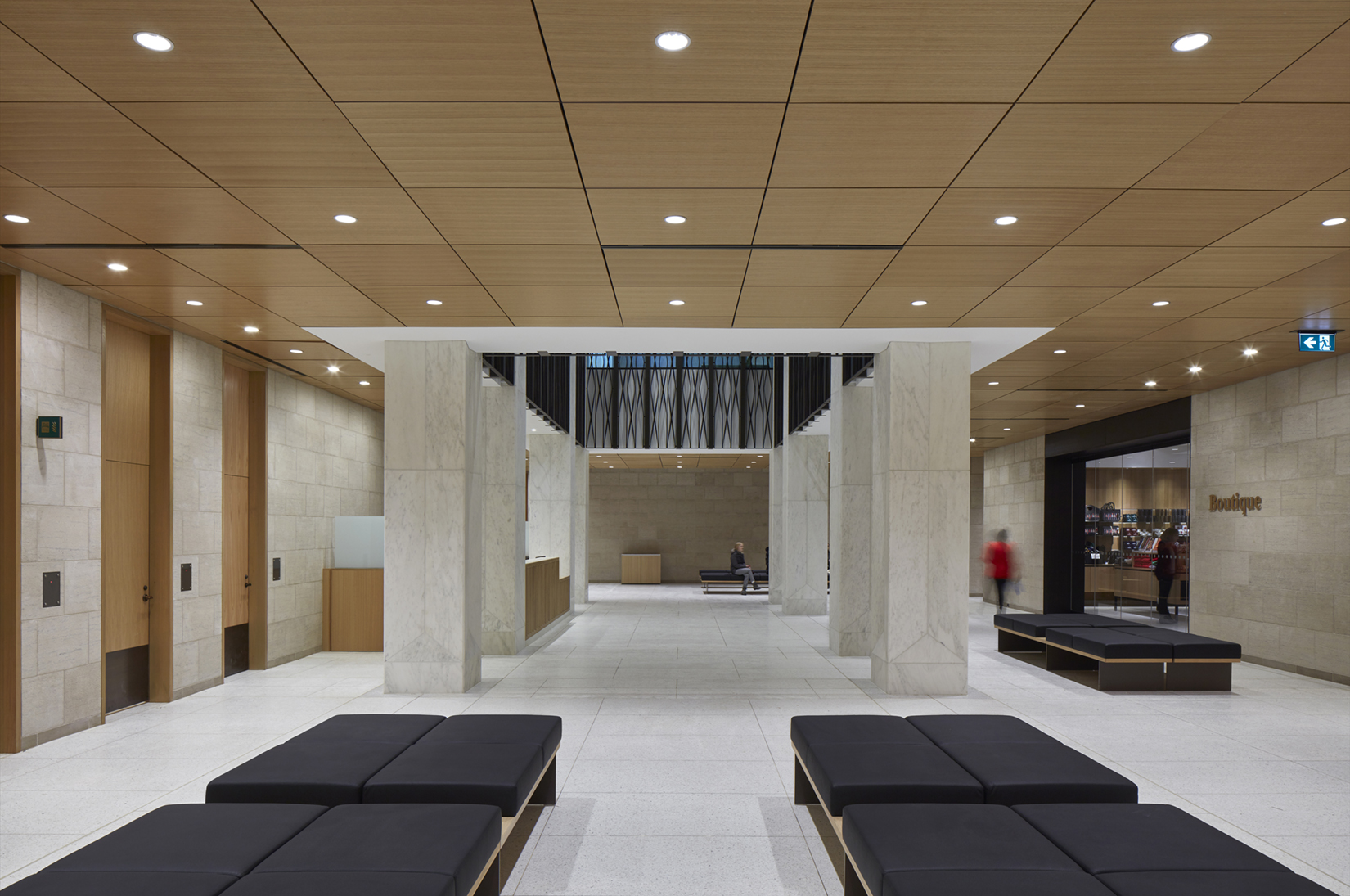
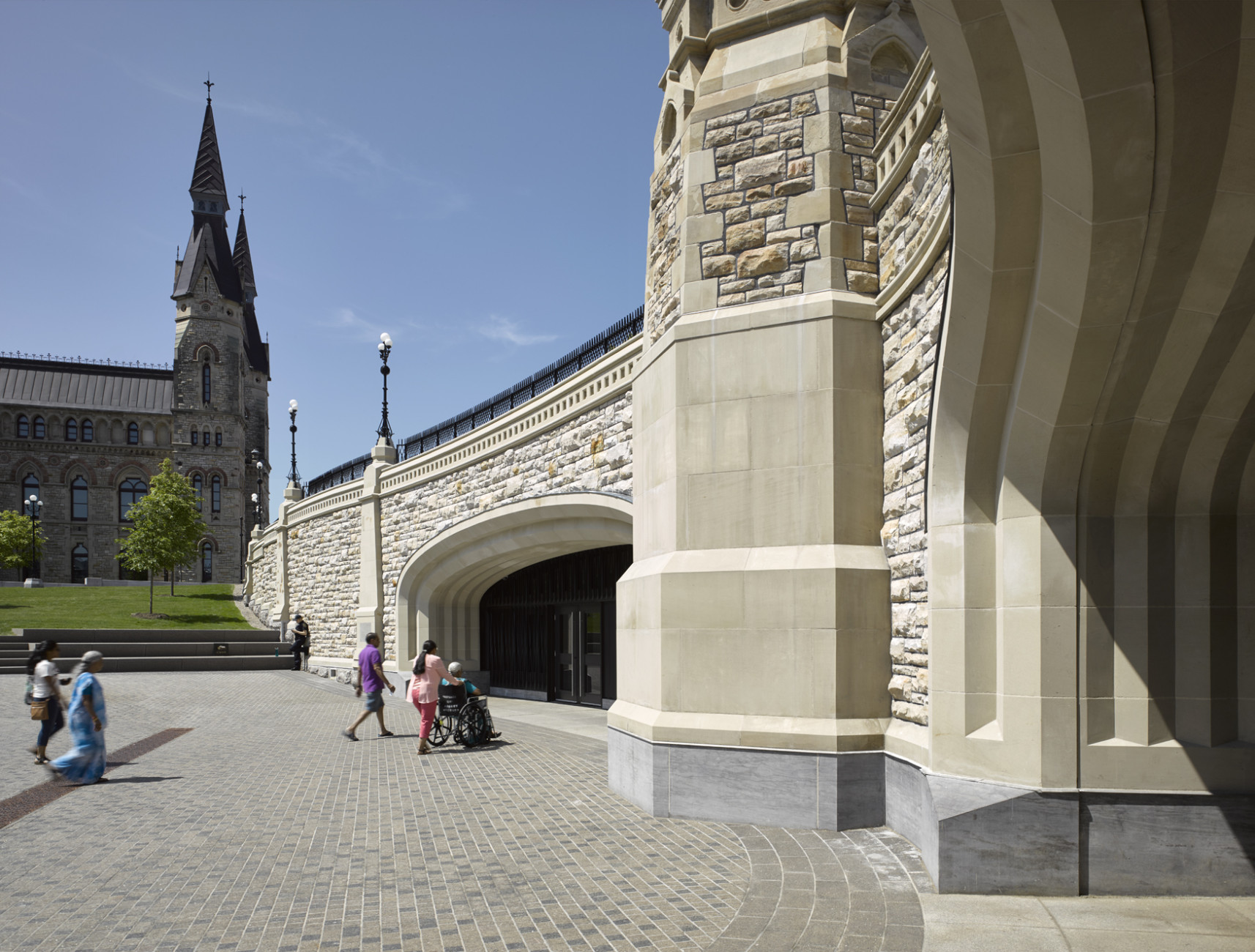
Overlooking the Ottawa River, Phase 1 of the Visitor Welcome Centre is the first new major addition on Parliament Hill in almost a century and creates the new front door for all visitors to the Parliamentary Precinct. The project establishes a secure public entry to the buildings on Parliament Hill and preserves the integrity and openness of the public green on Canada's most important heritage site.
2018
The Commons, University of British Columbia Okanagan Campus
No items found.
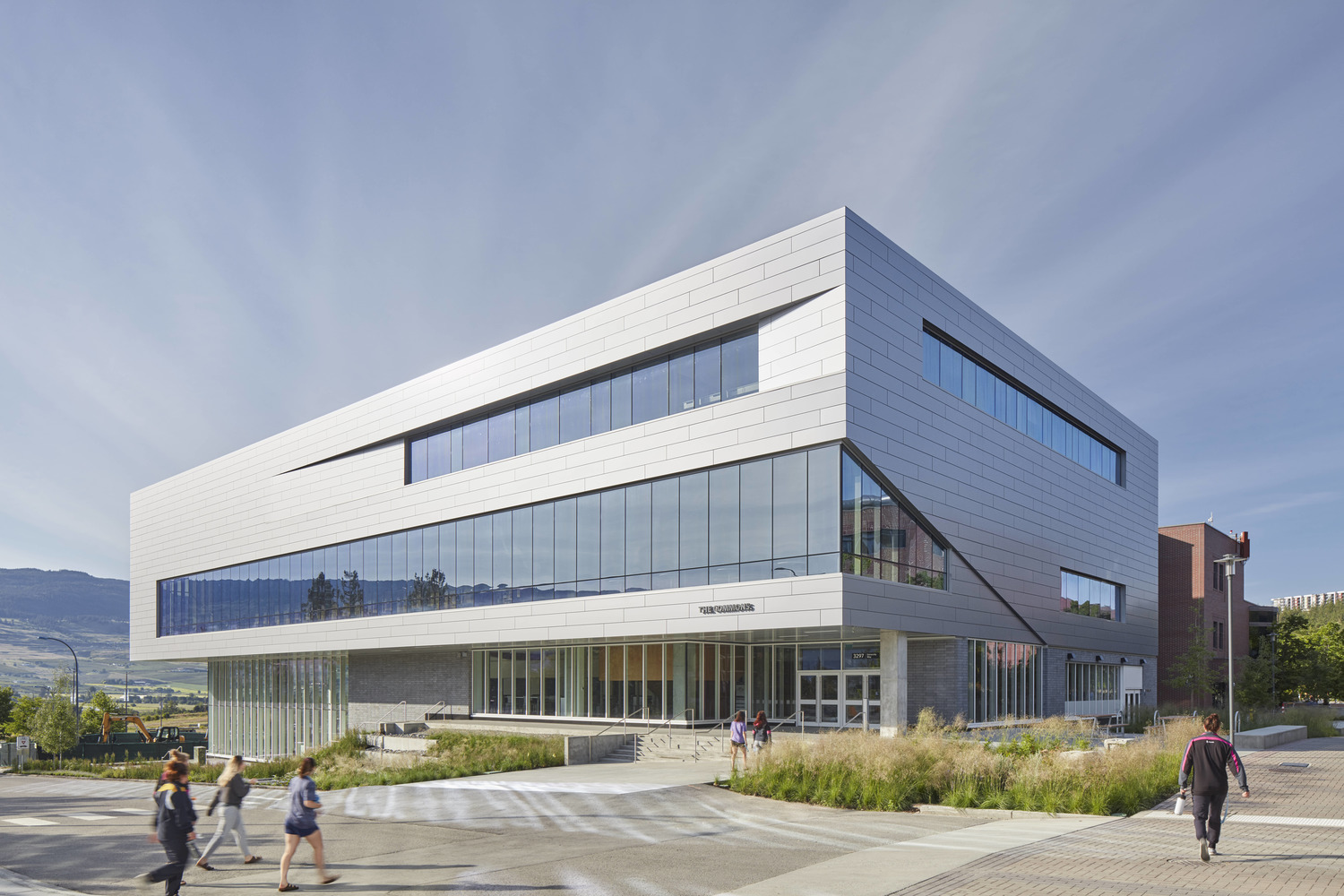
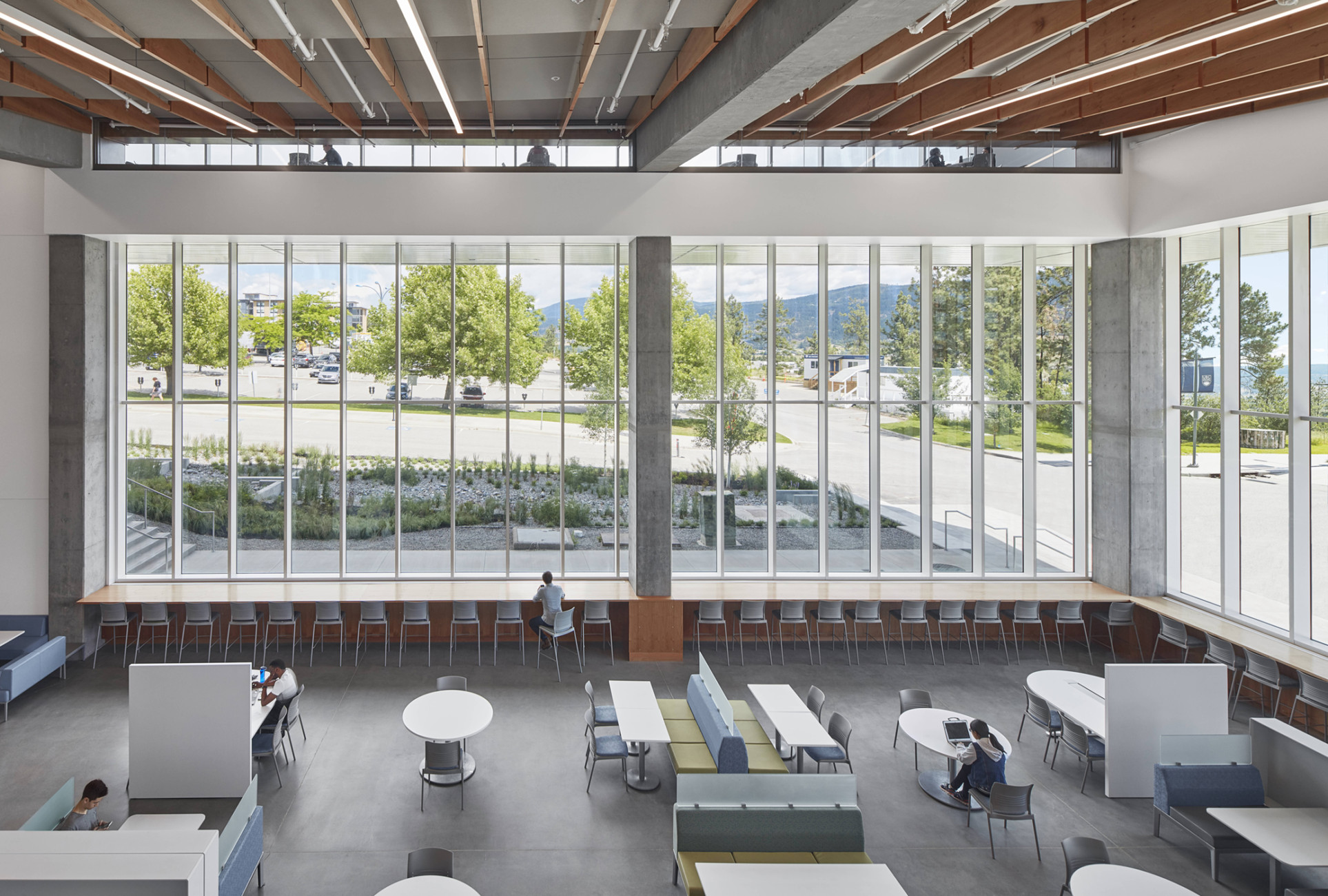
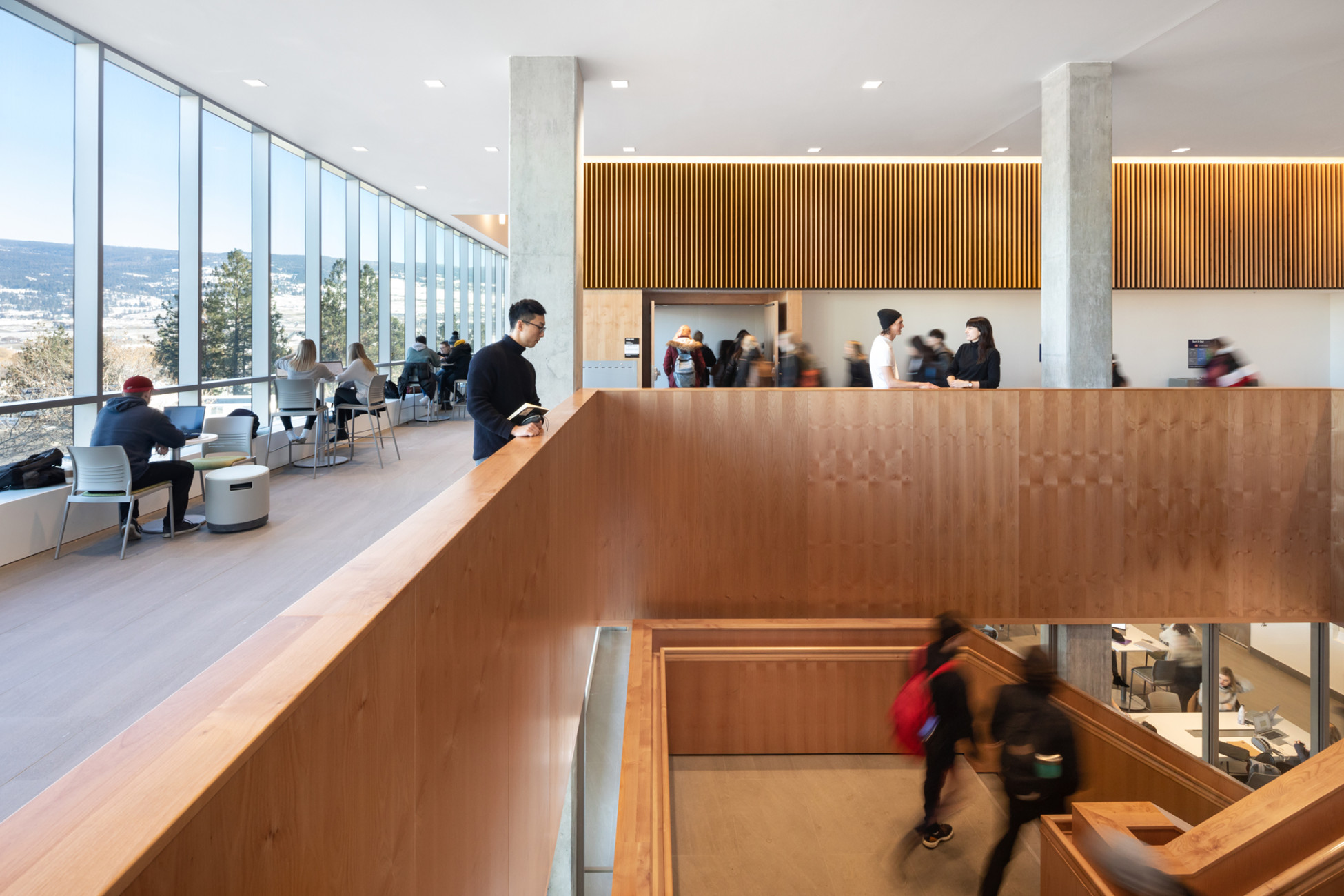
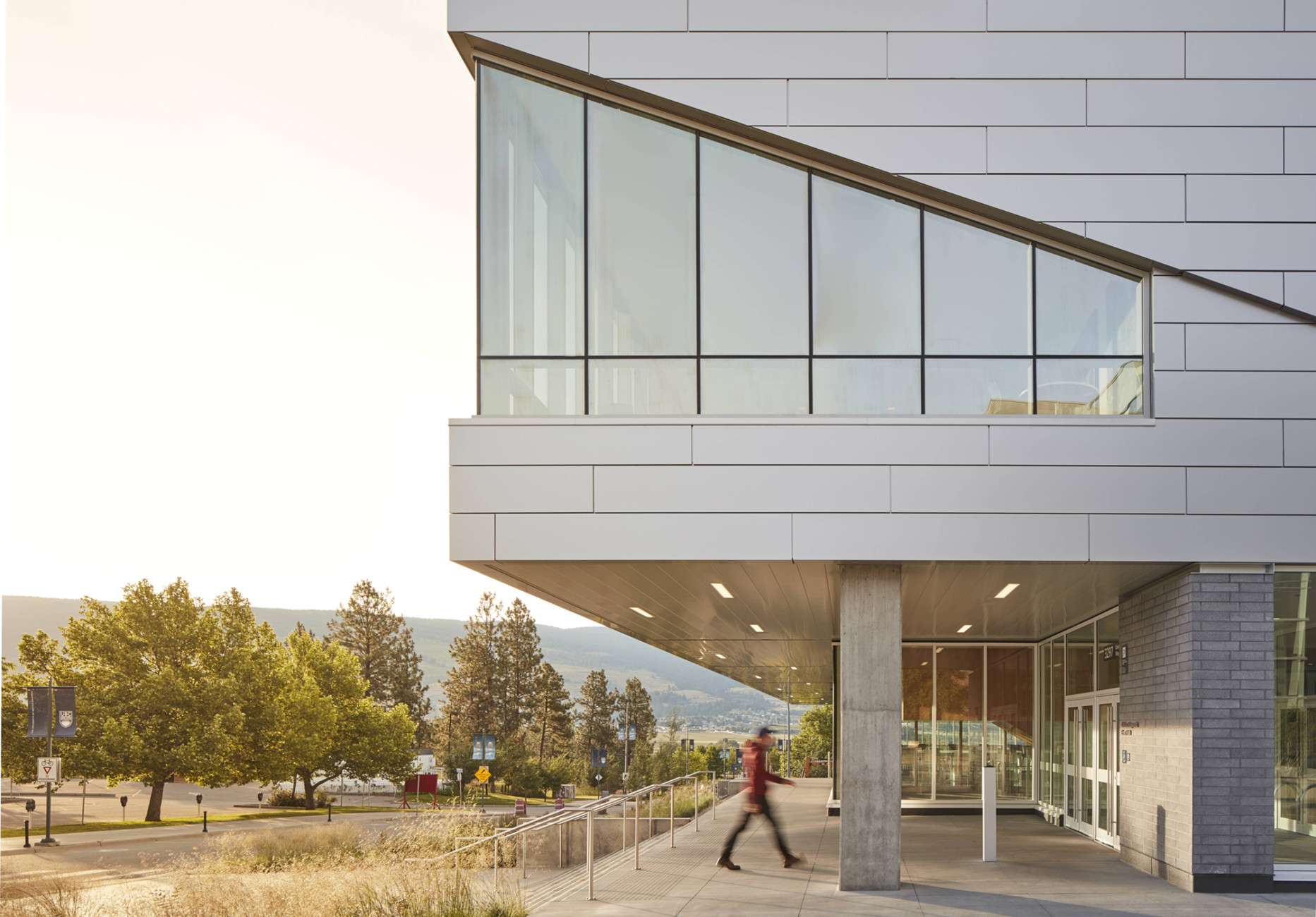
The UBCO Commons fulfills critical student needs for UBCO's expanding campus. Directly affiliated with the Library, the new Commons includes the largest Lecture Theatre on campus, Digital Technology Centre, a study and informal learning commons, academic building. Setting the tone for the rest of the campus, the Commons explores strategies for seasonal design, increased legibility of campus organization, and vibrant, memorable spaces.
Toronto Metropolitan University (TMU) Centre for Urban Innovation
No items found.
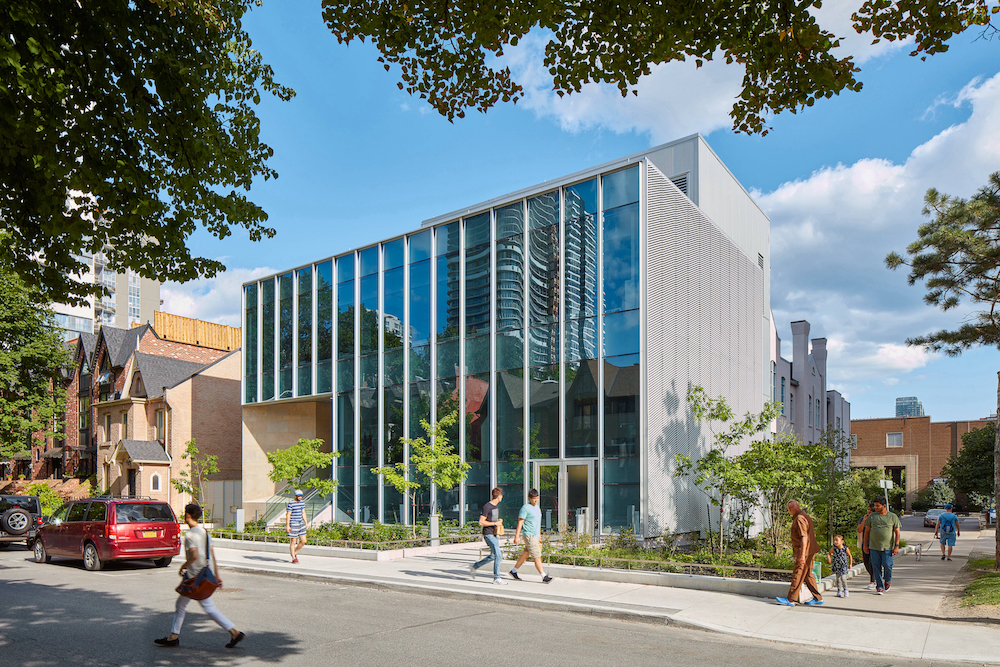
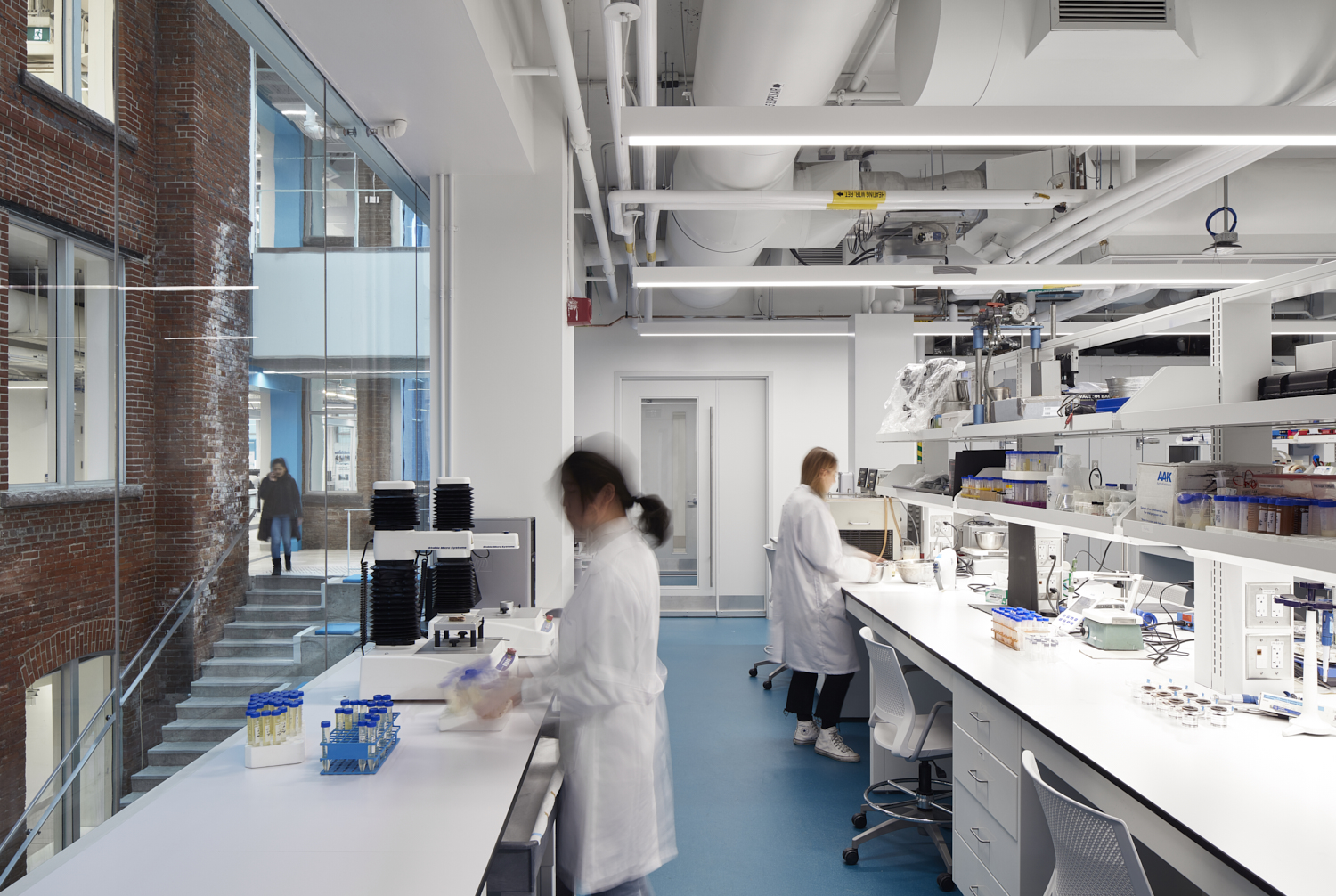
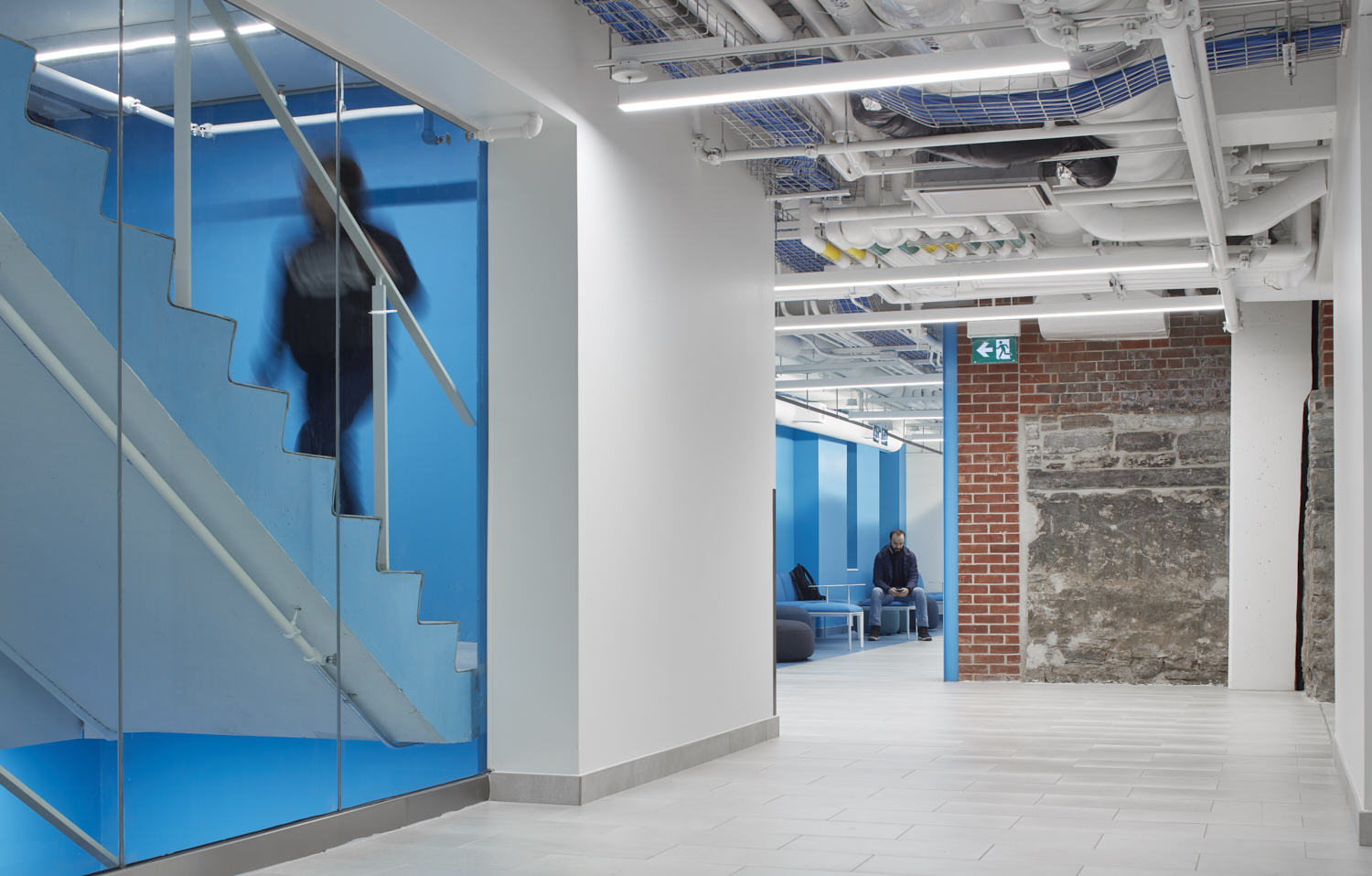
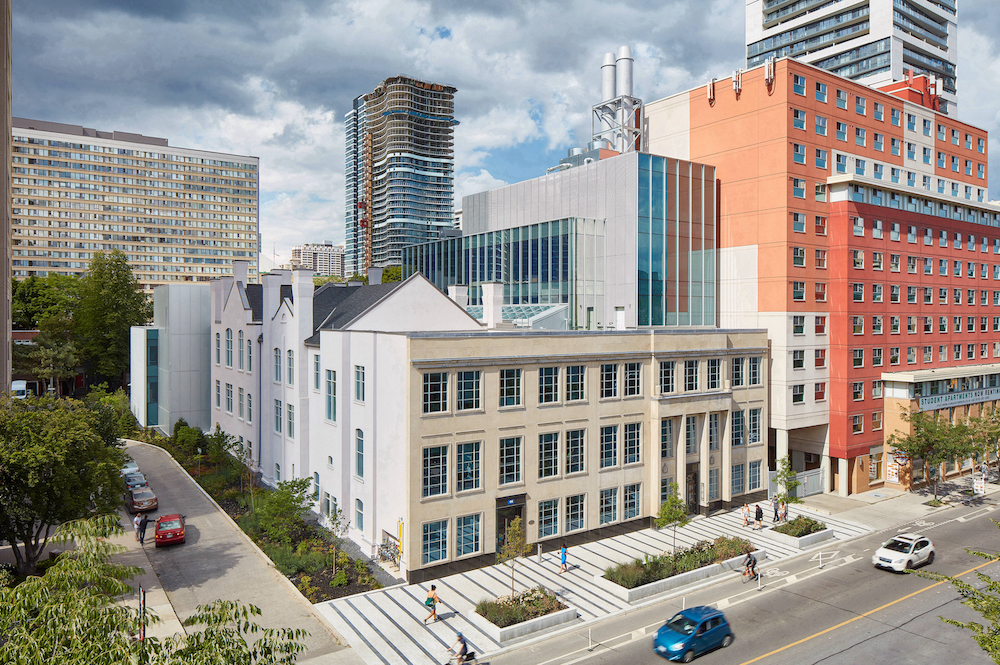
Toronto Metropolitan University's Centre for Urban Innovation is a facility where science research labs, fabrication, incubation, assembly spaces, and commercial spaces come together to create real world applications for the urgent urban issues of our time --- energy, water, and nutrition. An addition to an existing heritage building, the project embodies the spirit of resilience and adaptive reuse by preserving the original structure and inserting two major volumes that house lab functions and a research facility.
Limberlost Place (formerly the Arbour) at George Brown College Wins the Canadian Architect Award of Excellence
No items found.
The Holy Trinity Catholic School
No items found.
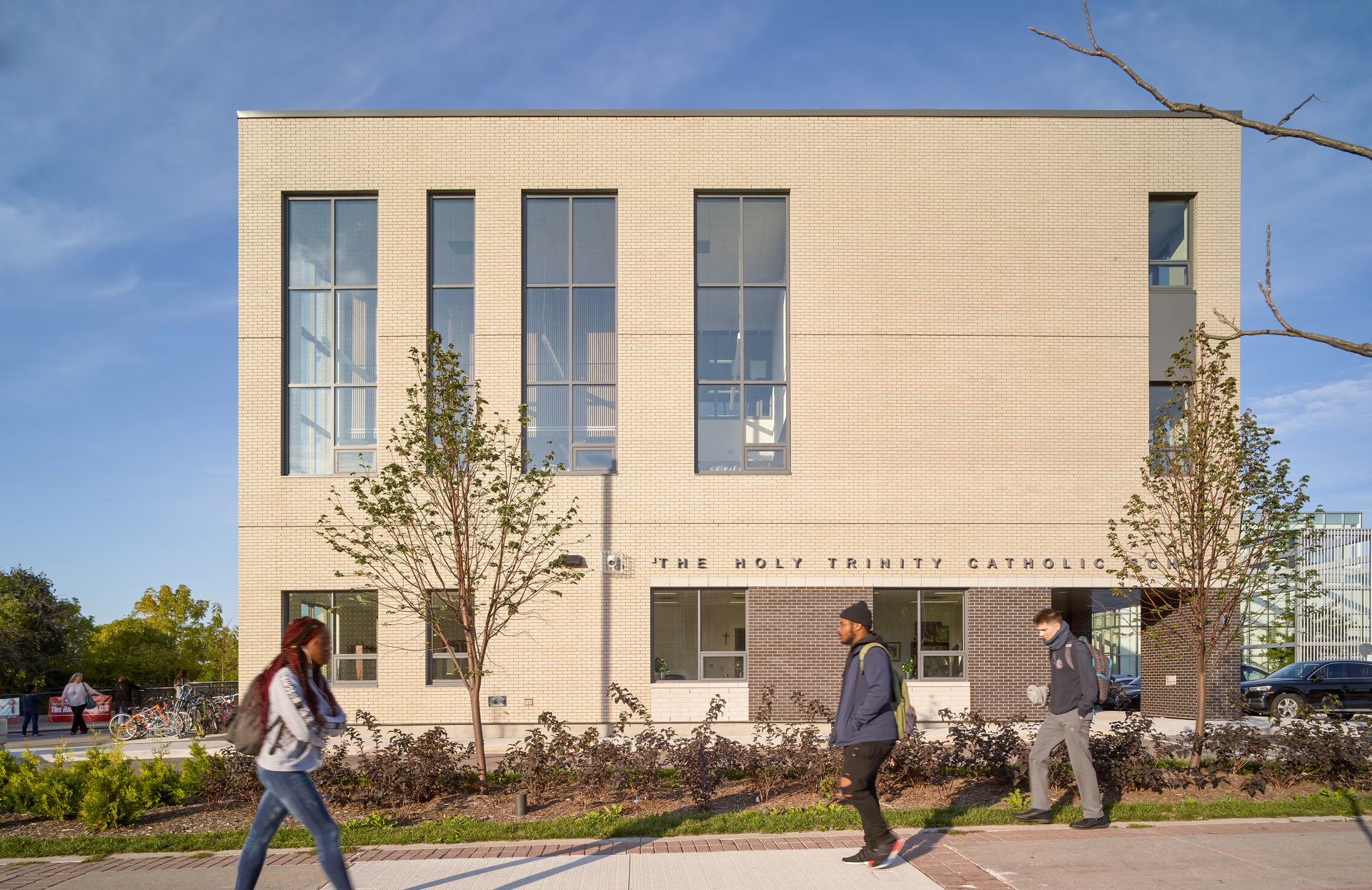
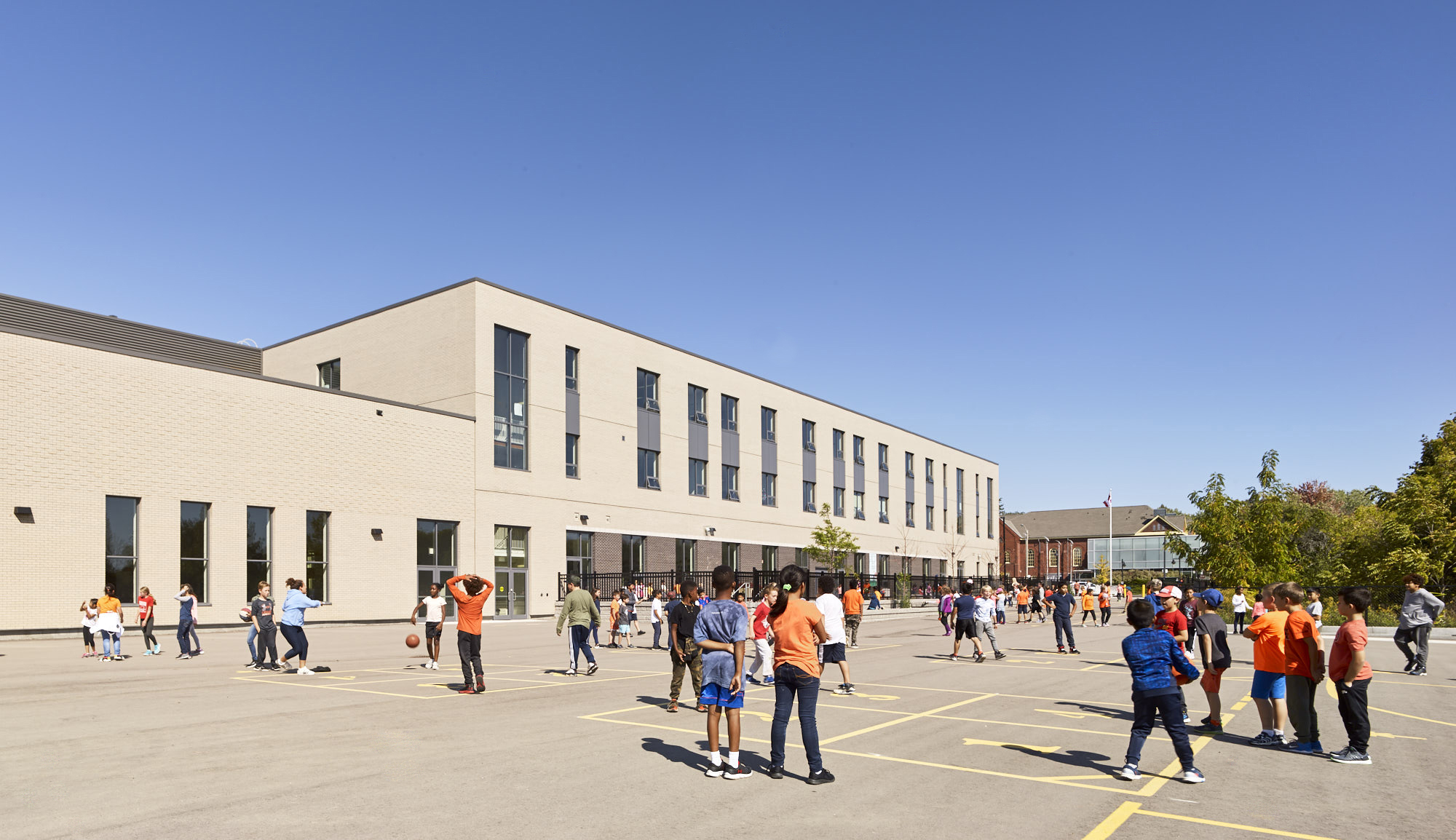
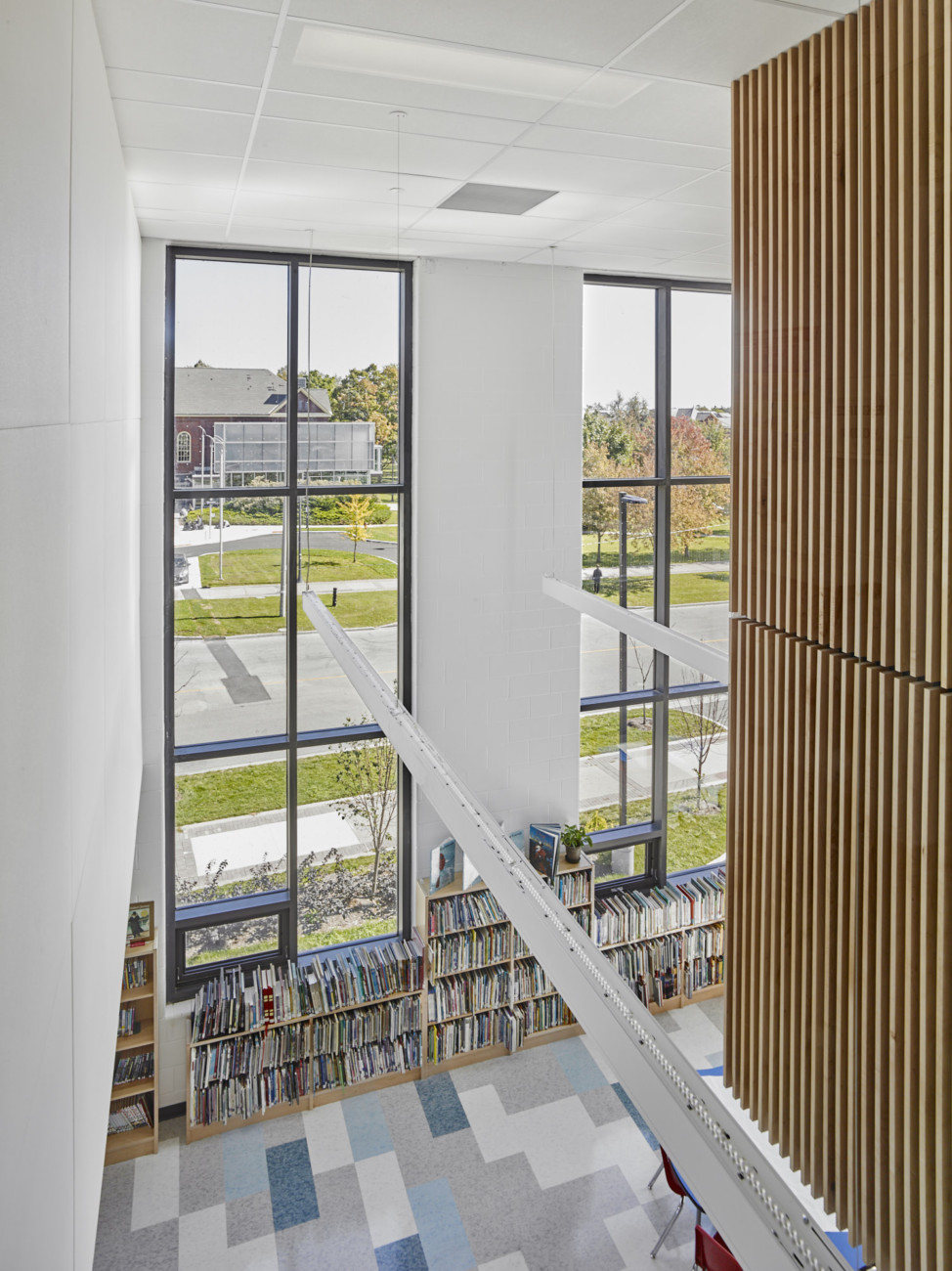
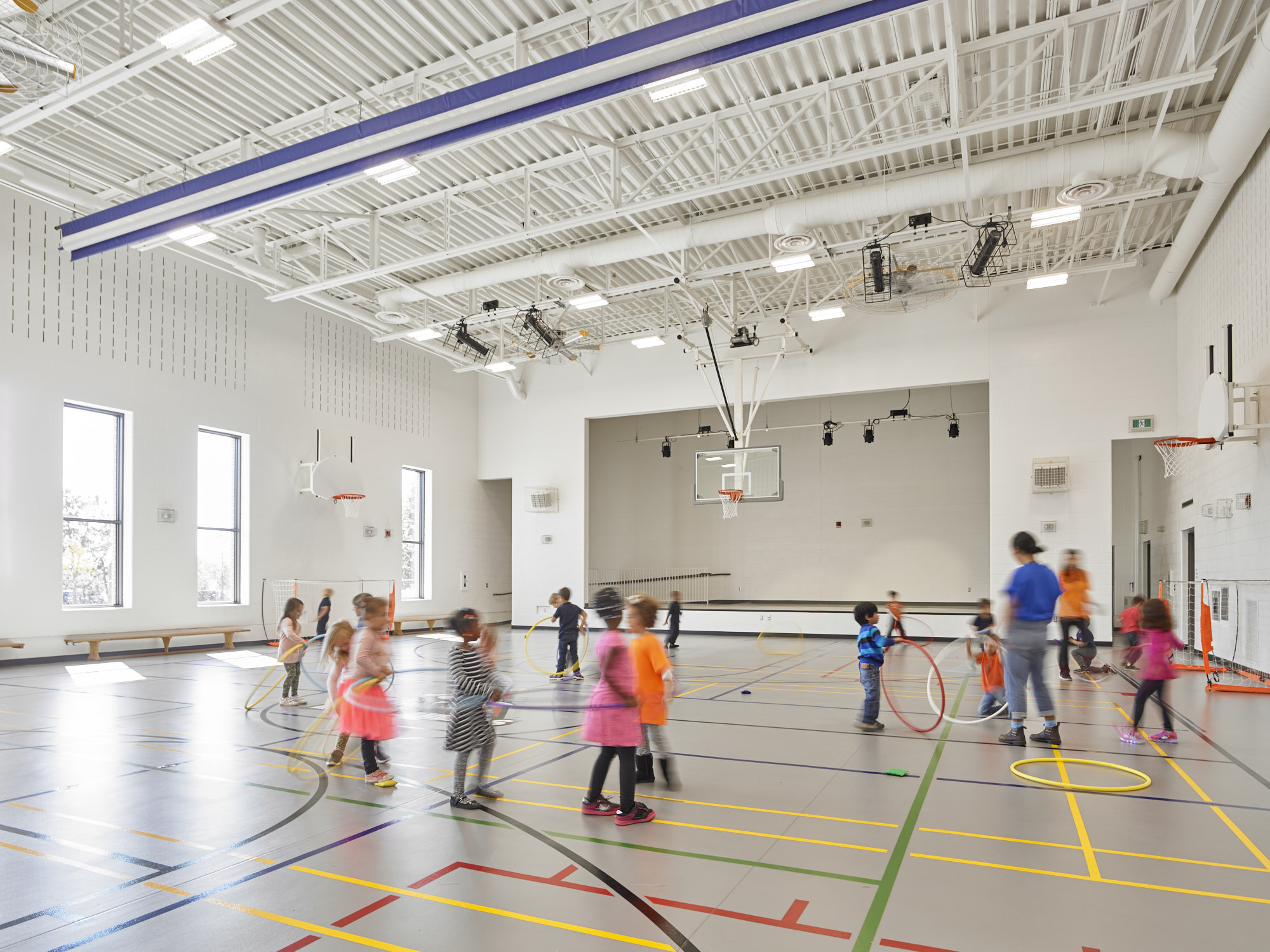
Located between Lake Ontario and Lakeshore Boulevard, and within the historic grounds of Colonel Samuel Smith Park, the Holy Trinity Catholic School is designed for 536 students from junior kindergarten through eighth grade. The school is bordered by a scenic hundred-year-old heritage apple orchard, as well as Humber College's new academic facilities.
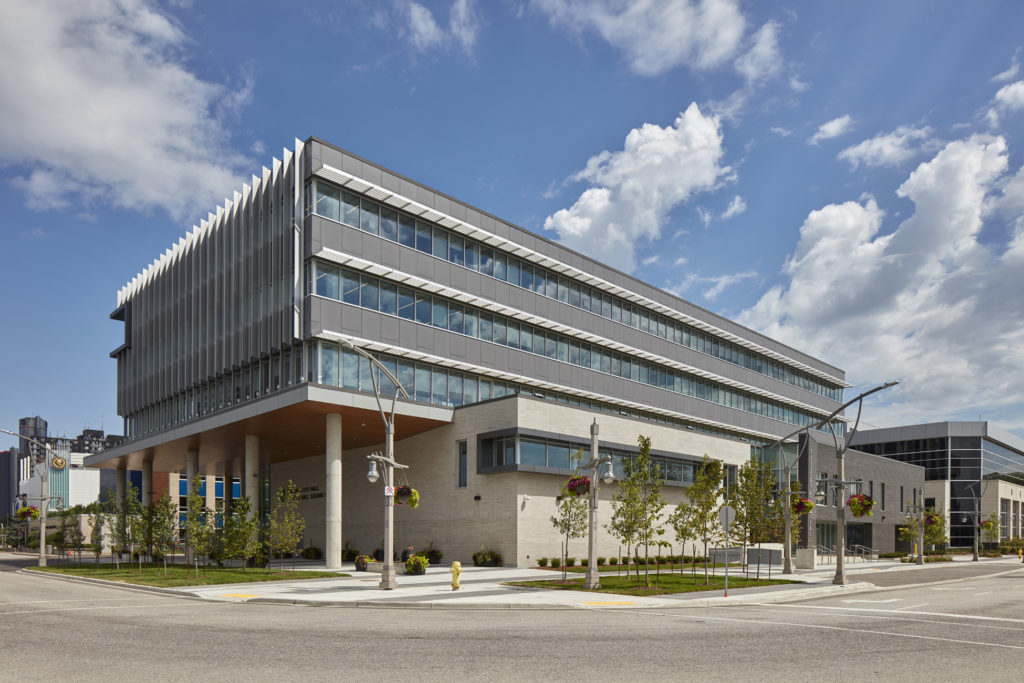
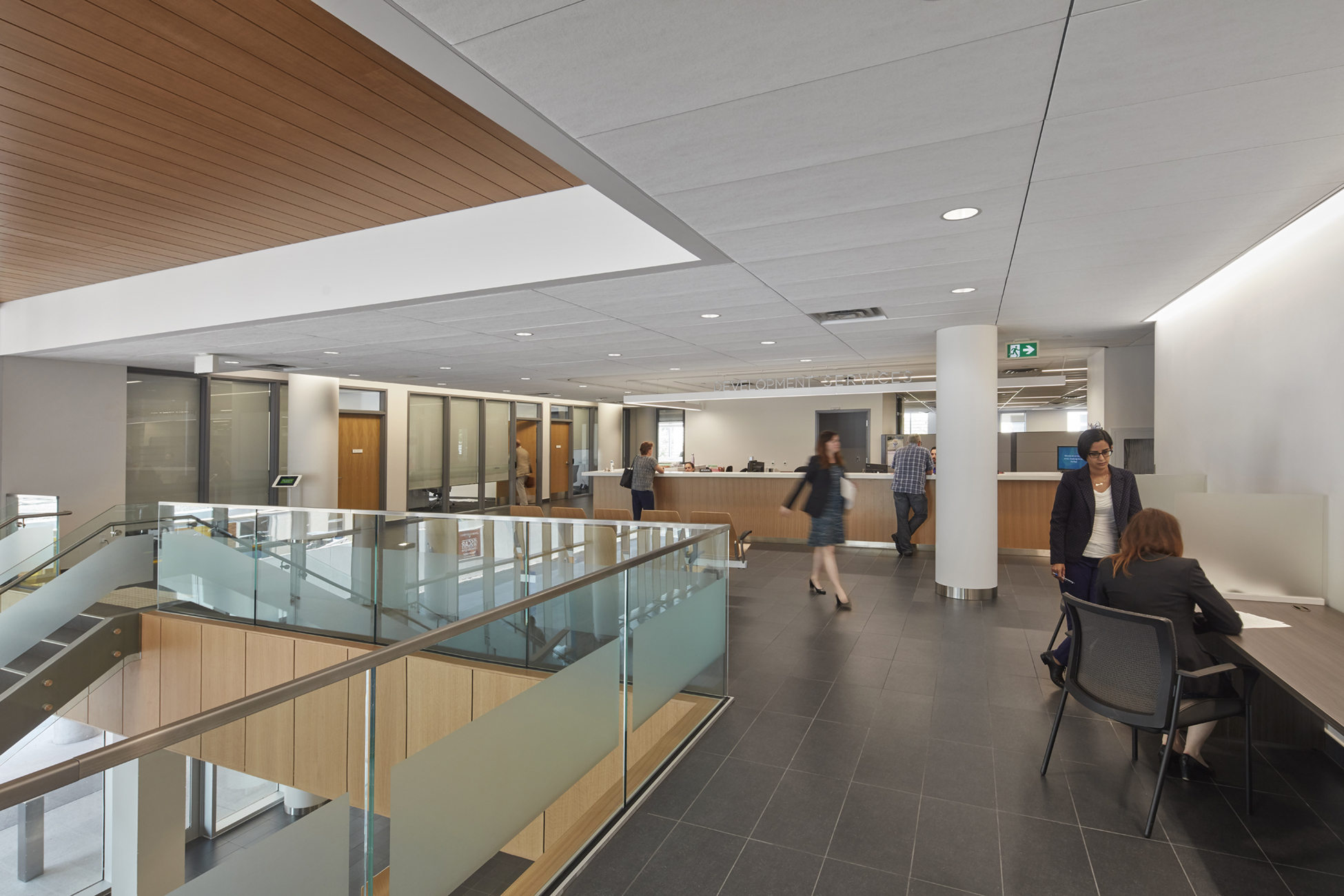
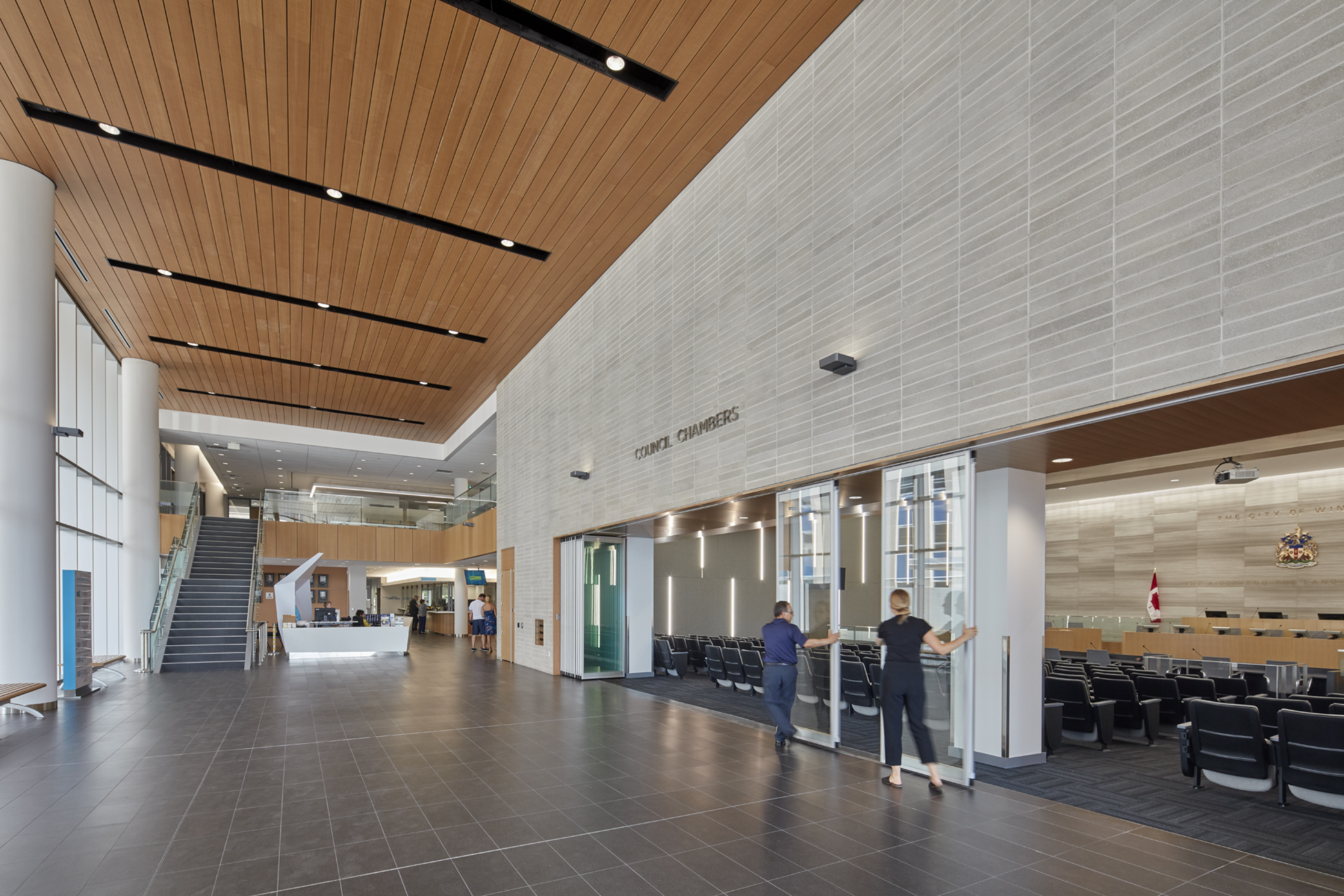
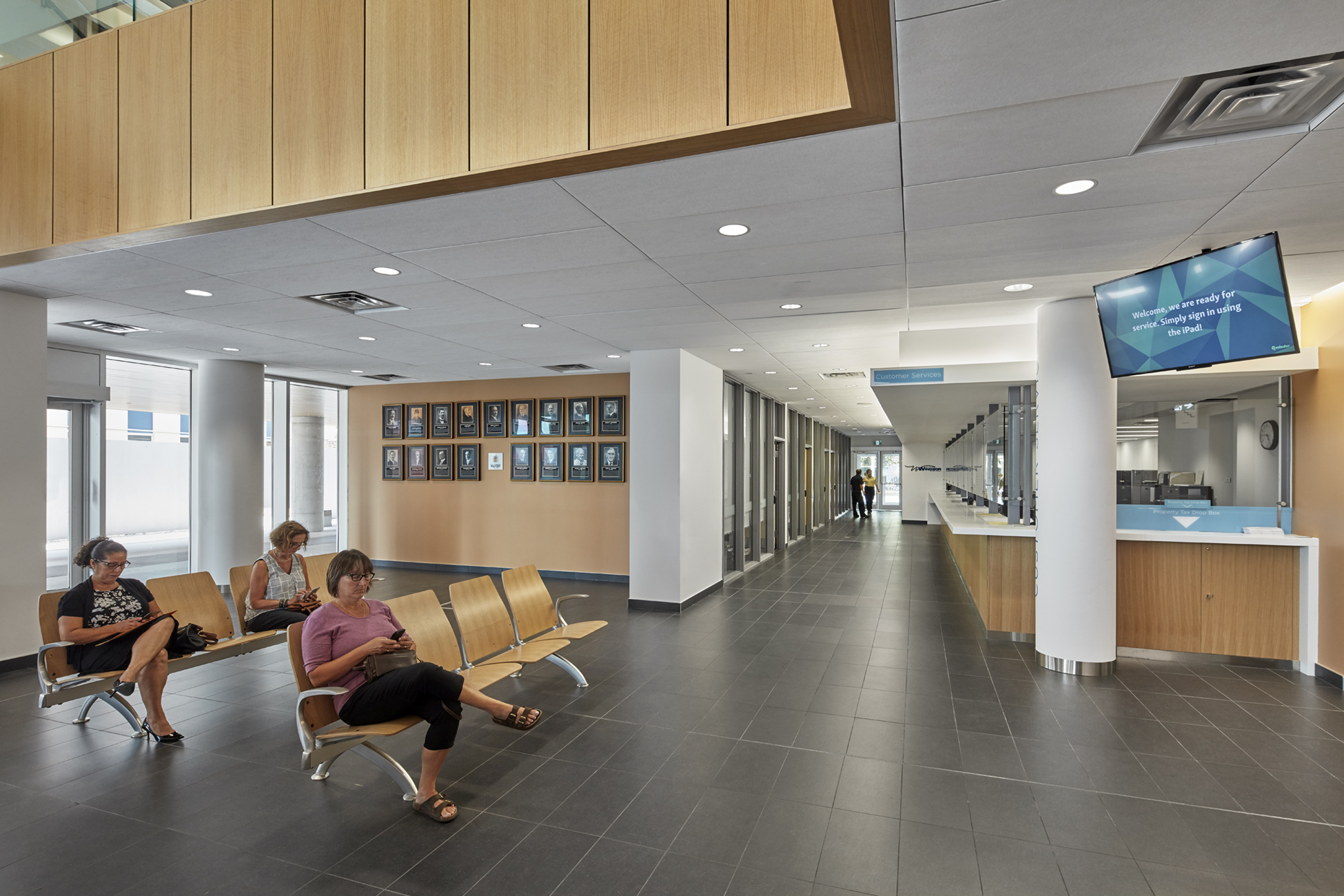
Windsor City Hall
No items found.
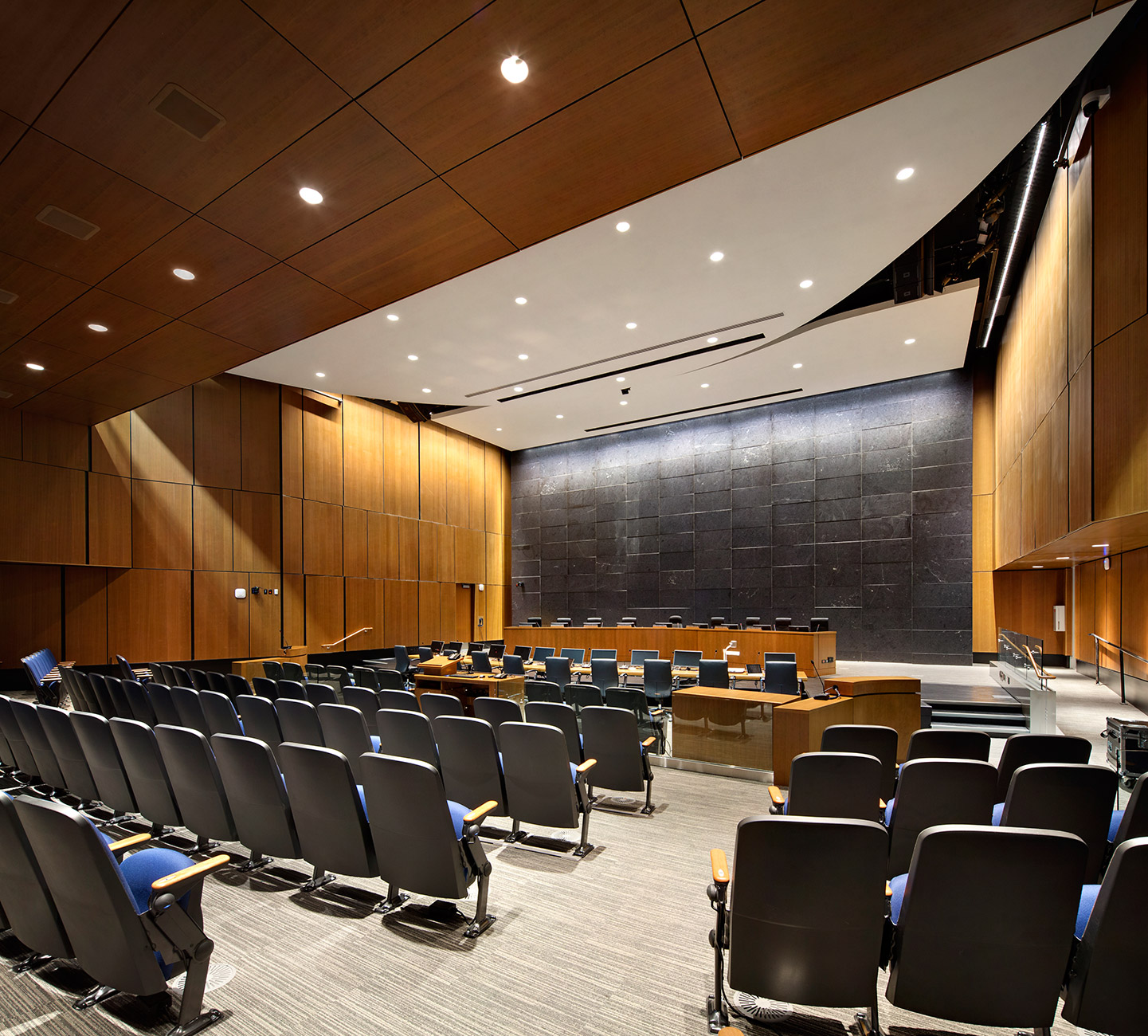
Together with Architecttura Inc., Moriyama Teshima Architects delivered a beautiful building to the City of Windsor that is efficient, transparent, functional, customer service oriented, sustainable, and cost-effective. Standing in the parking lot directly behind the existing City Hall and adjacent to the waterfront park, the 107,000 SF City Hall is central to the new civic square which will additionally include development from the University of Windsor, St. Clair College, as well as cultural and recreational facilities.
2016
Etihad Museum
No items found.
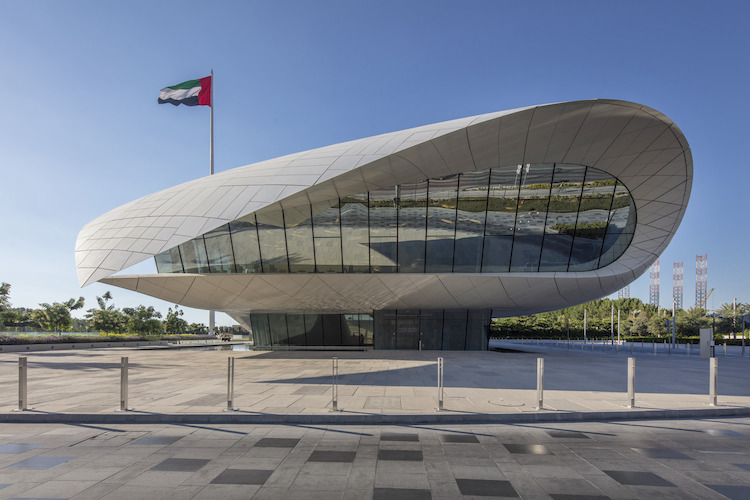
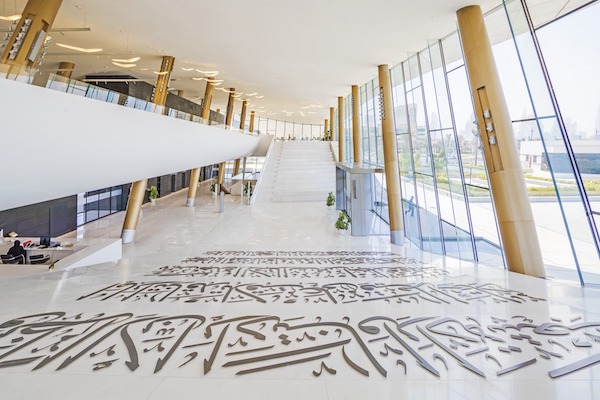
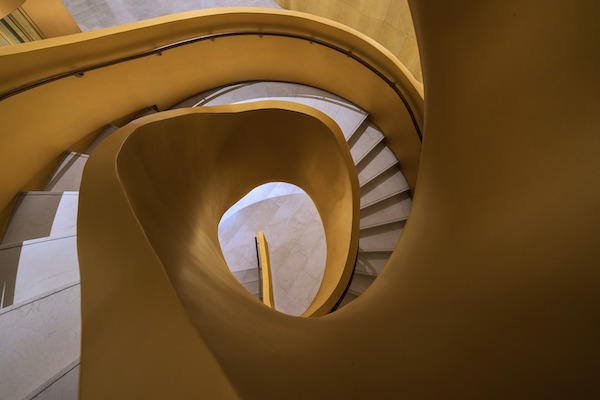
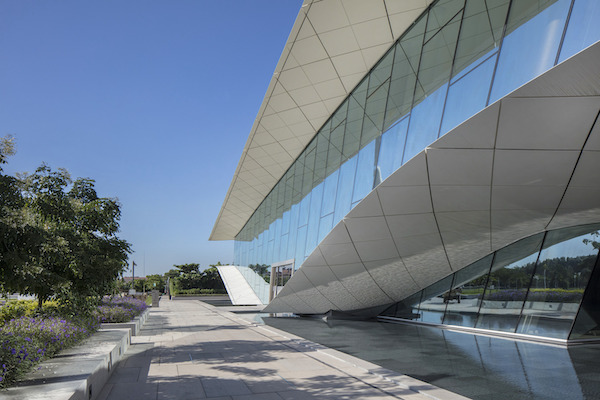
The Etihad Museum honours the 1971 signing of the document that created the United Arab Emirates and celebrates the rich culture and history of its people. The dramatic entrance pavilion rests lightly upon a reflecting pool and plaza, its undulating parabolic curves representing the parchment upon which the unification agreement was written and its tapering golden columns representing the pens with which the document was signed.
Sheridan College Hazel McCallion Campus, Phase 2
No items found.
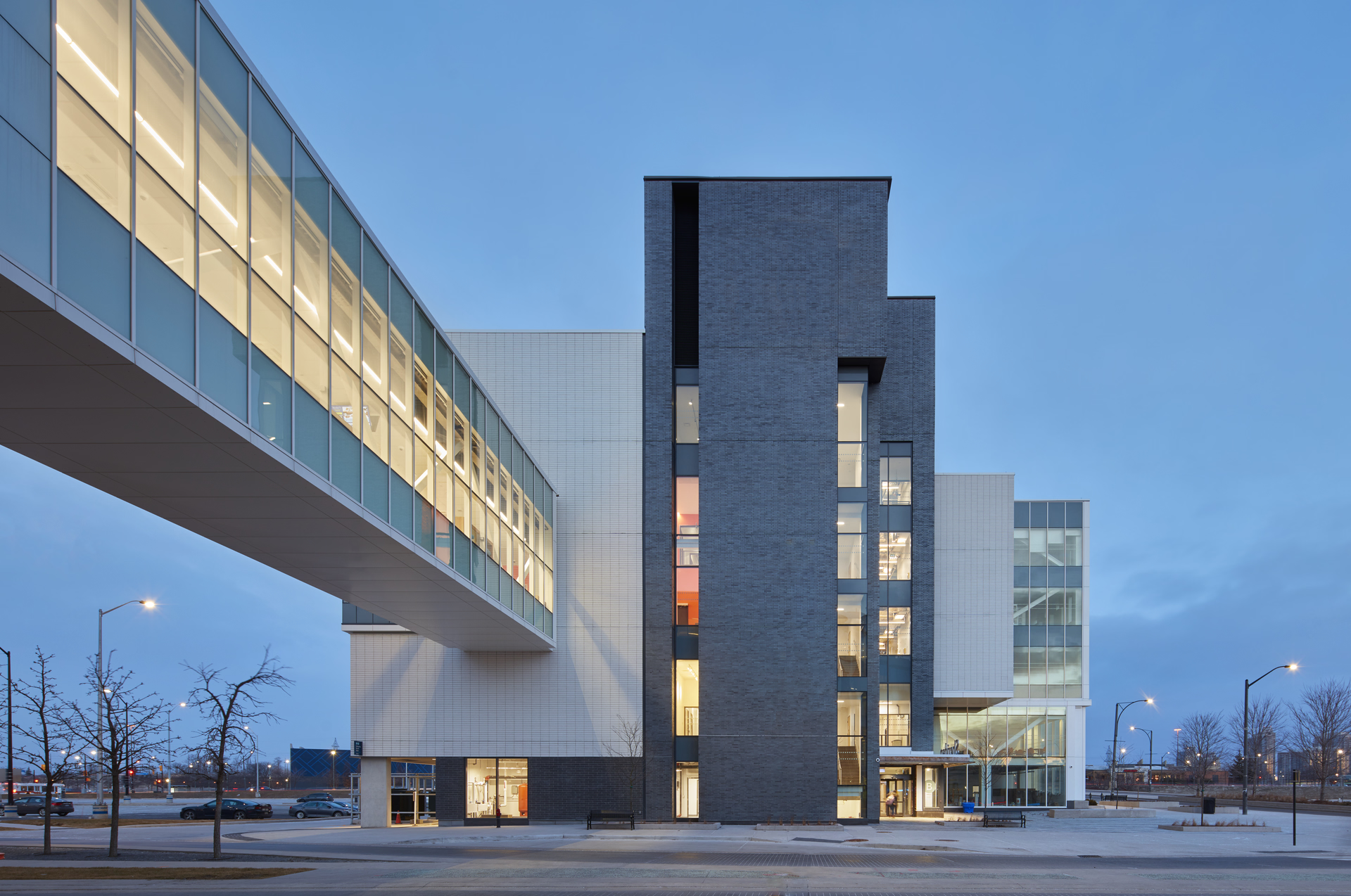
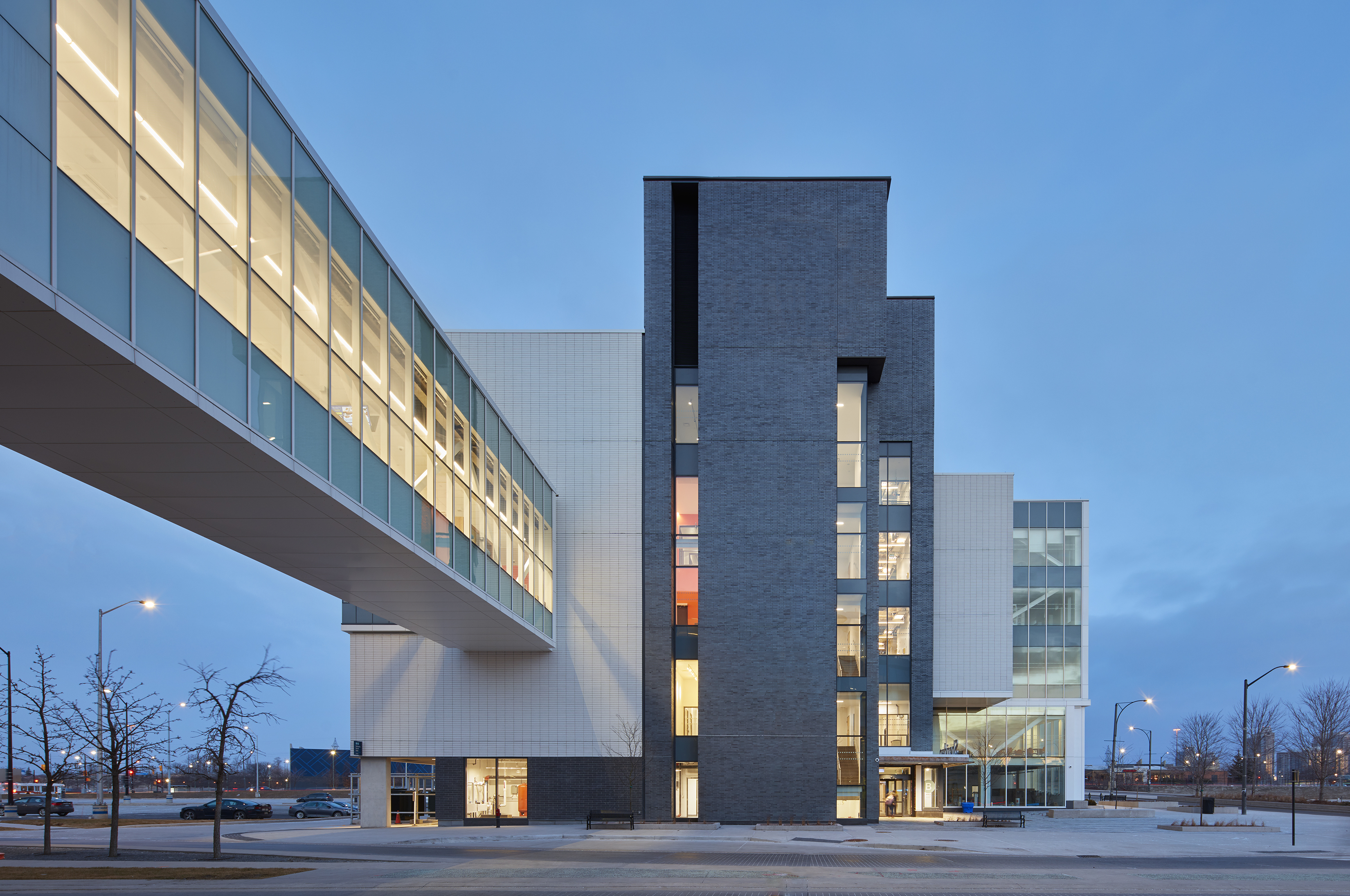
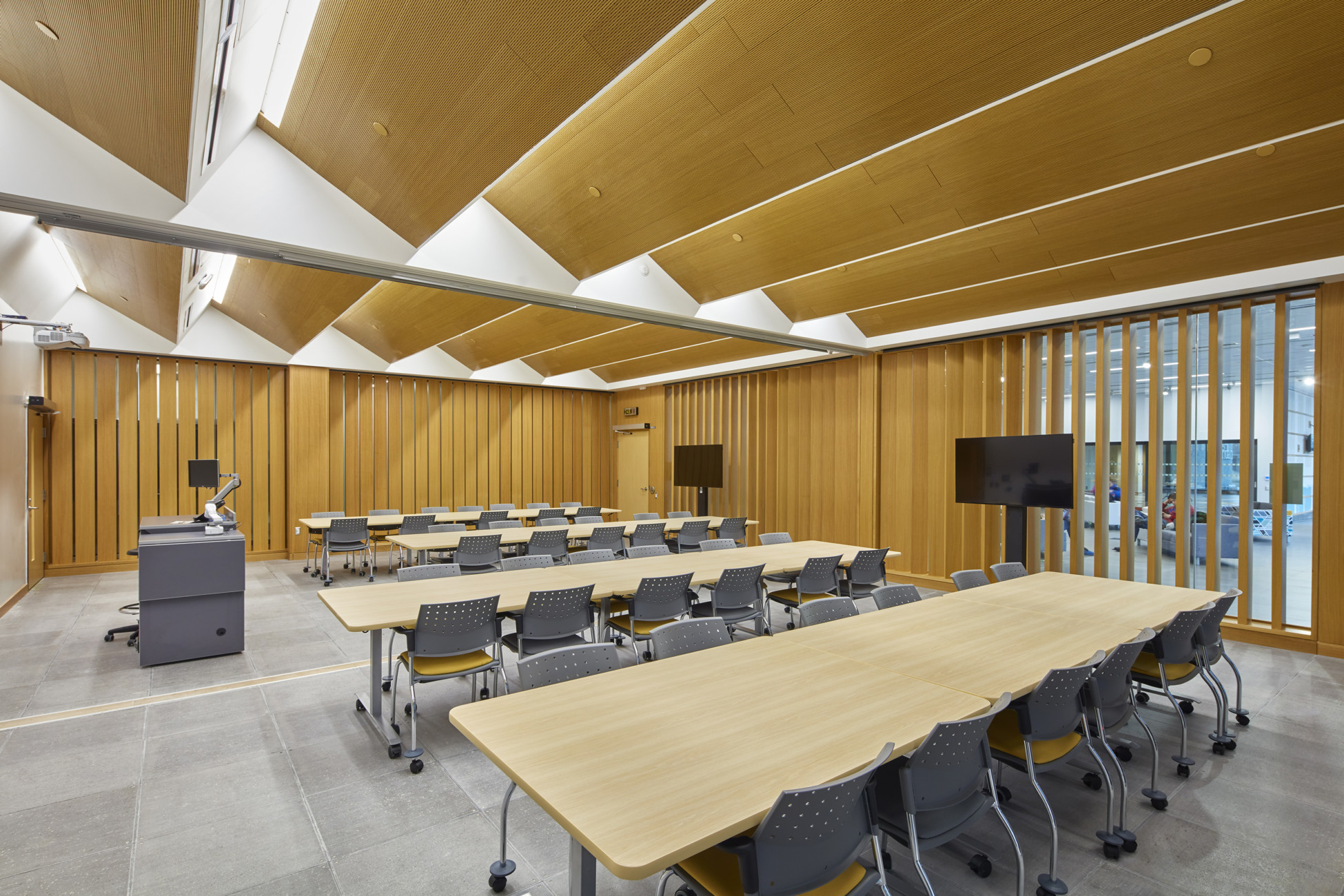
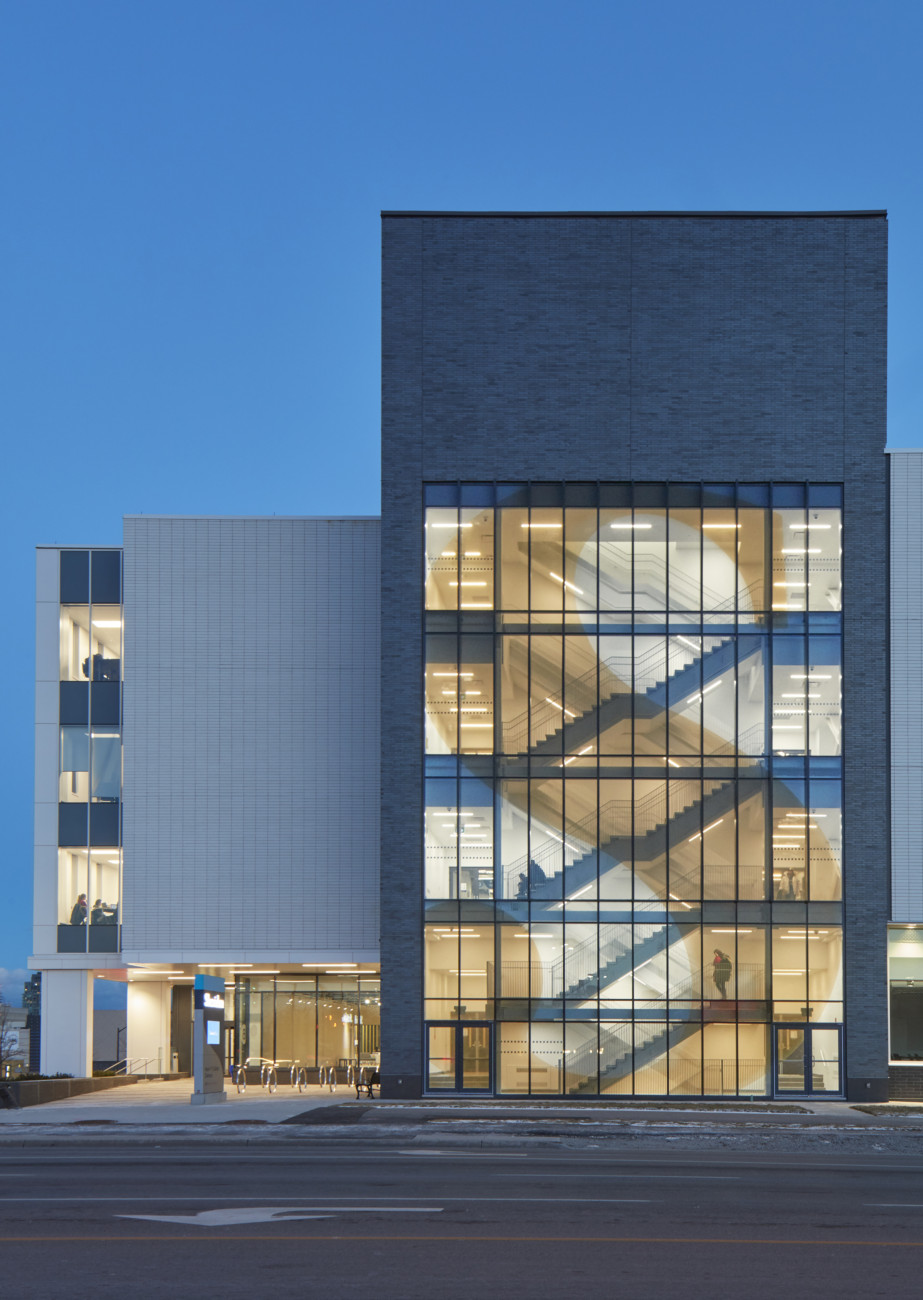
The HMC2 is the second building designed for Sheridan's Mississauga Creative Campus by Moriyama Teshima Architects and Montgomery Sisam Architects. Housing Sheridan's Sustainable Built Environment Department, consisting of Architecture, Interior Design, Interior Decorating and Visual Merchandizing programs, the project contributes to Sheridan's ambitious urban design vision that aims to densify and energize Mississauga's downtown core.
Canon Canada Inc. Headquarters
No items found.
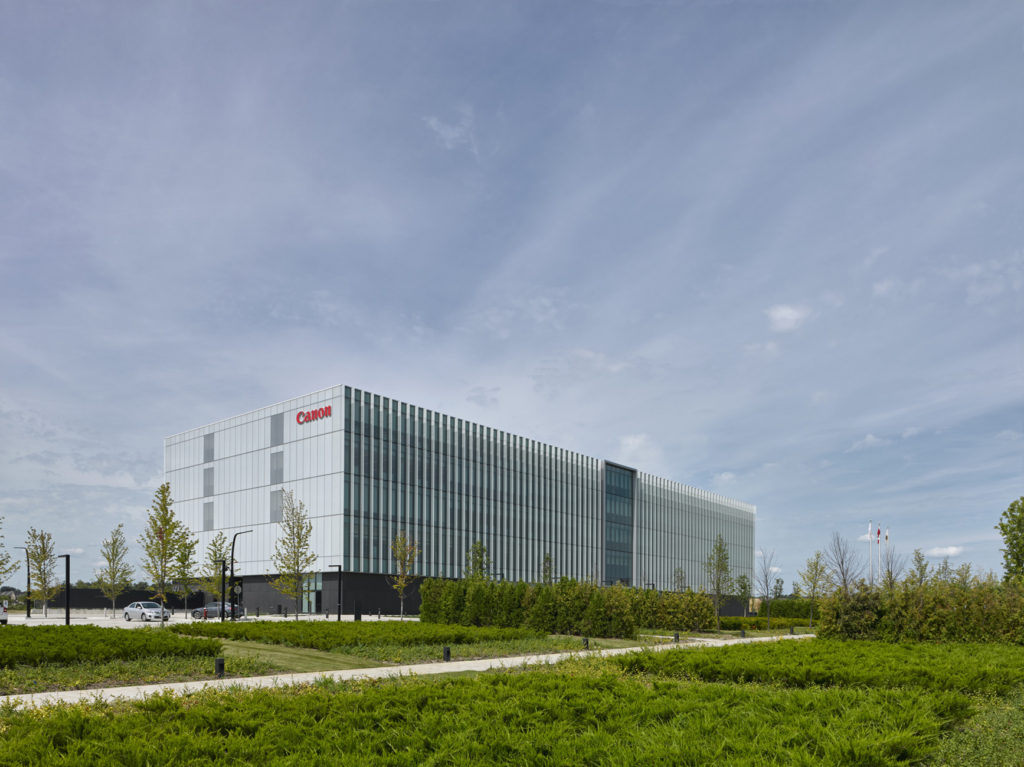
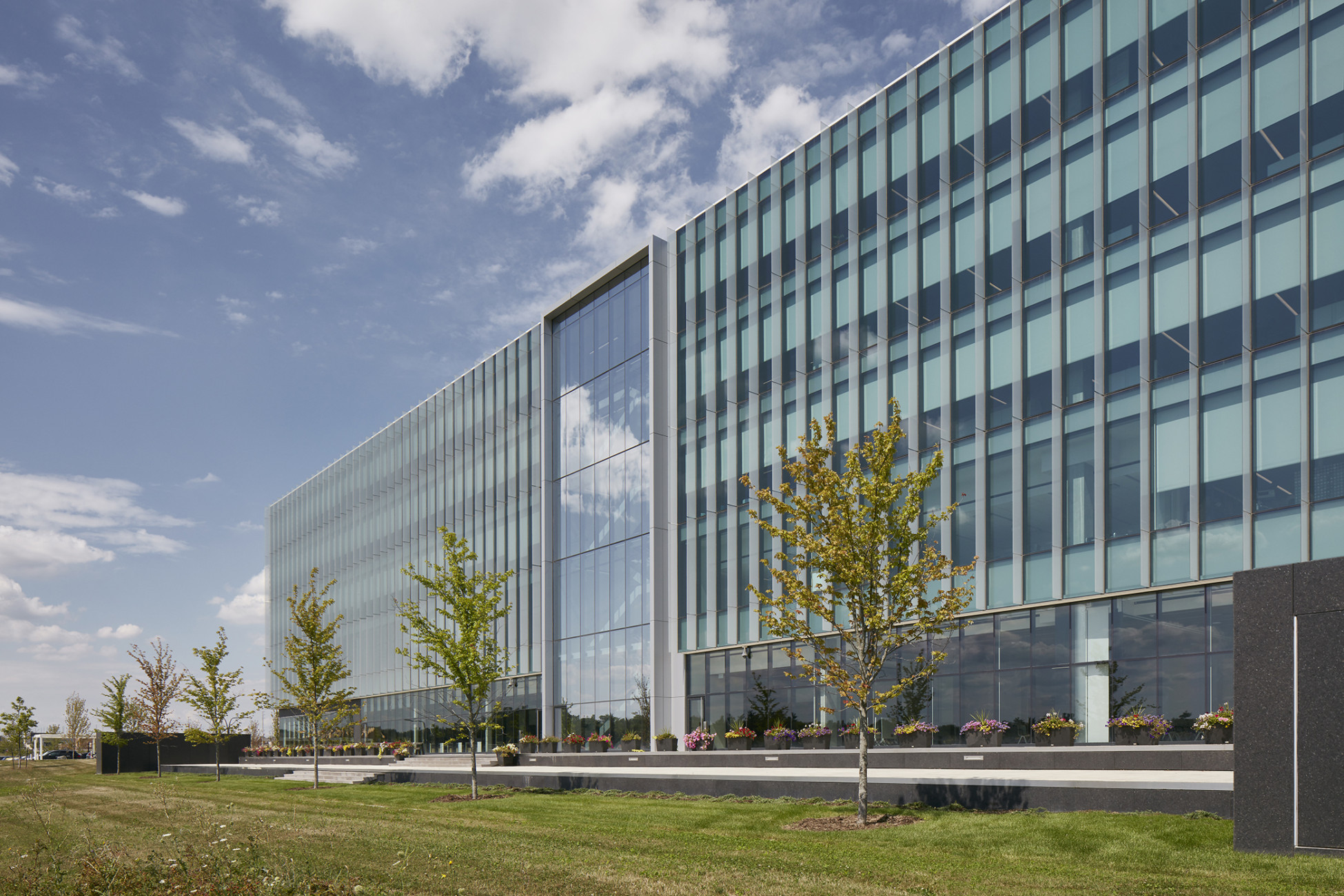
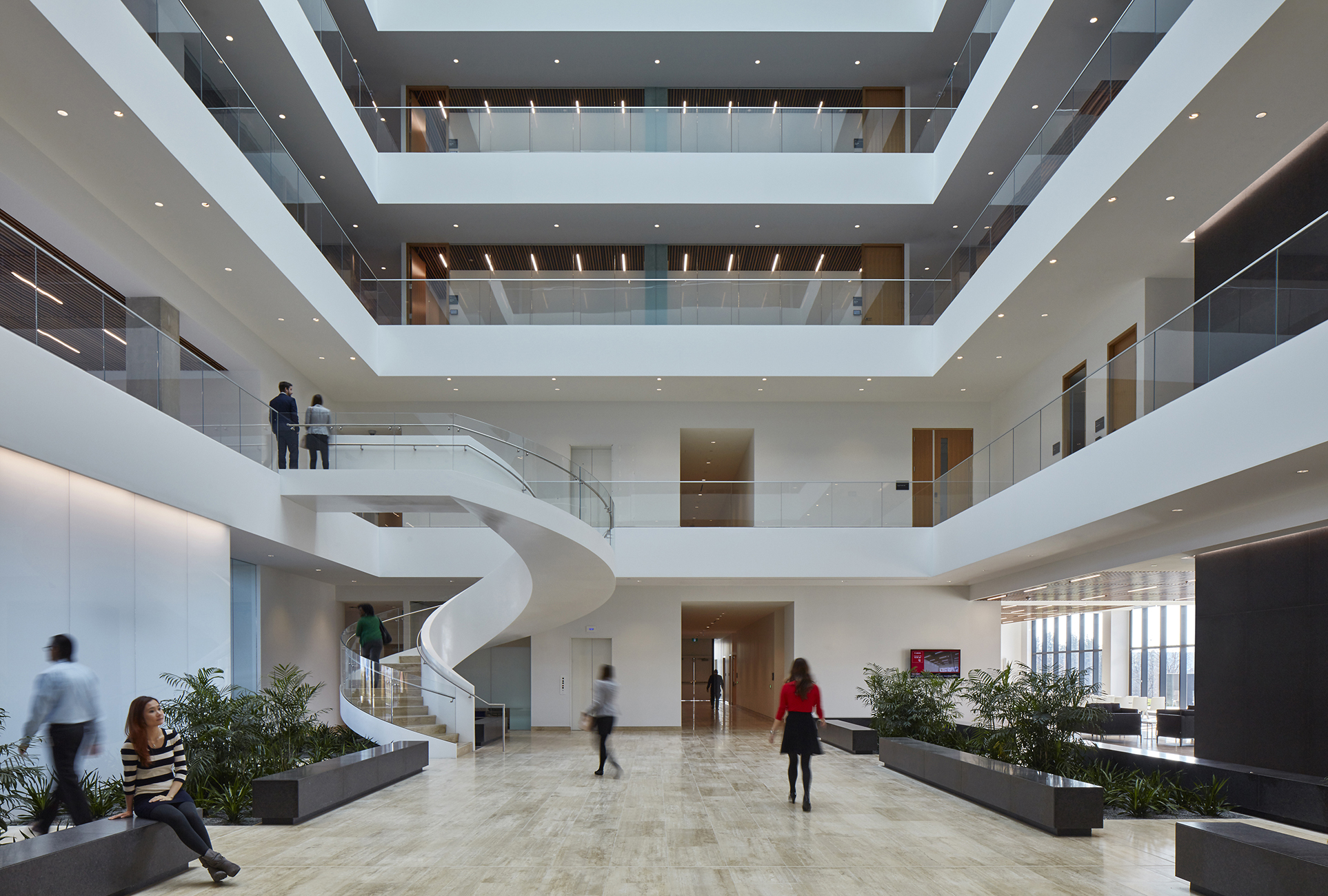
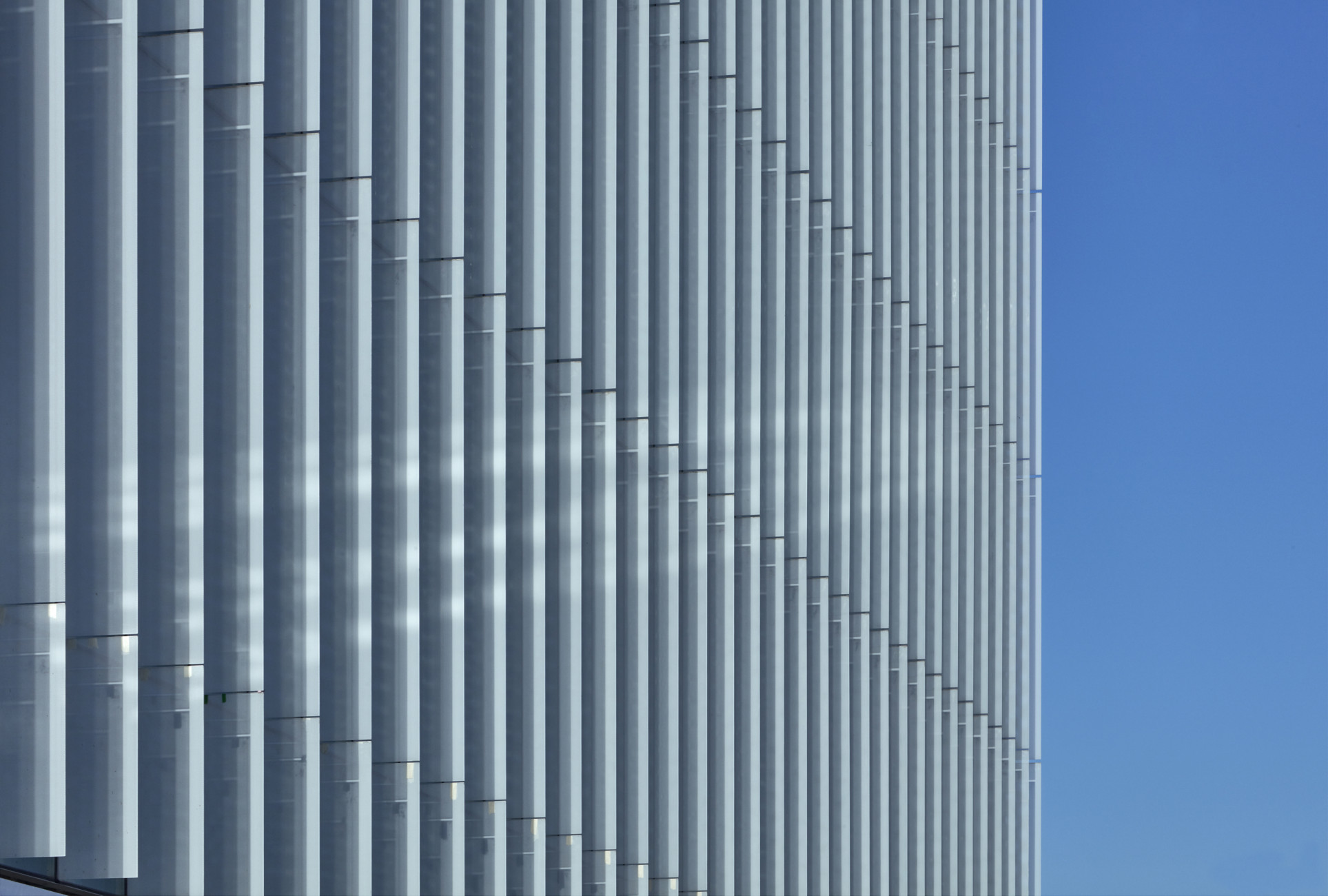
Certified LEED Gold, Canon Canada's new headquarters in Brampton, Ontario, demonstrates a creative approach to sustainability and design while promoting employees' healthy lifestyle. The strategic placement of the building on the site was key to ensuring the client's vision for a "building within a park", allowing generous views and connections to nature. The building's interiors balance privacy and collegiality in an open and serene environment.
Discovery Centre, Halifax
No items found.
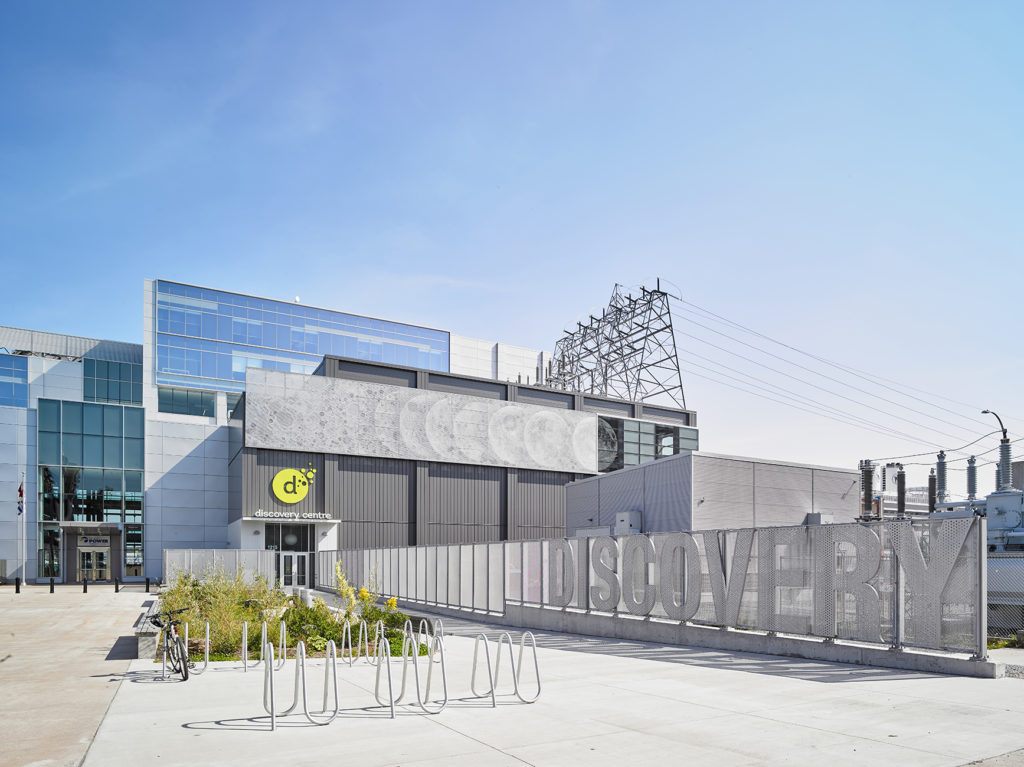
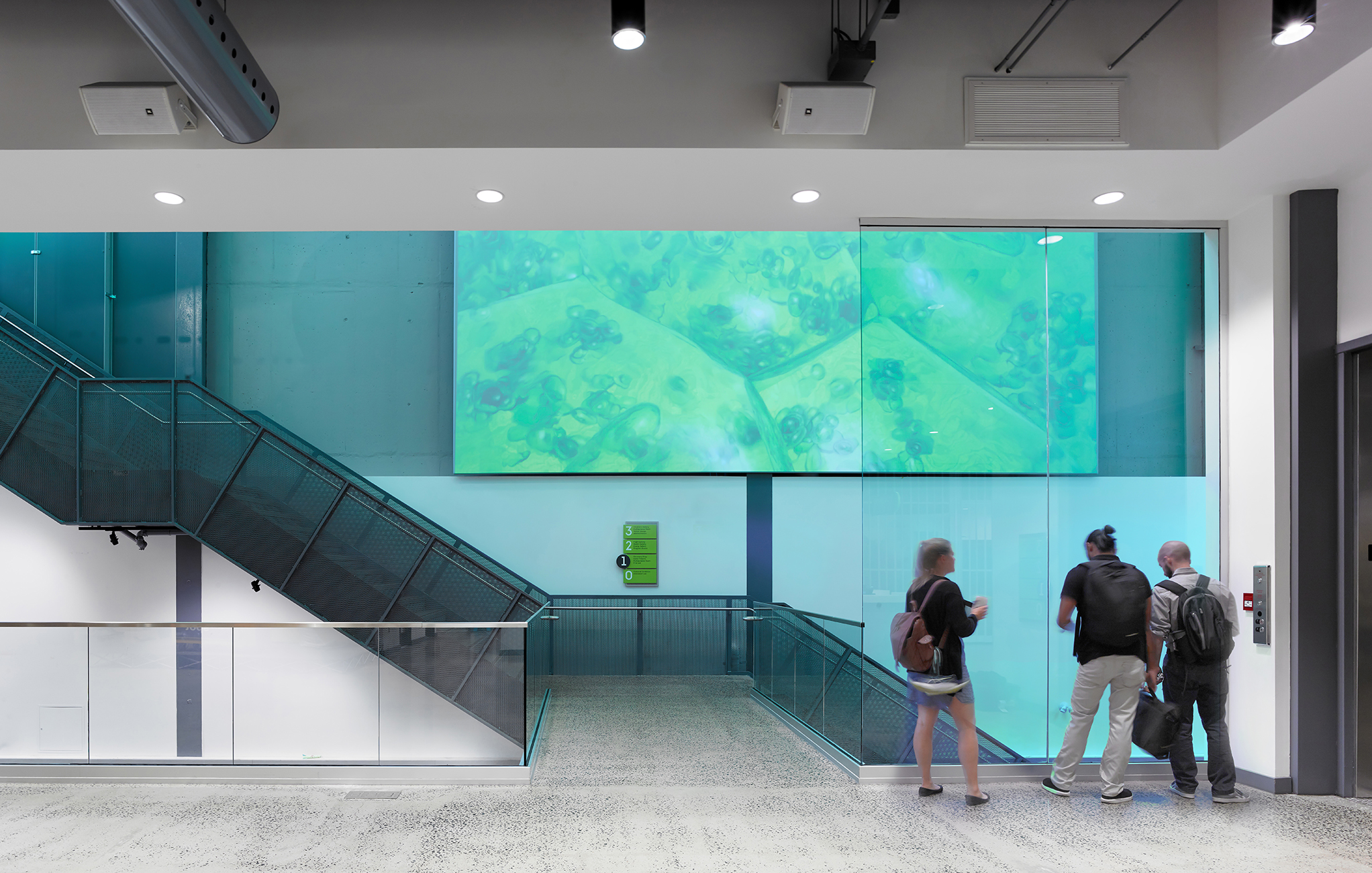
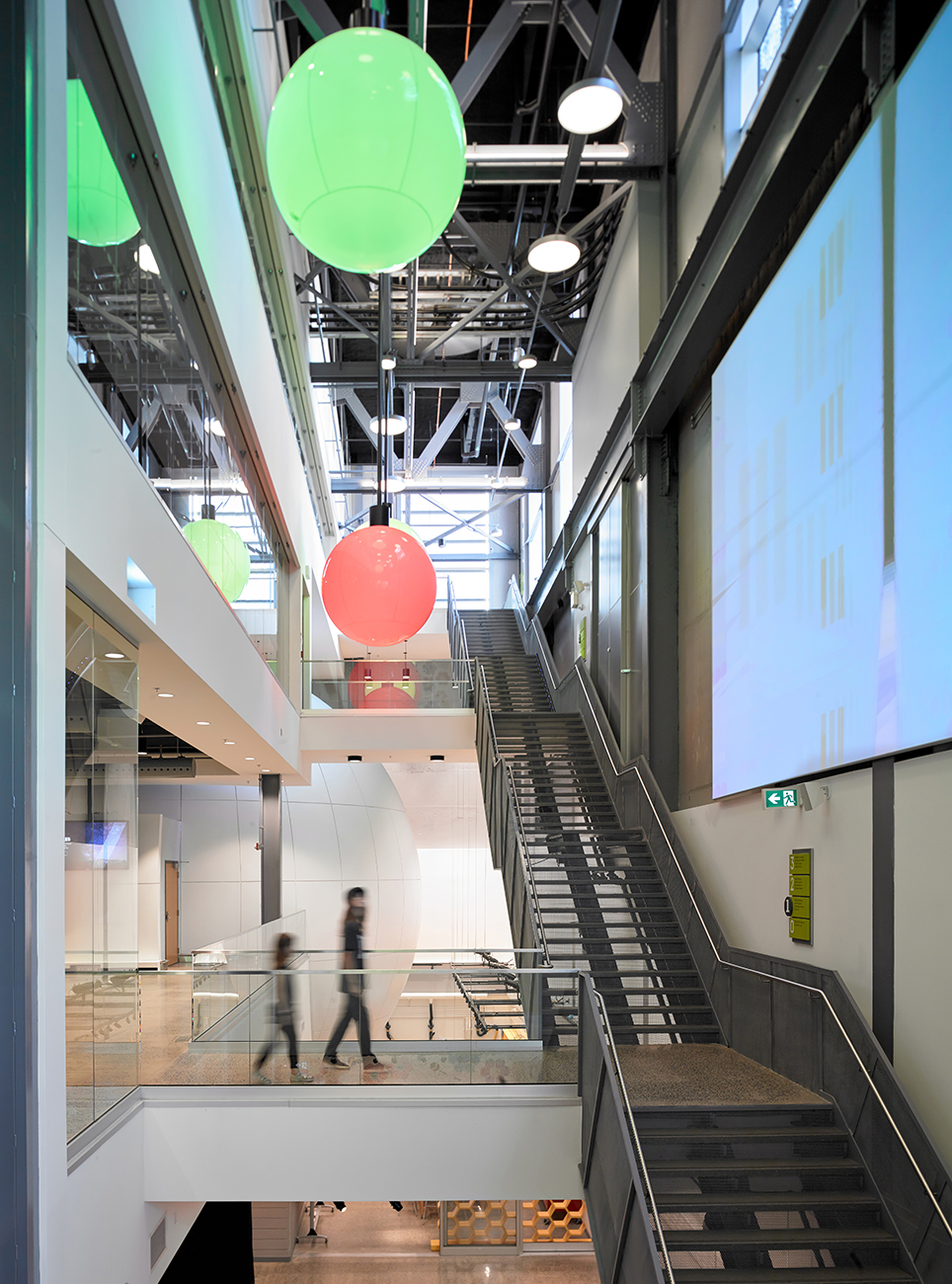
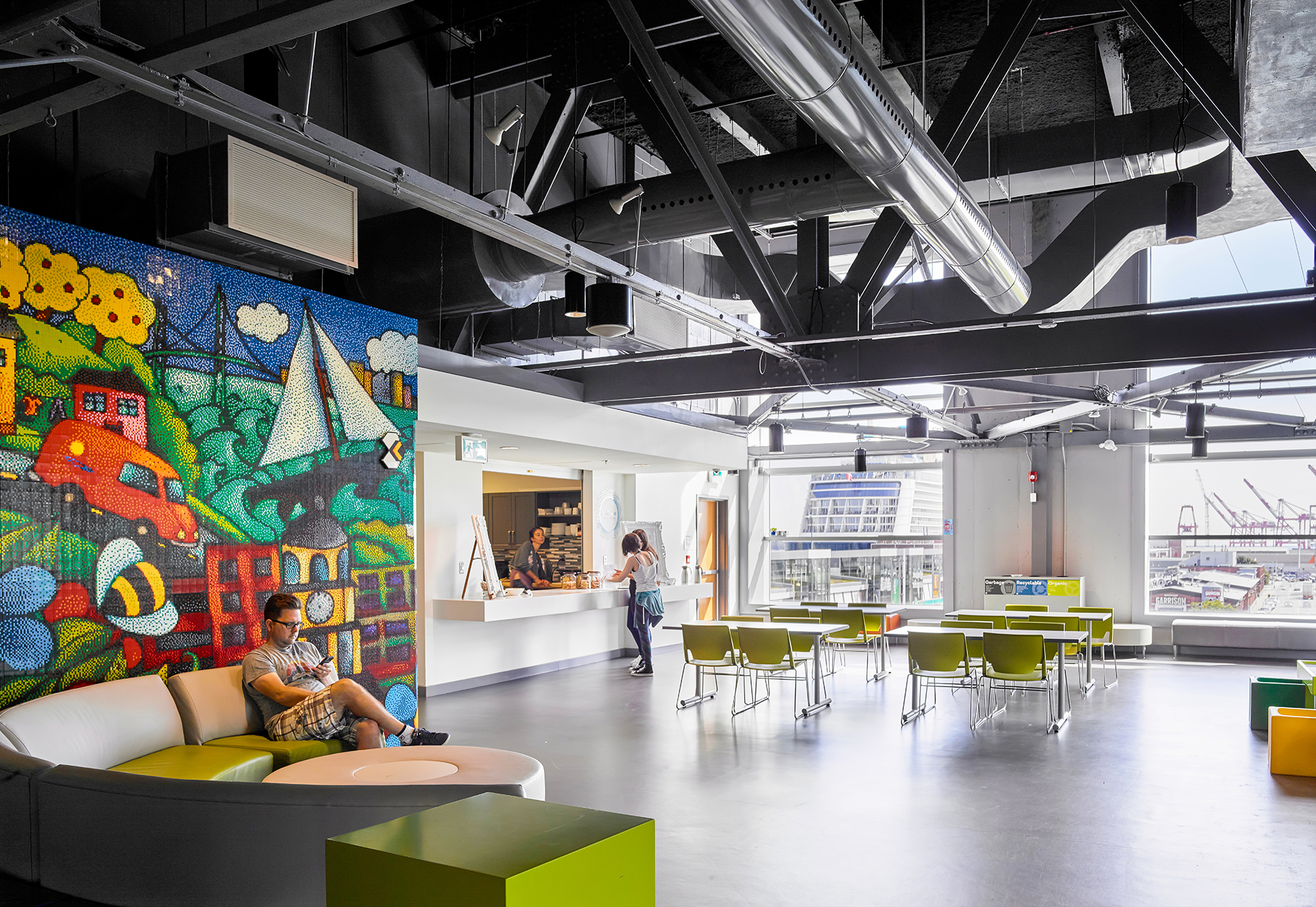
The Discovery Centre transformed a former power station into a cultural attraction on the Halifax waterfront. The creation of thematic indoor and outdoor installations that are both interactive and sculptural, emphasize the Centre's connection to the Maritimes, adding vitality to the harbourfront with its programming, permanent galleries, immersive dome theatre, traveling exhibits, and special events.
Humber College Athletics Centre
No items found.
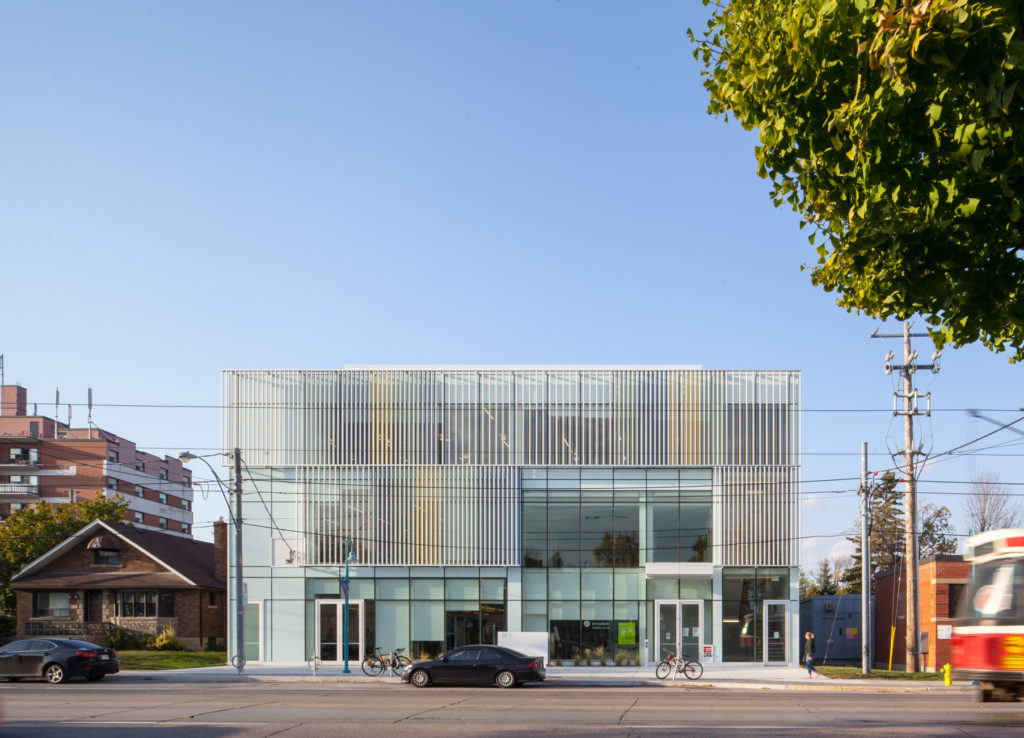
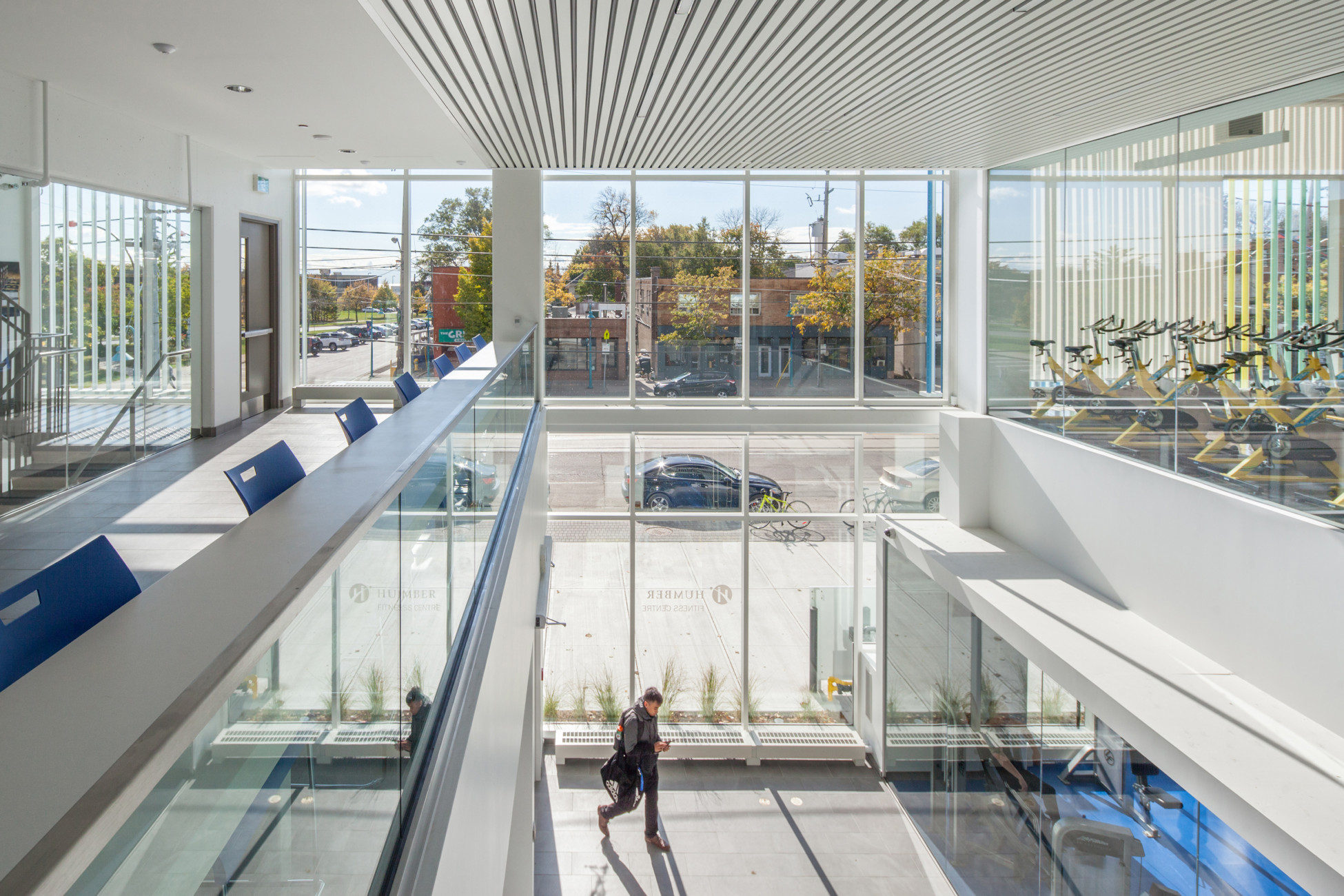
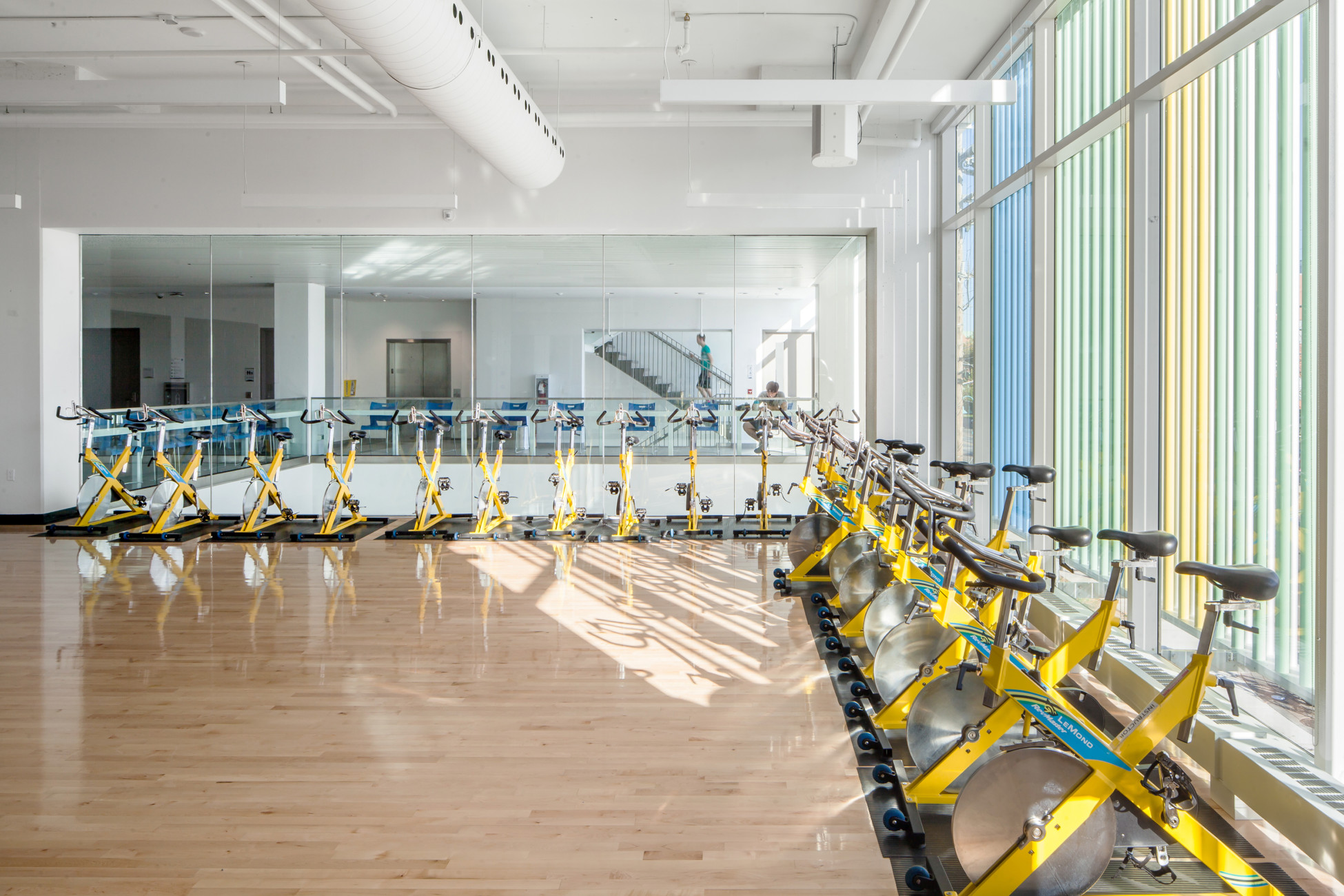
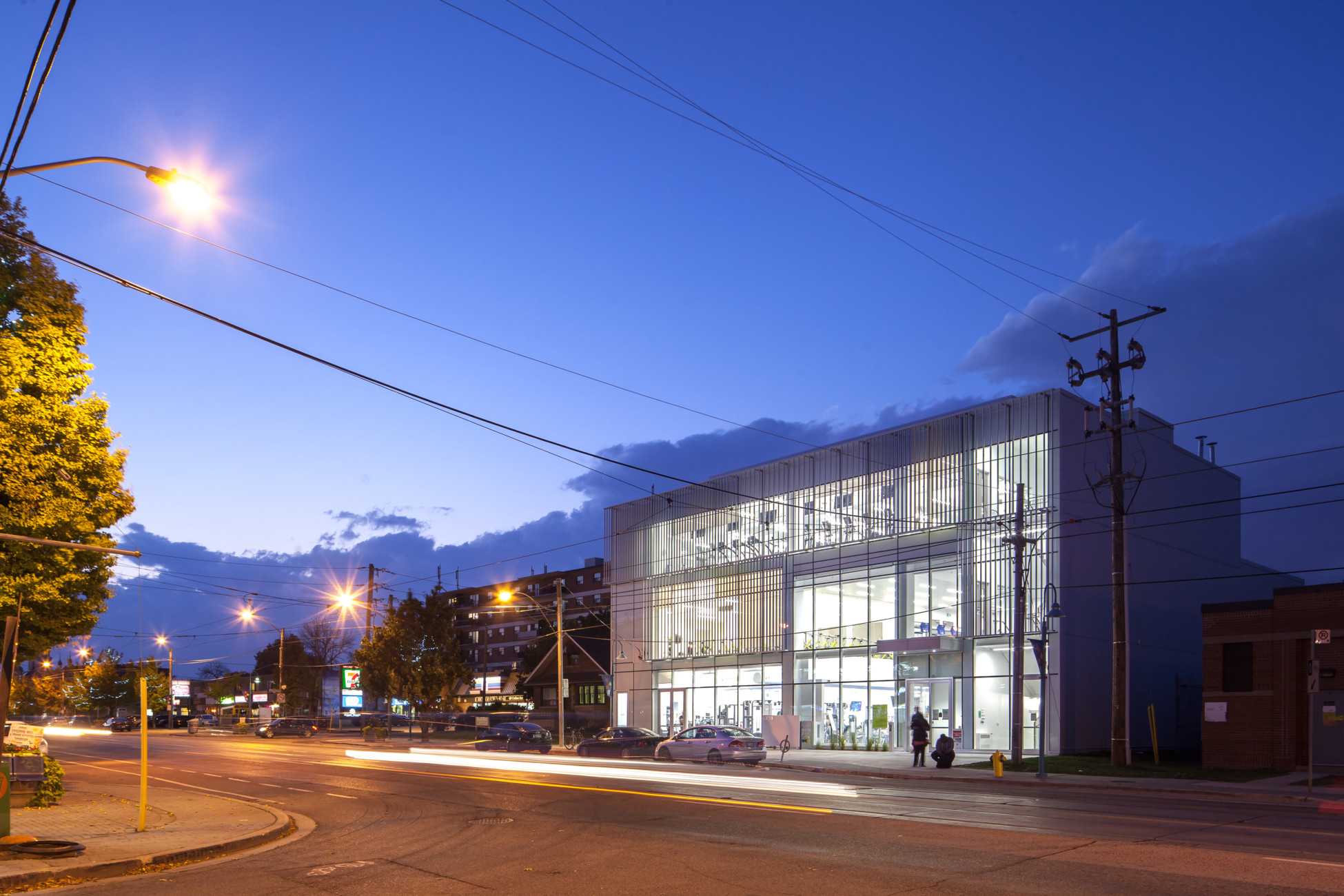
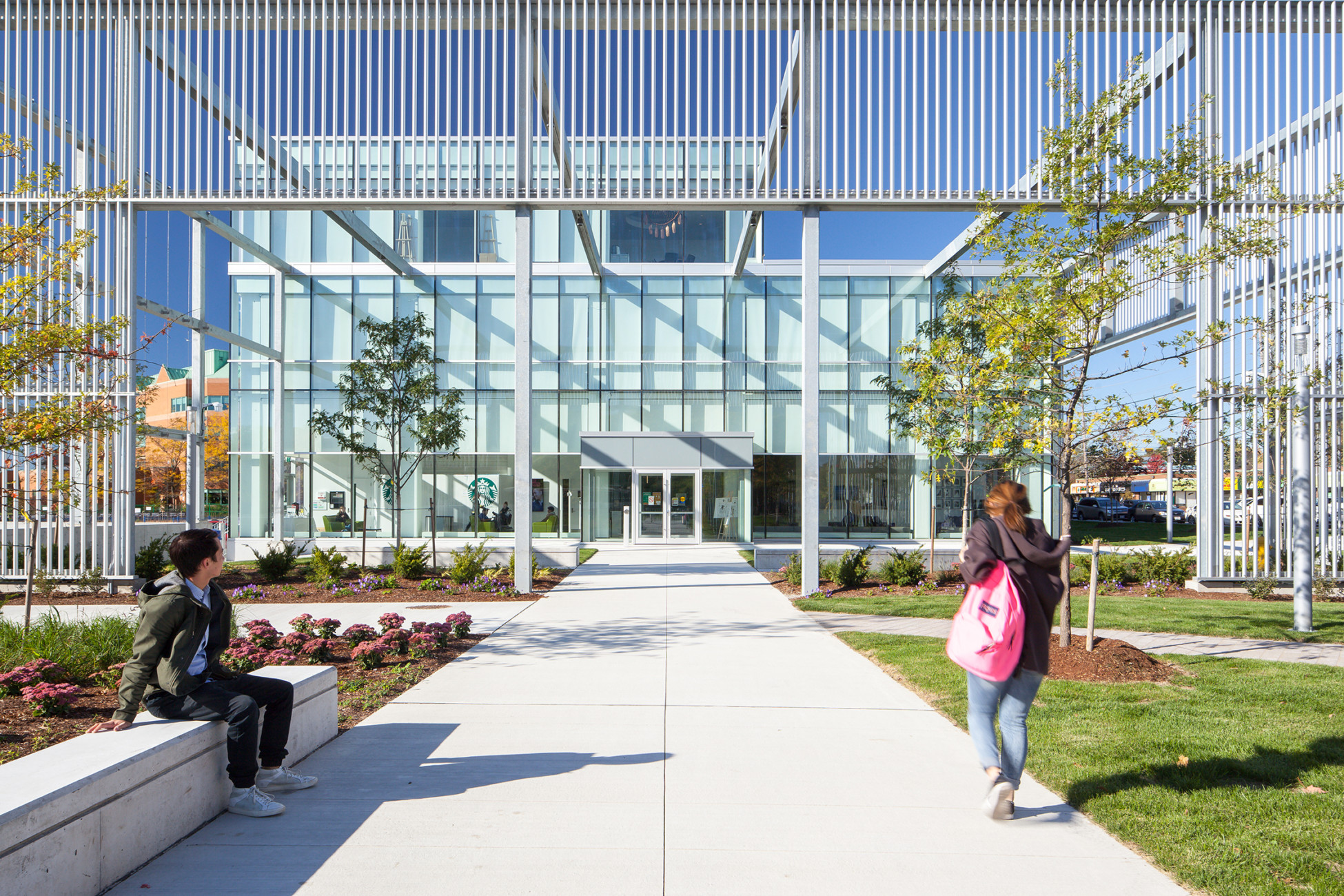
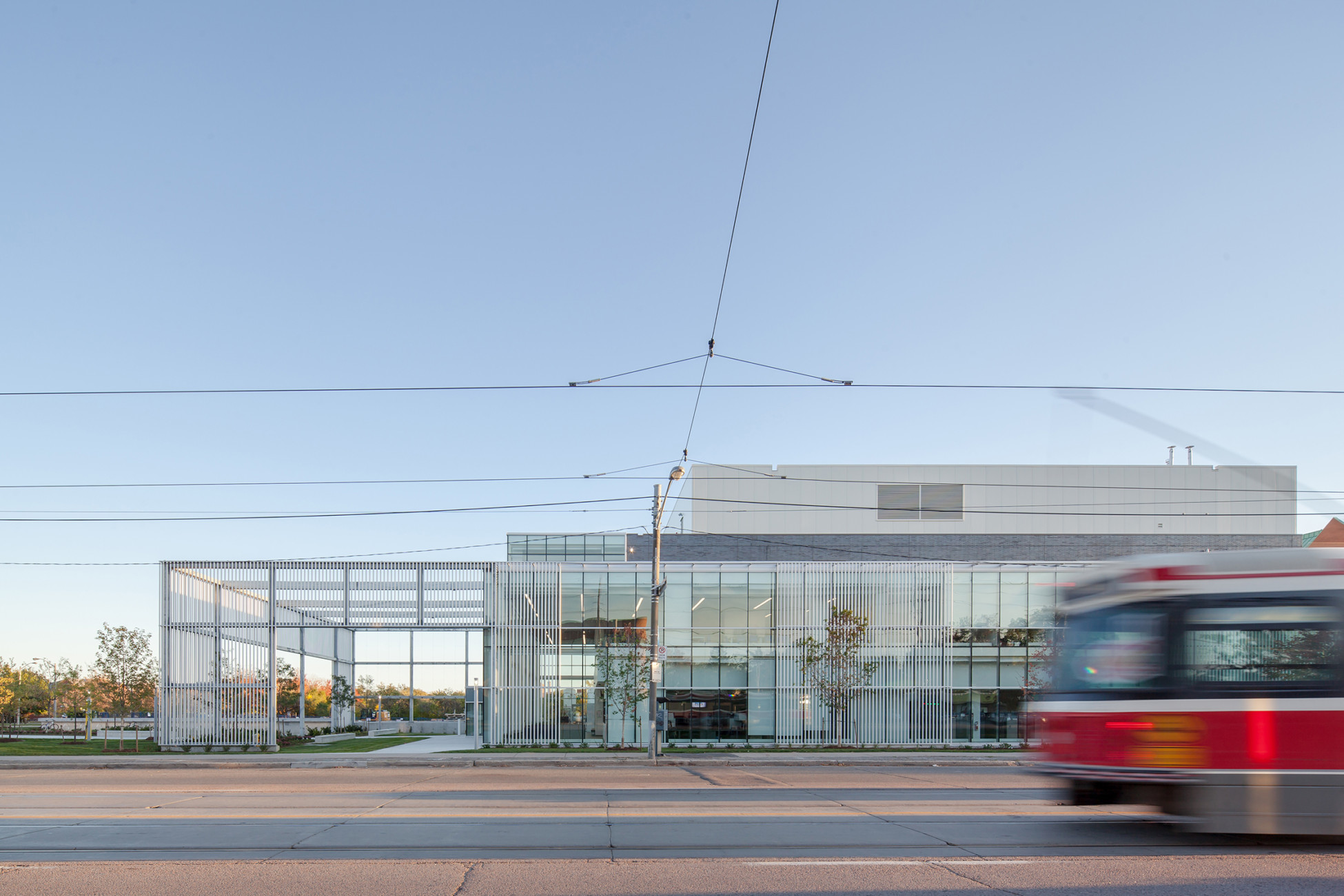
Nested between two existing buildings at the Northwestern edge of Humber's Lakeshore Campus, the Athletic Centre is the first Humber project that people see as they travel eastbound on the busy thoroughfare. The building's façade is animated by vertical sunscreen fins, whose dynamic arrangements produce kinetic optical effects when viewed from passing traffic.
Humber College Student Welcome & Resource Centre
No items found.
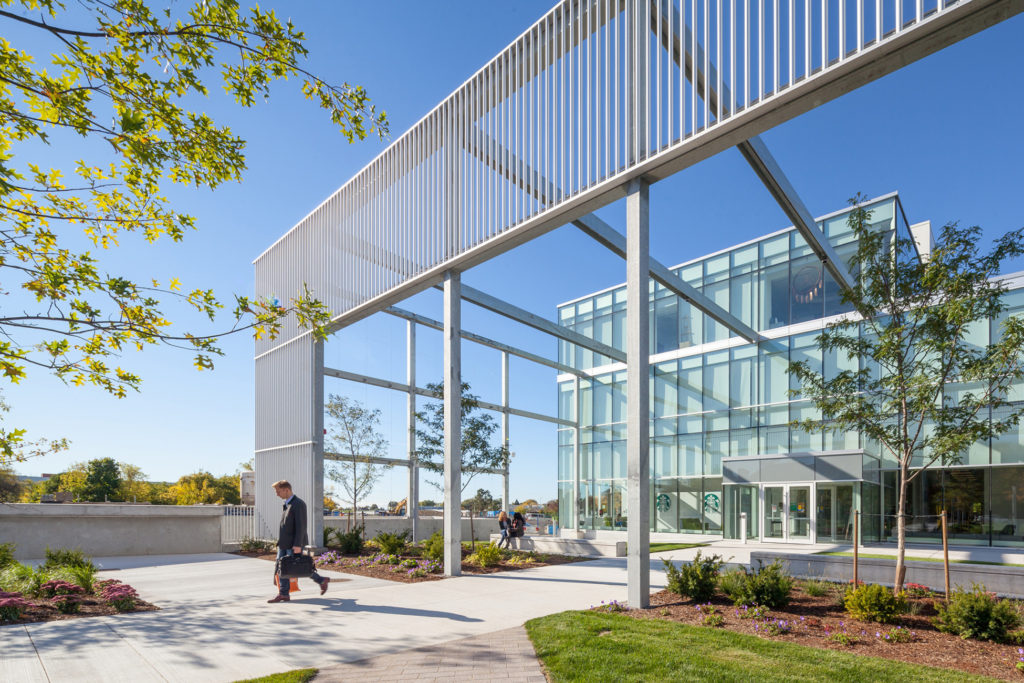
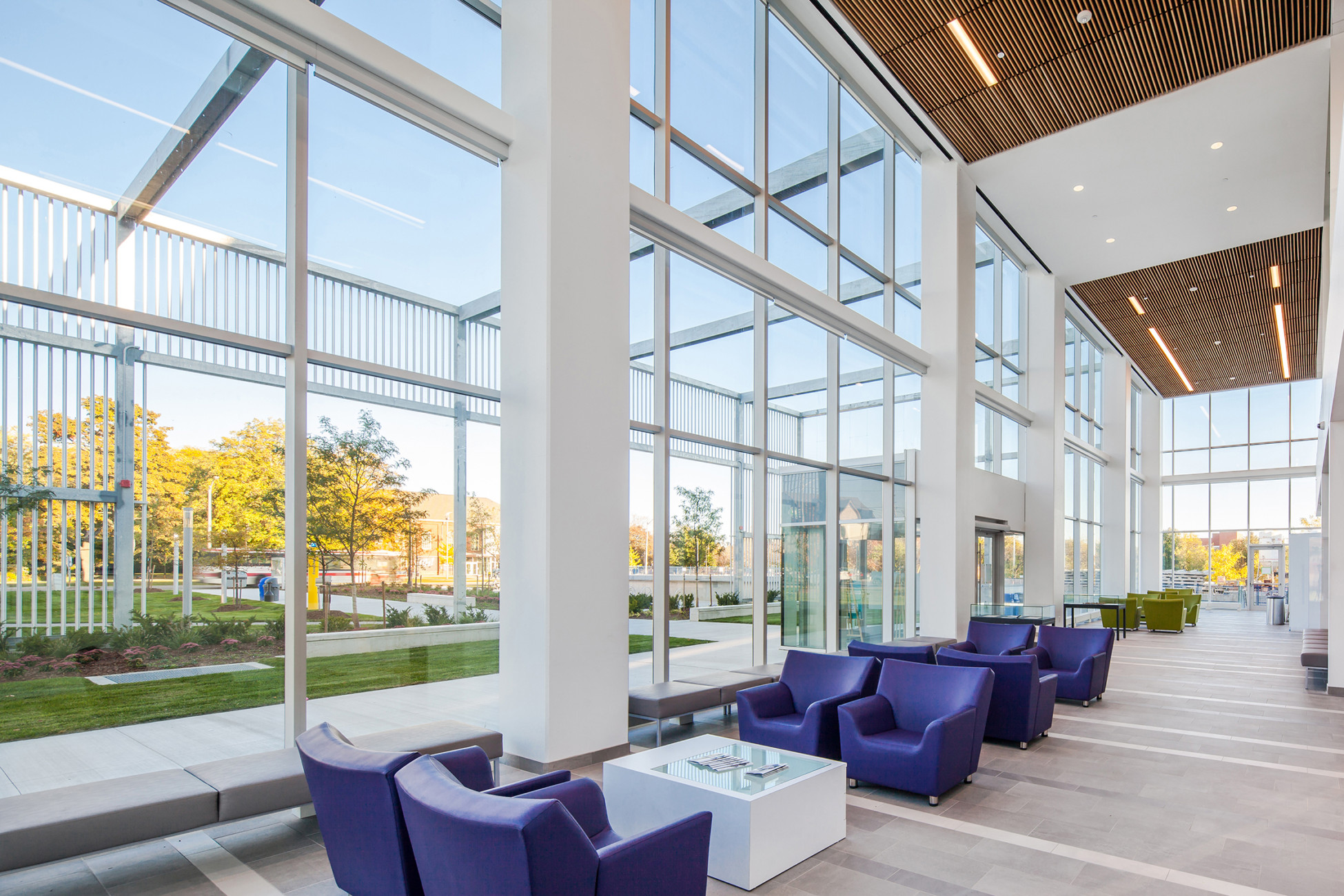
Set within Colonel Samuel Smith Park, a historic agricultural parkland on the shores of Lake Ontario, Humber College's Lakeshore campus was once largely hidden behind a dense grove of mature trees. The new Welcome Centre provides a stunning new public face as a high-visible landmark gateway, providing an accessible focal gathering place for students and the public.
Humber College Longo Centre for Entrepreneurship


No items found.
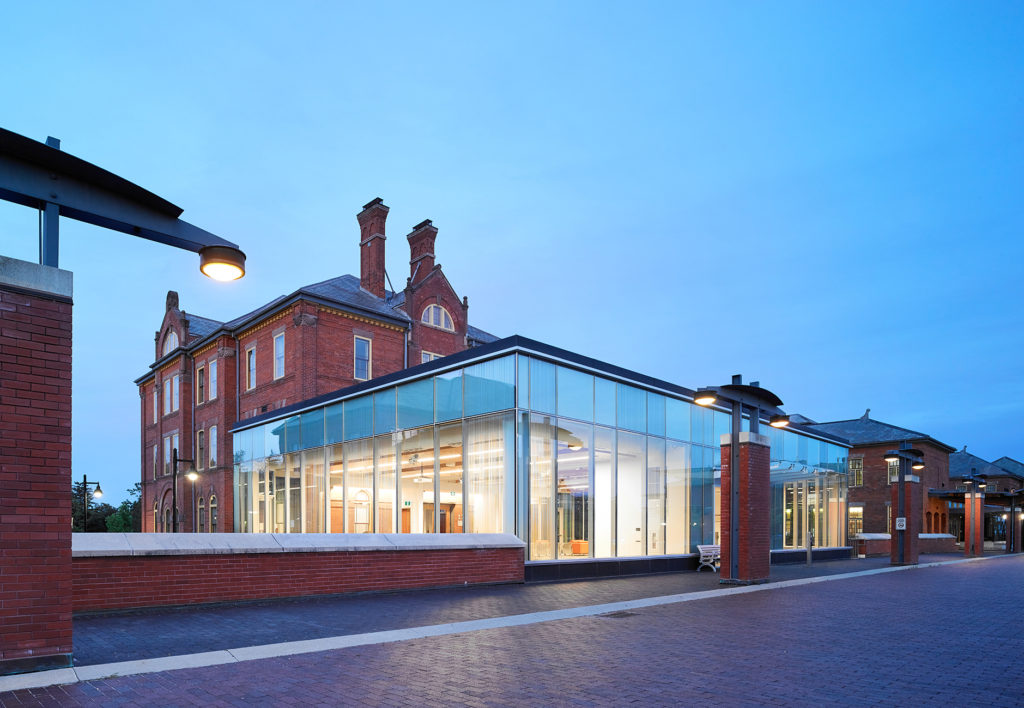
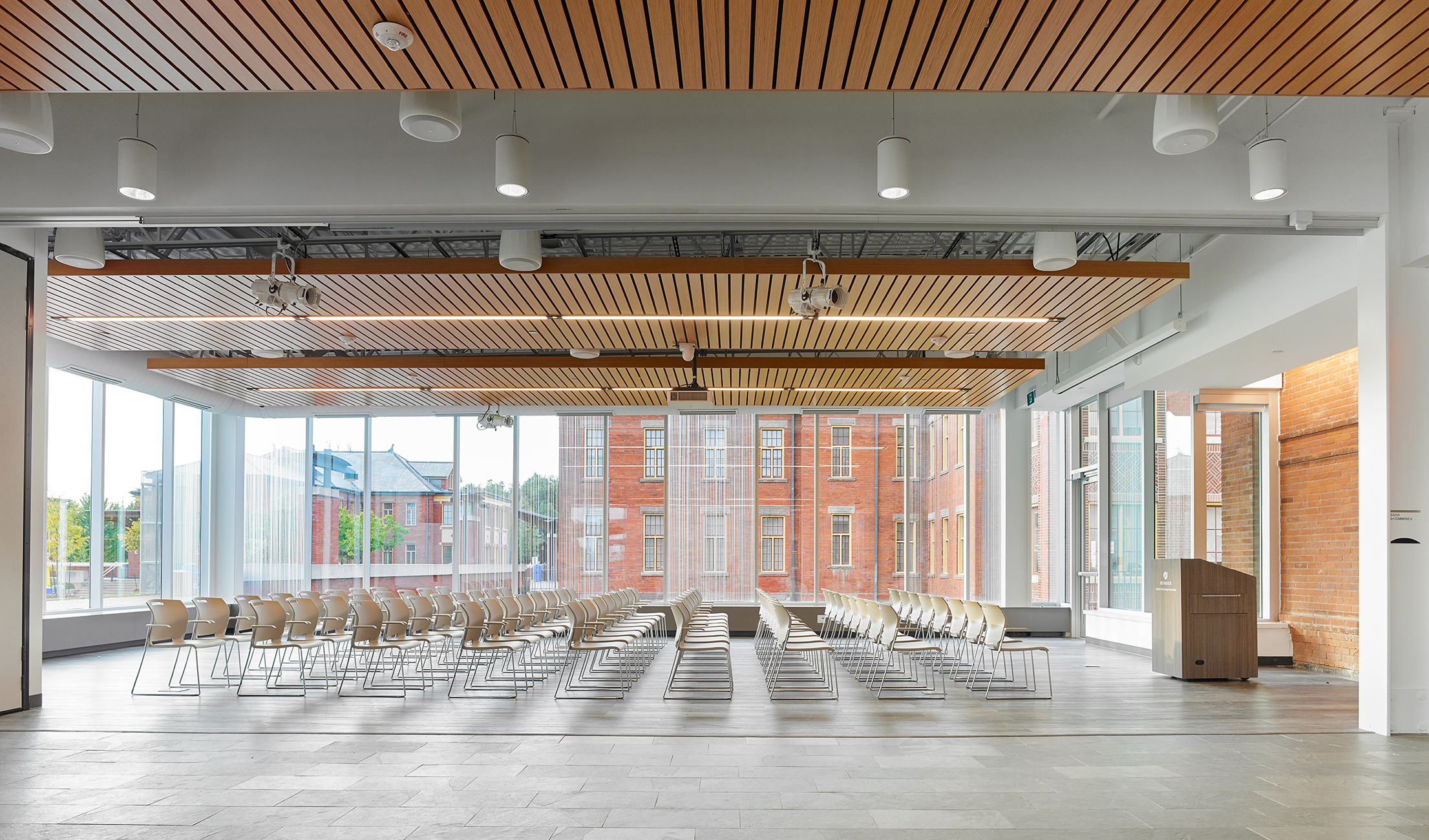
Building 'G' at Humber College is the last of the historic cottages to be restored on the distinctive Lakeshore Campus. Moriyama Teshima Architects worked in collaboration with Humber College to transform the heritage Administration Building of the former Lakeshore Psychiatric Hospital into a vibrant hub that cultivates relationships between students and industry professionals.
Canadian Museum of History, History Hall Renewal
No items found.
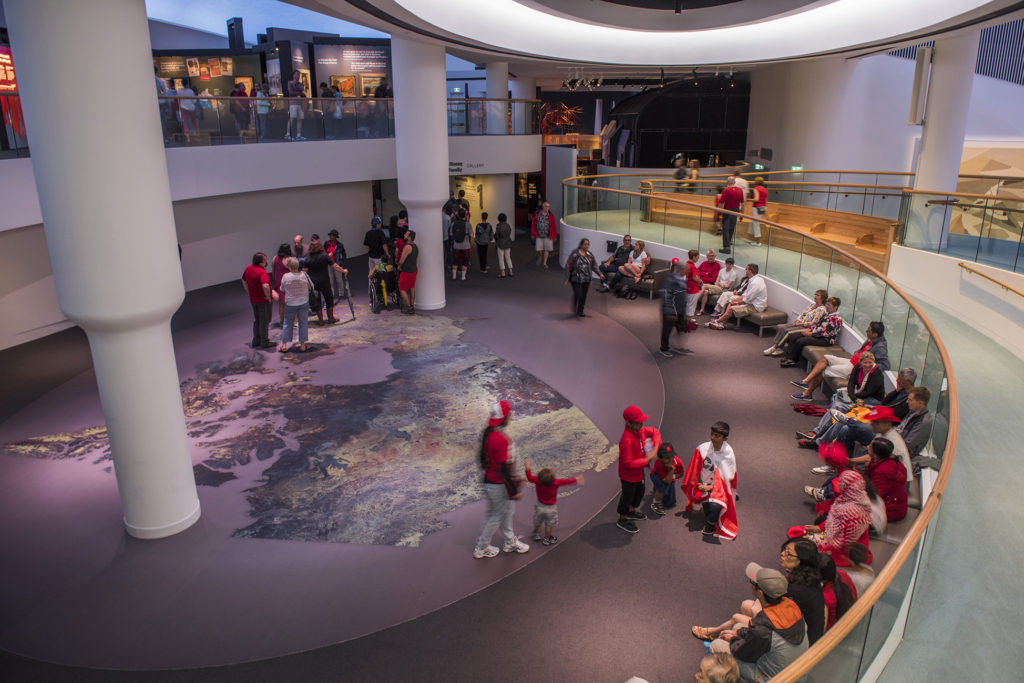
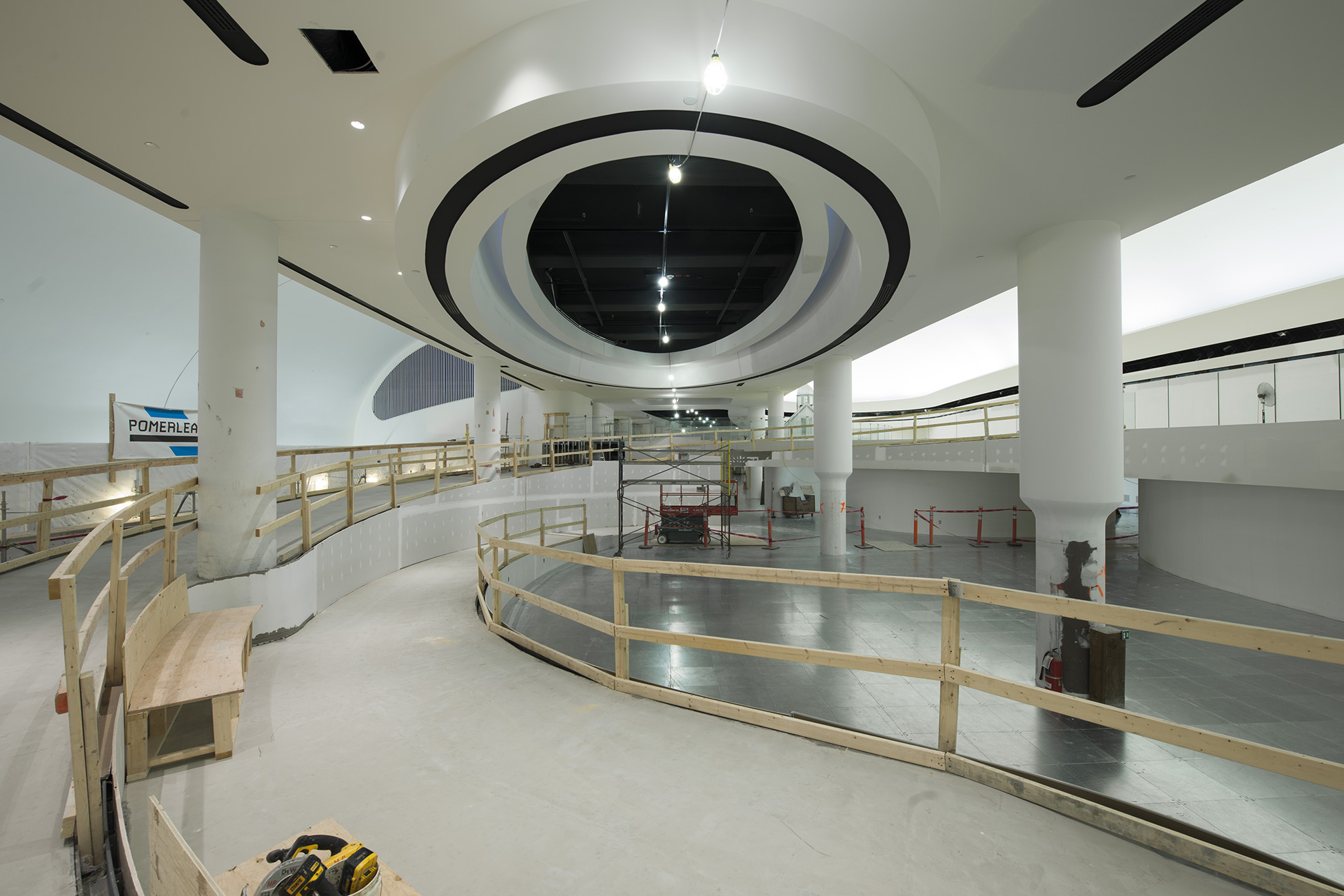
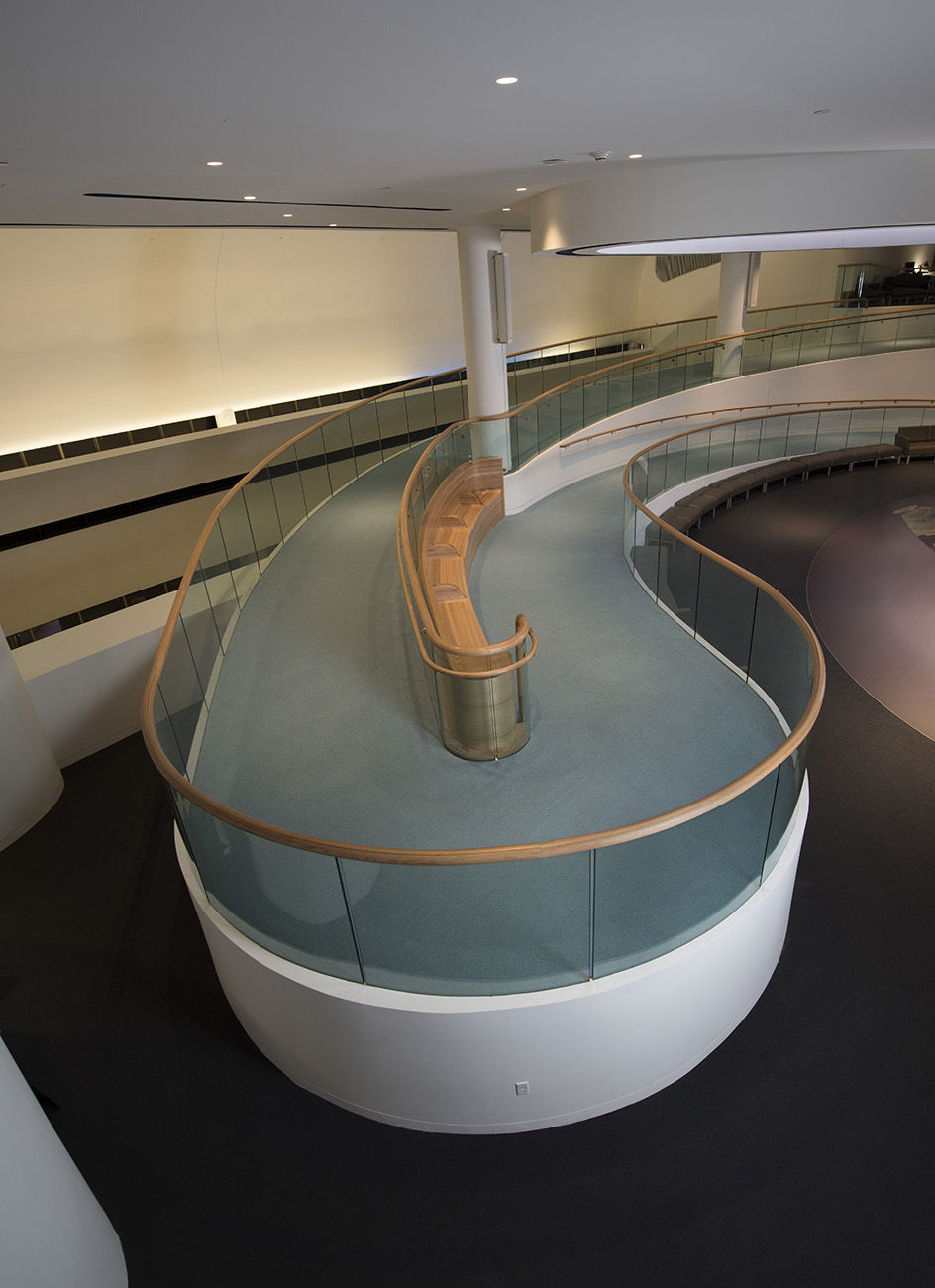
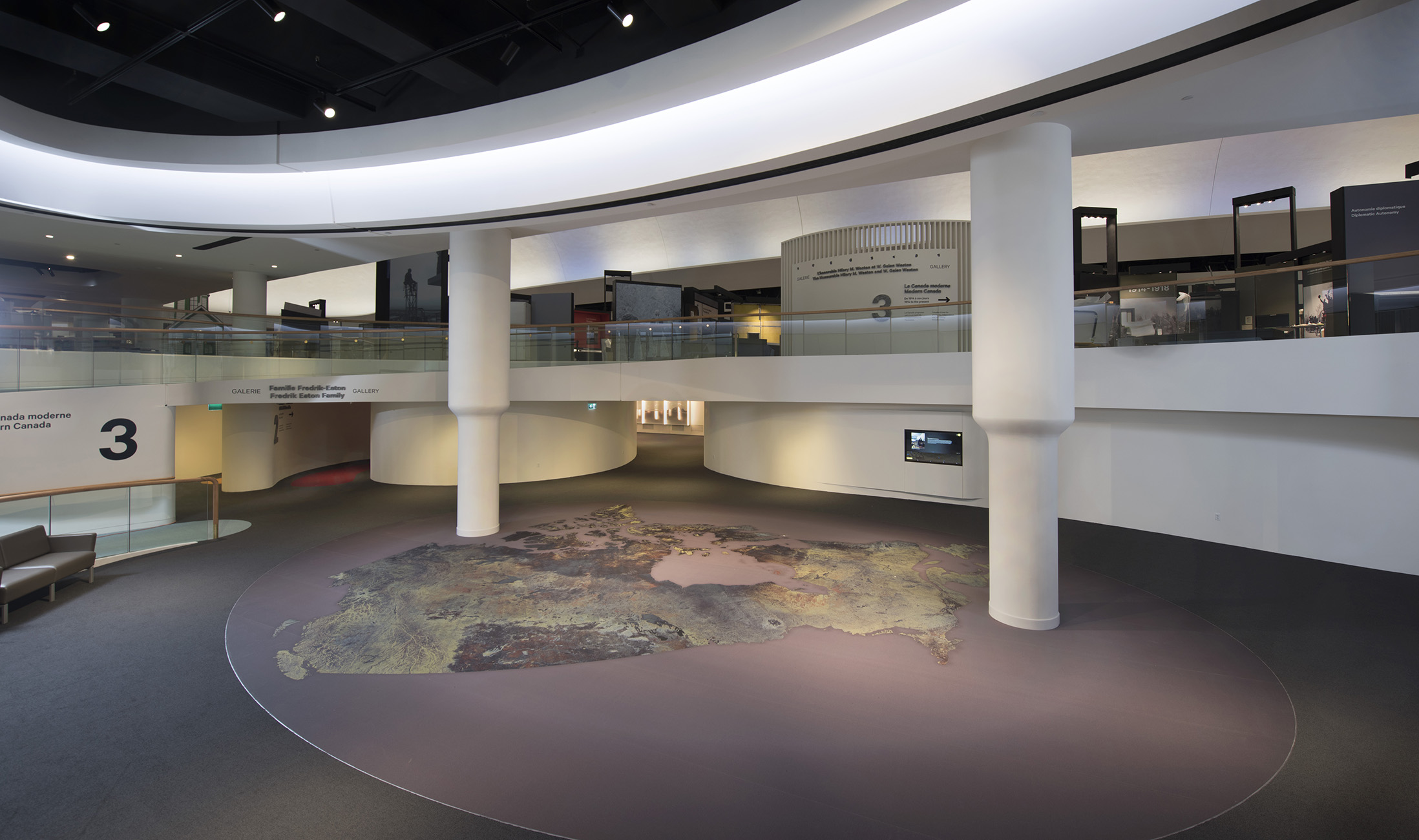
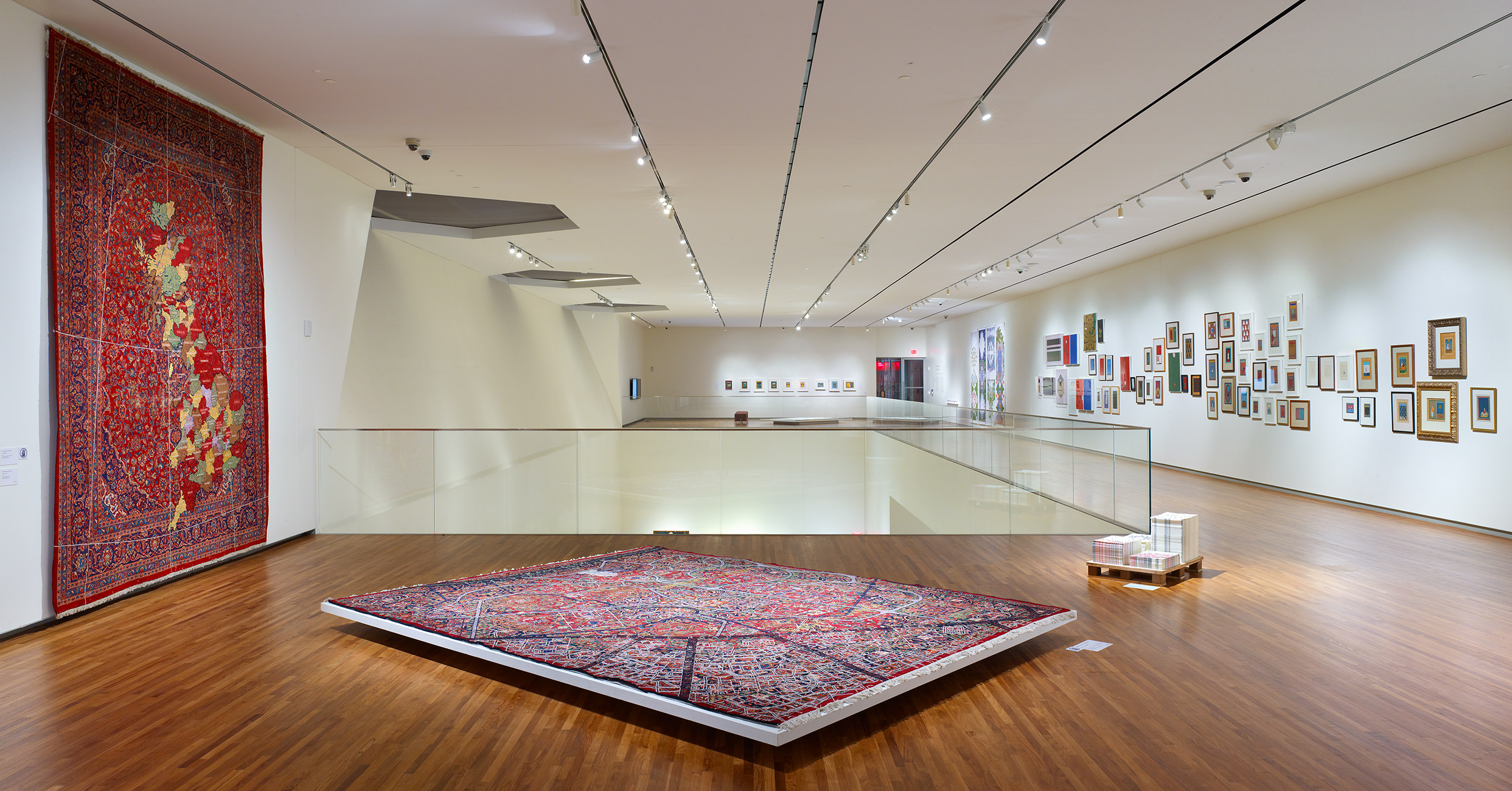
Moriyama Teshima Architects completed the reconfiguration and reconstruction of the Canadian Hall within the Museum of History, including the addition of a new mezzanine, new ramps, and stairs for visitor circulation and exiting, and the careful relocation and protection of St. Onuphrius Church, a large historic artifact that was re-incorporated into the new gallery sequence. This work had to be very carefully planned and executed within the fully occupied building, prioritizing not only patron and staff safety, but also the protection of the collection.
2015
Keele Street Junior Public School
No items found.
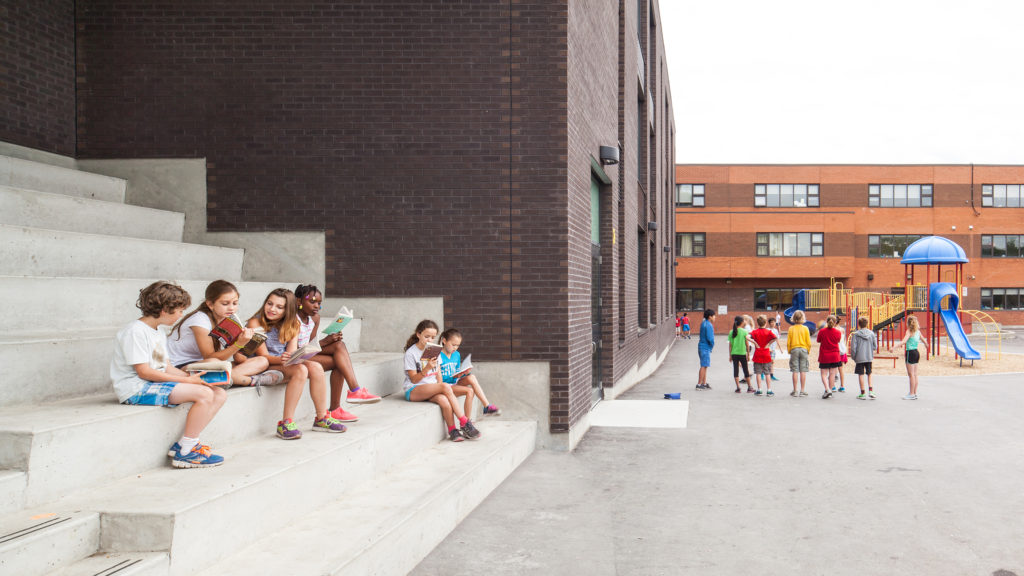
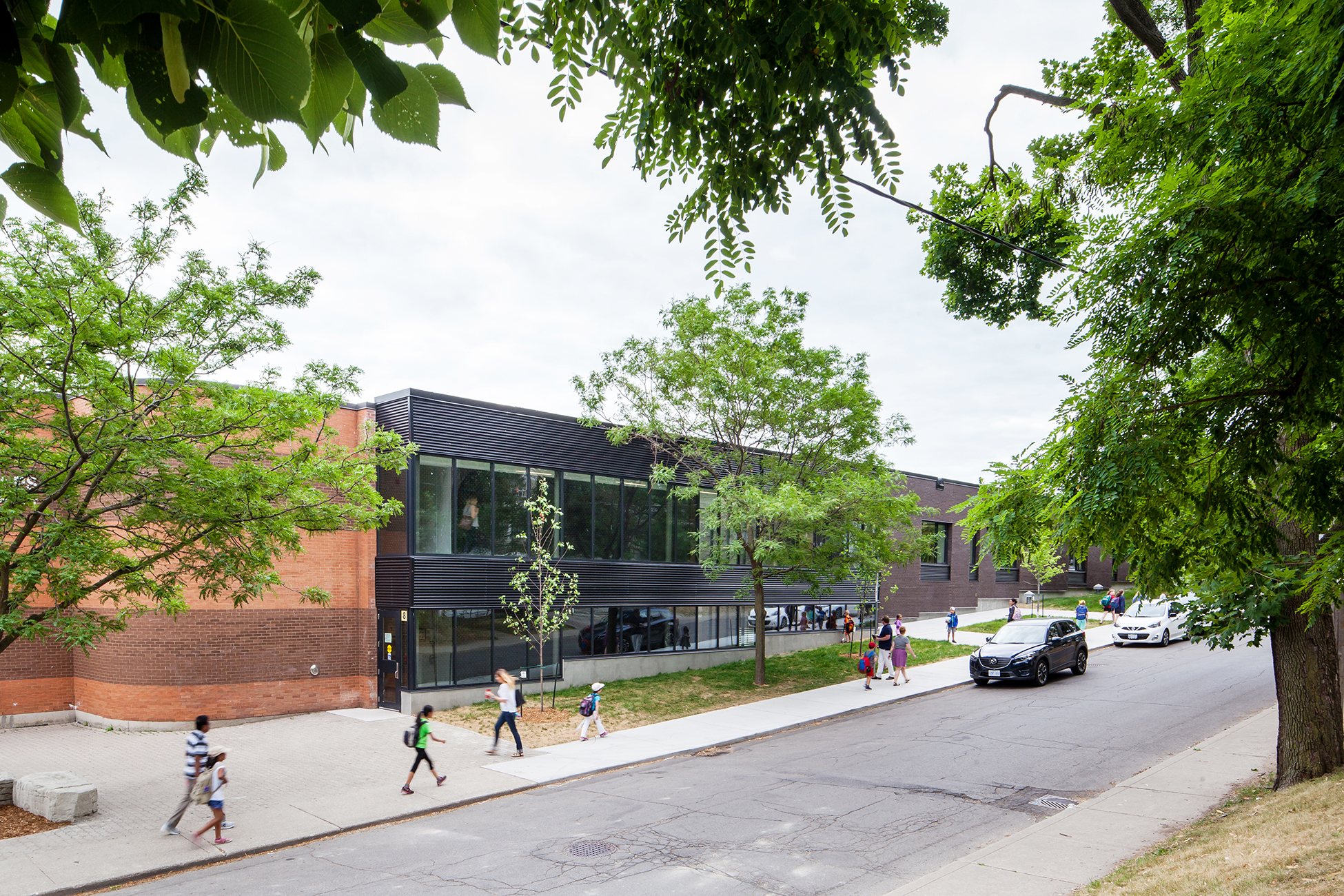
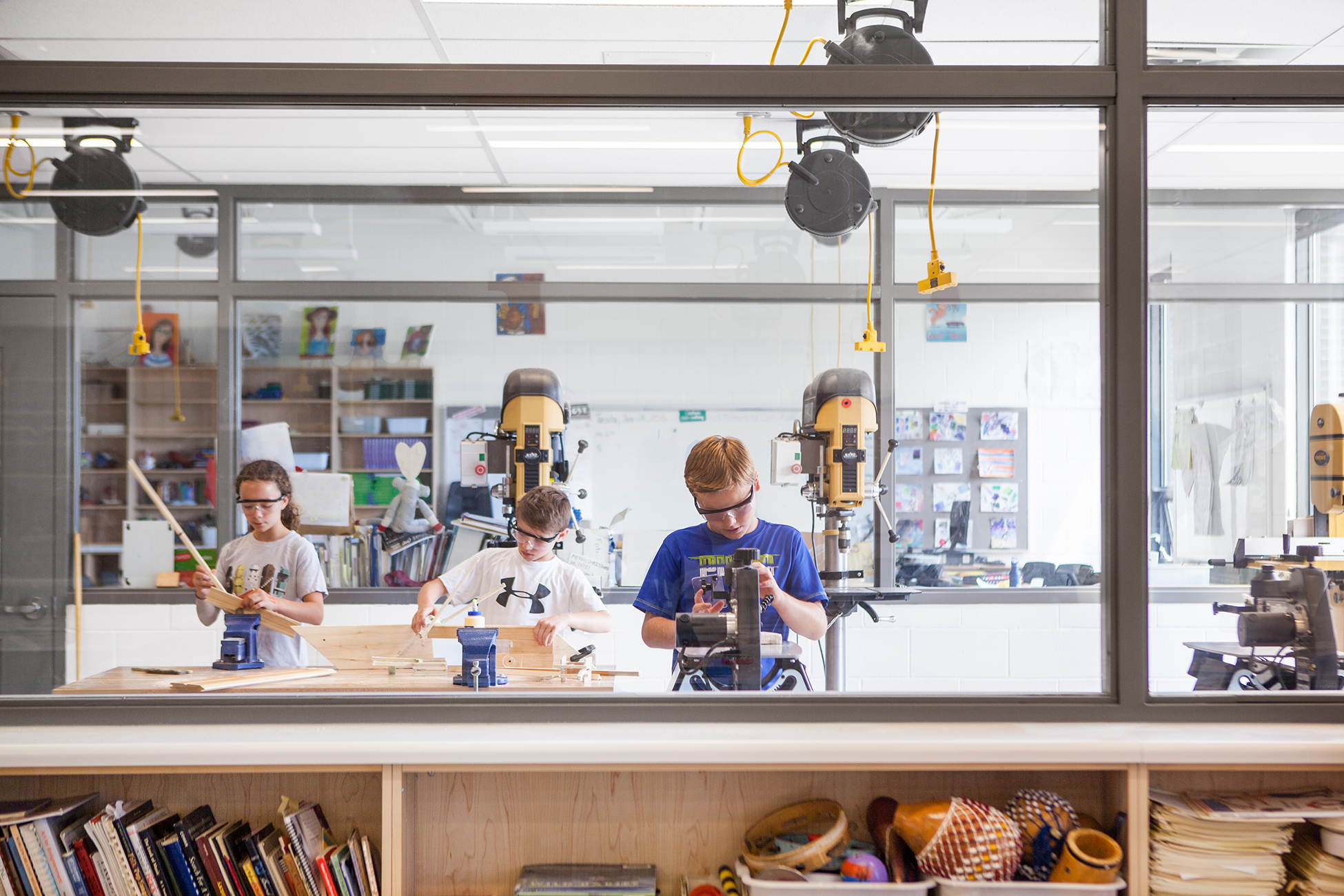
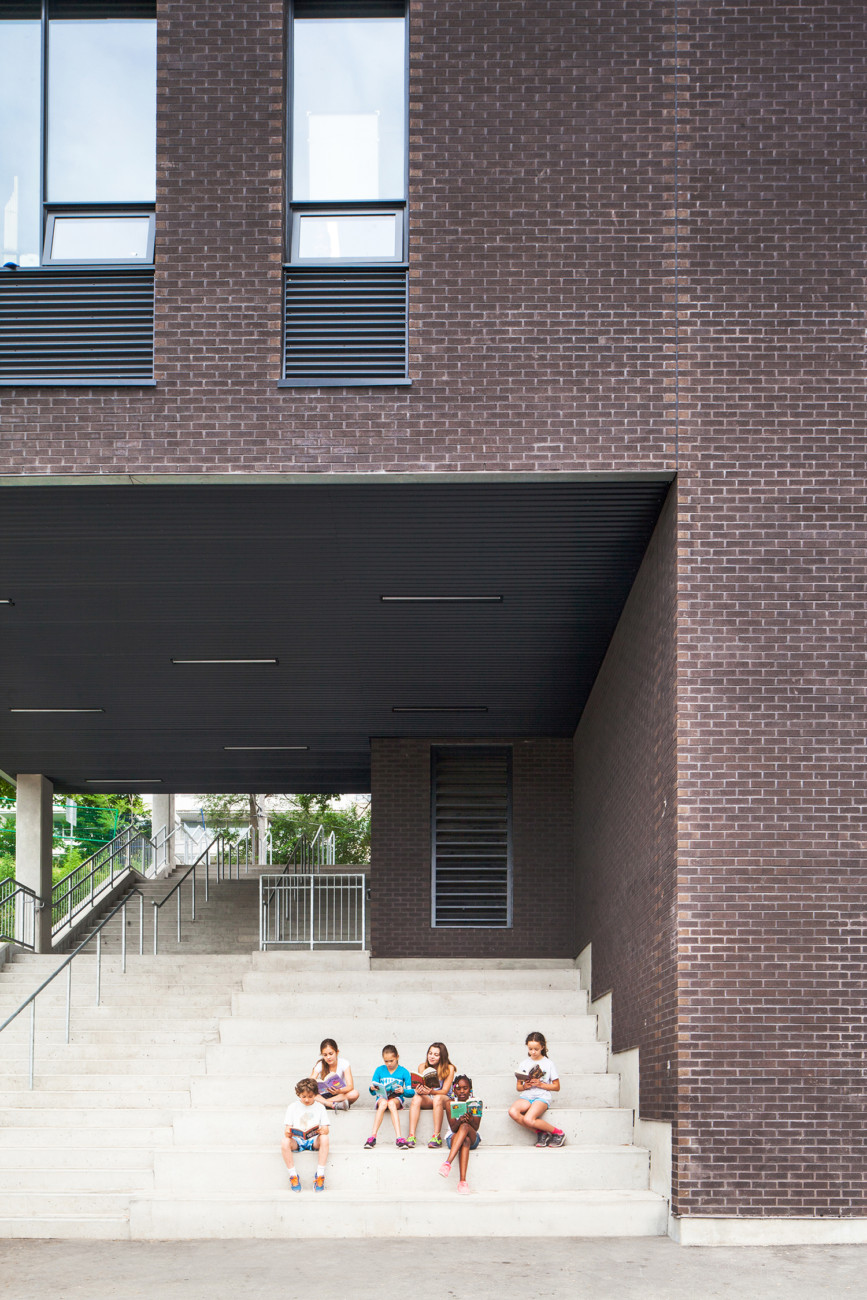
This 19,300 SF expansion to an existing elementary school capitalized upon an unusually wide, shallow site constrained by a major traffic artery and a steeply rising, two-storey embankment. In response, Moriyama Teshima Architects embedded a long, linear classroom wing lengthwise into the slope, preserving the limited amount of play space on level ground while adding eight new classrooms, an art, science, and wood shop suite, and new daycare facilities.
Collaborative Health Education Building (CHEB), Dalhousie University

No items found.
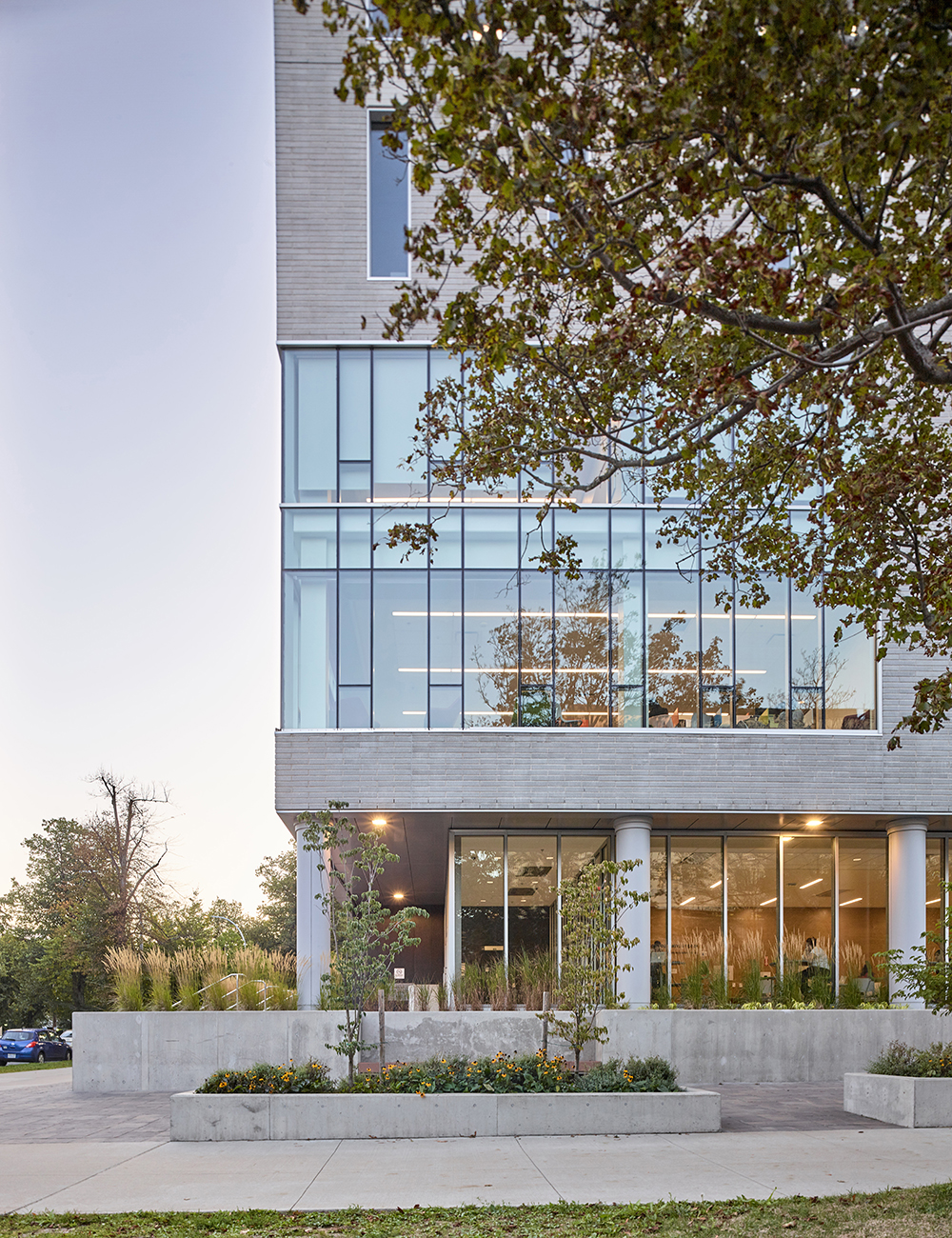
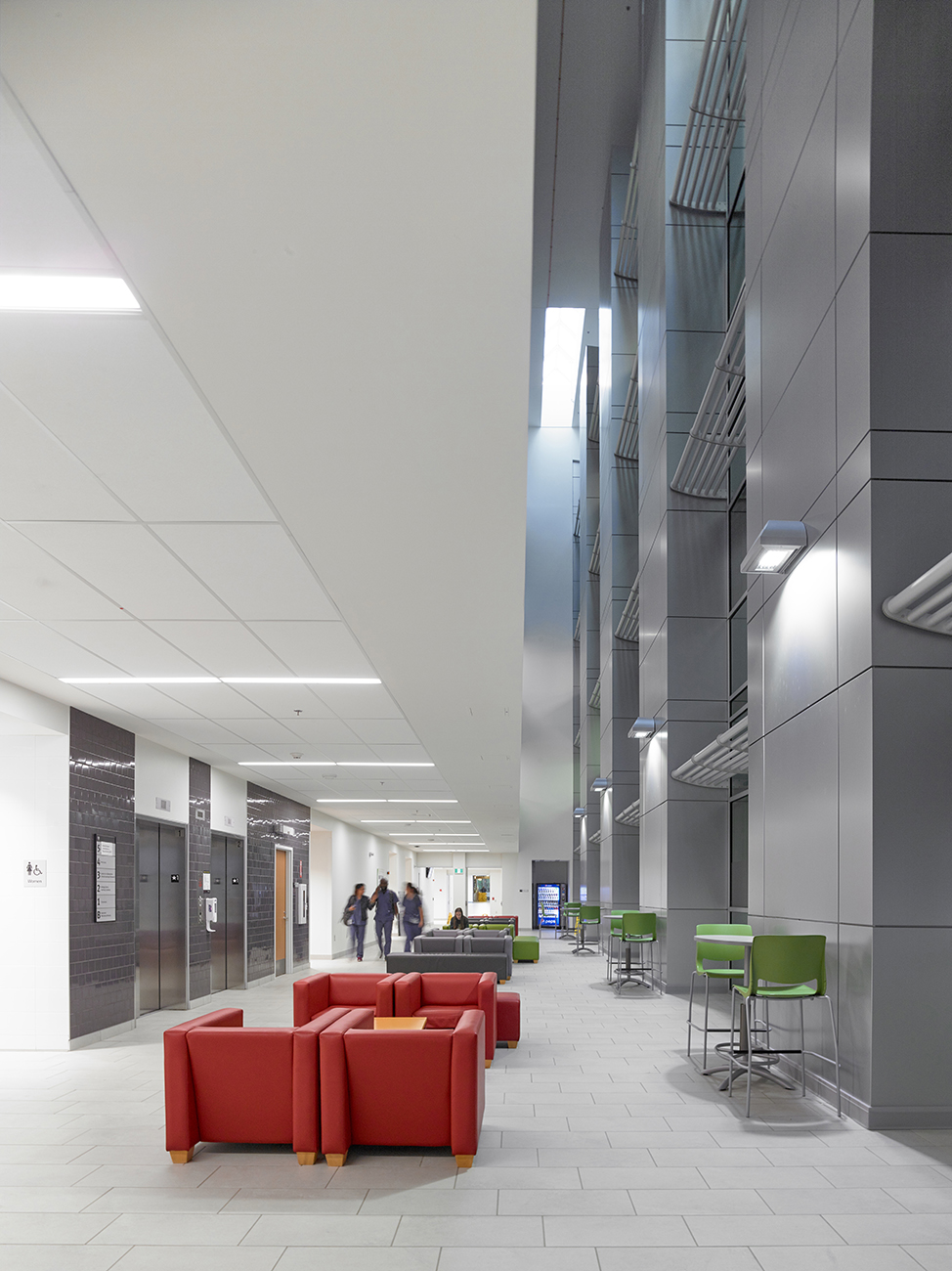
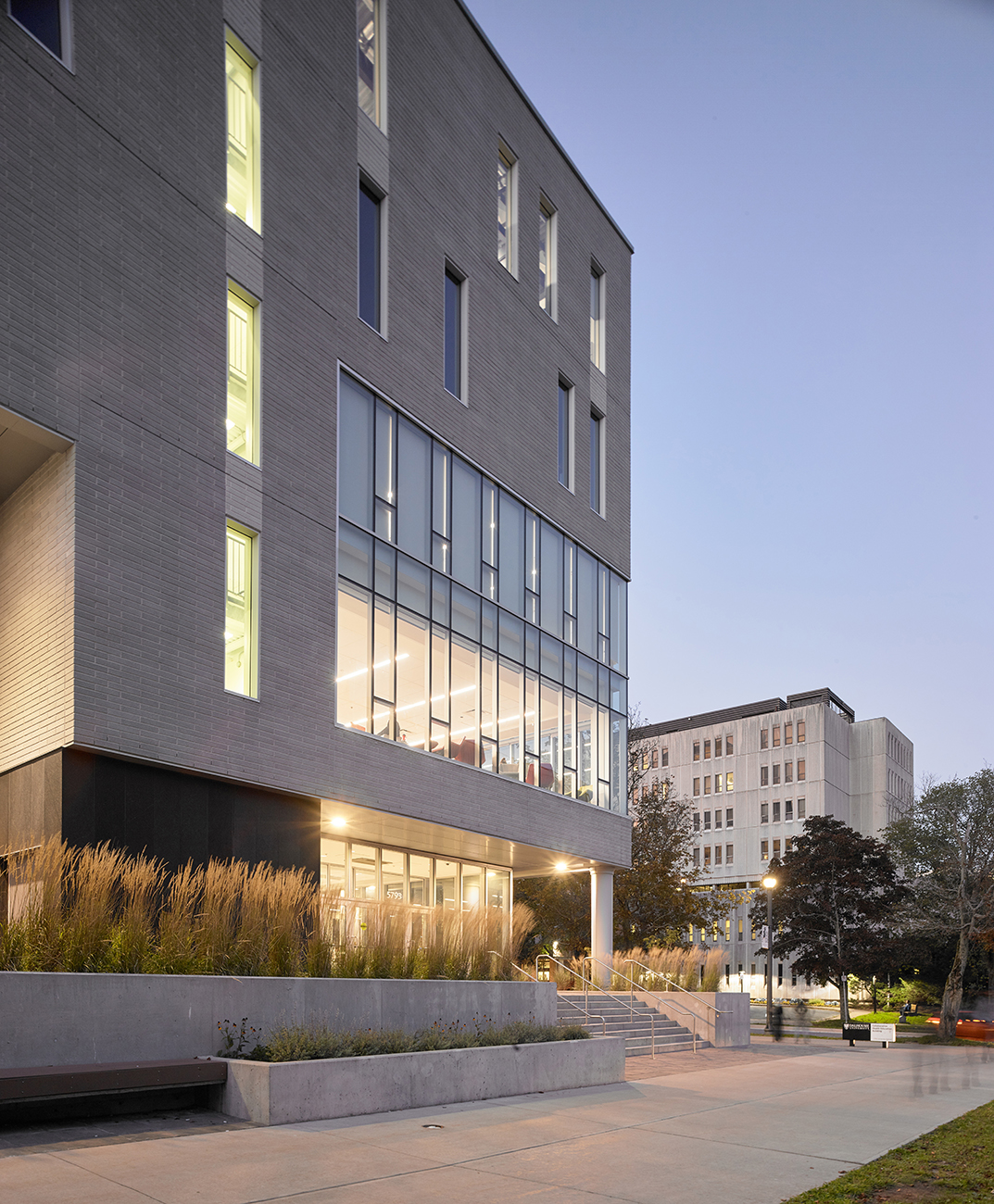
Dalhousie University's Collaborative Health Education Building (CHEB) is designed to support a truly interdisciplinary approach to health education, where students of medicine, pharmacy, nursing and related professions will "learn with, from and about one another" in collaborative healthcare teams. Facilitating this peer-to-peer learning process are interior spaces that encourage and support social interaction and informal collaboration, including a health science learning commons, clinical simulation laboratories, and active learning classrooms with movable seating for impromptu group and individual study.
Trinity College School, Learning Commons
No items found.
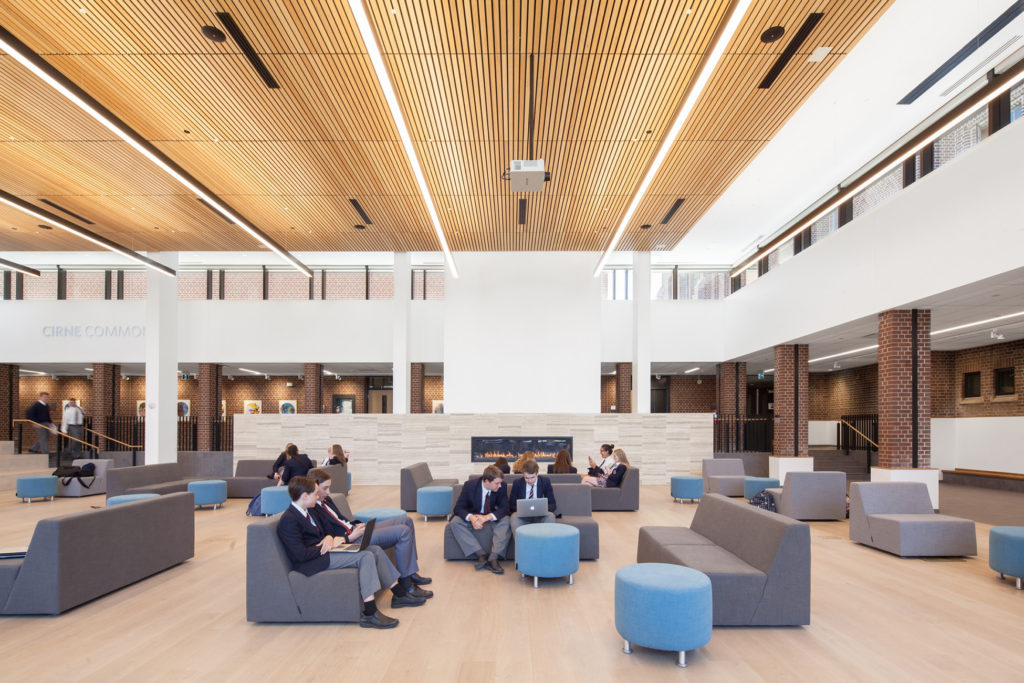
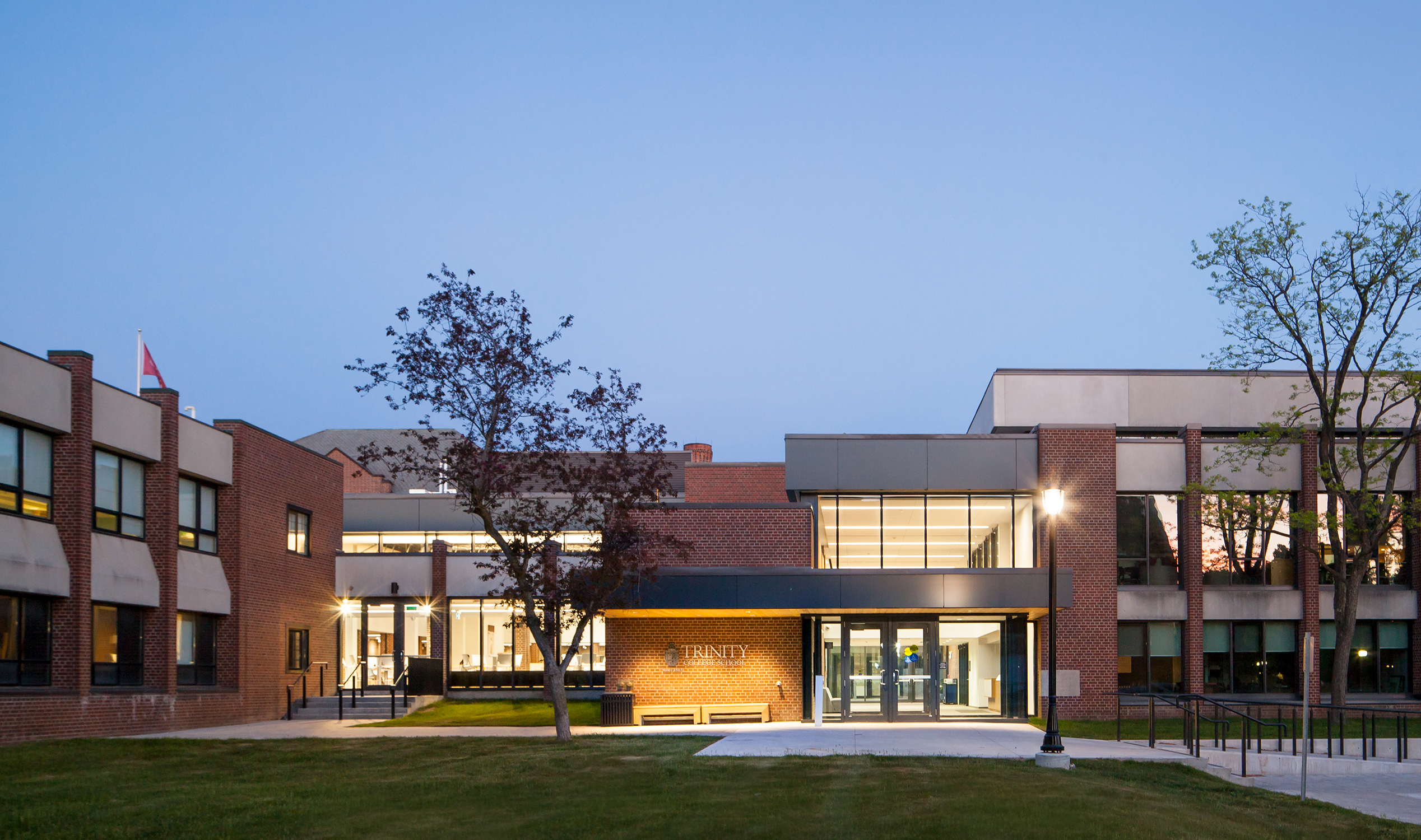
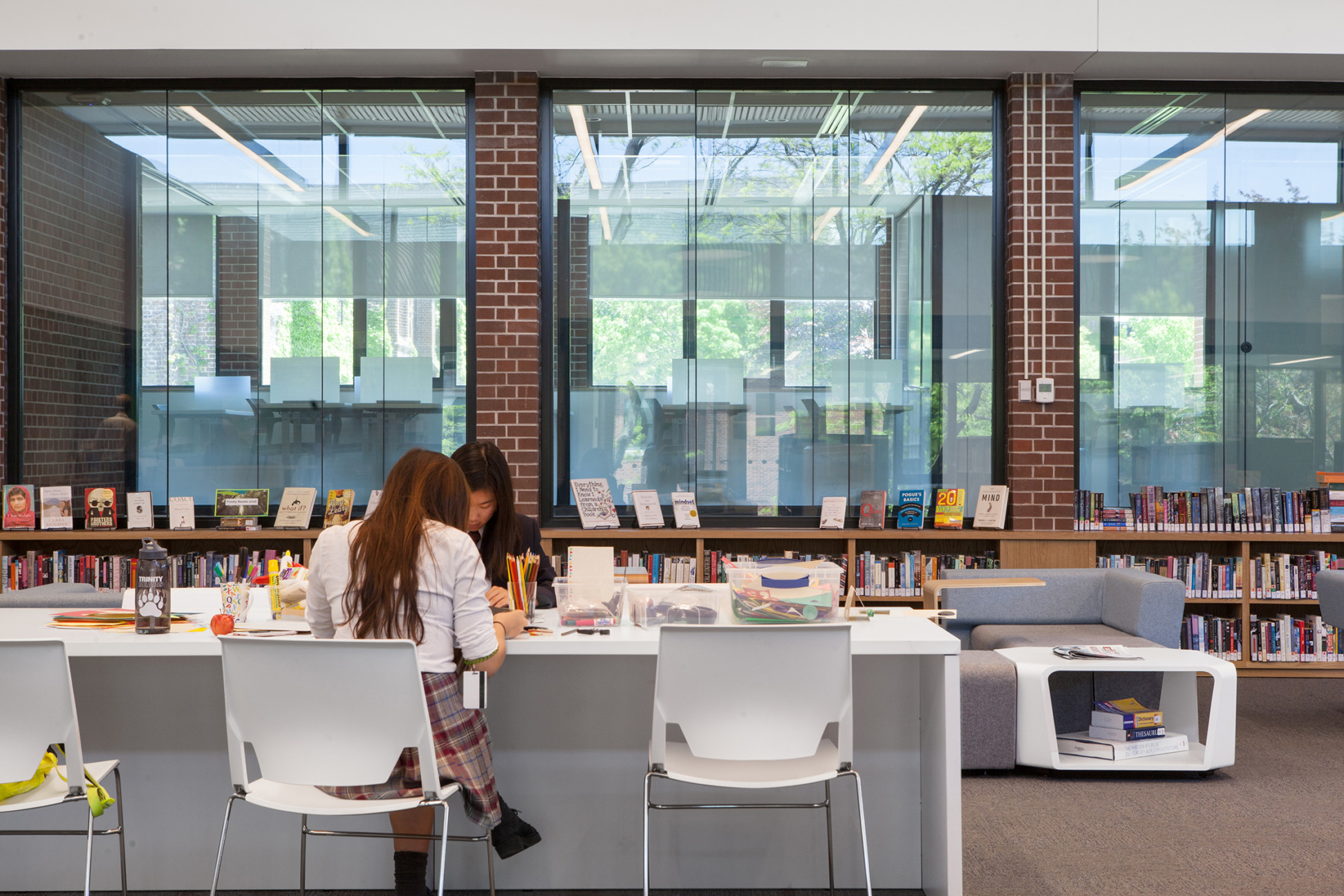
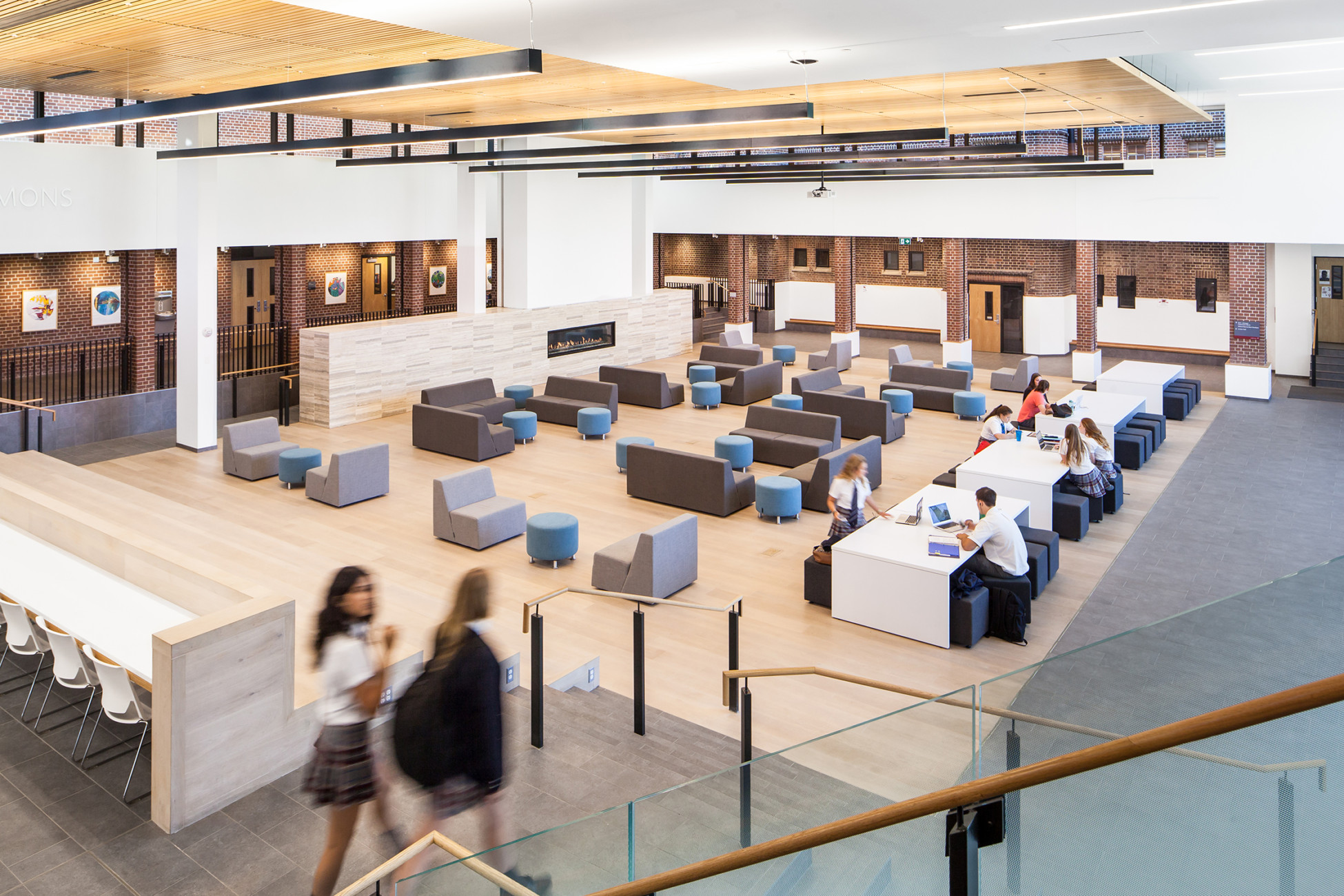
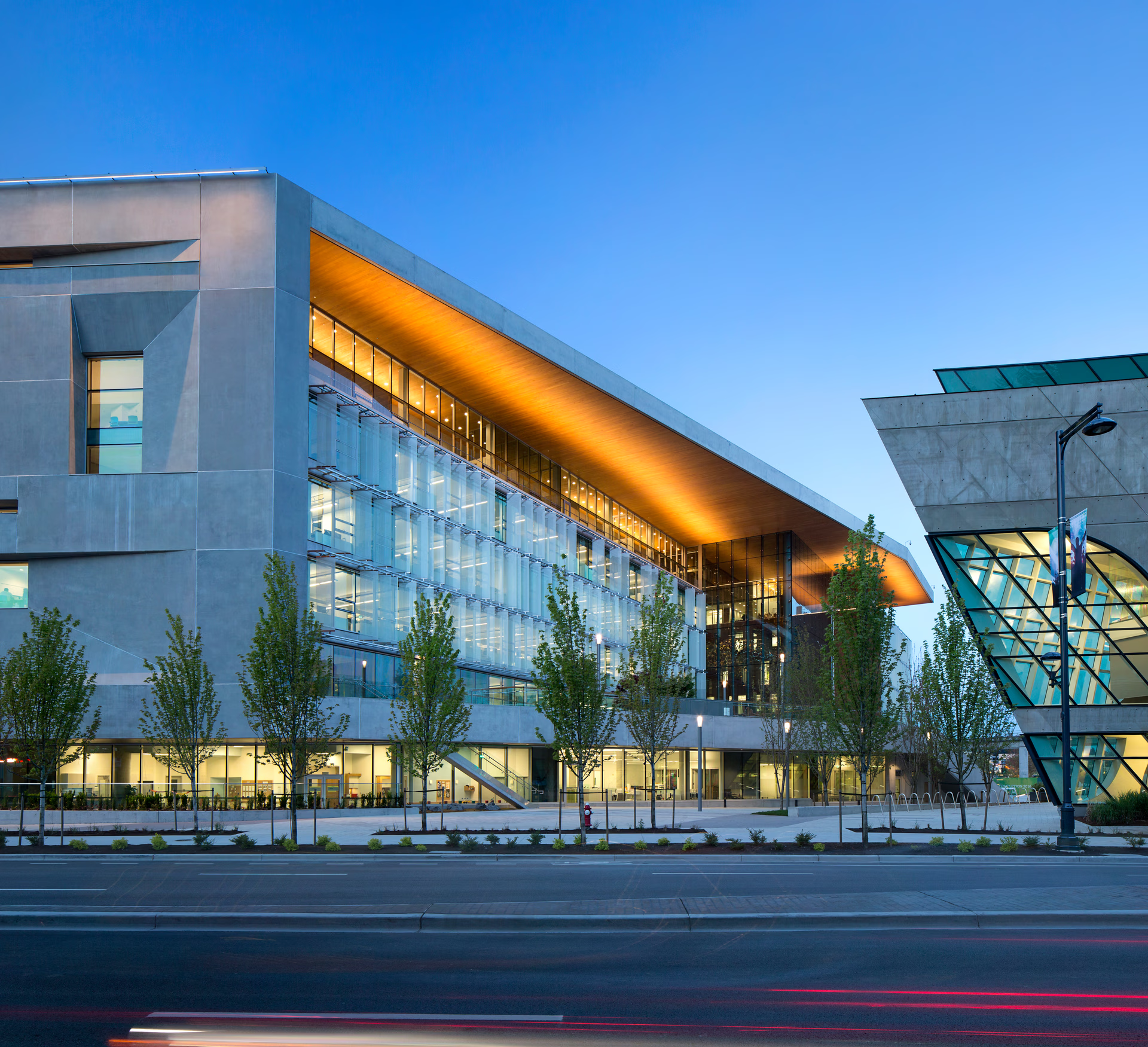
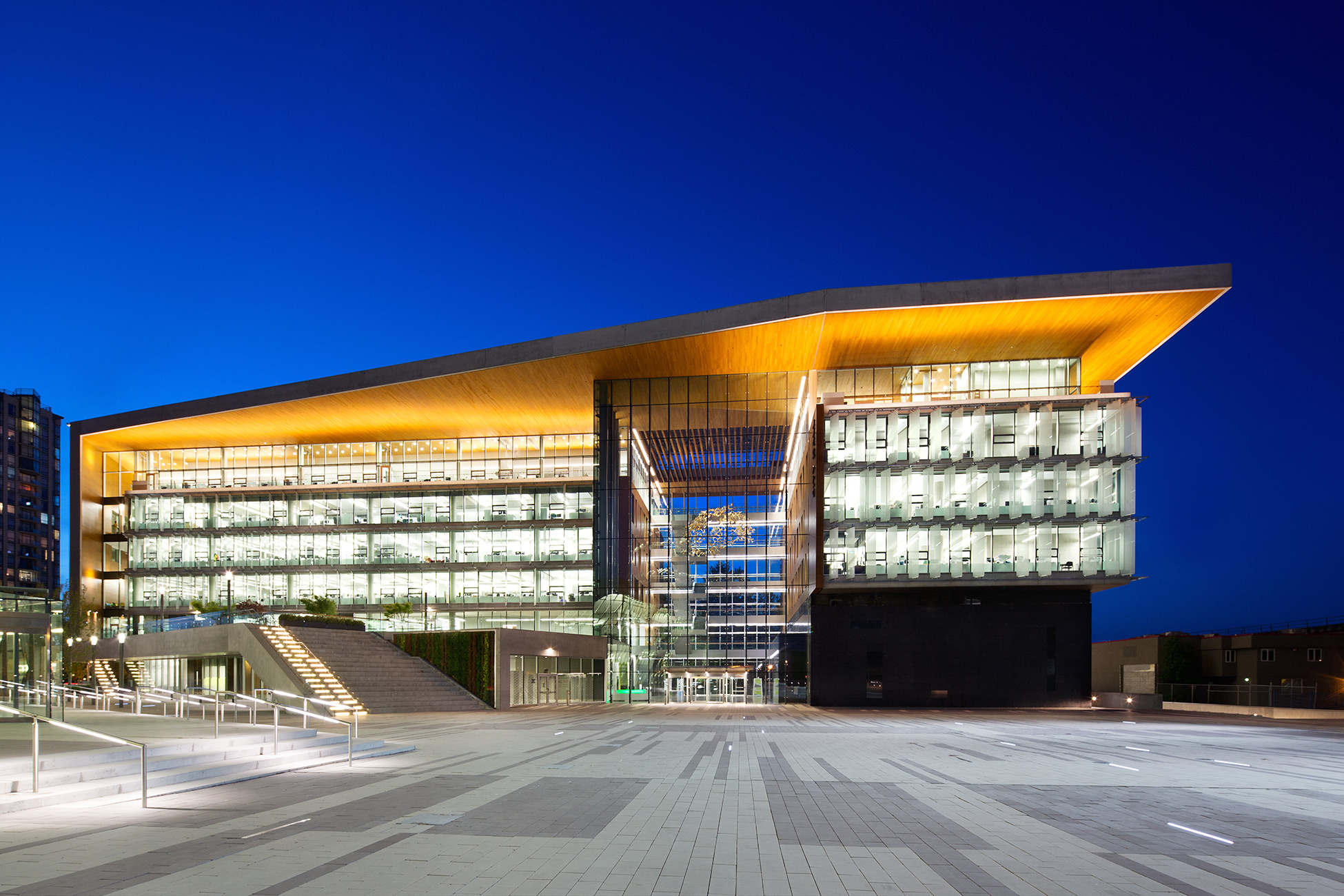
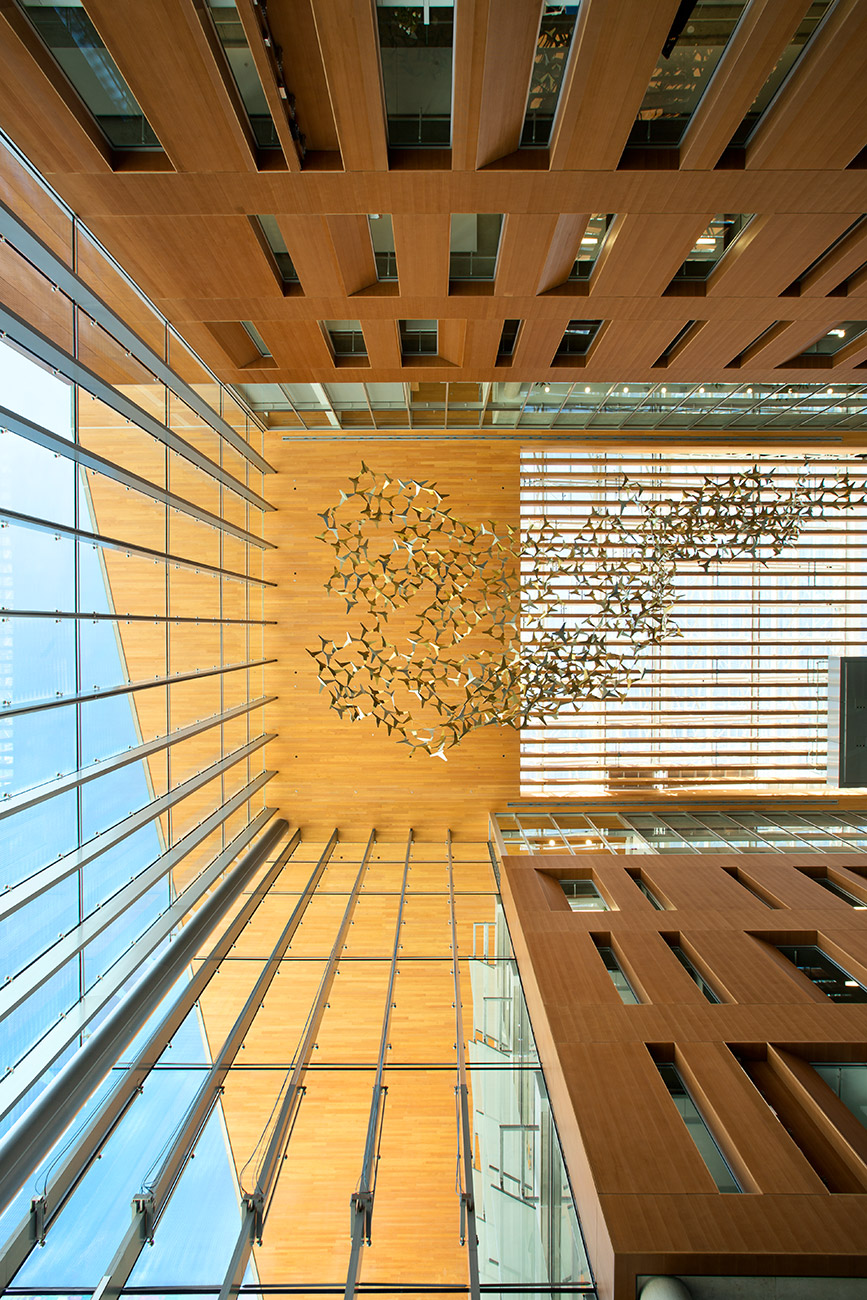
The Trinity College School campus is made up of historic neo-gothic brick and stone buildings dating from the late 1800s, woven together with buildings built throughout the 1900s. Complementing this architecture, the primary goal of the Learning Commons Project was to create a space that supports and encourages multiple learning styles: social learning, individual study, group study, group projects, one-on-one guidance, and classroom instruction.


2014
Ottawa Public Library, Beaverbrook Branch

No items found.
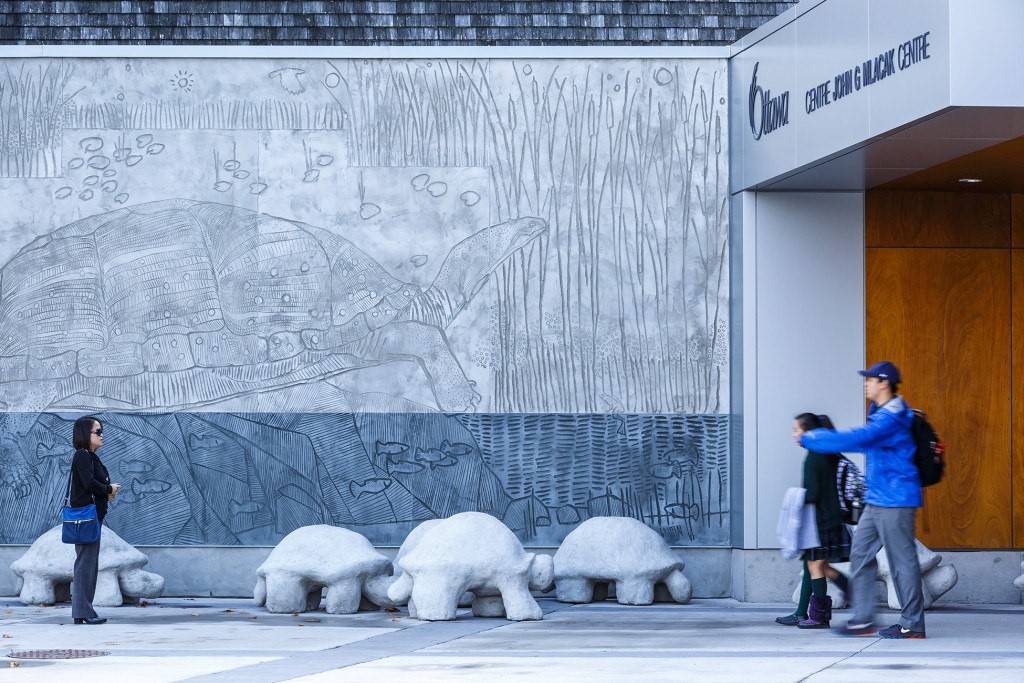
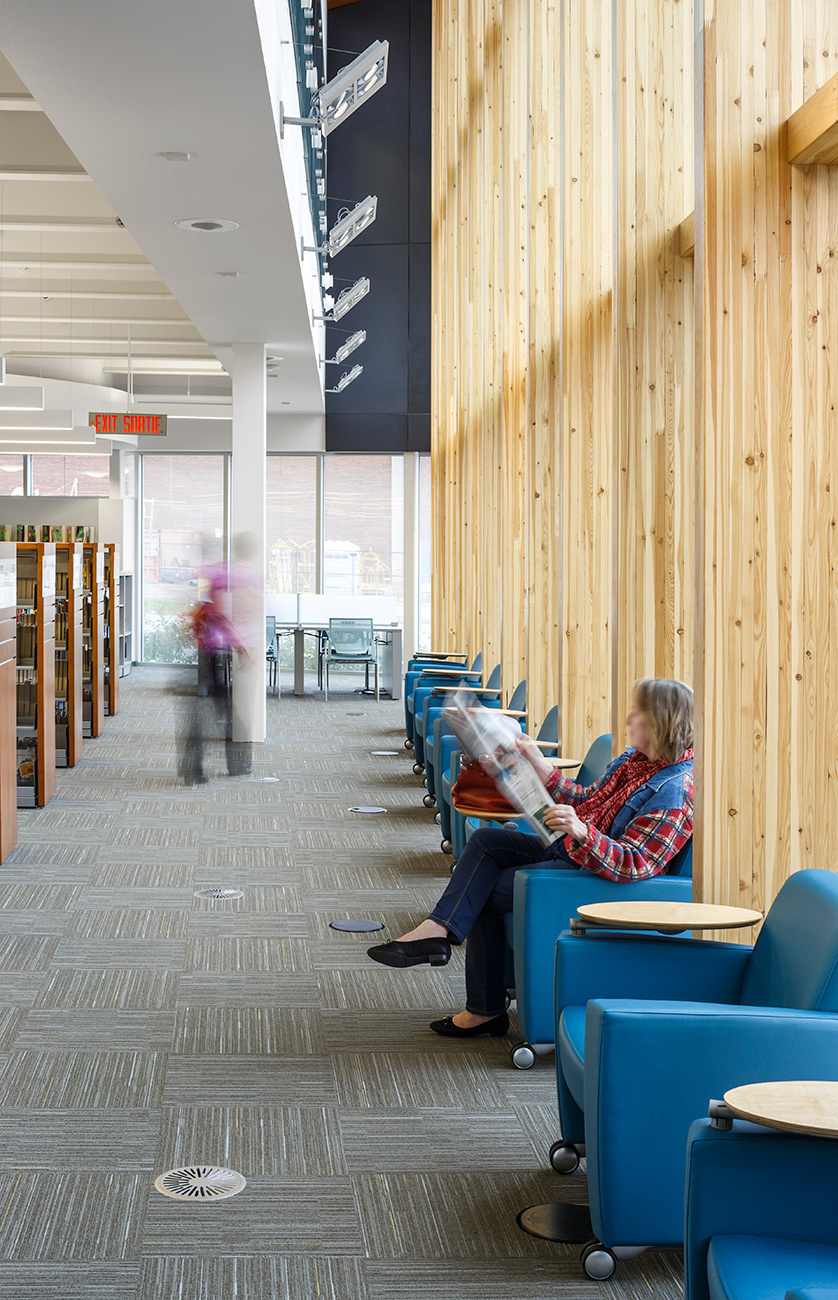
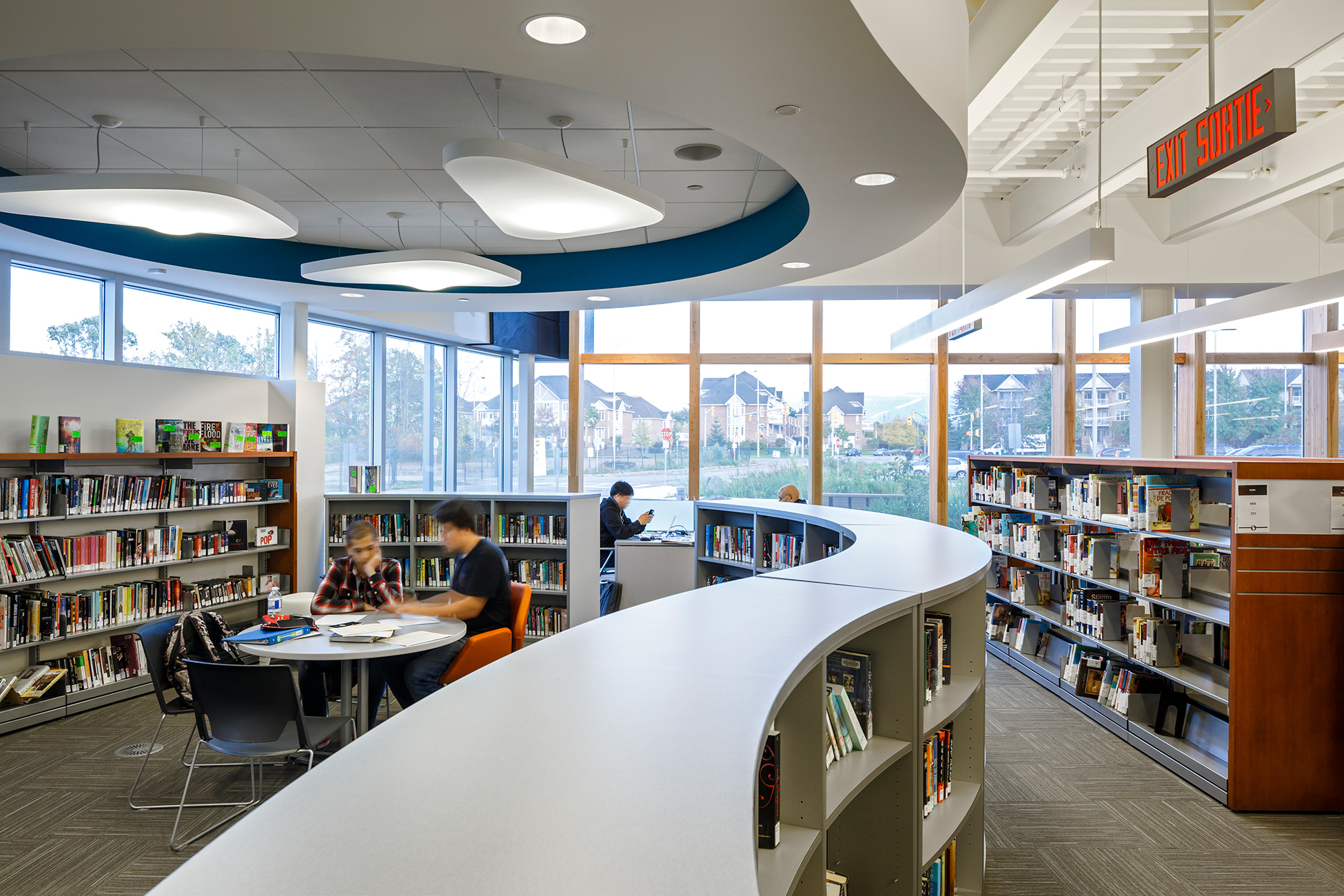
This major expansion and renovation doubled the size of the West District Library, the second-highest circulating branch in the Ottawa Public Library system, and created welcoming, engaging, light--filled and technology-enabled public spaces. The two-storey addition established a far more substantial visual presence for the library, welcoming patrons with a transparent facade of floor-to-ceiling glass and an entrance terrace with seating areas and naturalized gardens.
The Ismaili Centre

No items found.
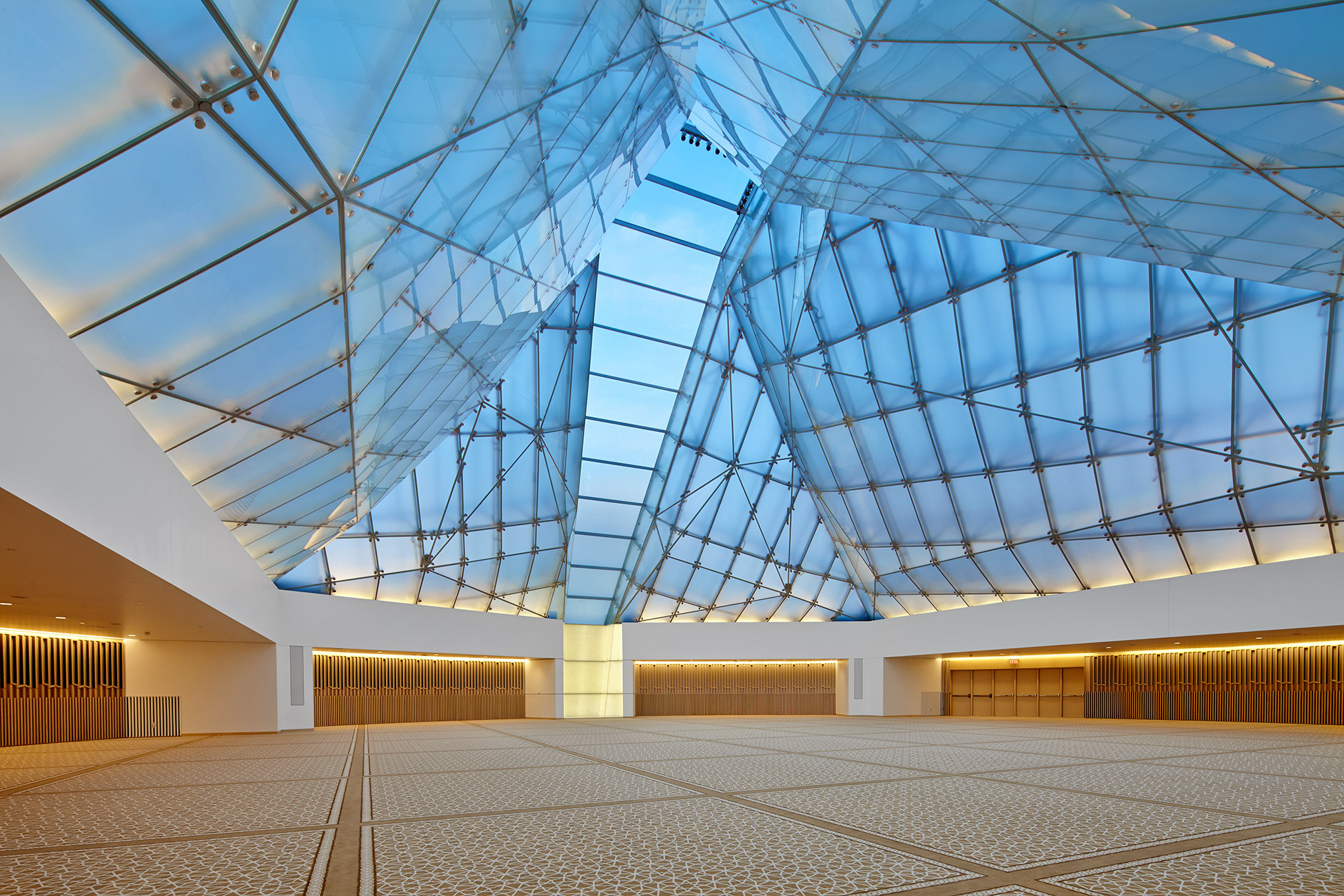
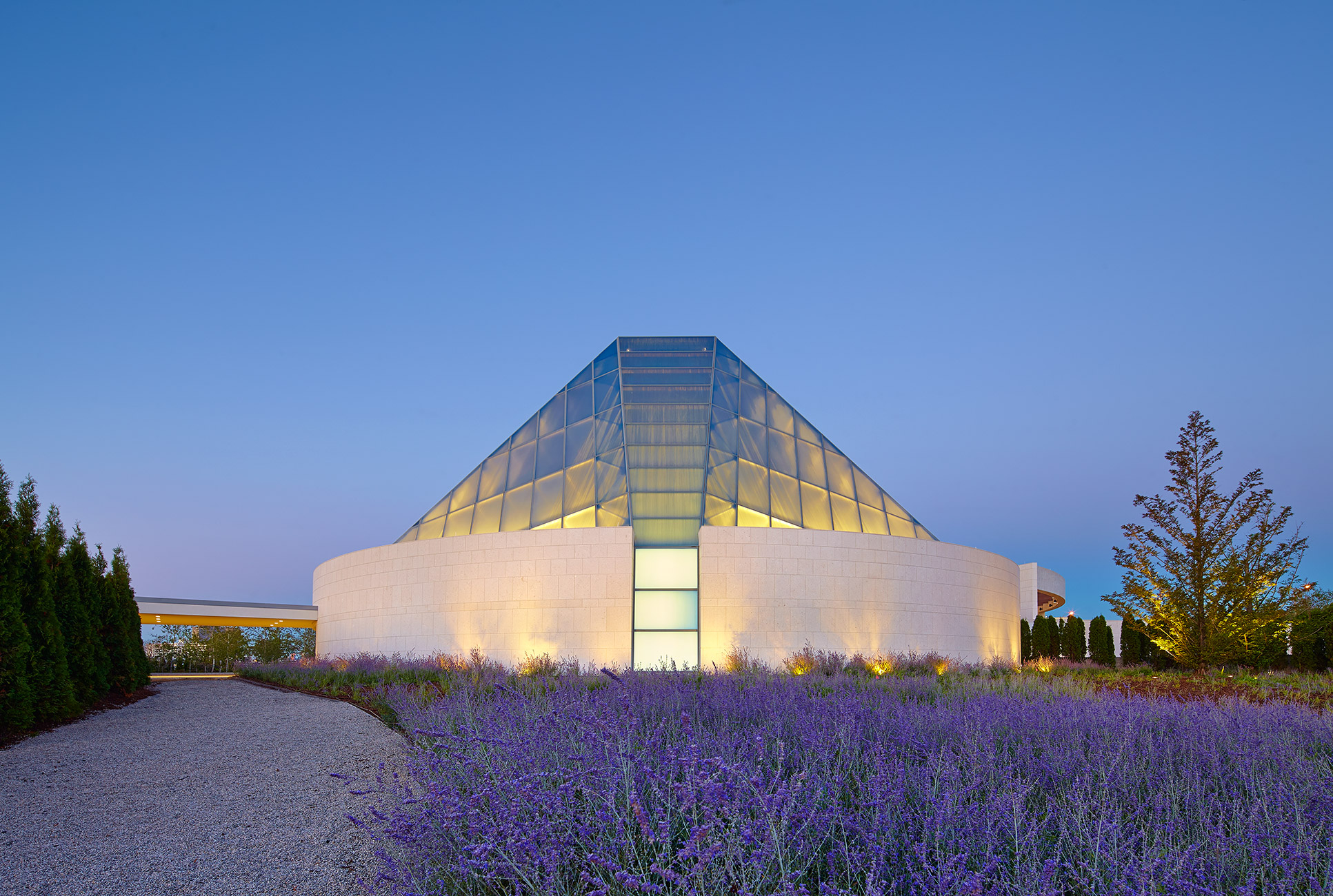
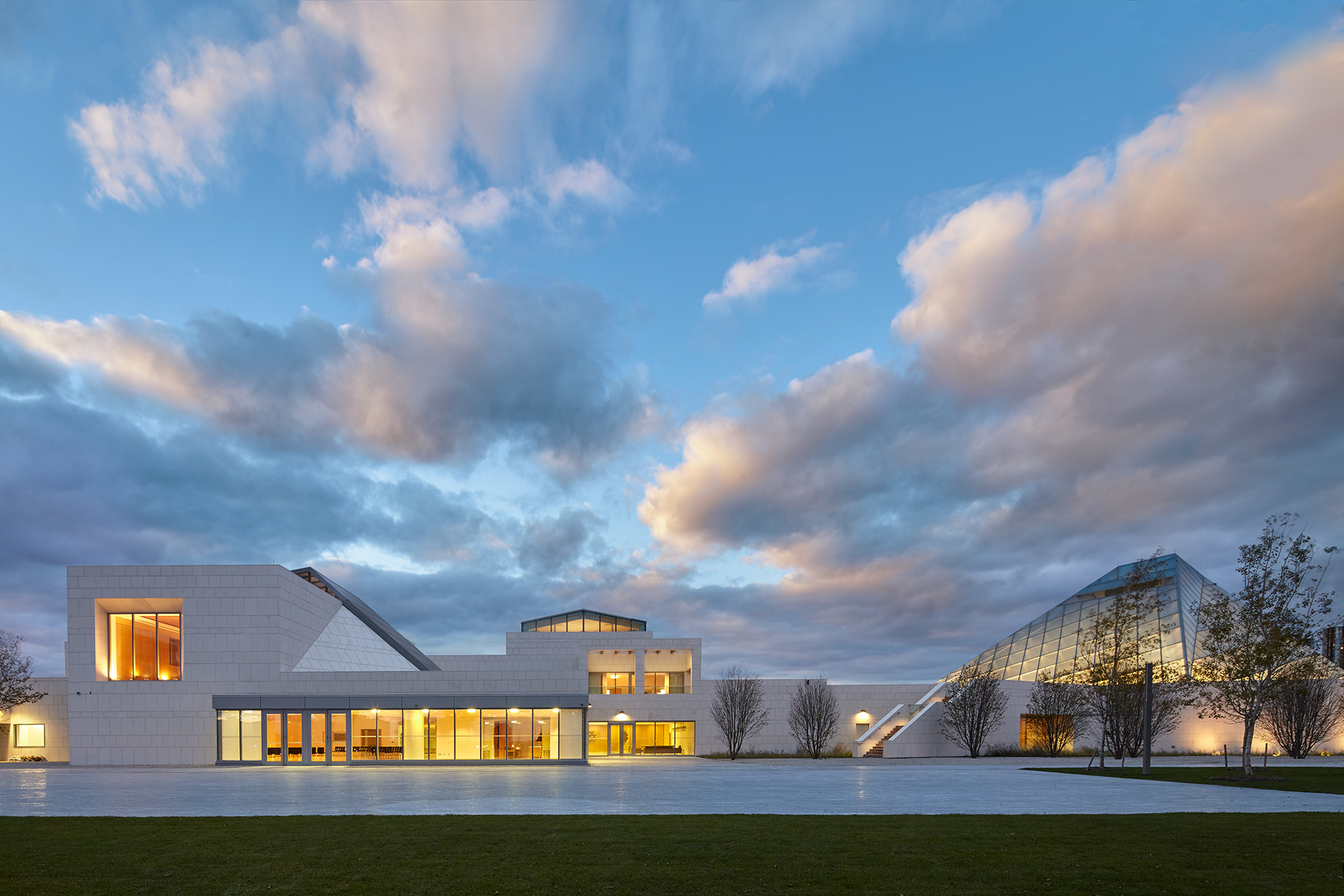
The Ismaili Centre uniquely responds to established Islamic building traditions, while incorporating contemporary architectural form, materiality and construction methods. The architectural language distinguishes a community that is both informed by its past and modern in its outlook, inviting peaceful faith and contemplation, intellectual discovery and public outreach.
UTM Innovation Complex, University of Toronto
No items found.
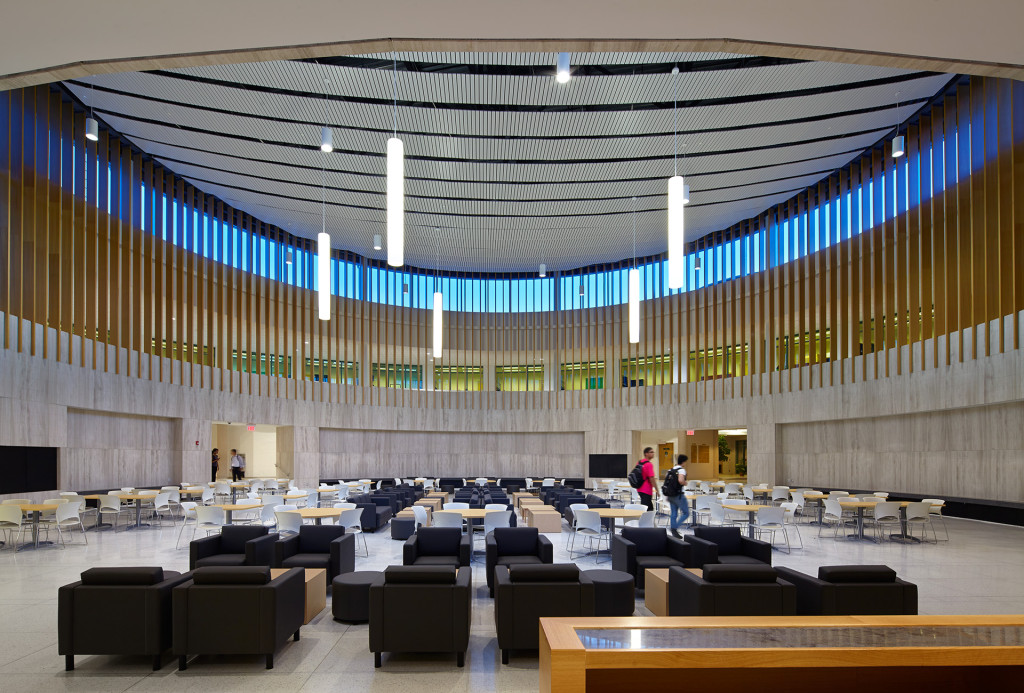
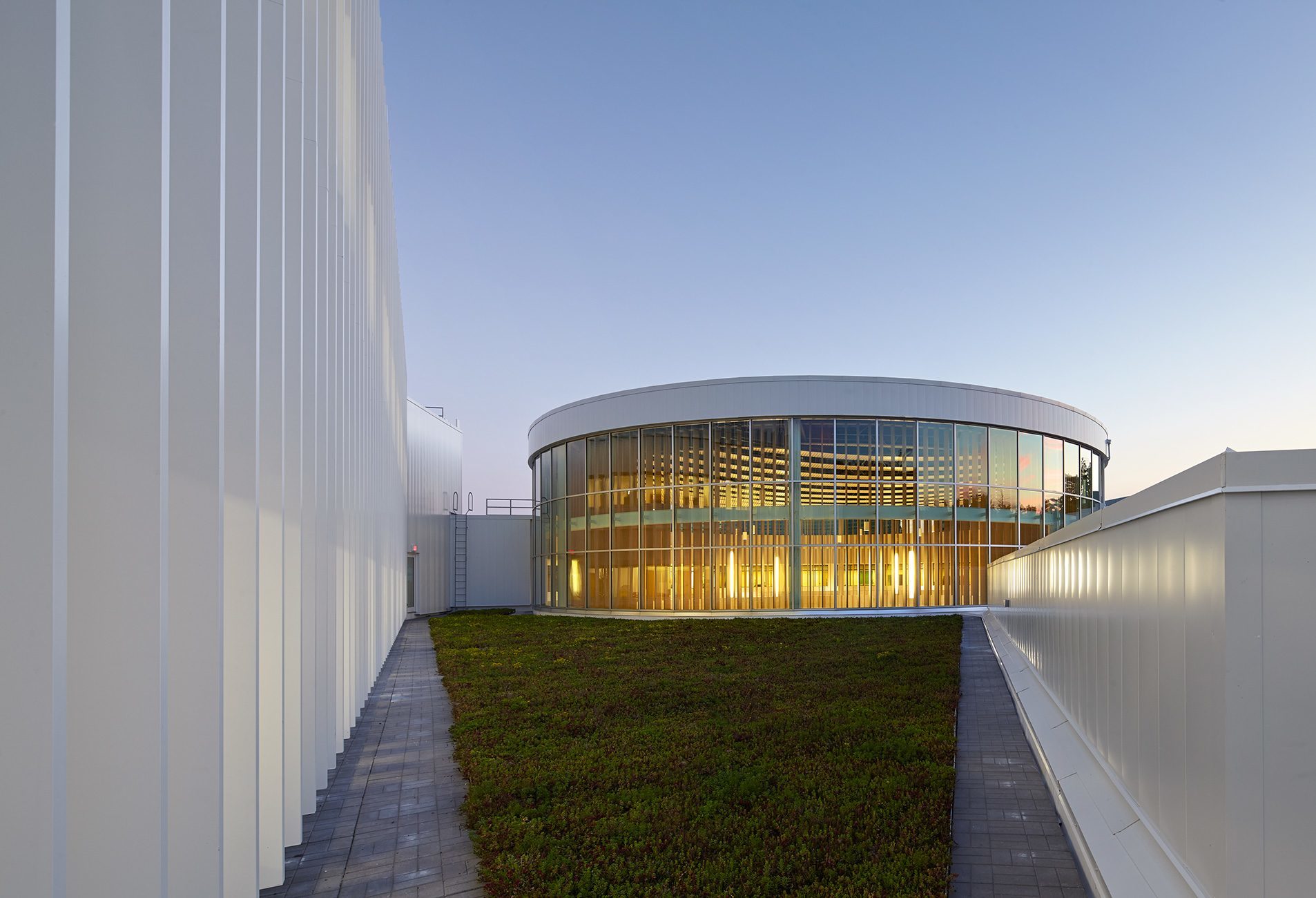
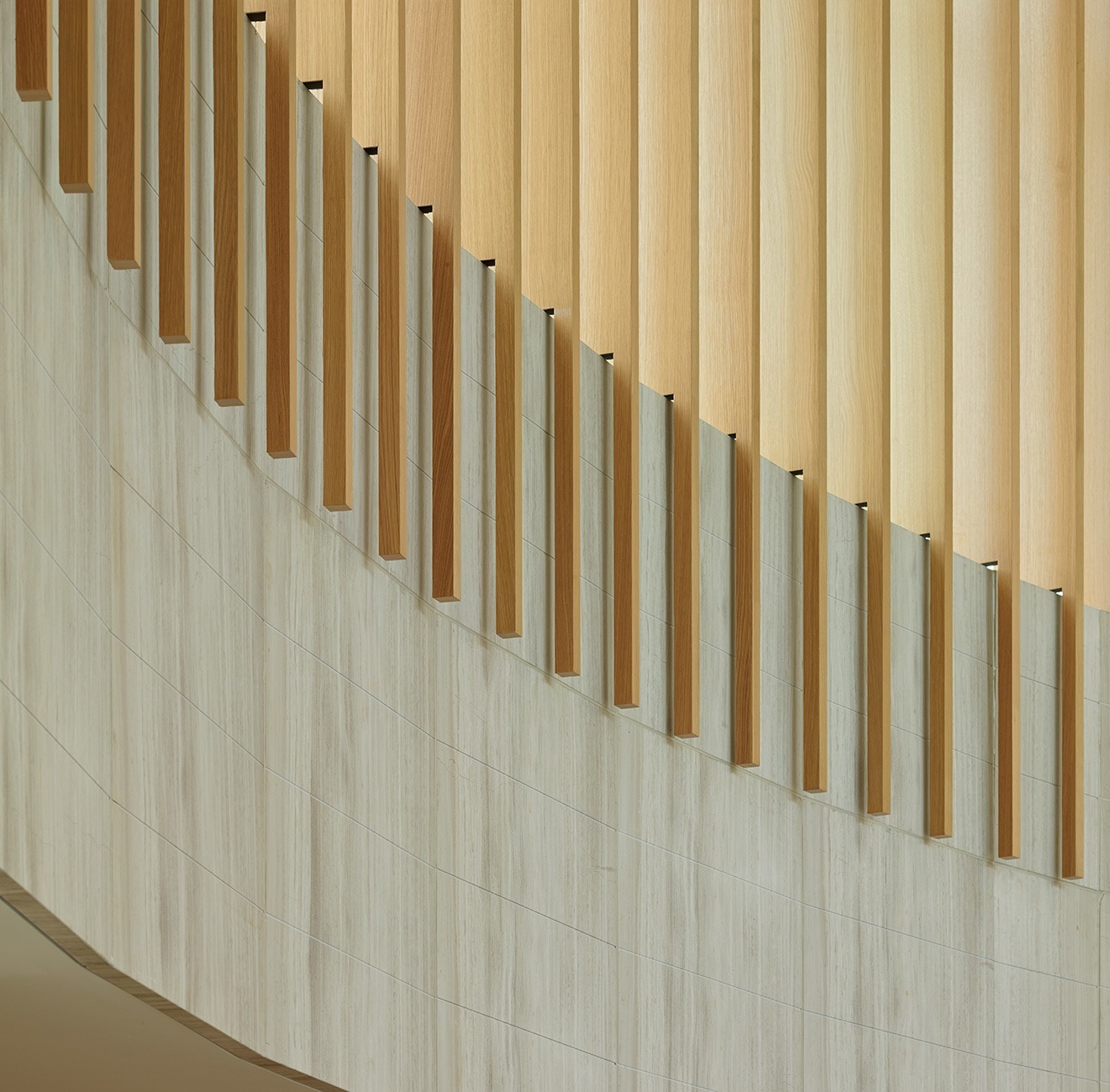
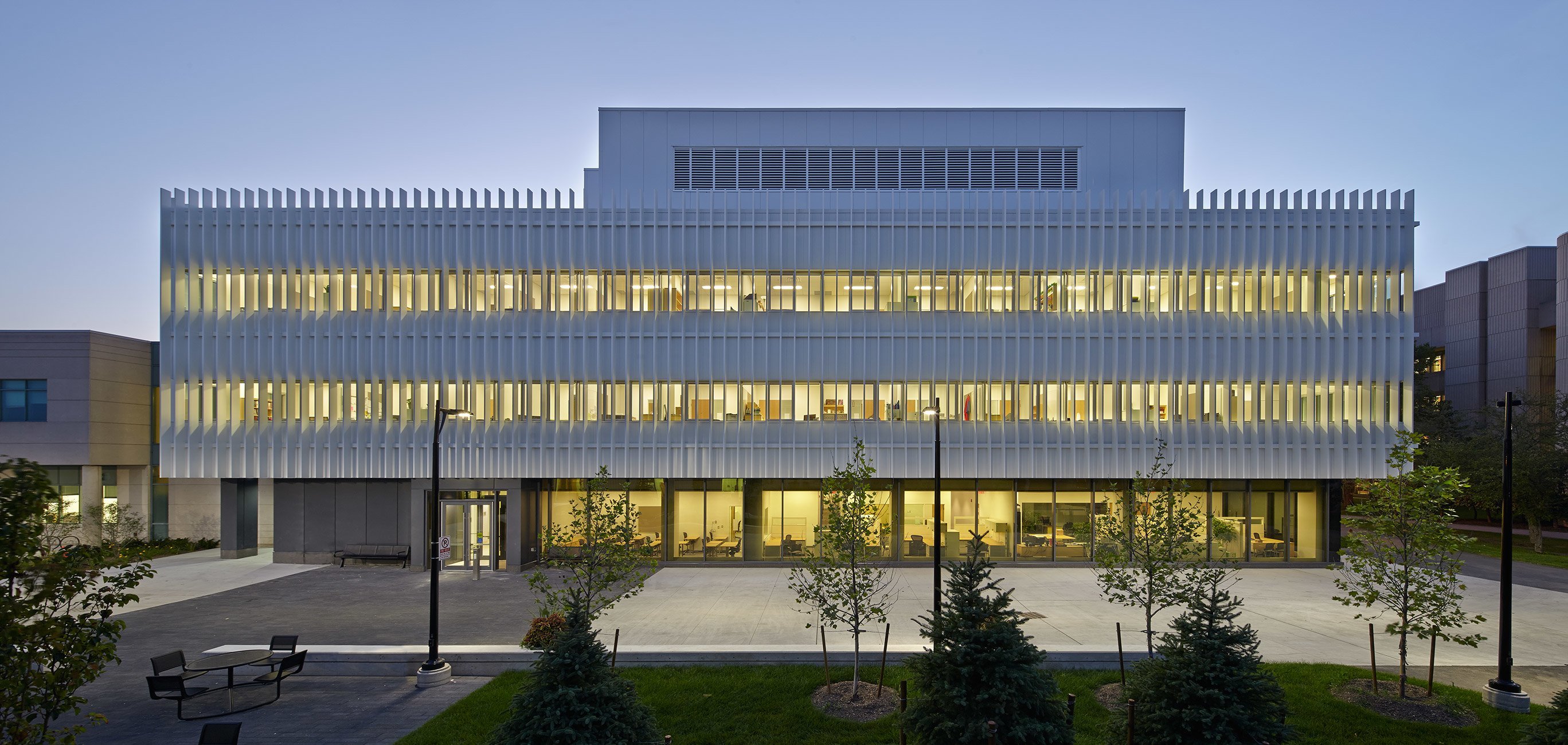
A major expansion of the former Kaneff Centre, the Innovation Complex is a new gateway to the University of Toronto Mississauga campus, an incubator for industry partnerships and a multifunctional hub of academic, administrative, and social activity. The focal point of this dynamic synergy is the Rotunda, an open and airy circular atrium created at the heart of the building.
Surrey Civic Centre

No items found.
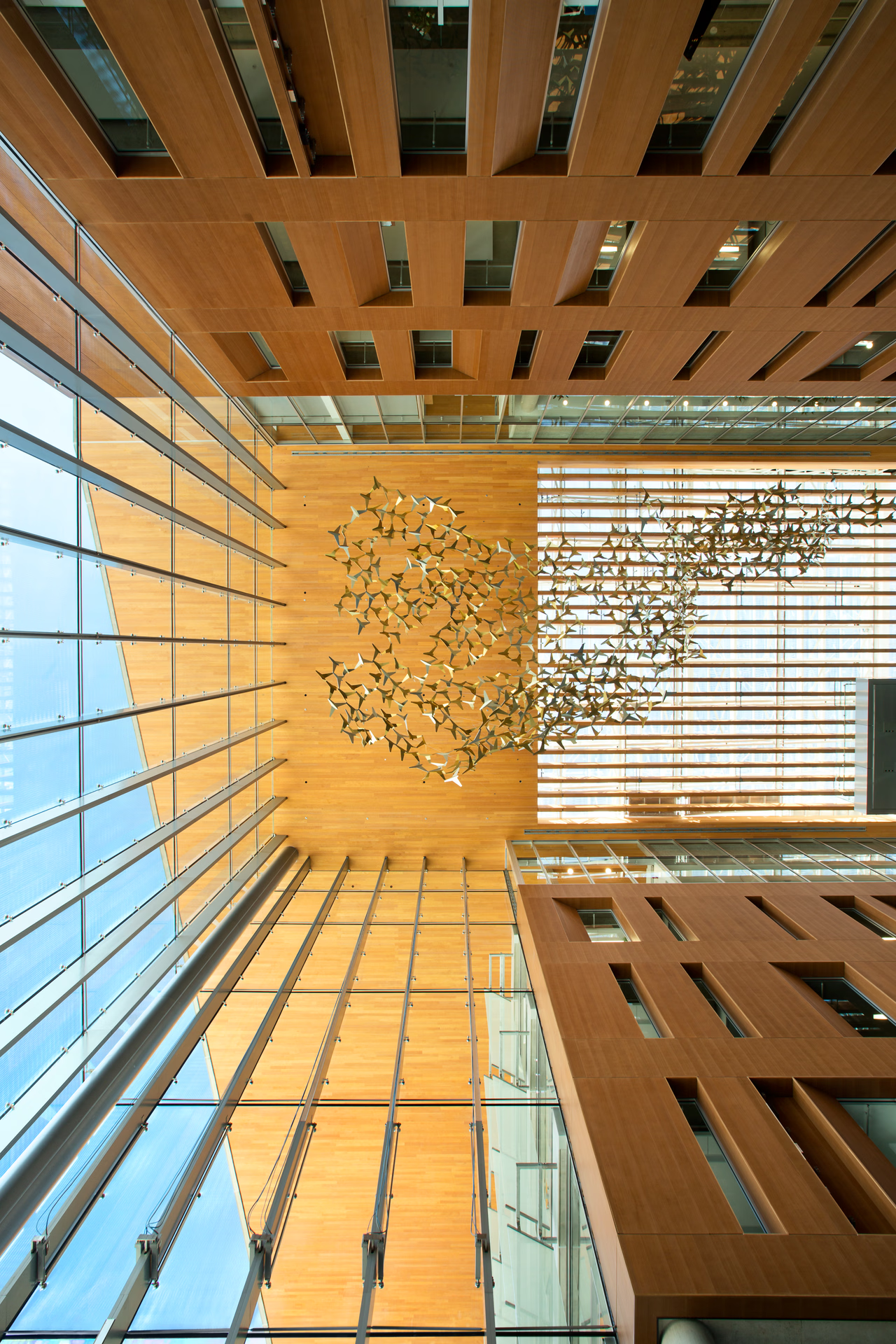
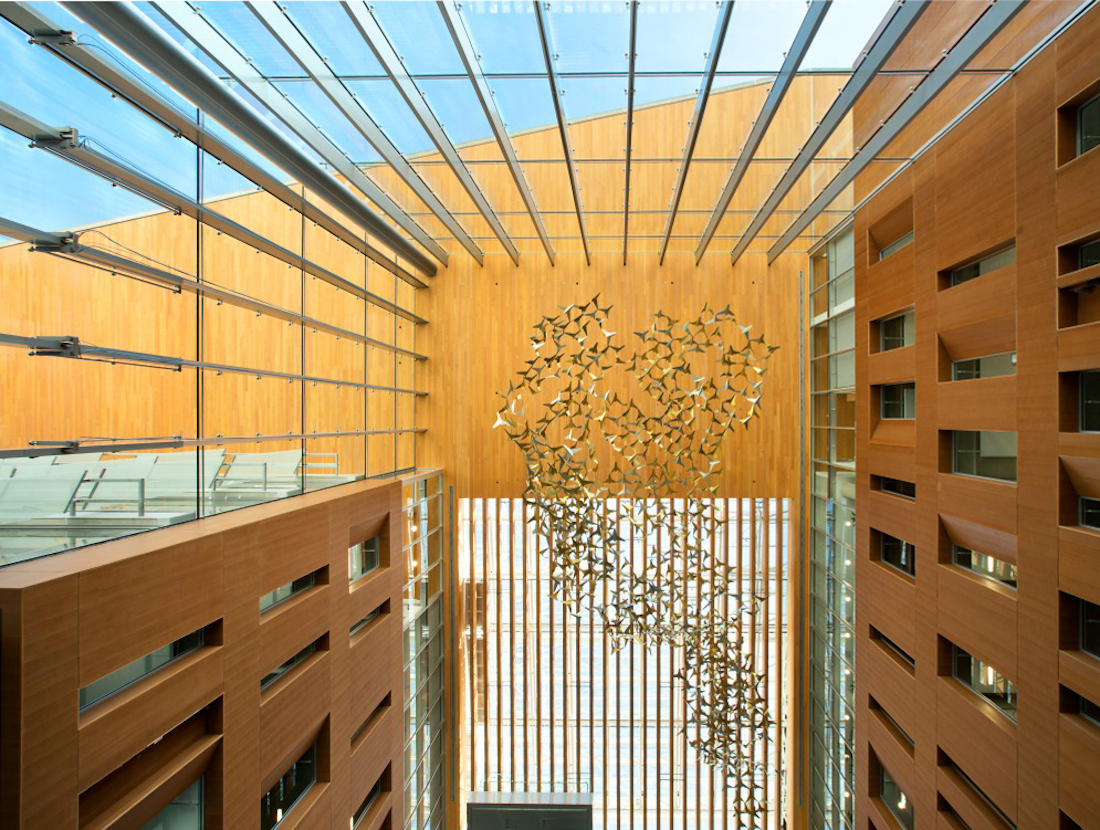
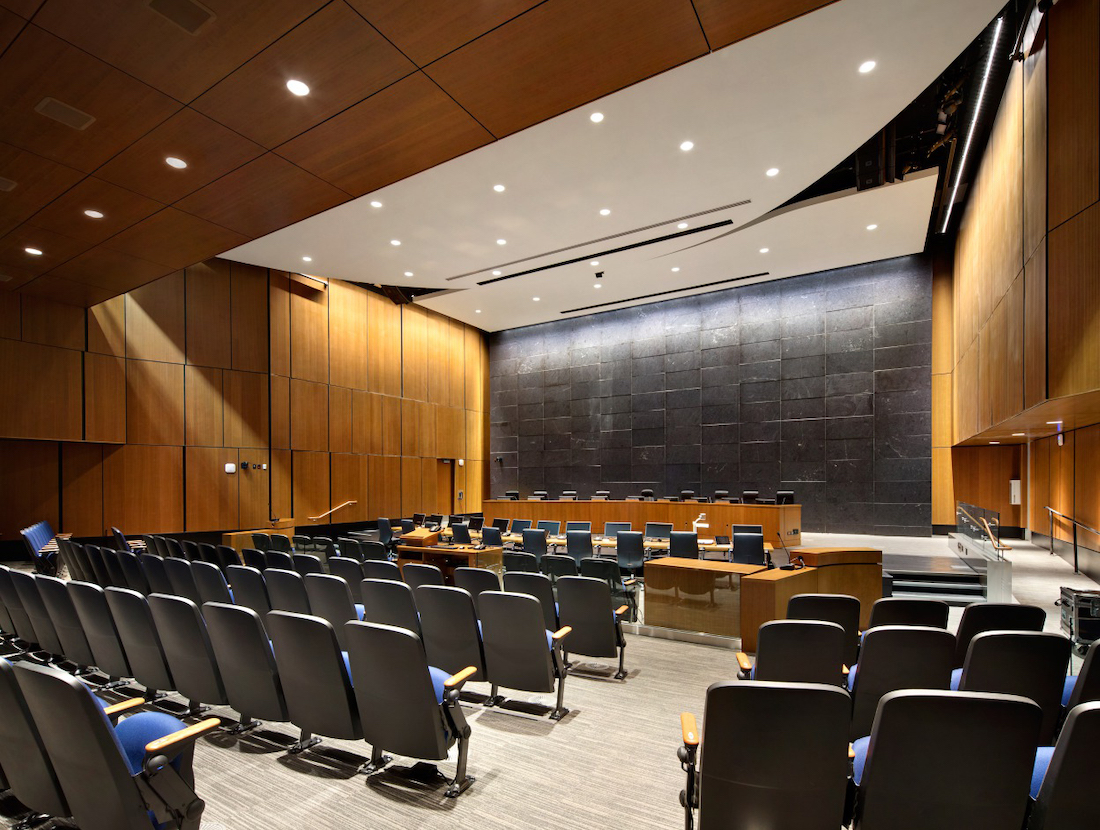
In joint venture with Kasian Architecture, Interior Design, and Planning, Moriyama Teshima Architects was commissioned to develop a master plan for Surrey City Centre, and design a new City Hall facility and Civic Plaza, embracing family life, recreation, and spiritual health within a seamlessly integrated landscape. Surrey City Hall and Civic Plaza form the heart and gateway of Surrey Civic Centre. Registered LEED Gold, the City Hall and Plaza invite public engagement and social interaction year round, while exemplifying Surrey's commitment to environmental stewardship.
Edmonton Federal Building

No items found.
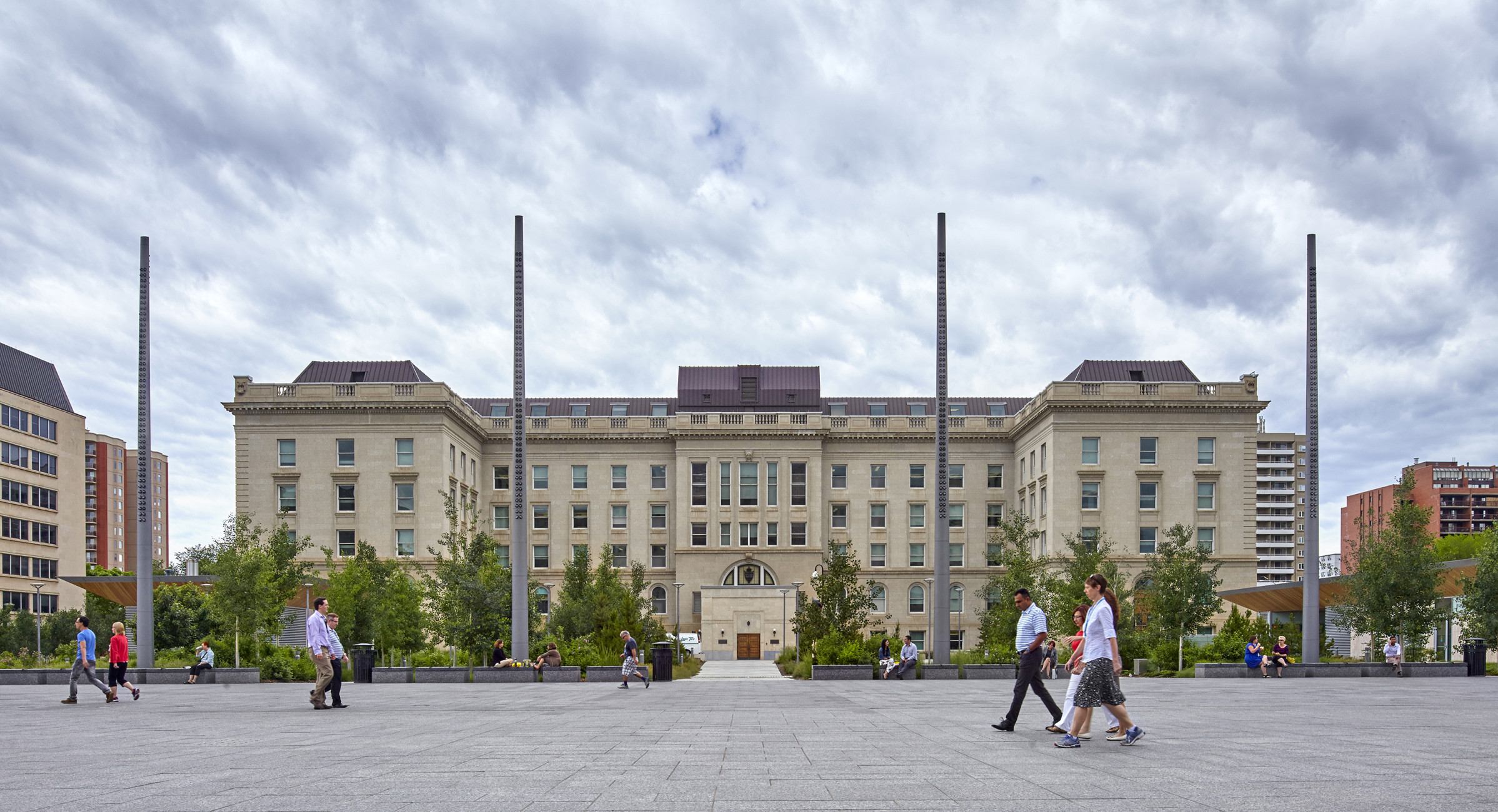
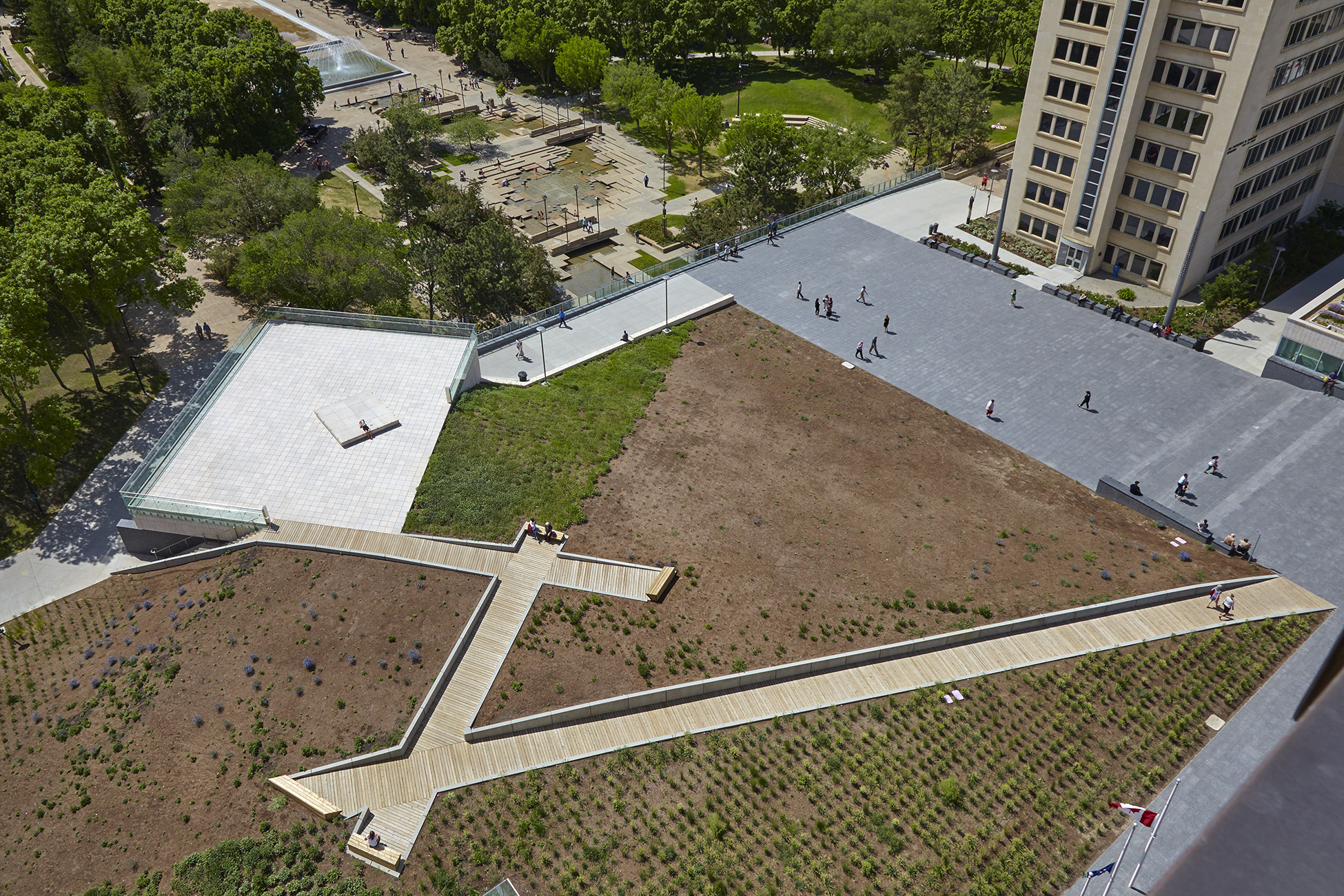
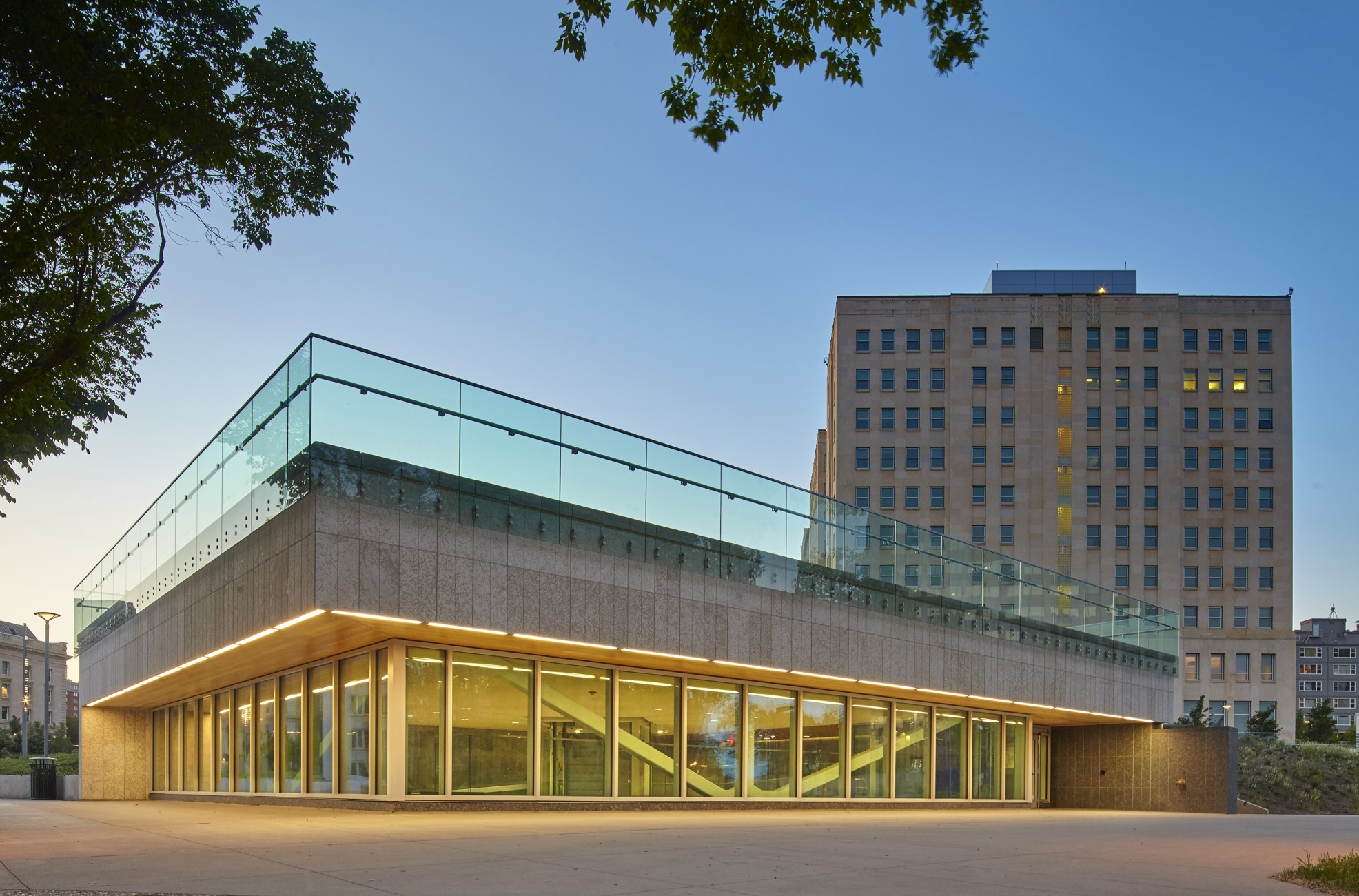
The Centennial Plaza Project represents the implementation of Phase 1 of the Alberta Legislature Centre Redevelopment and Capital District Master Plan. Joining forces with Kasian Architecture, Moriyama Teshima Architects led the master planning and design of the public plaza/urban park and underground parkade component of the historical Edmonton Federal Buildingʼs $350-million renovation and redesign.
Aga Khan Museum
No items found.
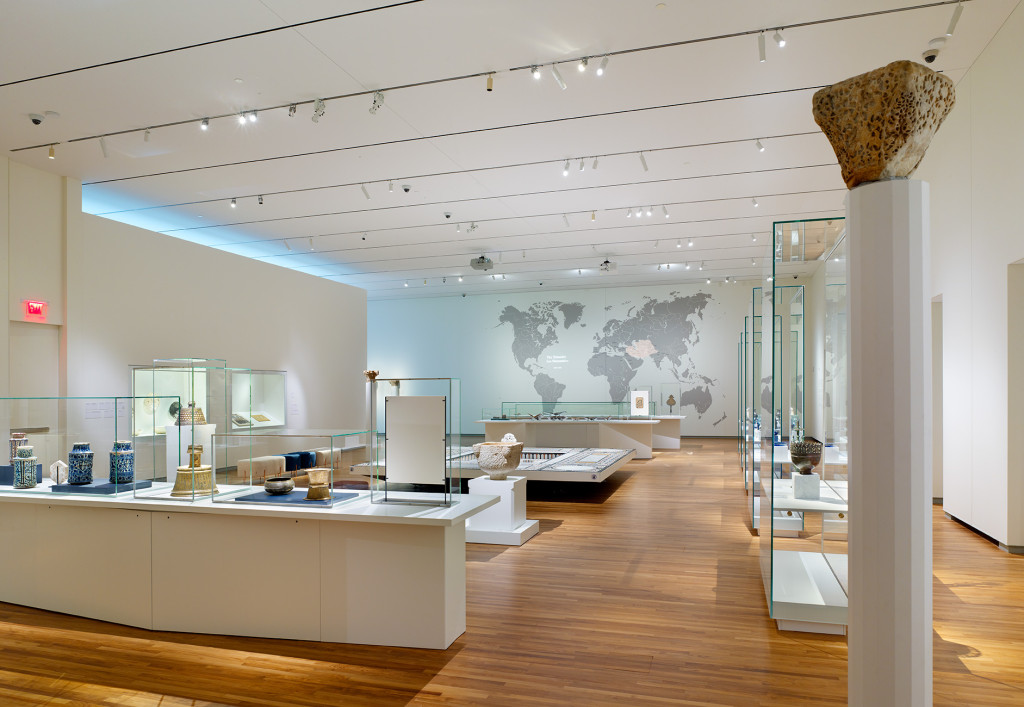
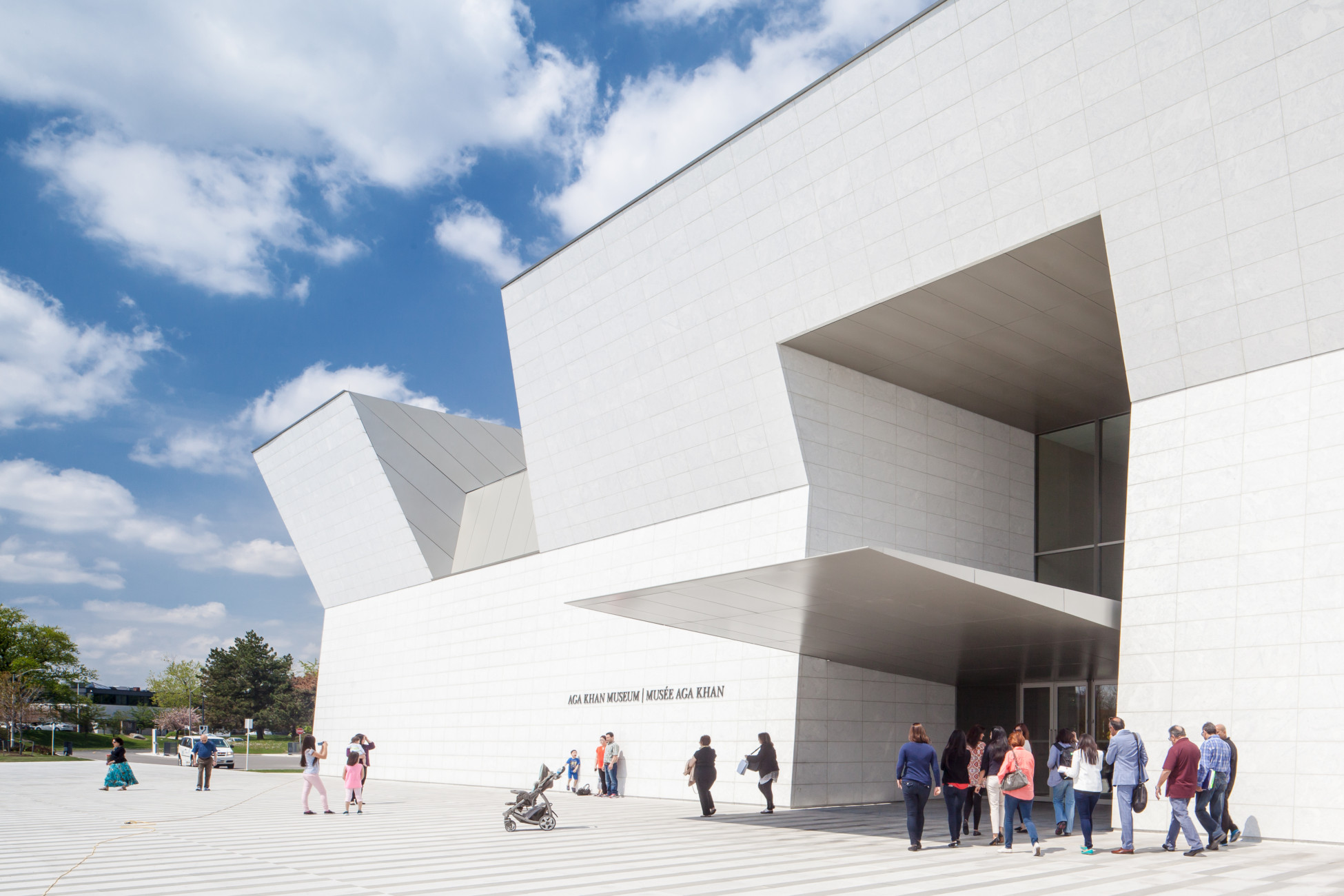
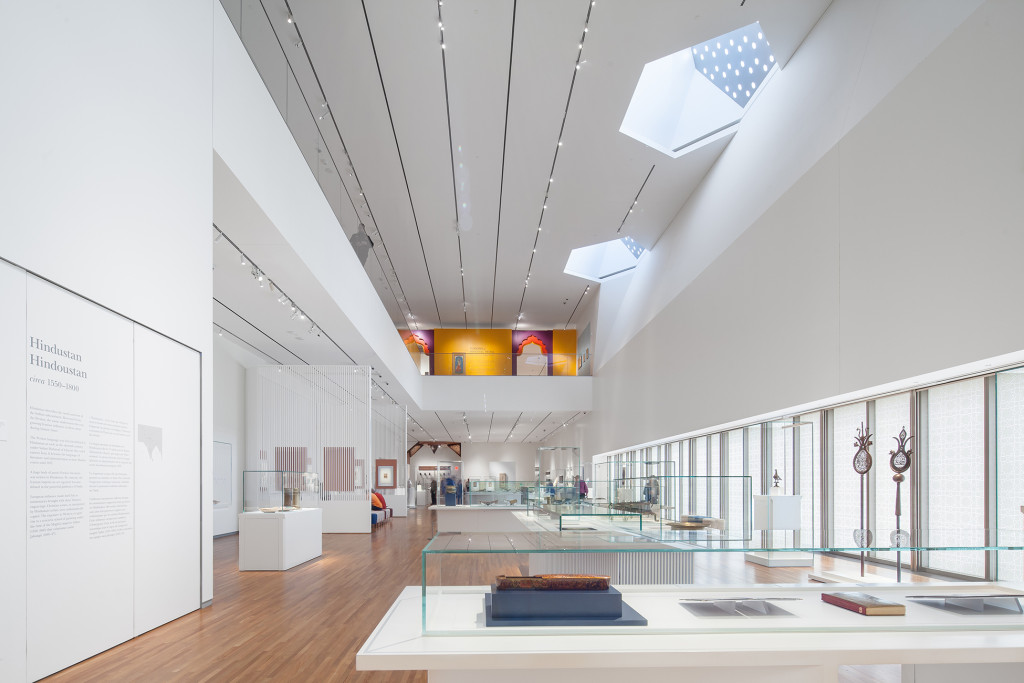
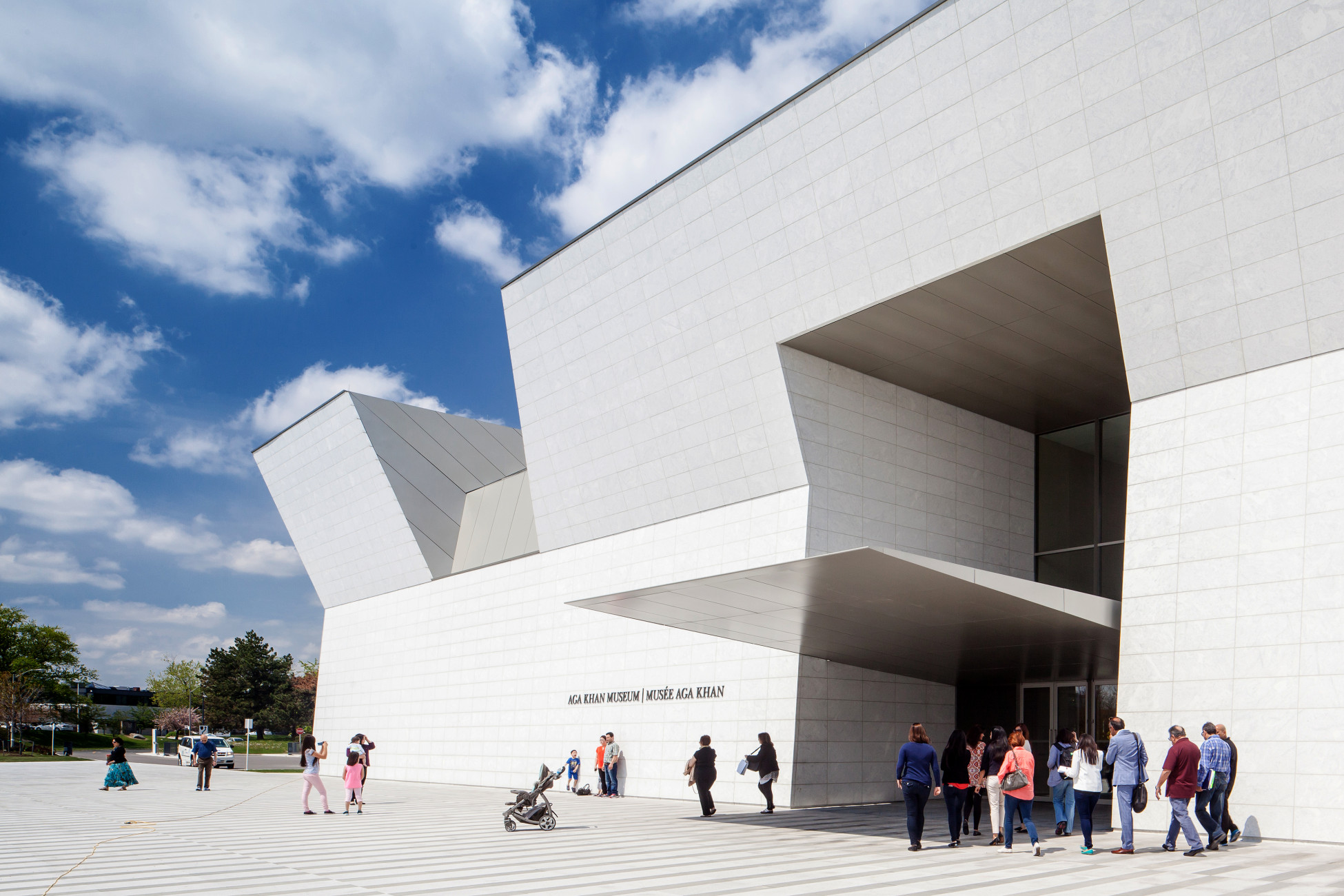
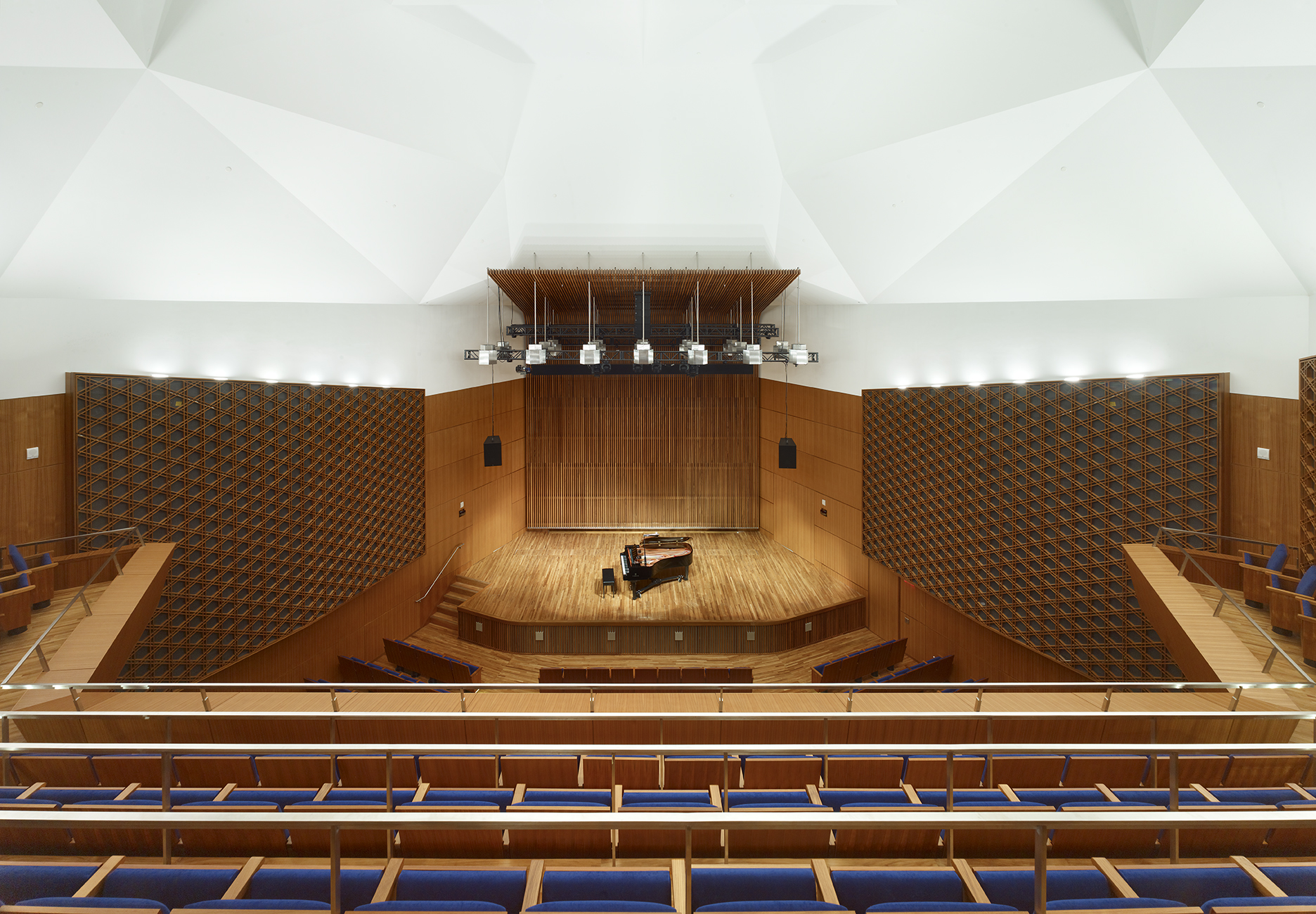
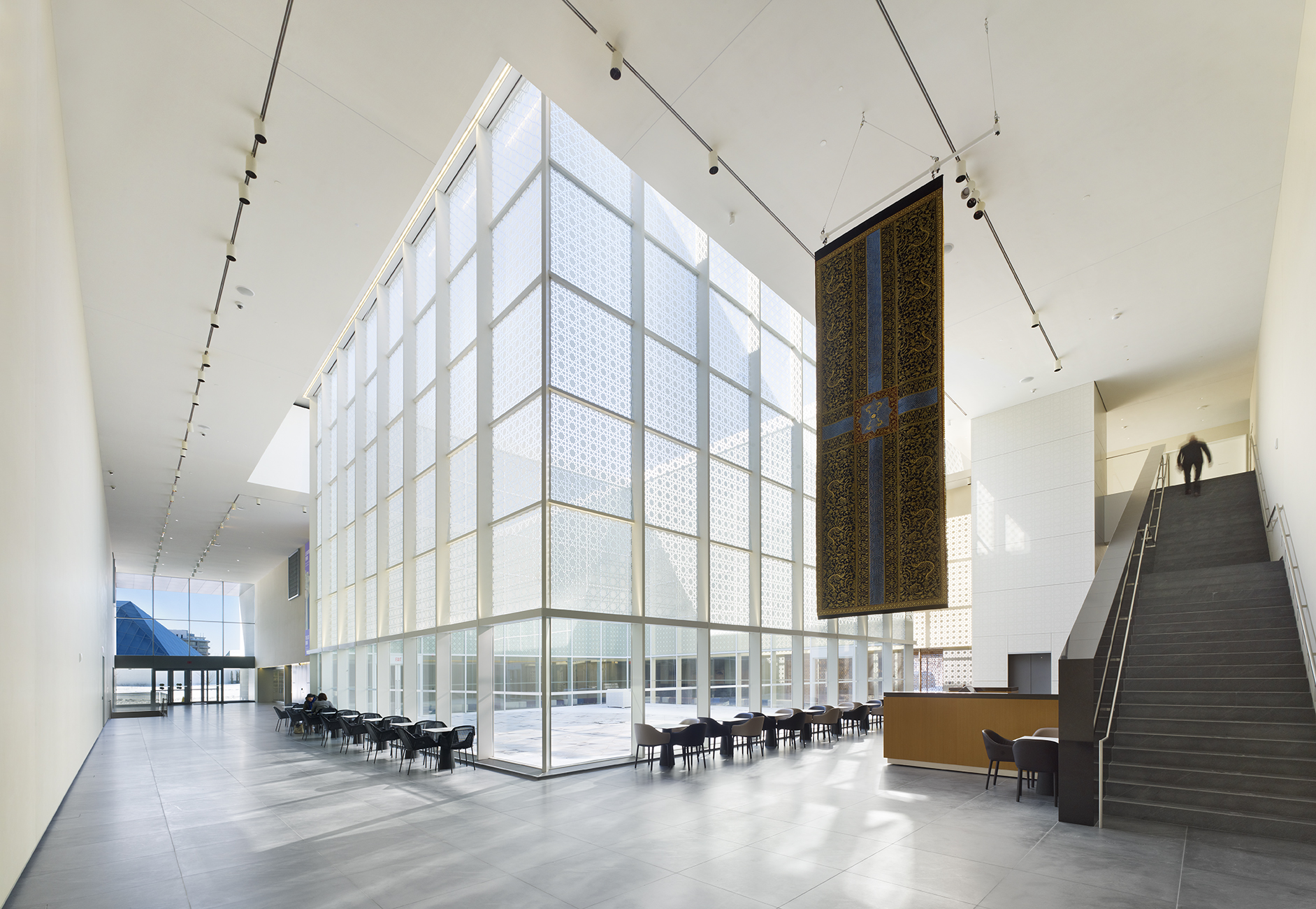
The Aga Khan Museum fosters knowledge and understanding of Islamic civilization through cultural programming and an extraordinary collection of Islamic arts and artifacts, drawn from the collections of His Highness the Aga Khan, Prince and Princess Sadruddin Aga Khan and the Institute of Ismaili Studies in London. Light being the primary inspiration for the project, the building acts as a vessel that is both animated and sculpted by light in myriad ways: casting patterns on the exterior walls of Brazilian granite, enhancing interior spaces, or illuminating the open-roofed courtyard.
2013
Entrepreneurship Centre, Saint Mary`s University
No items found.
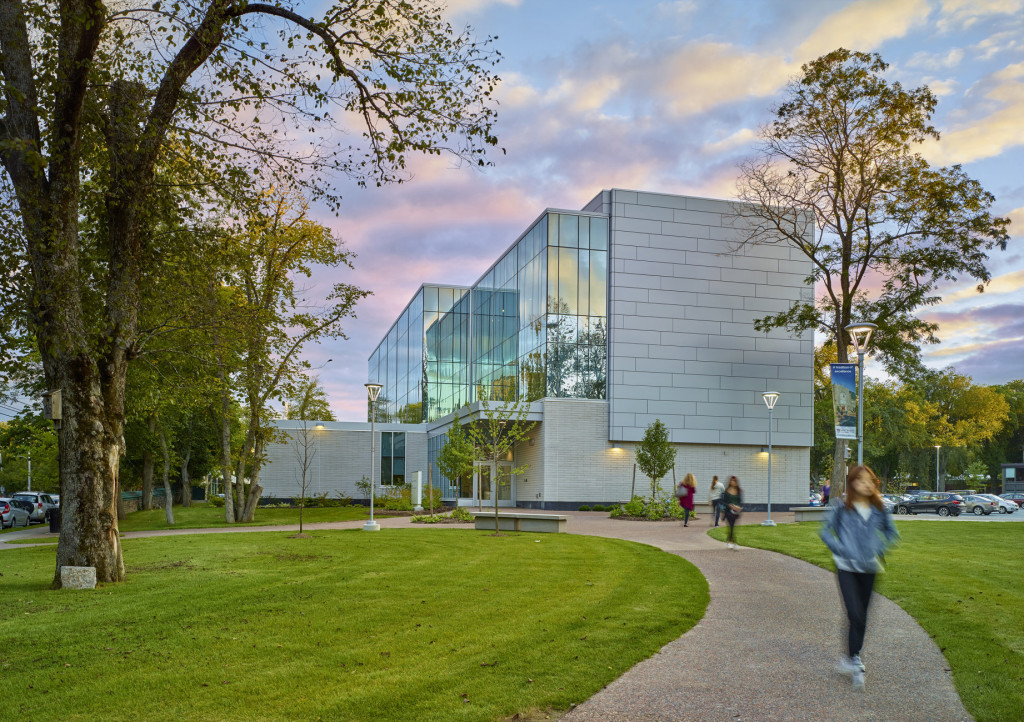
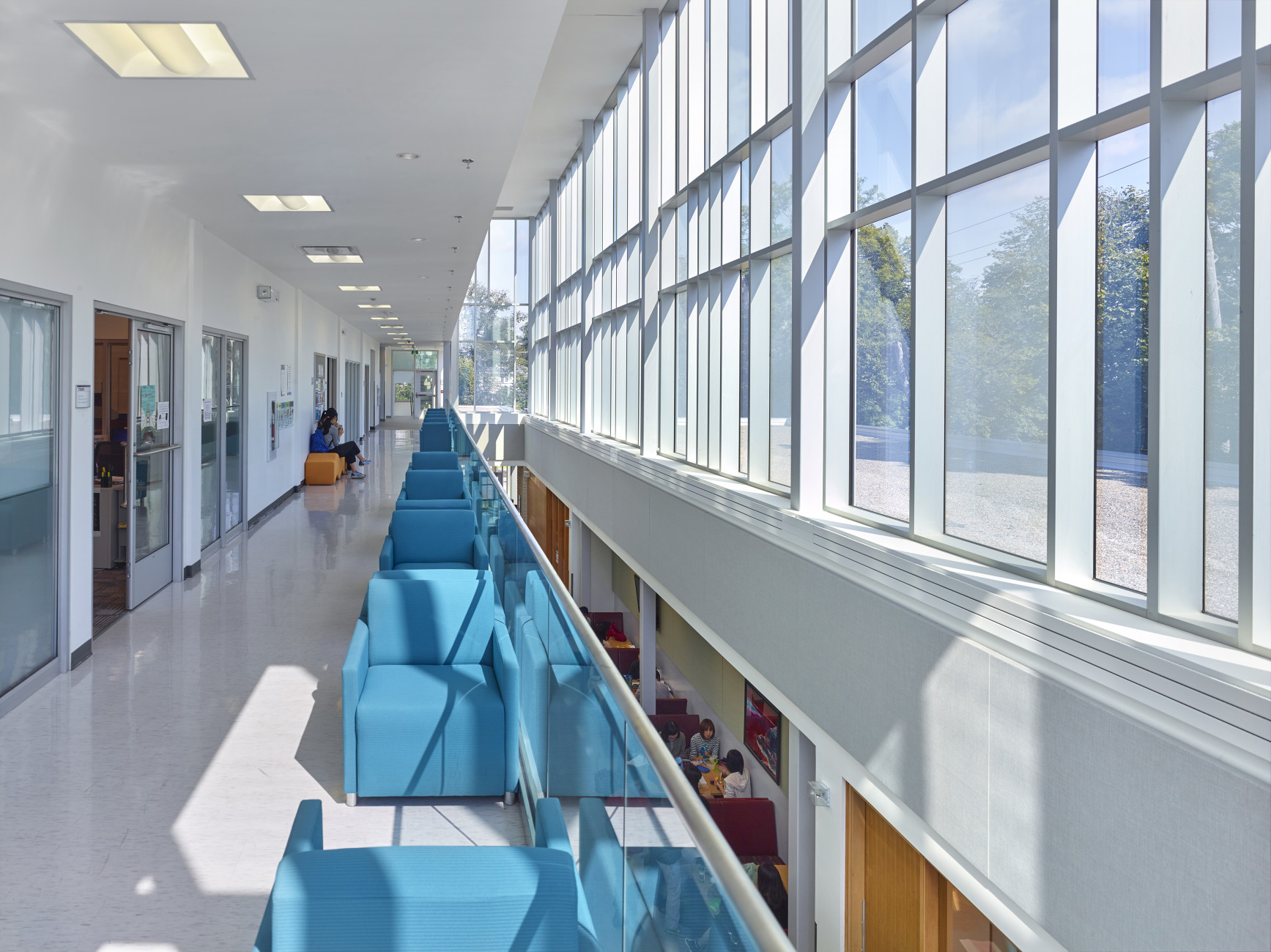
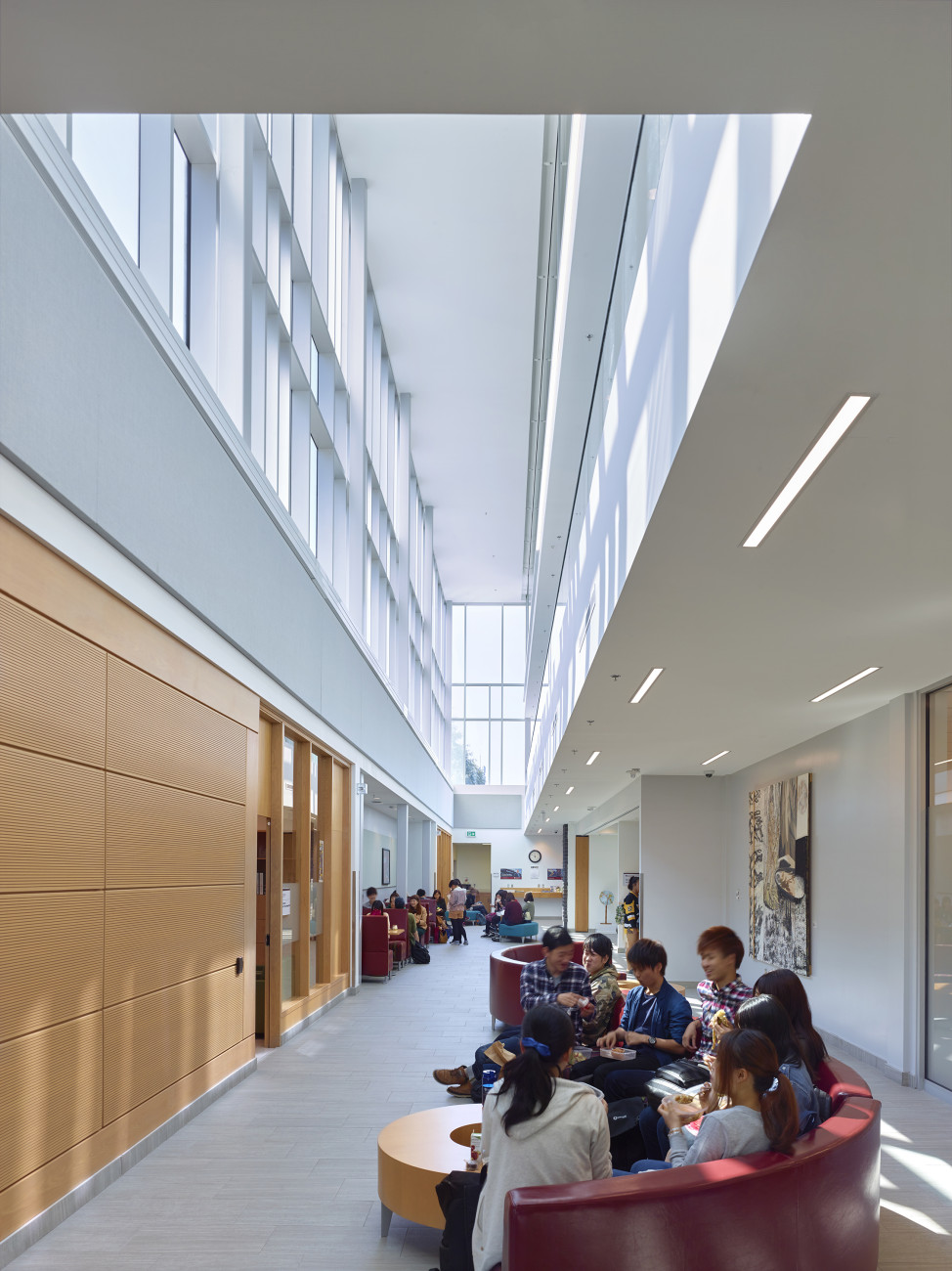
Founded in Halifax in 1802, Saint Mary's University is the second oldest English-speaking University in Canada. The Entrepreneurship Centre (then called, the "North East Campus Project") is a landmark academic building and campus gateway; the project aims to advance a culture of collaboration and partnership for the university's renowned institutes for business development and language training.
2012
Phase 1, Nova Scotia Community College
No items found.
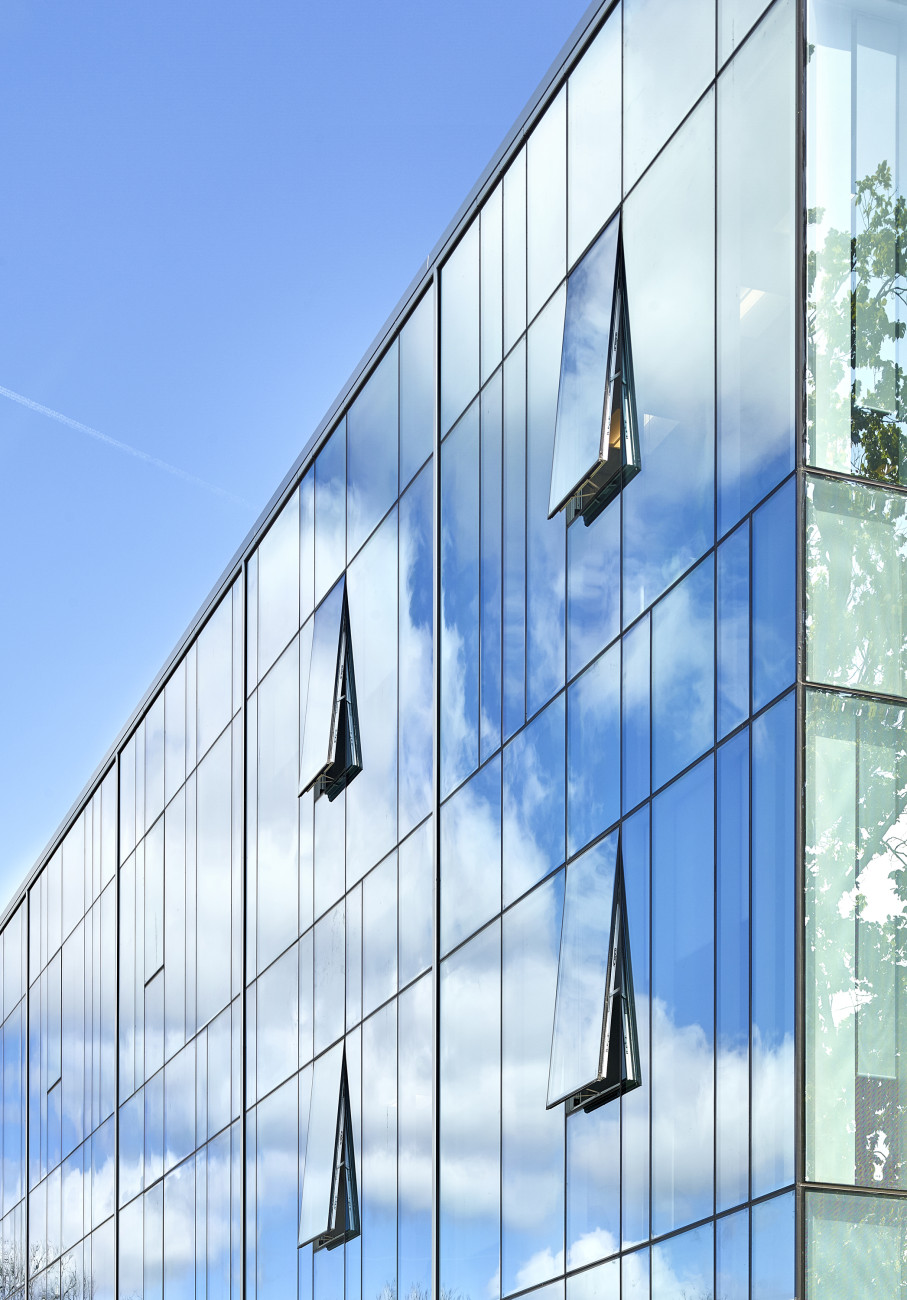
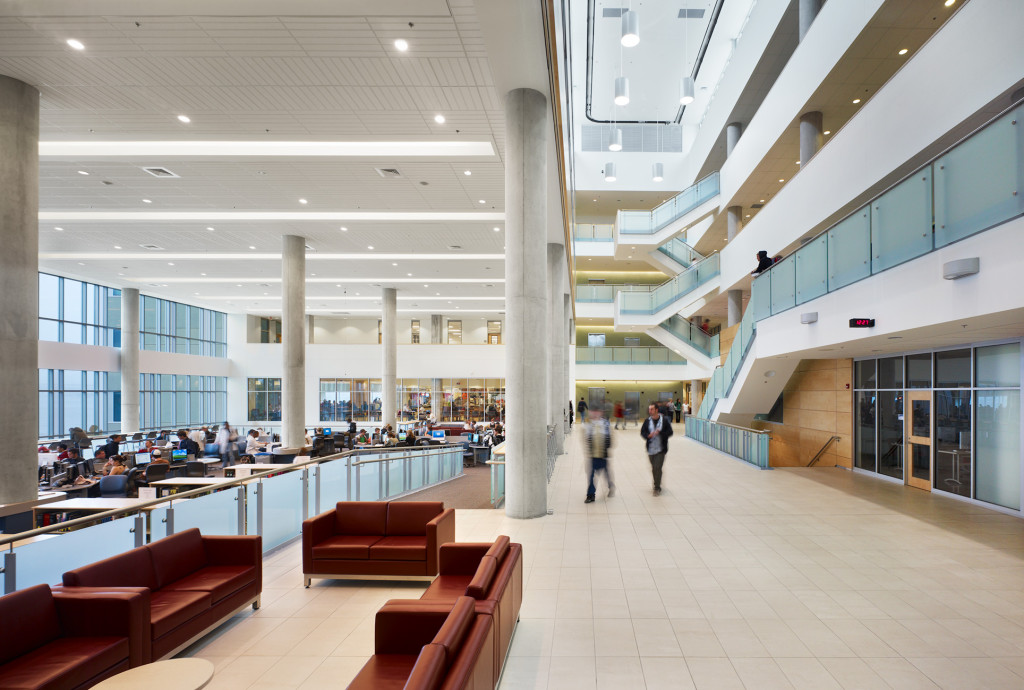
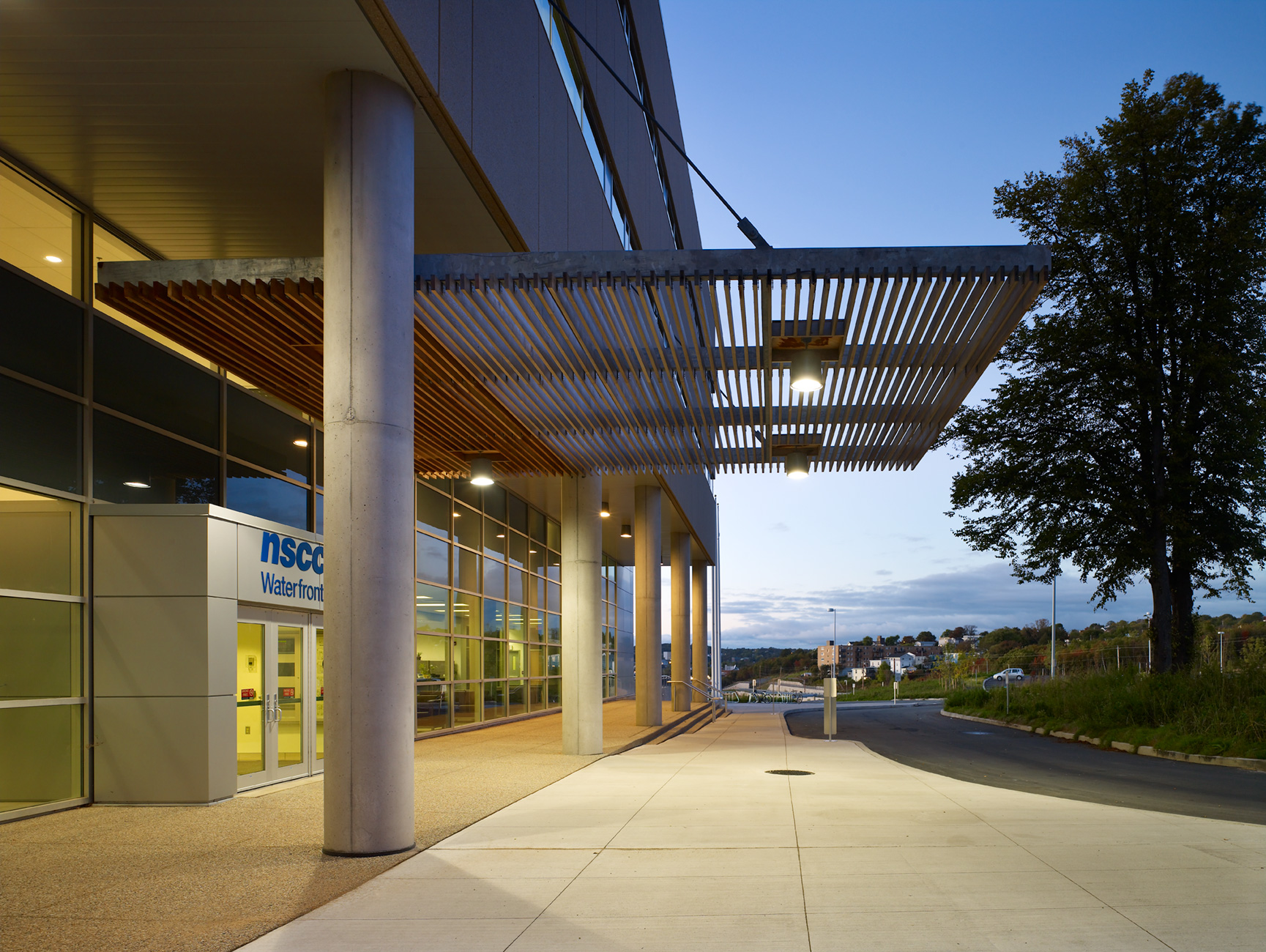
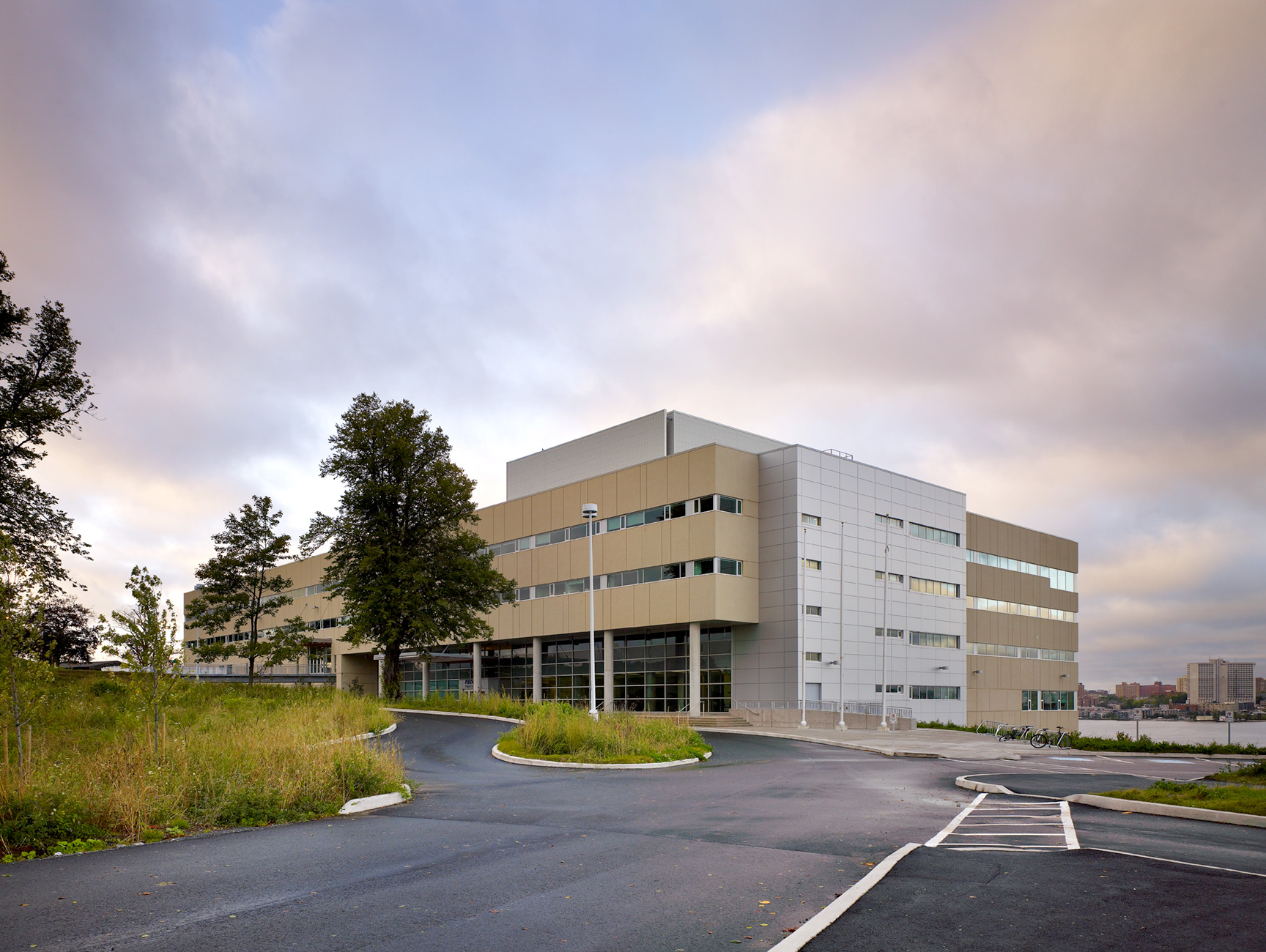
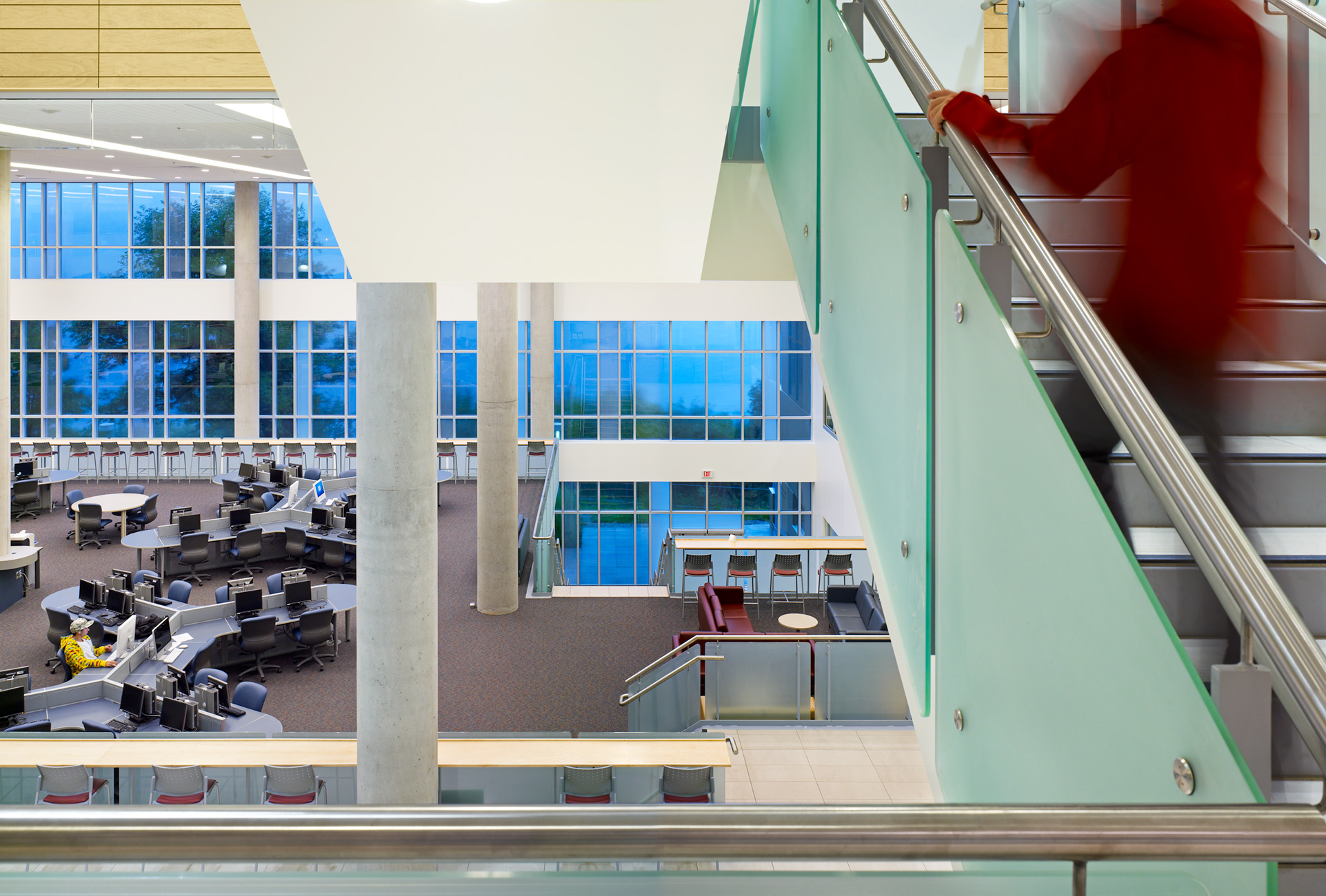
The location of this campus on a prominent waterfront site in Dartmouth is intended to radically revise the image of the College in the minds of government, business, and post-secondary stakeholder communities of Nova Scotia. Moriyama Teshima Architects led the master planning and design process of this complex project in close coordination with Barrie & Langille Architects.
Goldring Student Centre, University of Toronto
No items found.
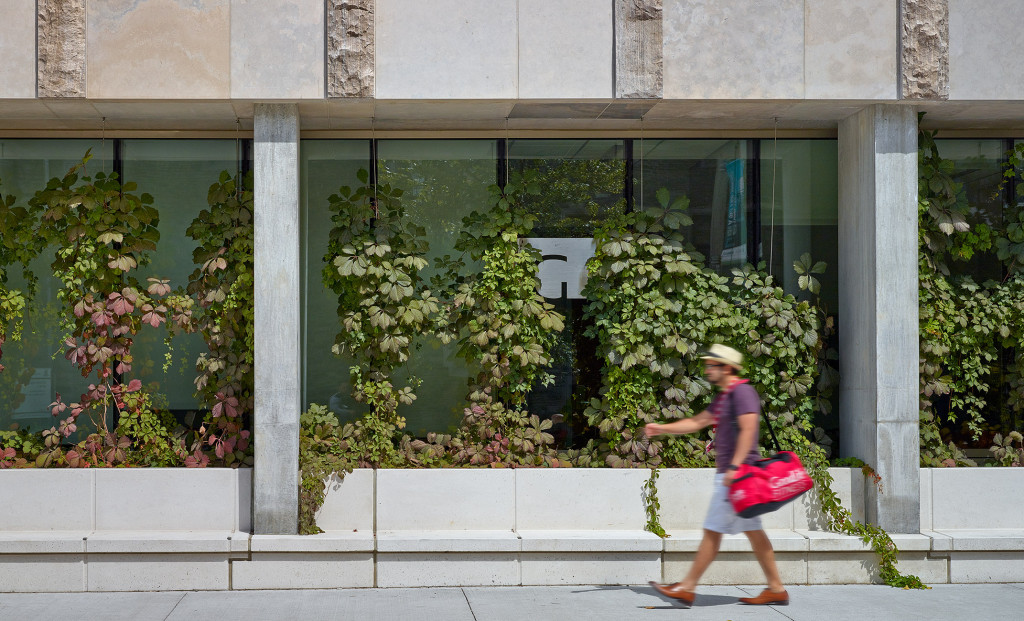
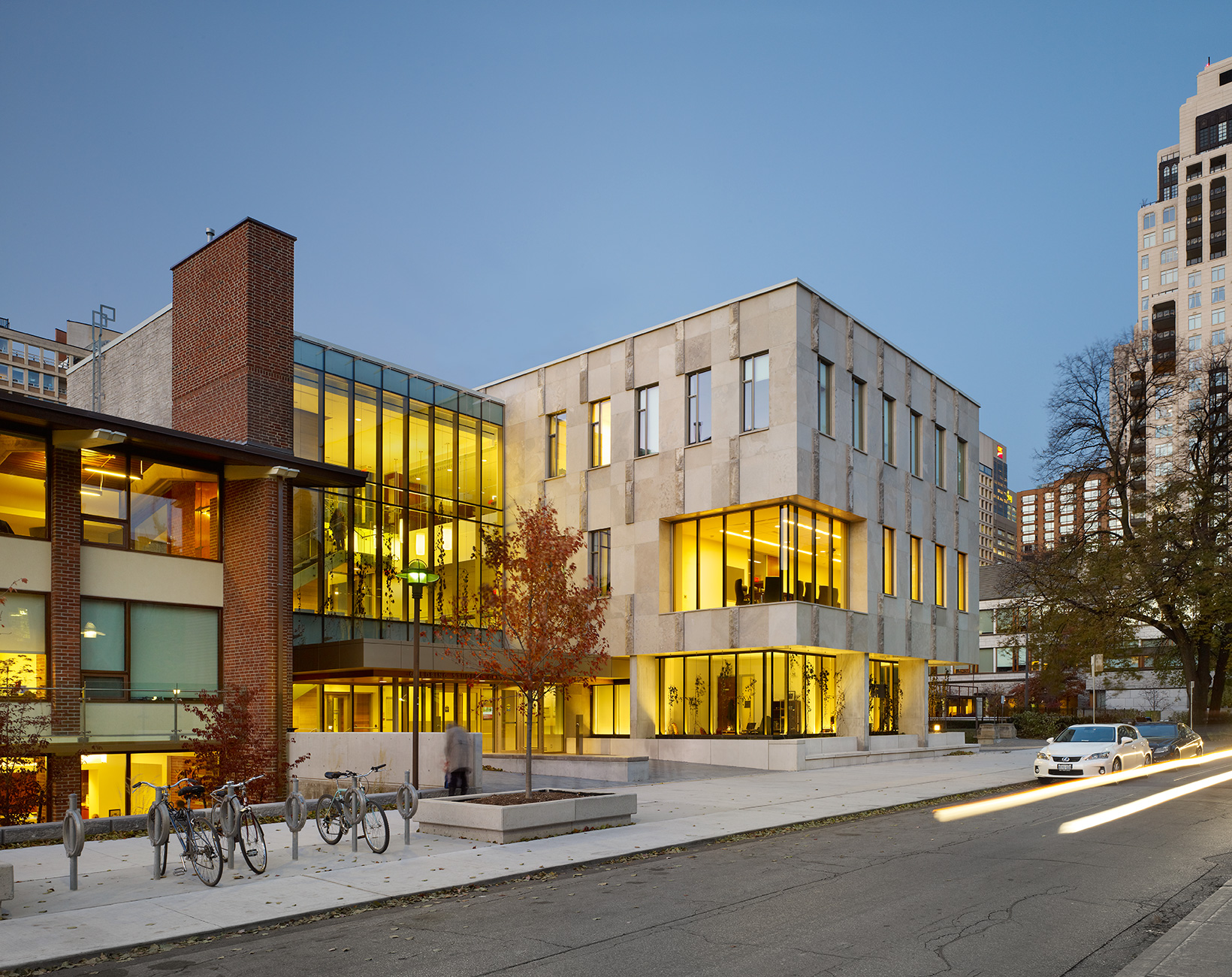
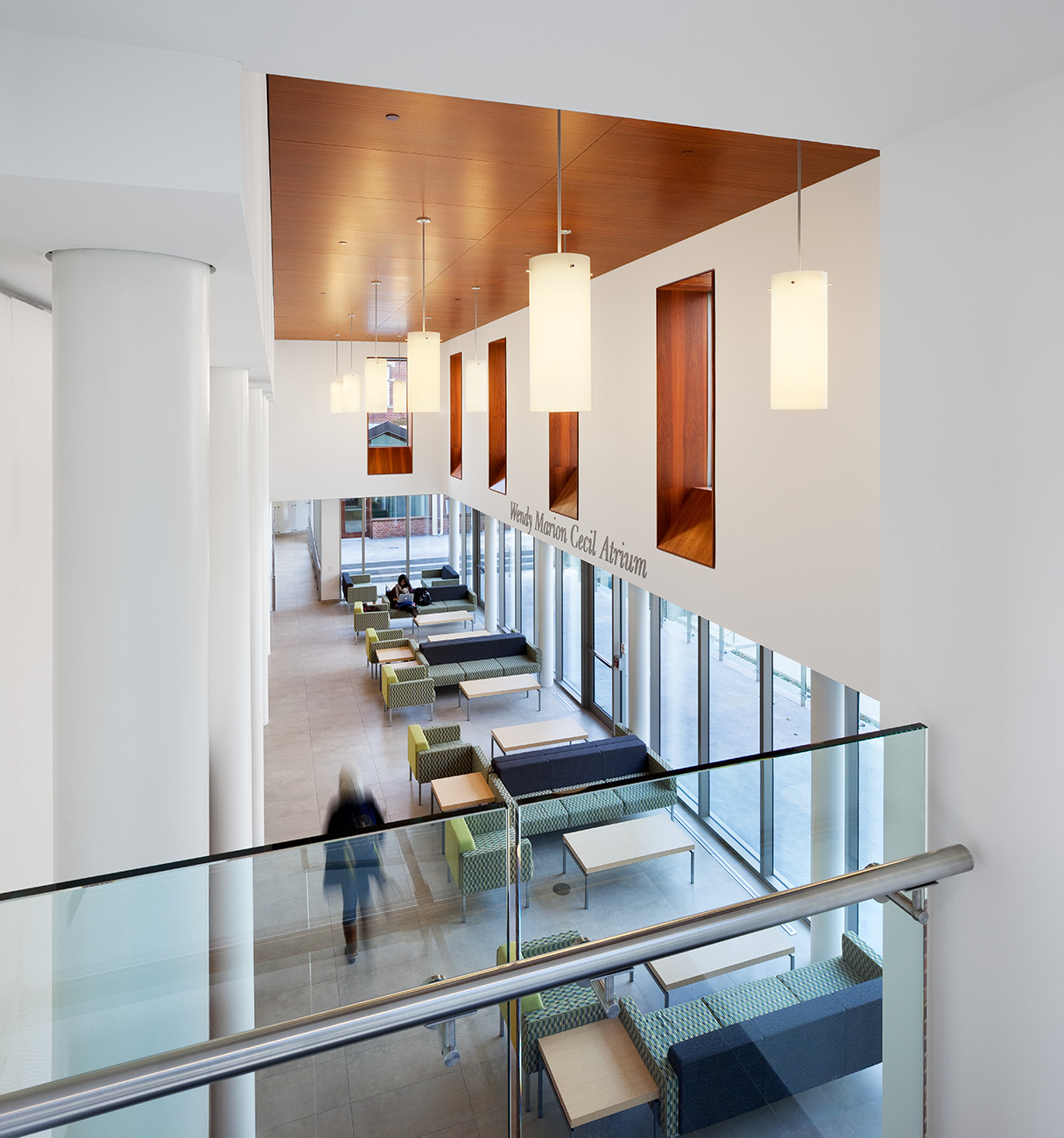
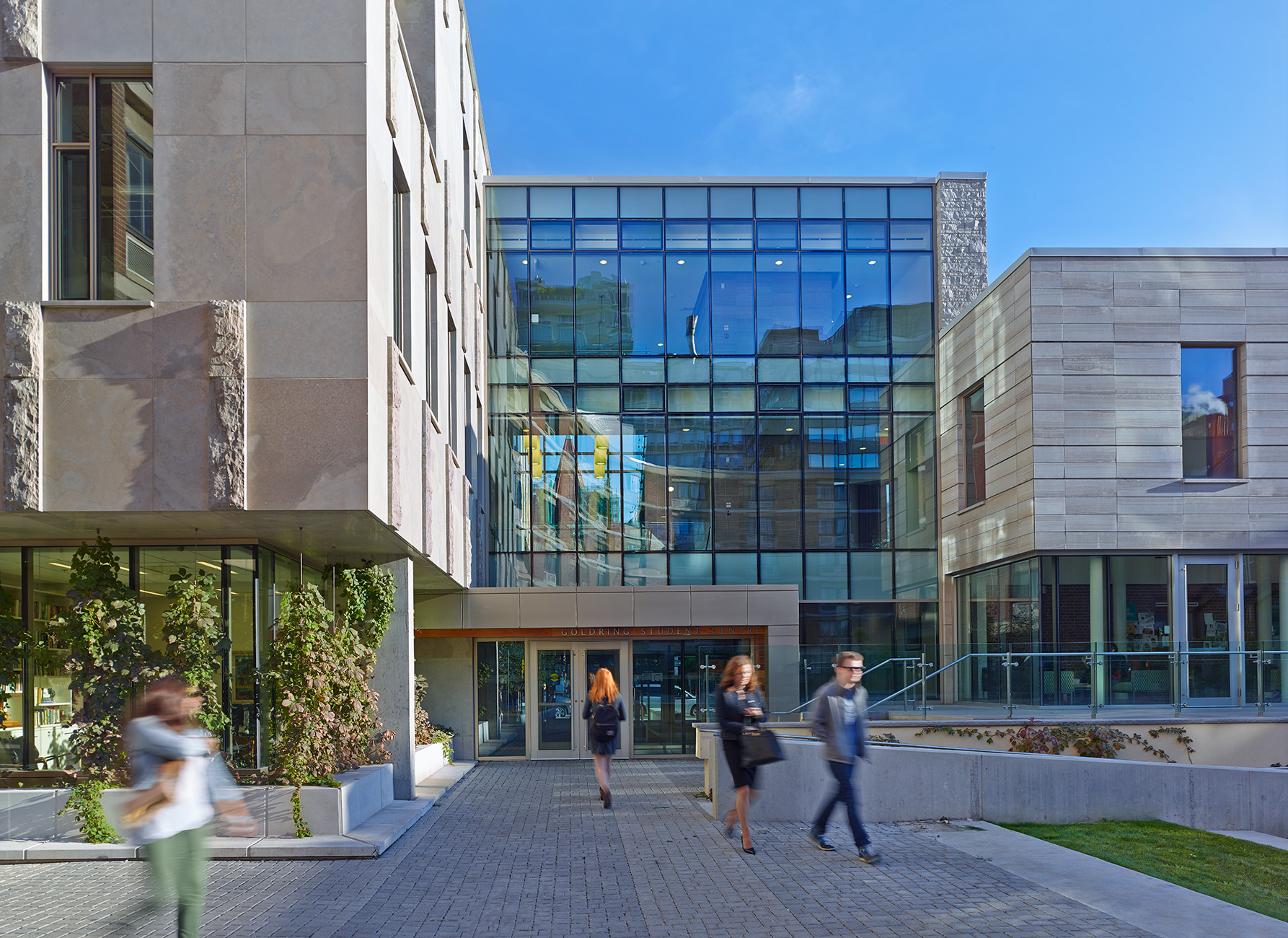
The St. George Campus of the University of Toronto, is a uniquely rich architectural precinct, with some of the city's most celebrated buildings, superbly sited within a complex network of stunning indoor and outdoor learning spaces. The Goldring Student Centre at Victoria University within UofT is a renovation and addition to Eric Arthur's Wymilwood Building.
Niagara Falls History Museum

No items found.
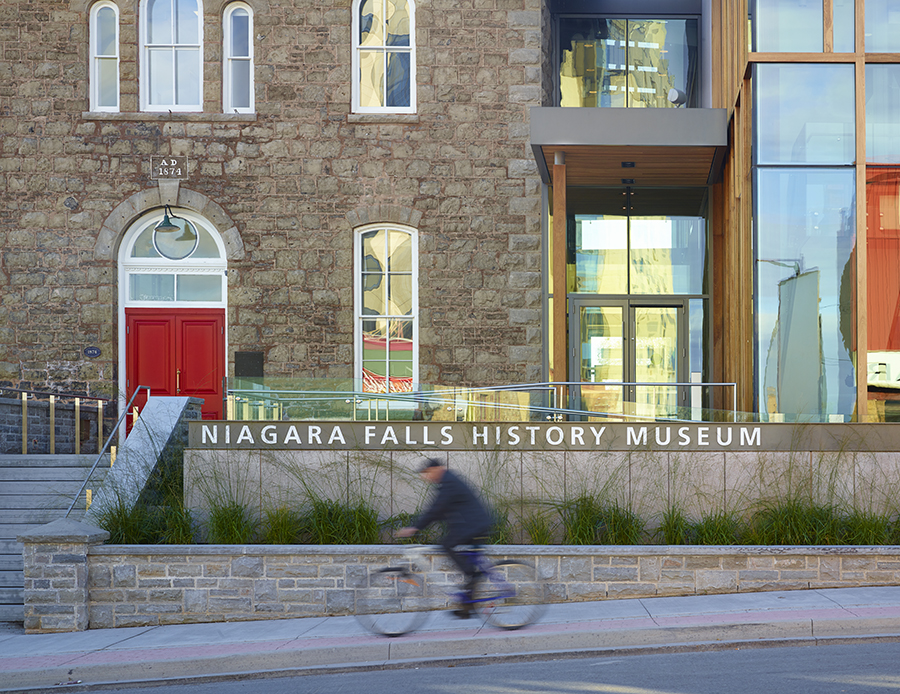
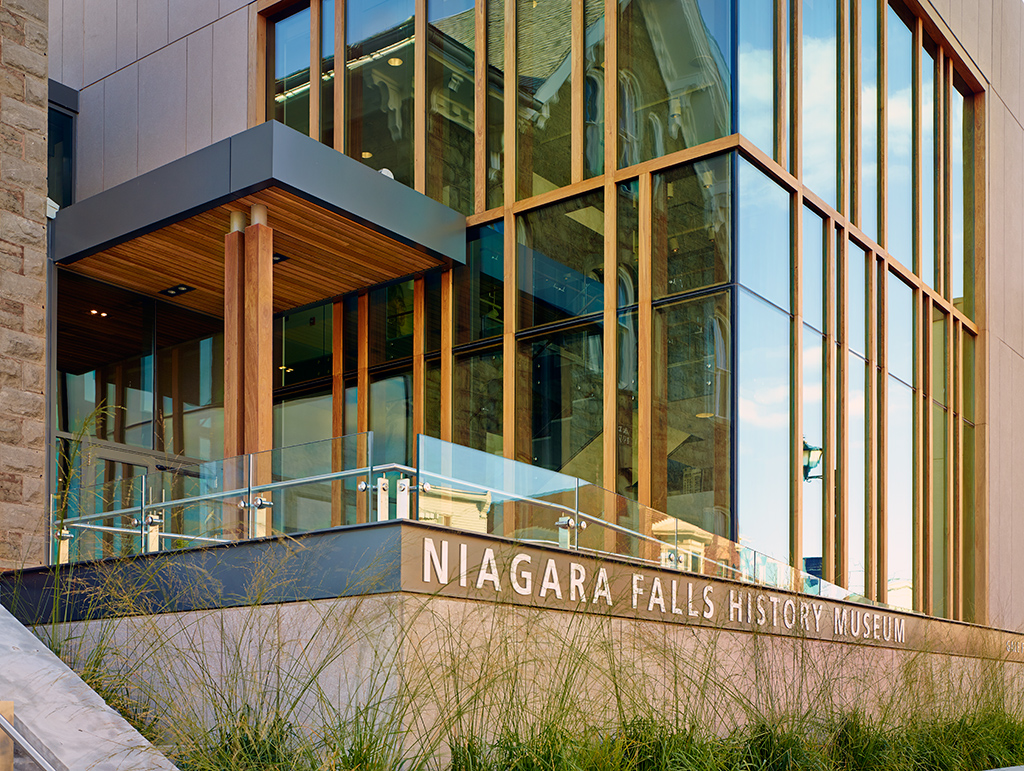
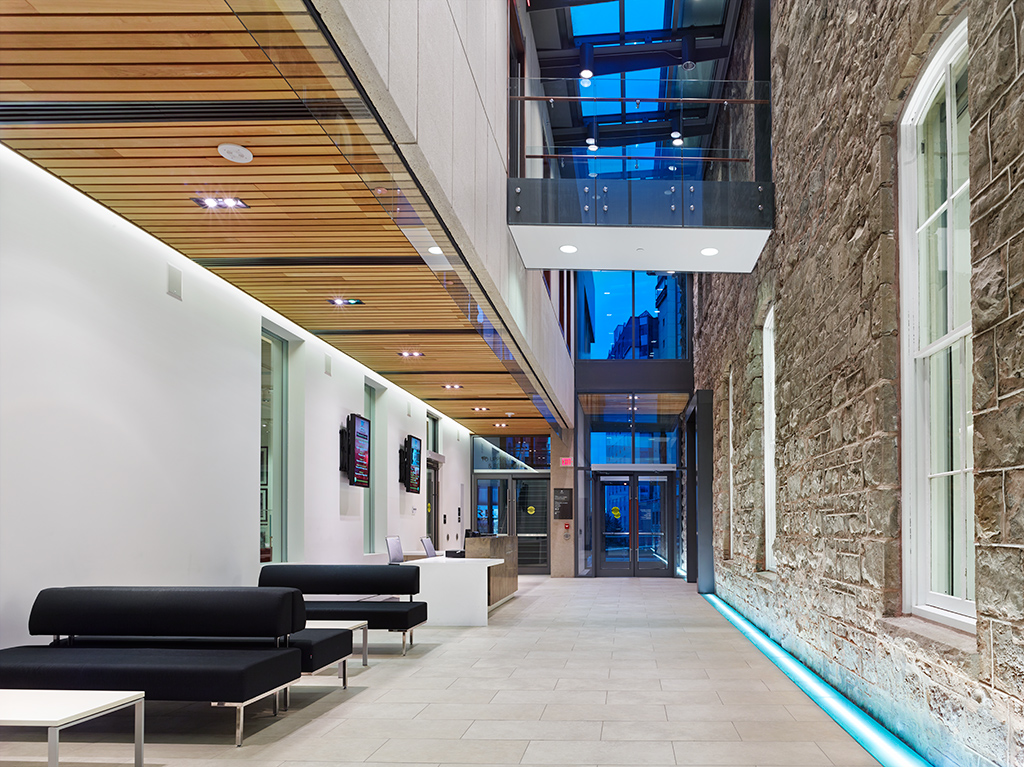
The Niagara Falls History Museum celebrates the local history and commemorates the Battle of Lundy's Lane, a pivotal battle in the War of 1812. To support the museum's expanded mandate as a national cultural institution, Moriyama Teshima Architects led a heritage restoration of the existing museum building, the 1874 Old Stamford Town Hall, and designed a 10,000 square-foot expansion that created much-needed new exhibition and archival spaces.
Richcraft Hall
No items found.
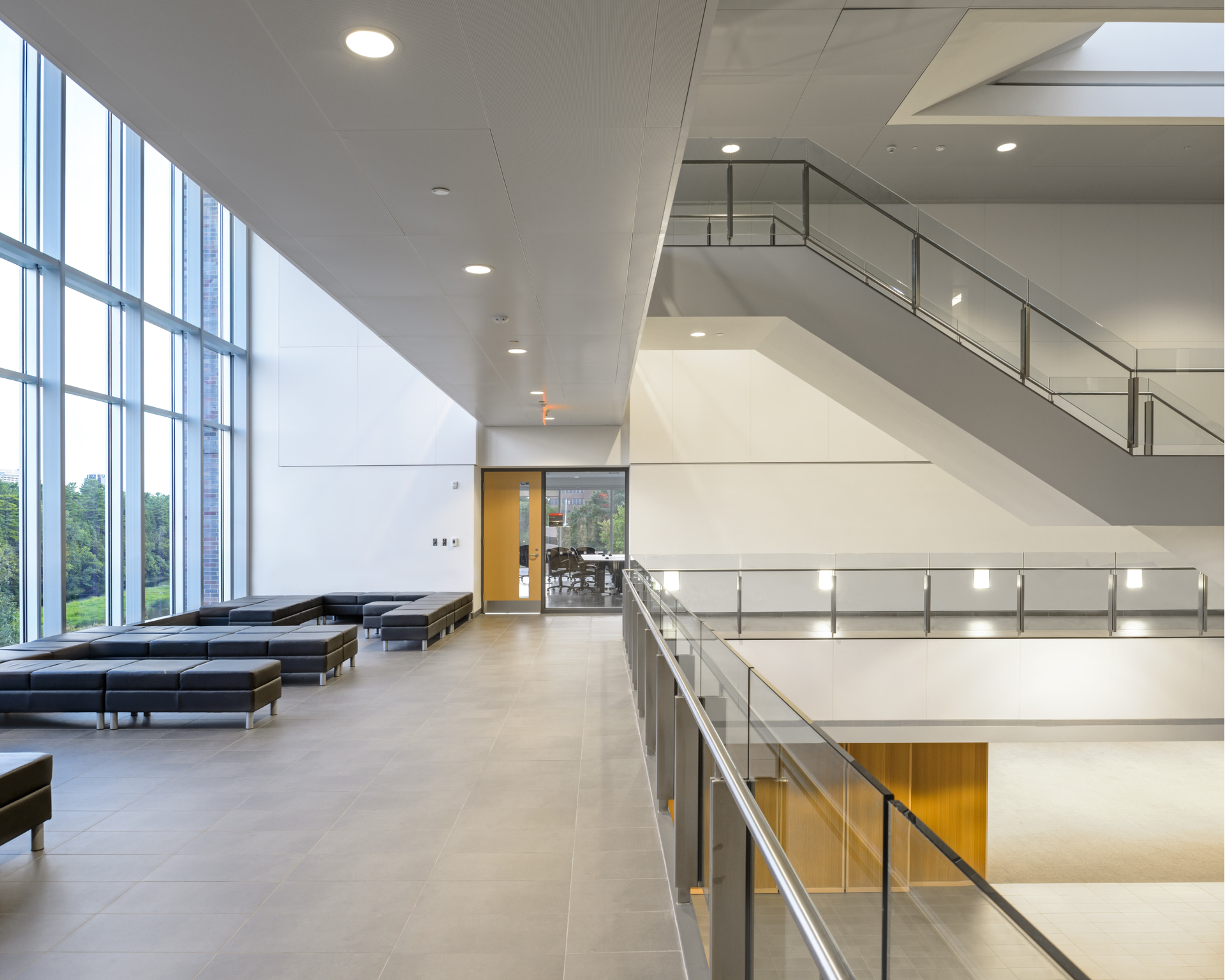
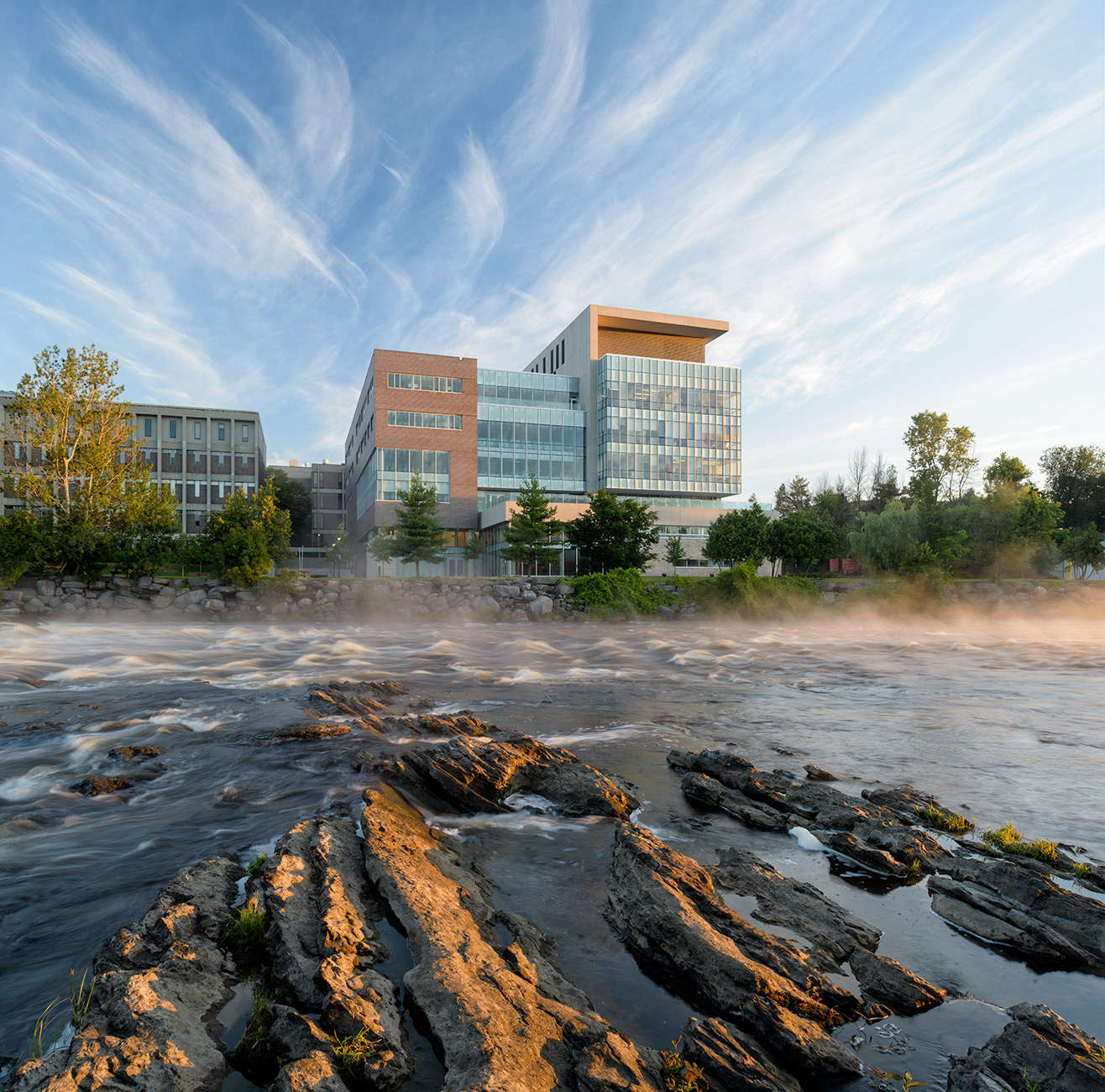
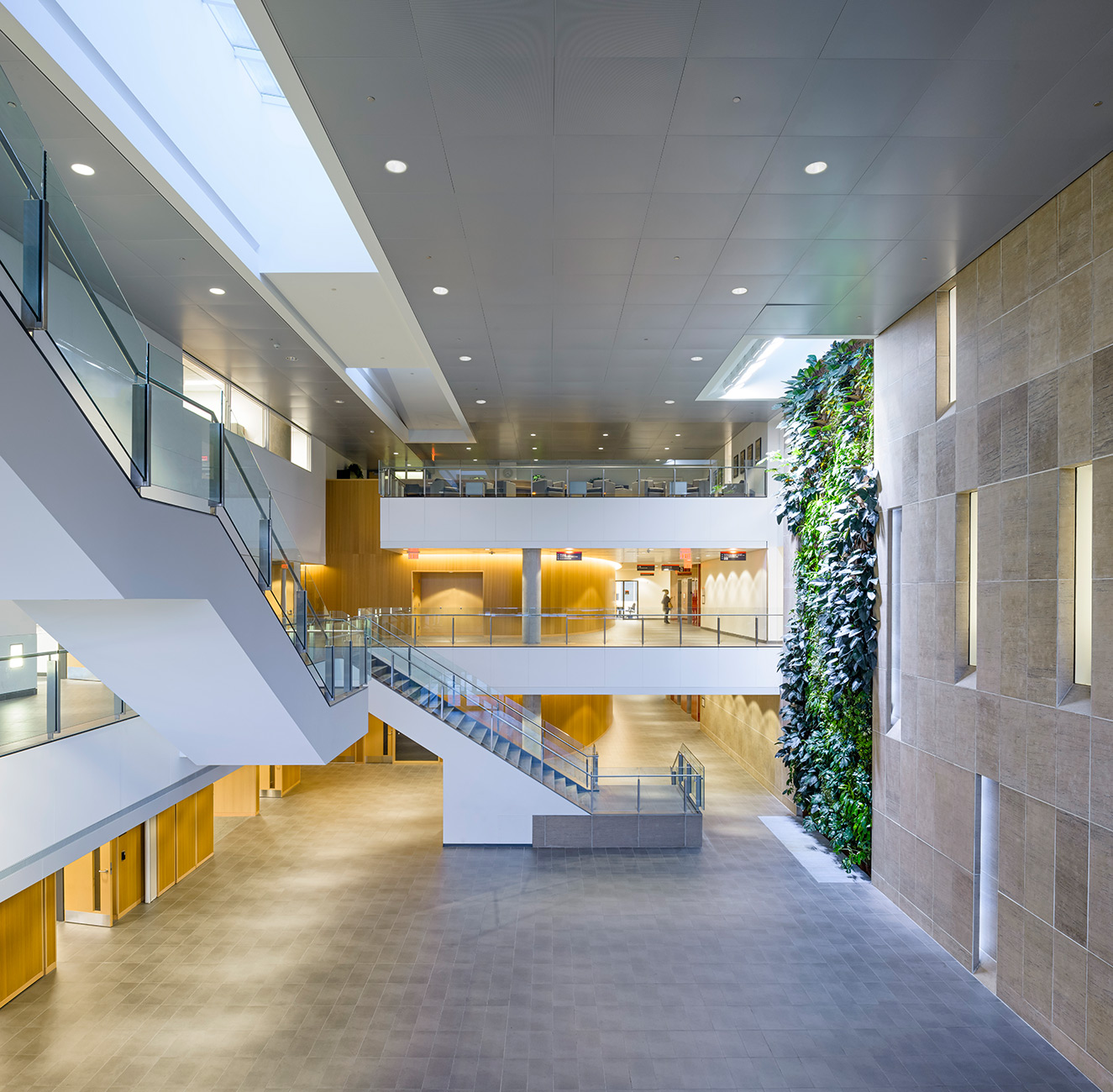
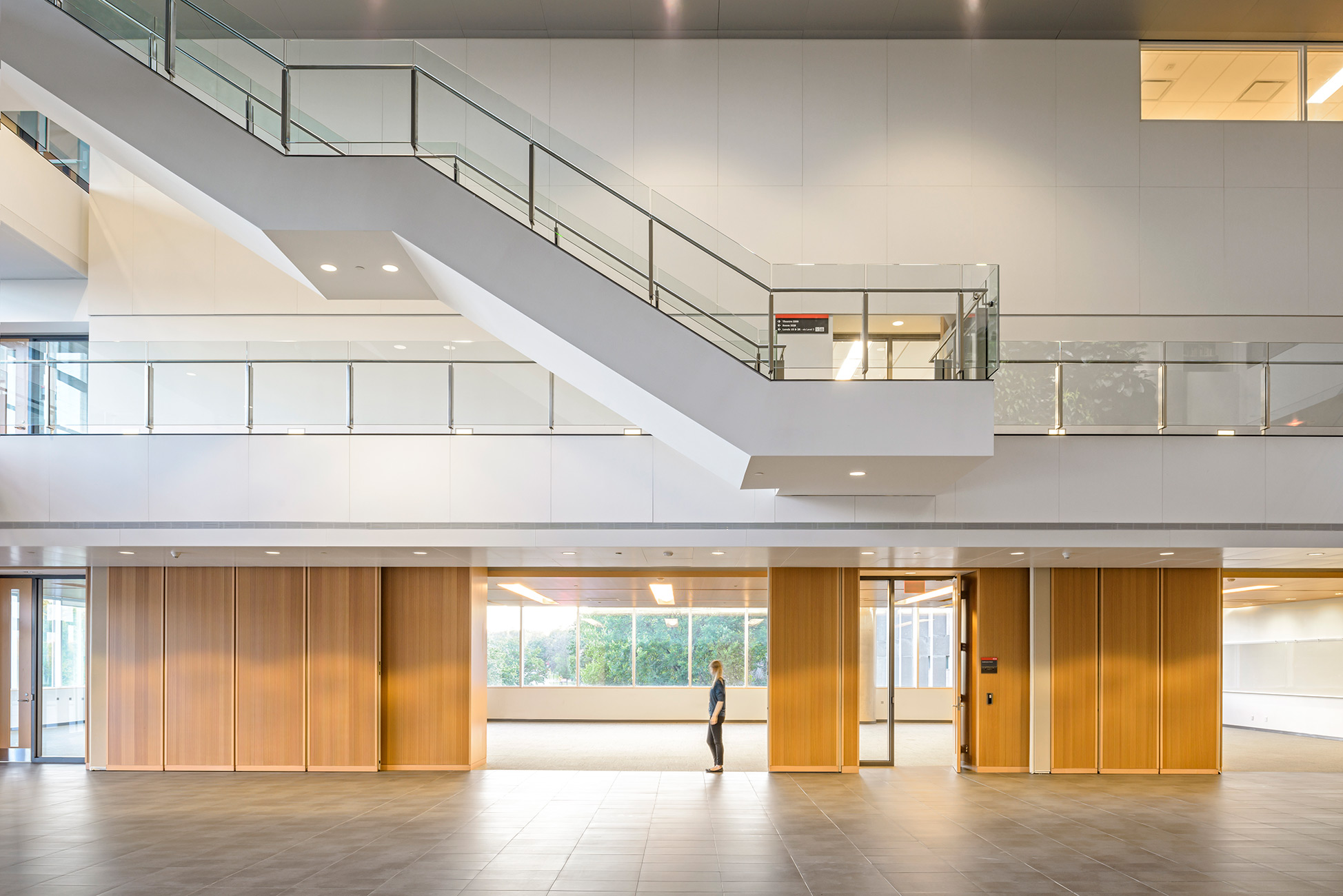
Protecting, respecting and enhancing the Rideau Canal and River is a fundamental municipal, provincial and national priority. The Carleton University Campus is quite literally framed by these two waterways -- the Canal along the east and north edges, and the River to the south.
2011
Centre for the Built Environment, Nova Scotia Community College

No items found.
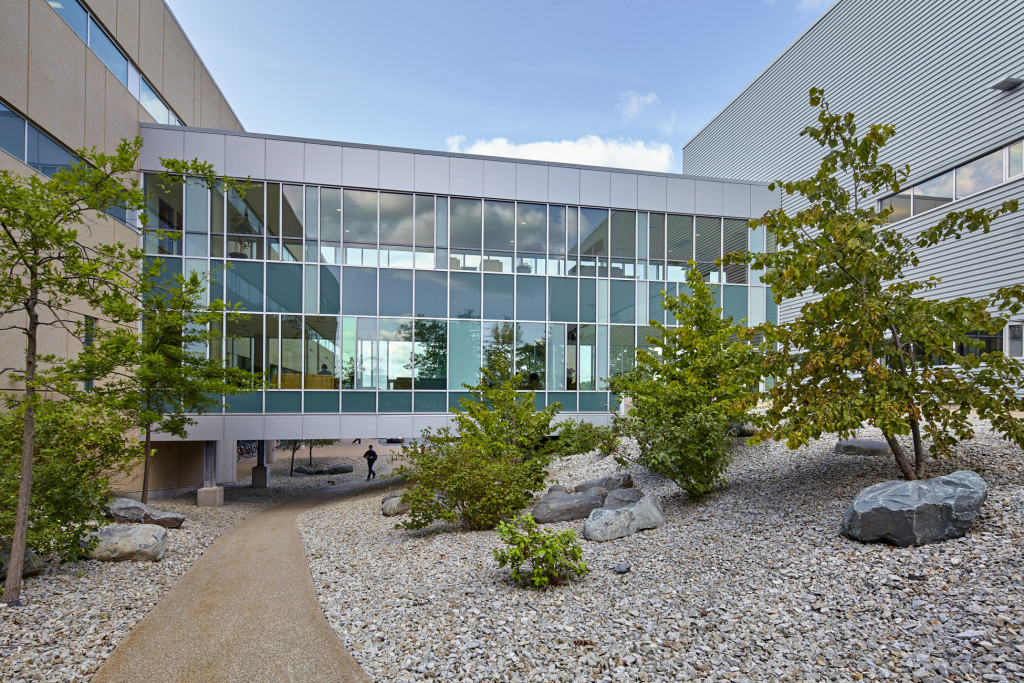
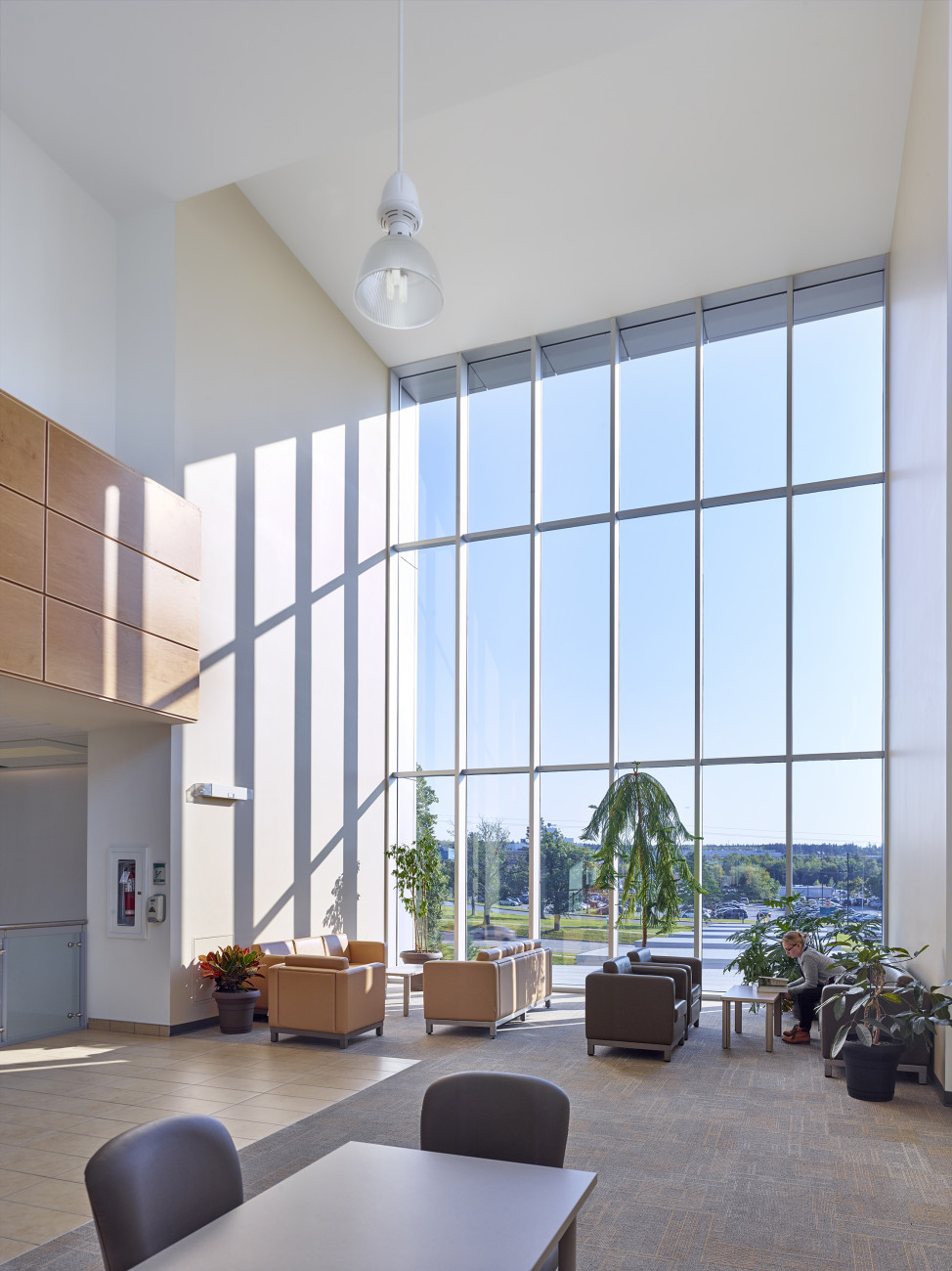
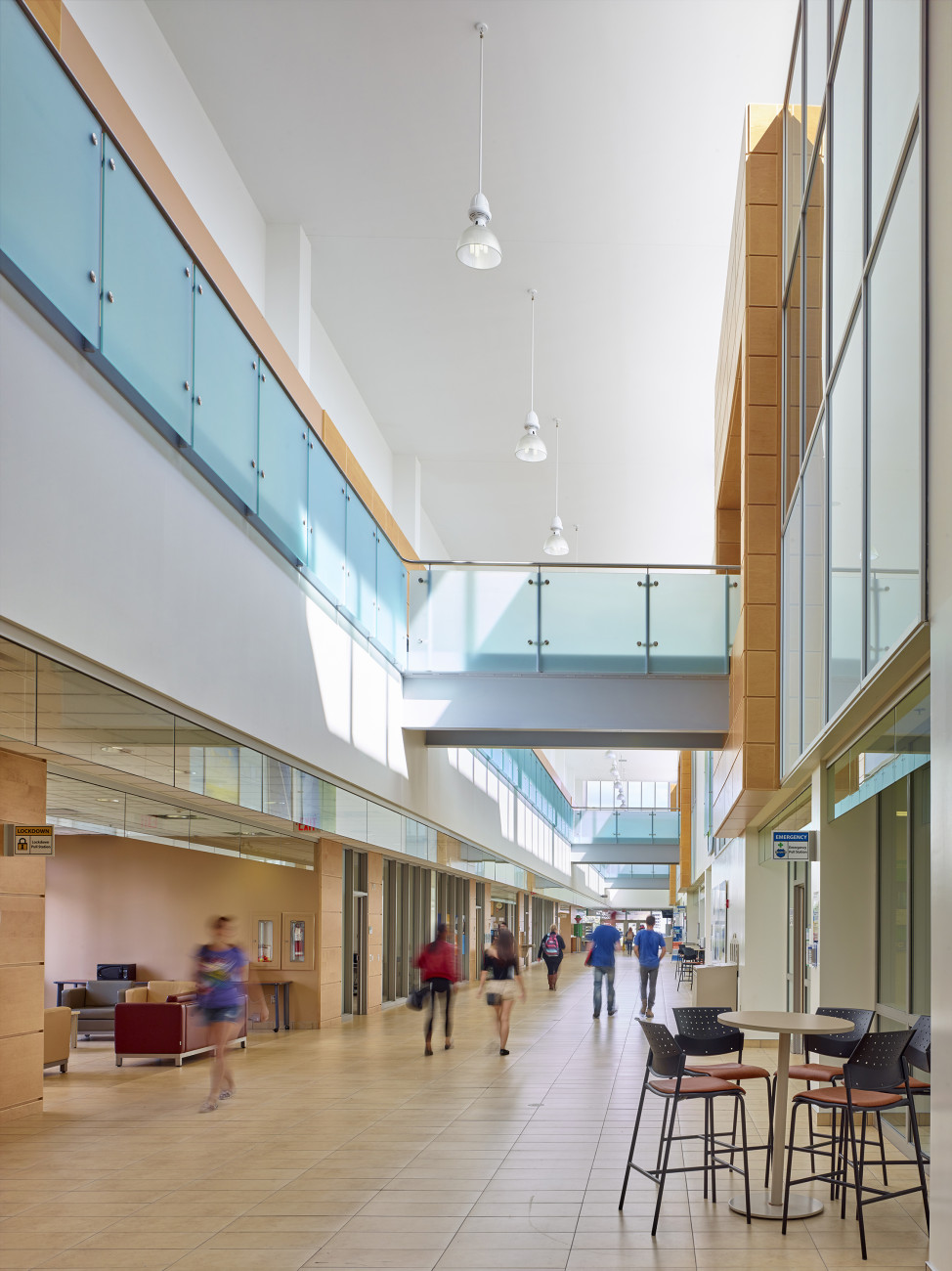
The tremendous success of Phase 1 of the New Waterfront Campus at Nova Scotia Community College led to the commission of Phase 2, which involves the Centre for the Built Environment (CBE). This building brings together engineering students, faculty, and industry partners in a collaborative and experiential environment.
Canal Building
No items found.
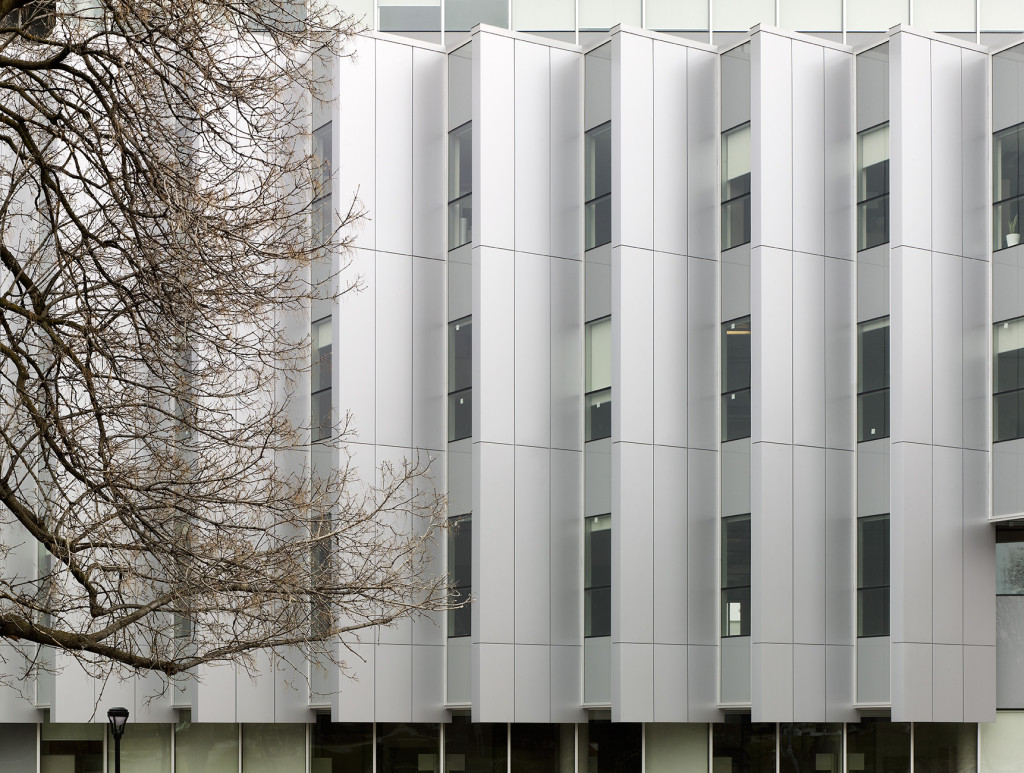
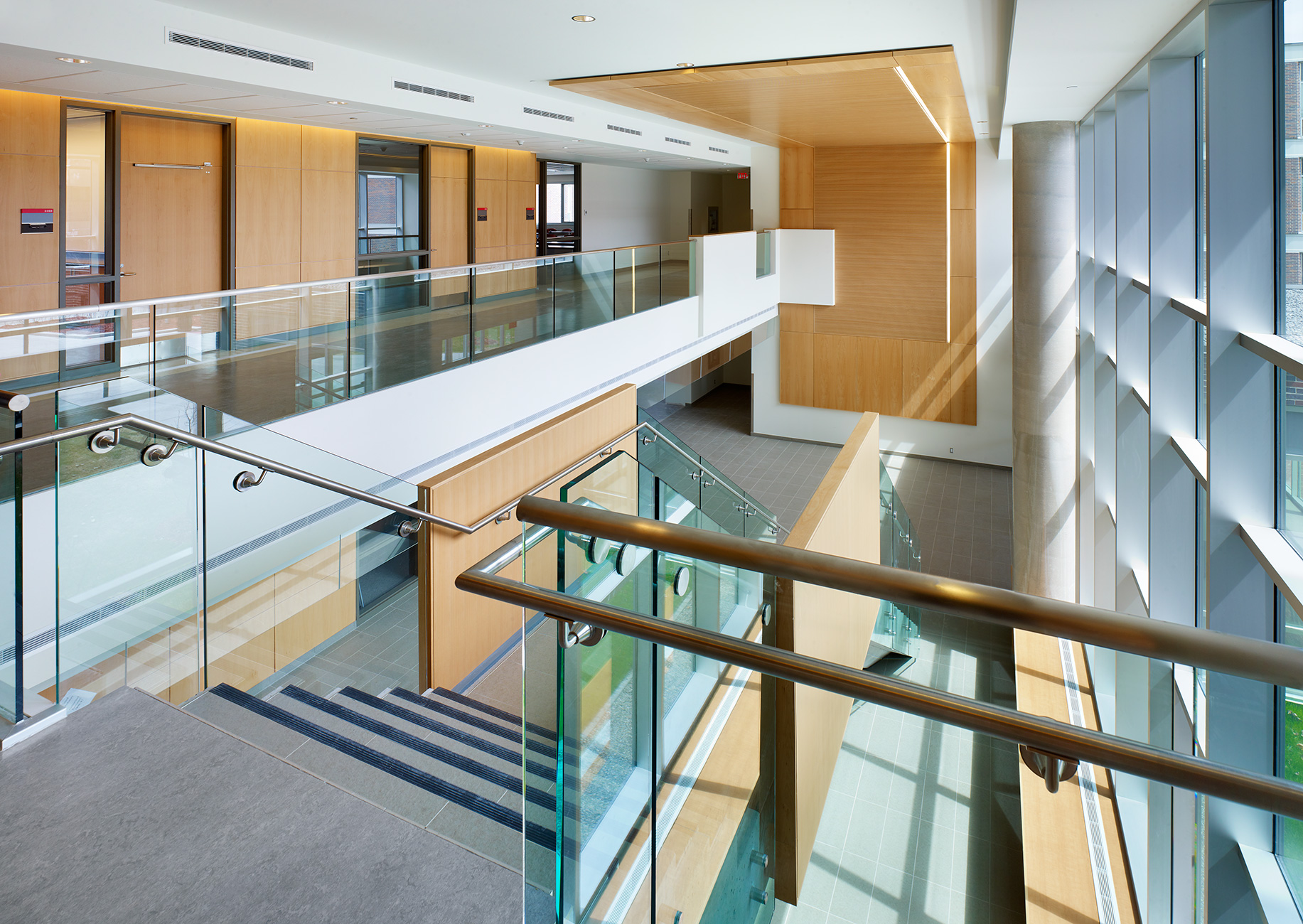
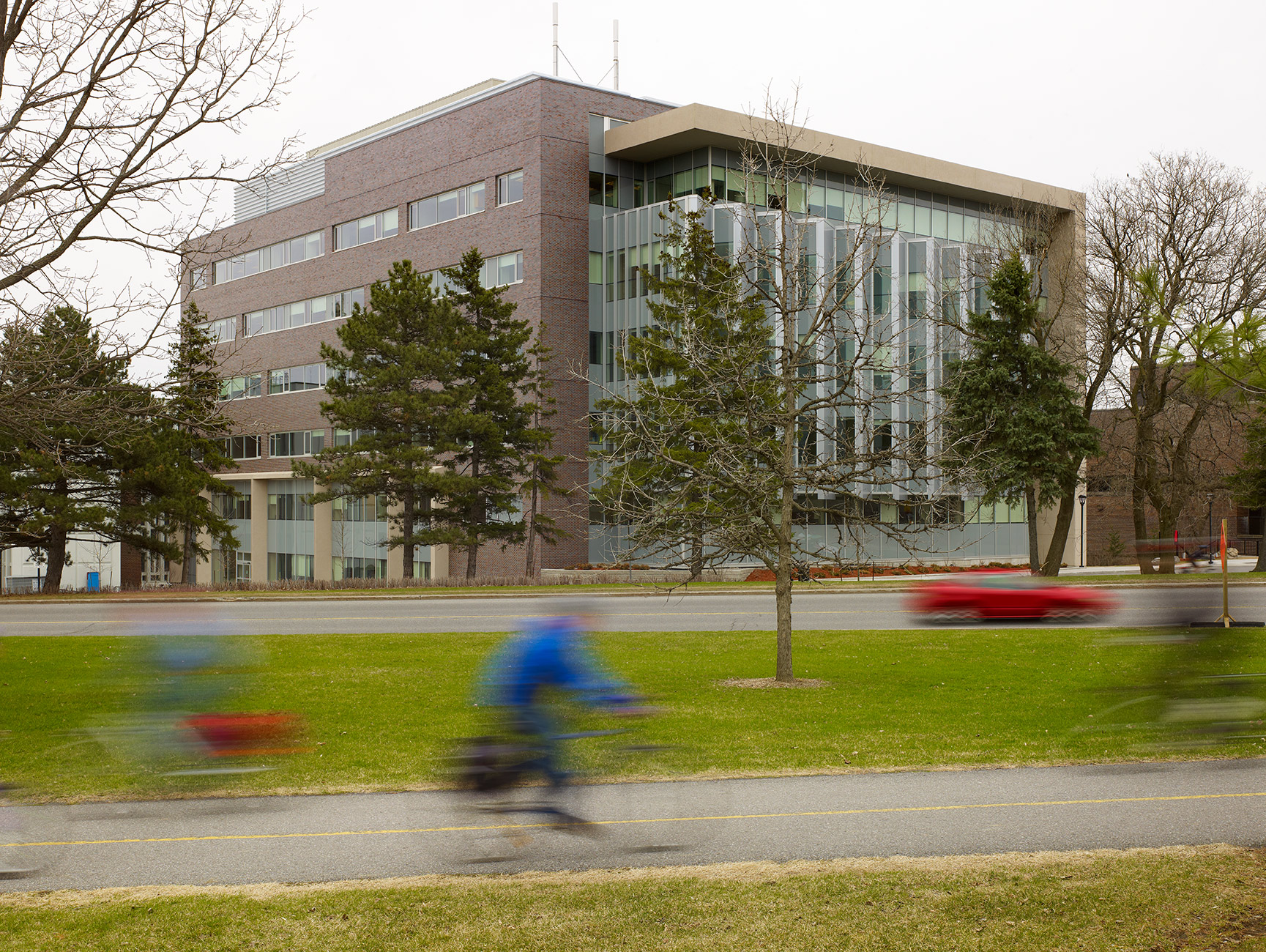
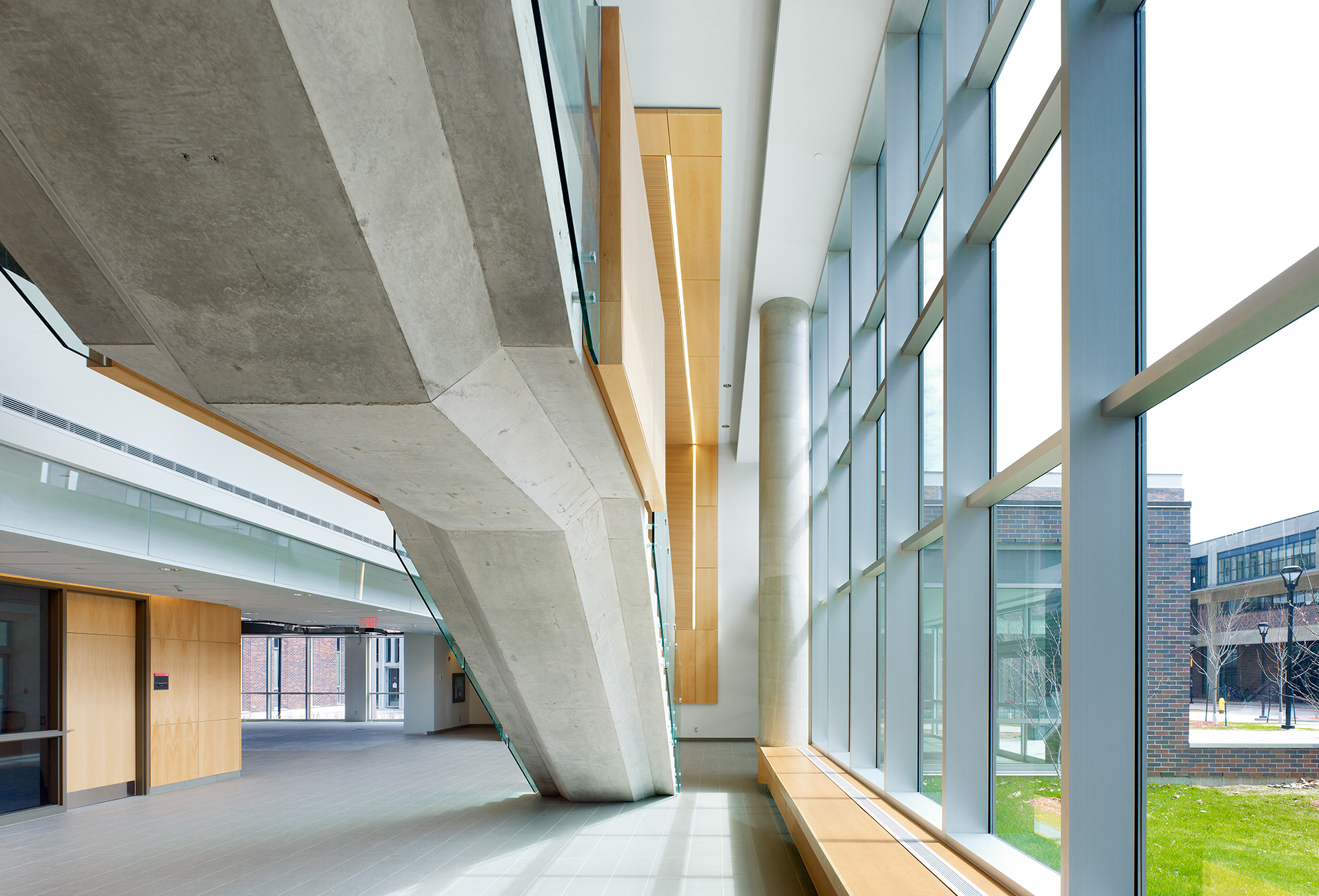
Overlooking the Rideau Canal, Carleton University's Canal Building is home to some of the school's most distinguished engineering programs. Supporting the university's education, research, and partnership objectives are advanced laboratory facilities. Appropriate to its high-tech mandate, the Canal Building is certified 5/5 Green Globes, equivalent to LEED Platinum sustainability level, and has been lauded by Carleton Engineering Dean as one of the smartest buildings in North America.
Toronto French School
No items found.
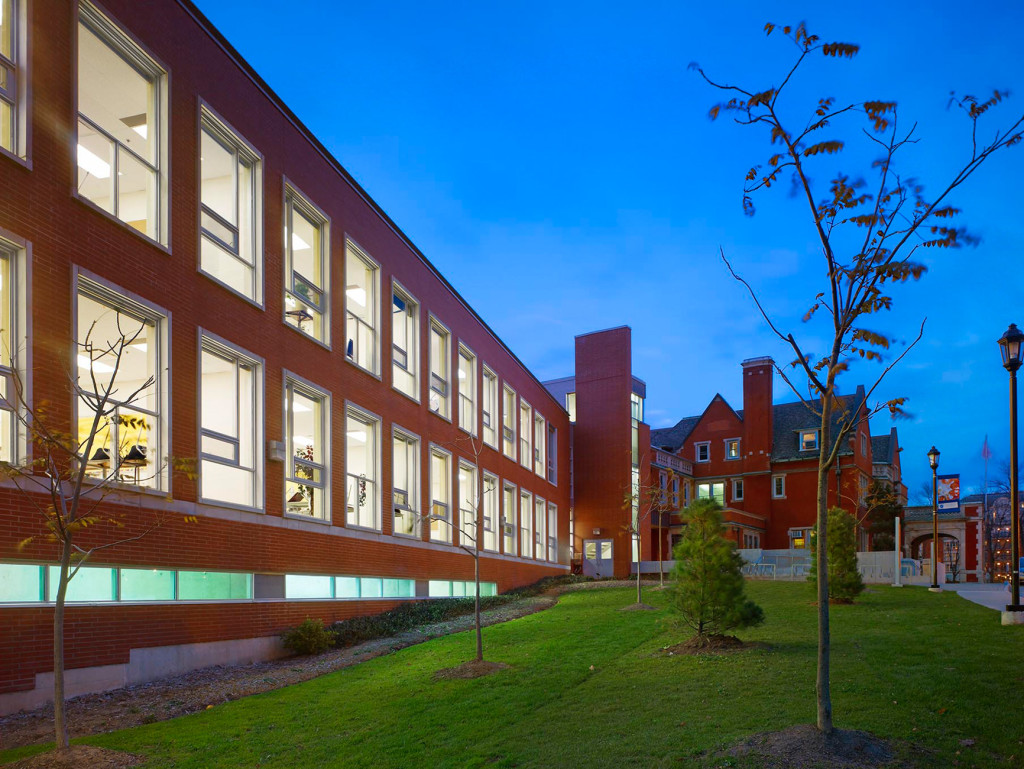
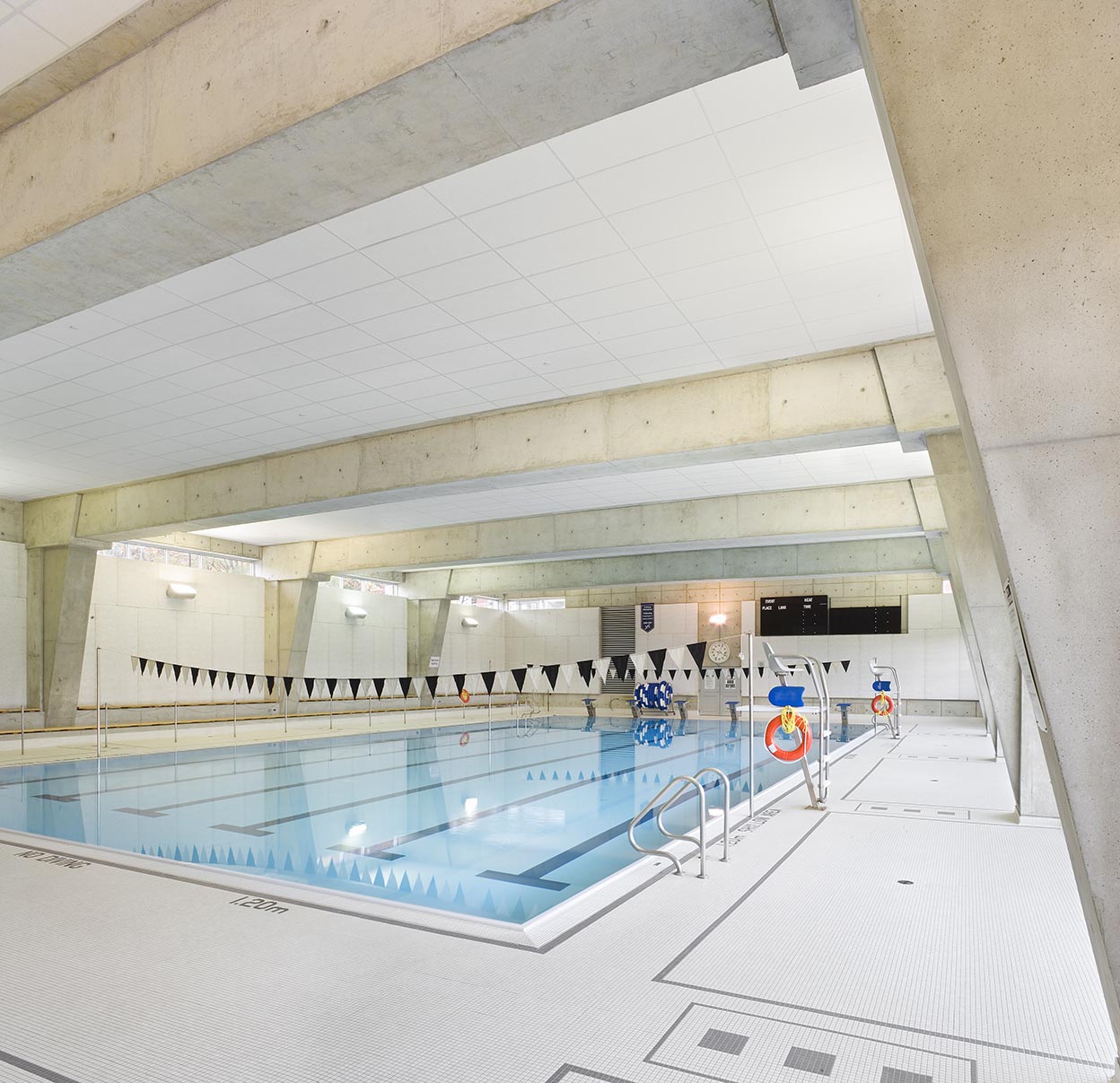
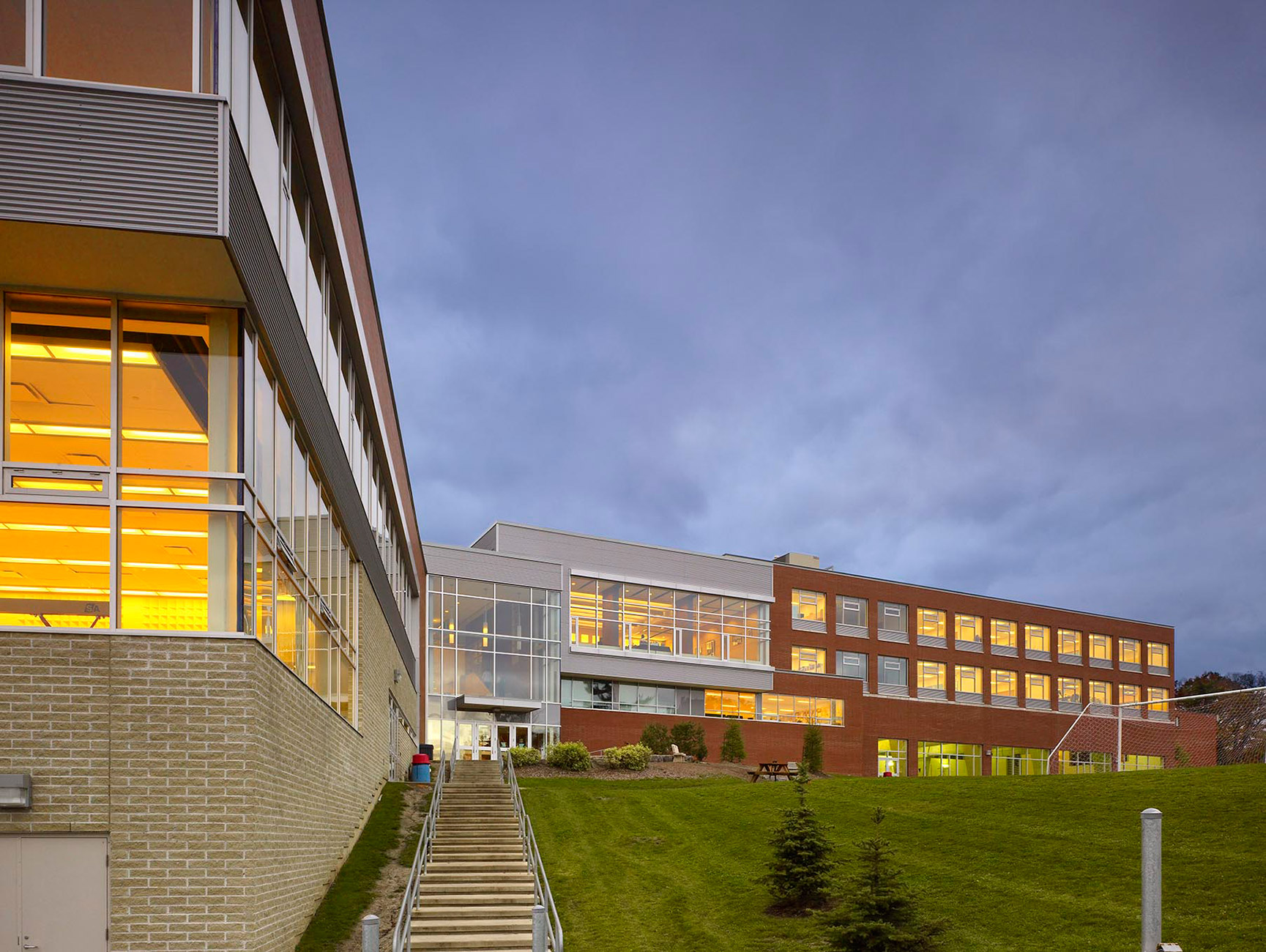
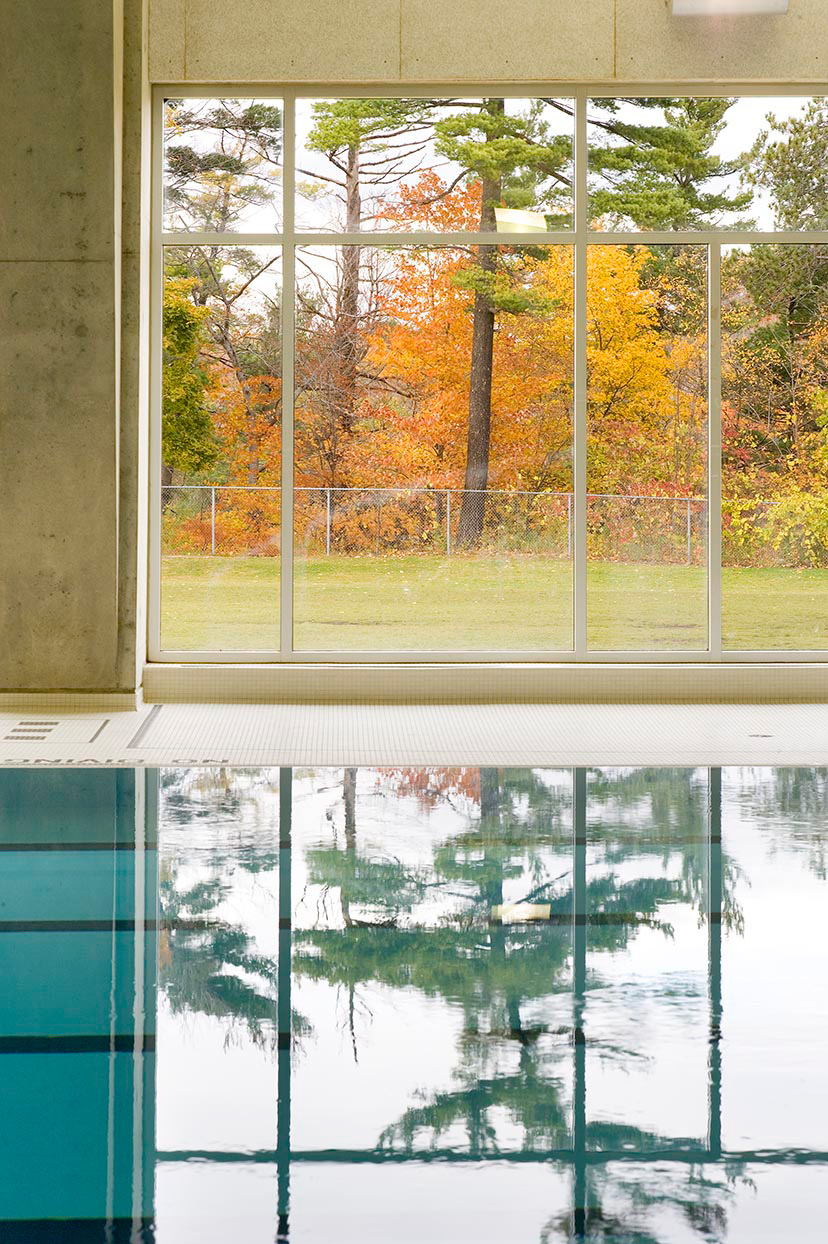
The major renovation and expansion of the Toronto French School integrates an all-new athletics complex, event space, and student lounge into a sensitive heritage rehabilitation of the 1923 Sir Clifford Sifton estate. Stepping down a dramatic slope overlooking the forested Don Valley Ravine, the Athletics Complex includes a 25-metre pool for competitive swimming in addition to a divisible double gymnasium with retractable bleachers, a multipurpose exercise and dance studio, and facilities for aerobic and weight training.
Verschuren Centre, Cape Breton University
No items found.
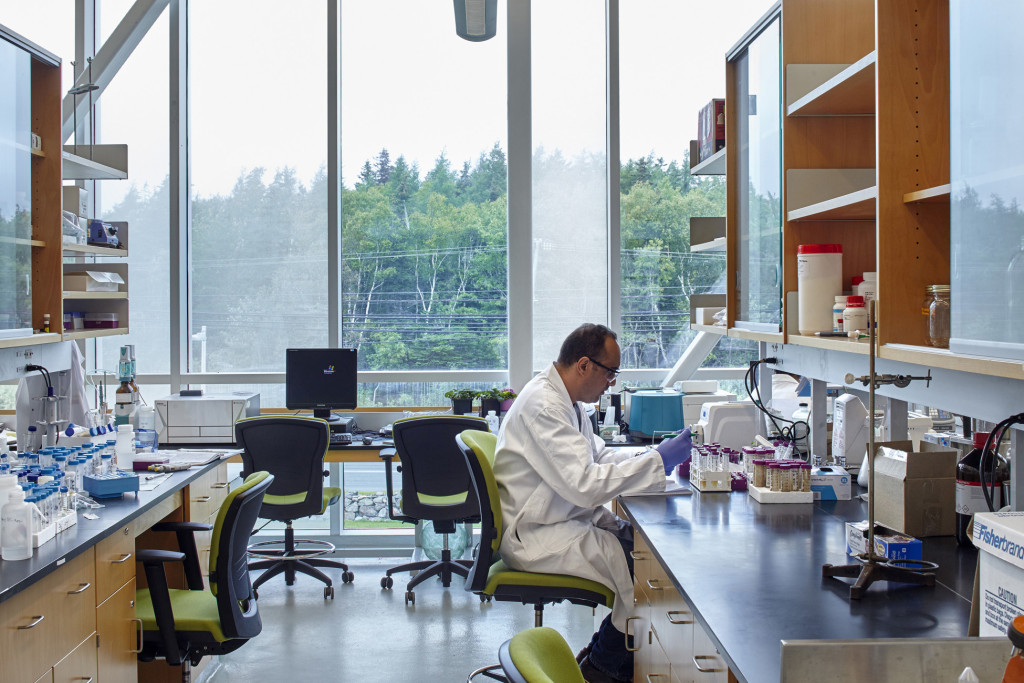
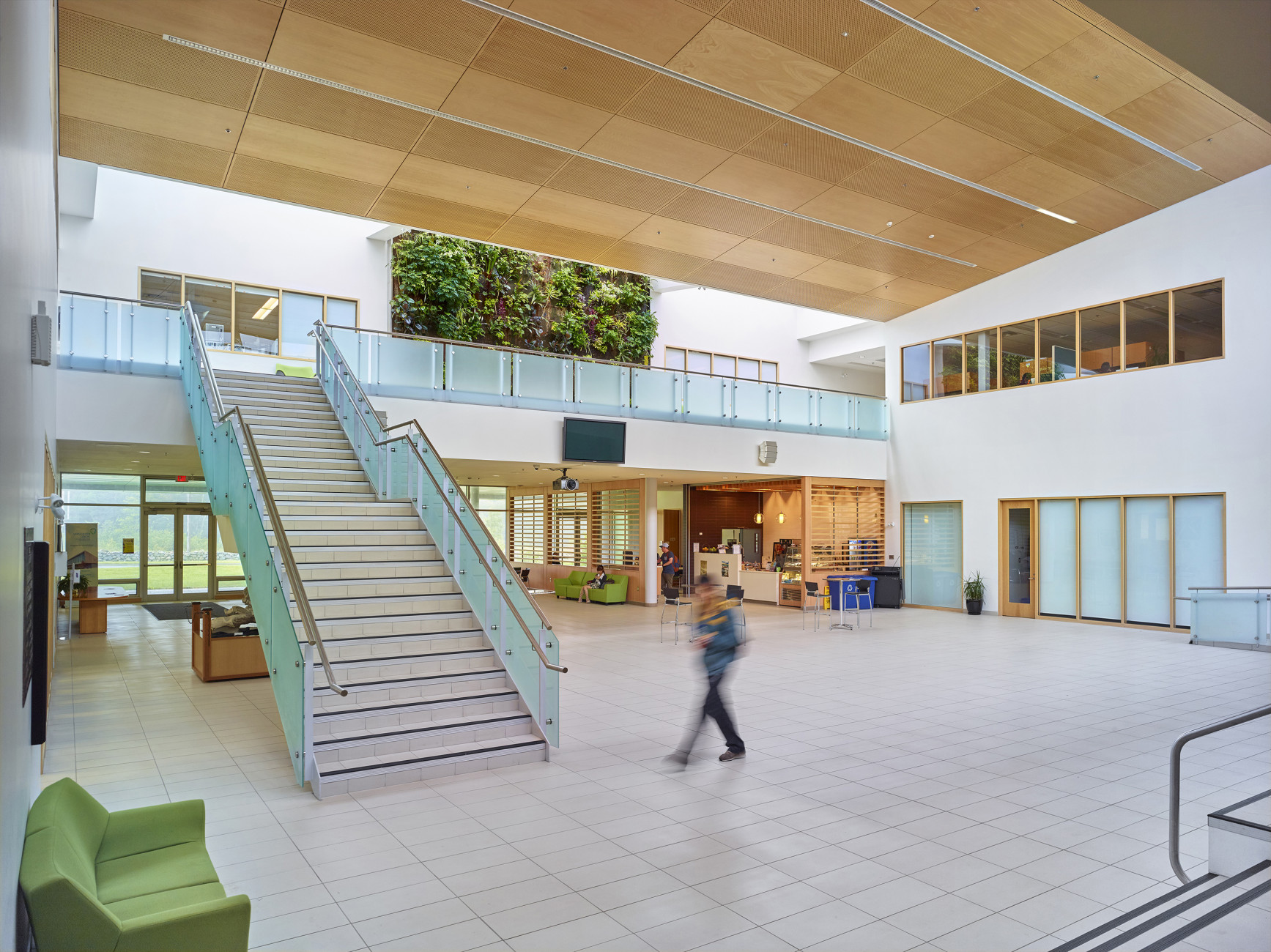
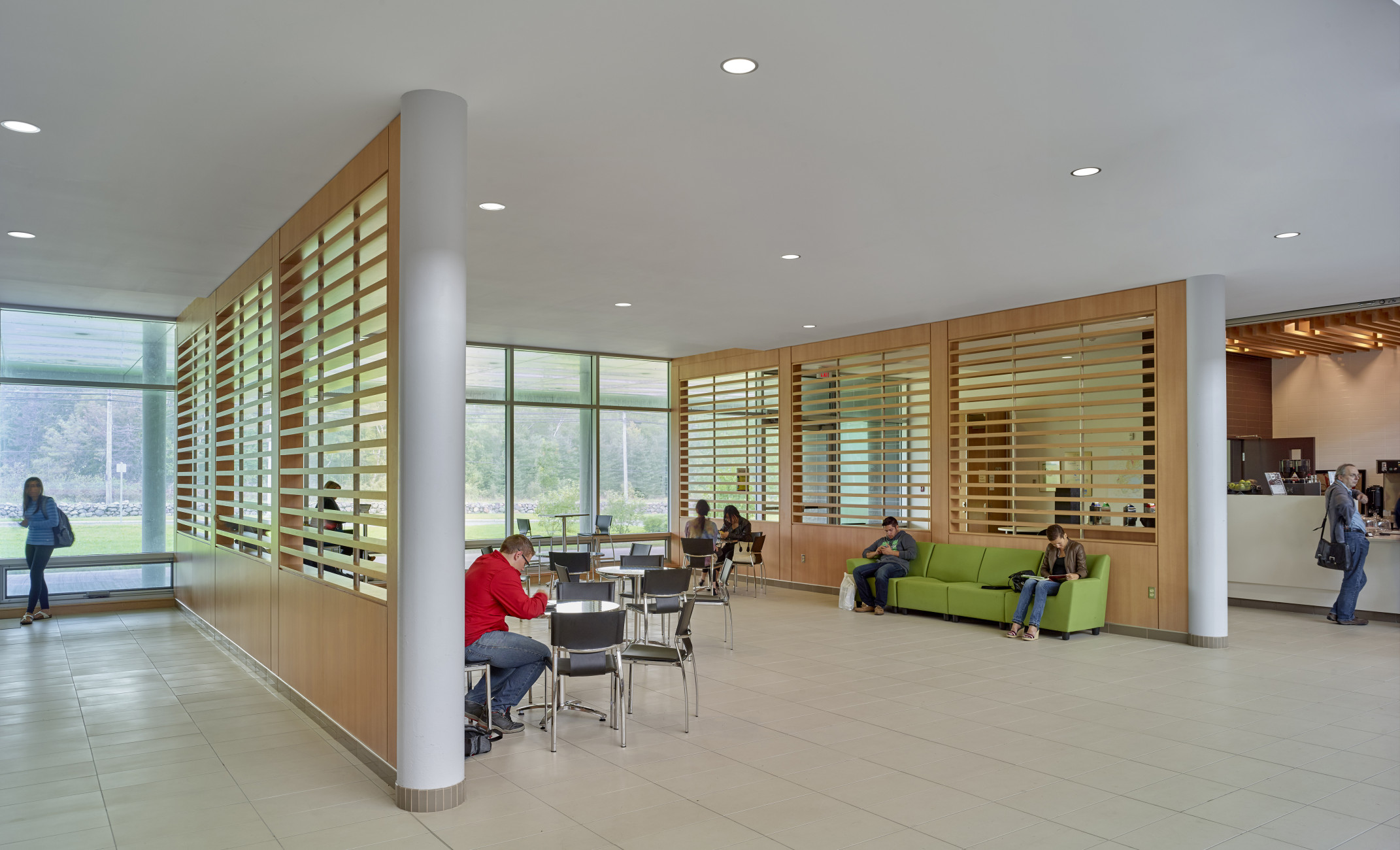
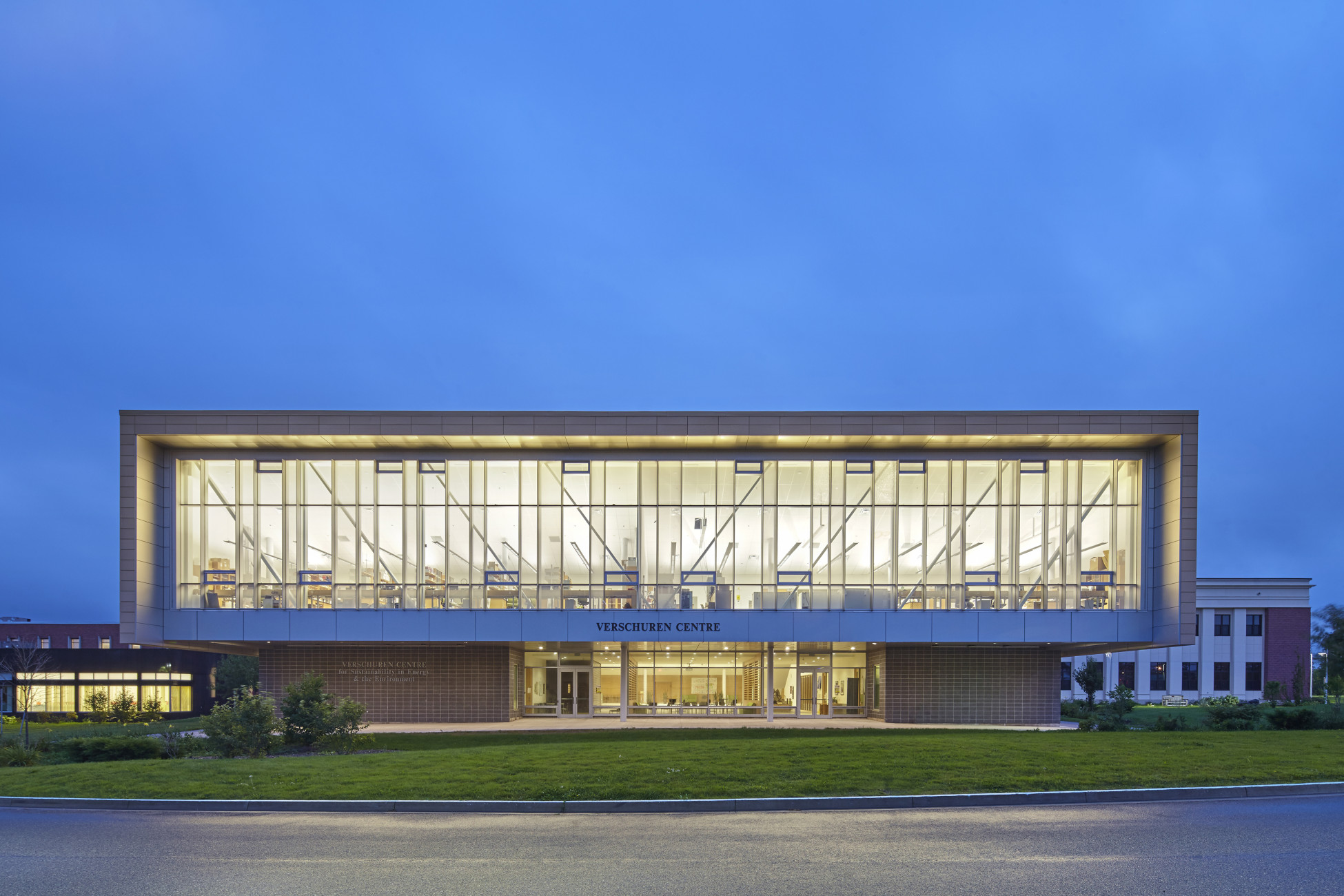
Cape Breton University's Verschuren Centre for Sustainability in Energy and the Environment is a commercially focused contractible research, development and demonstration service provider for Clean Tech Solutions. The Centre was established to find innovative and sustainable solutions to energy and environmental issues and is uniquely positioned to address these challenges.

Waterloo Region Museum
No items found.
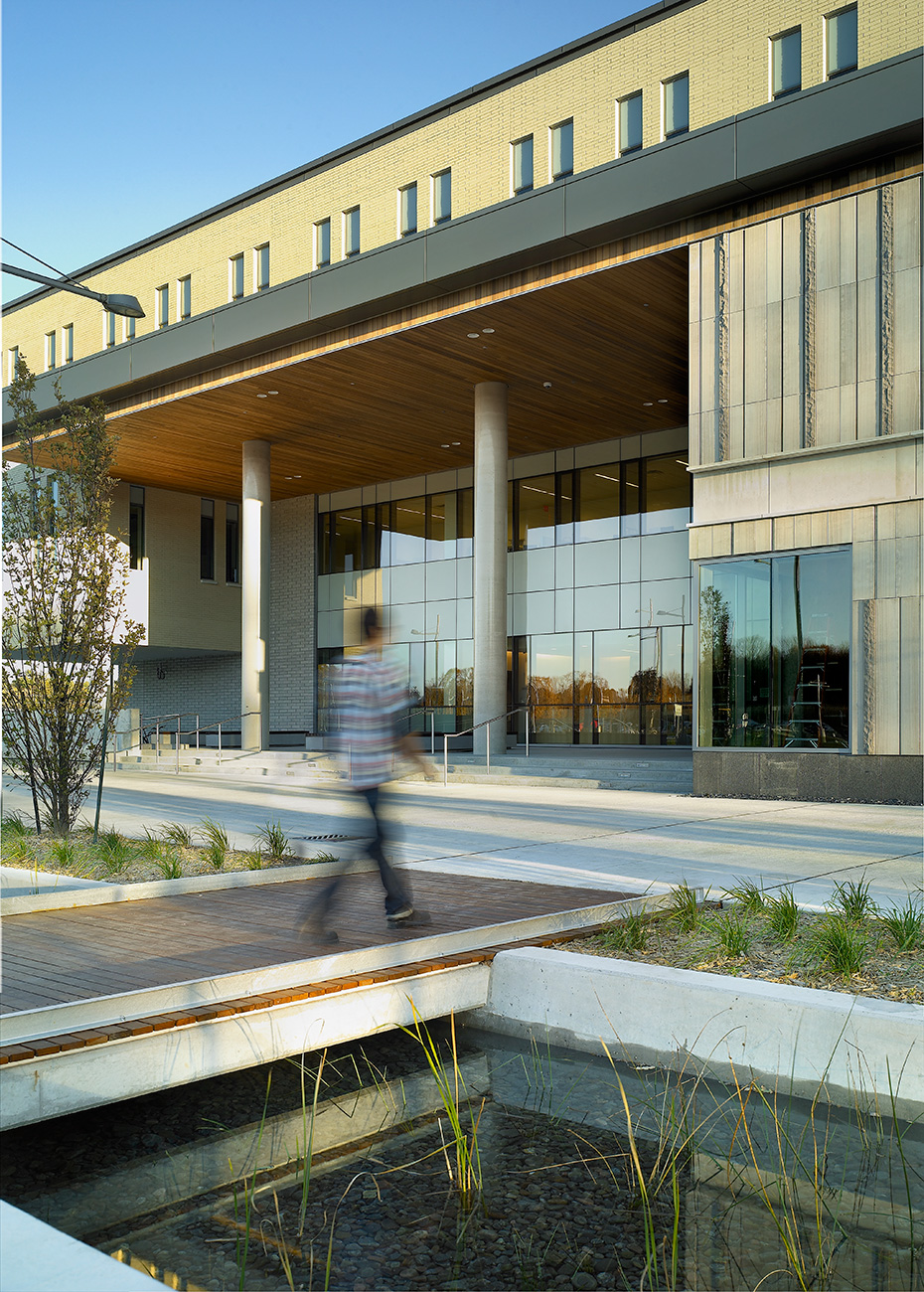
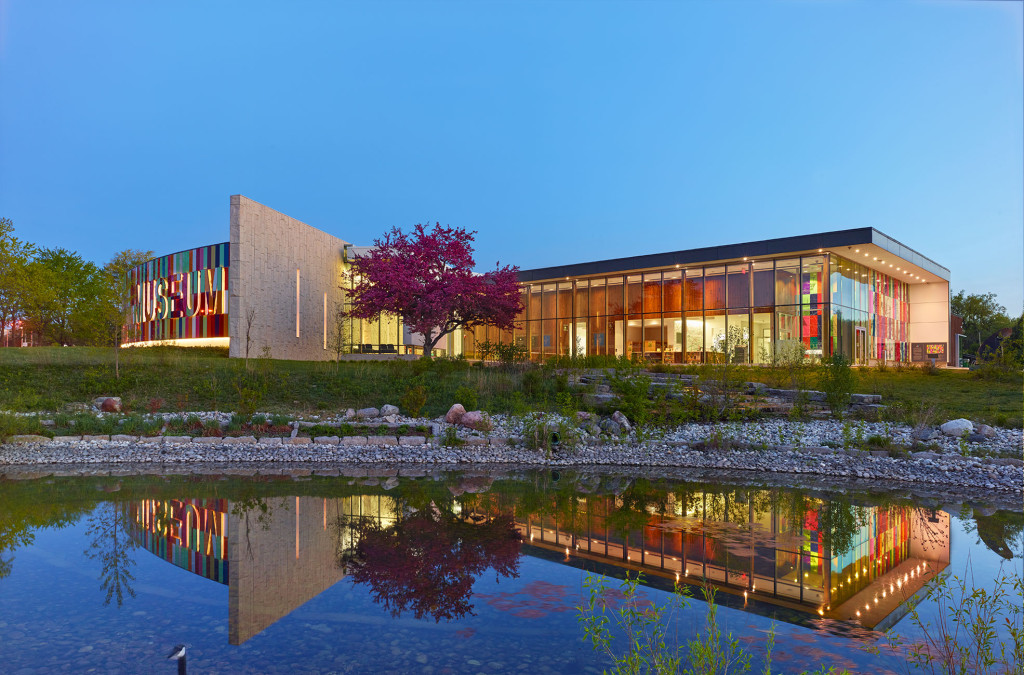
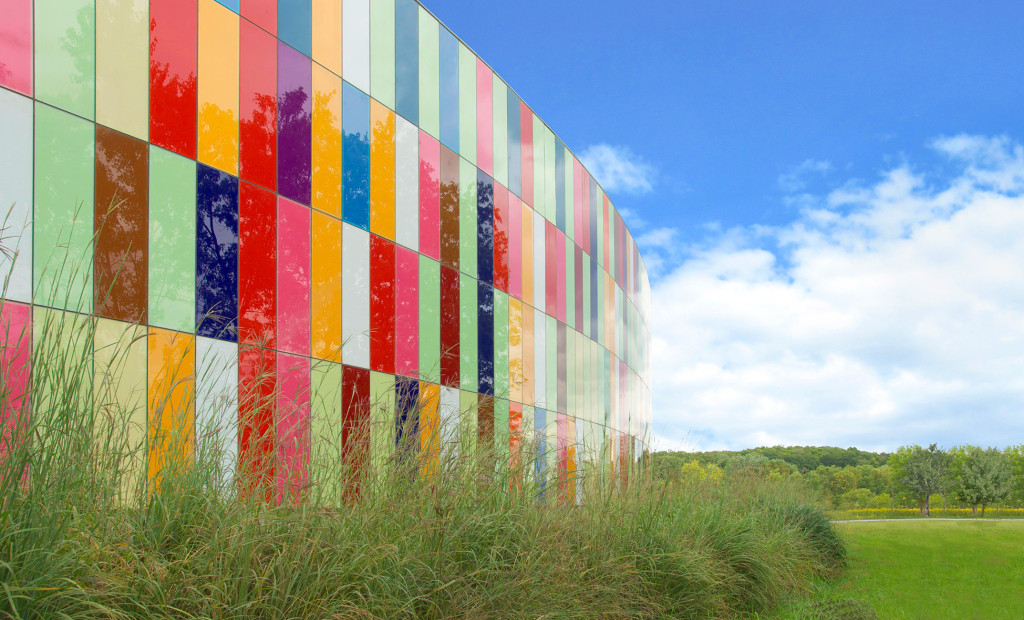
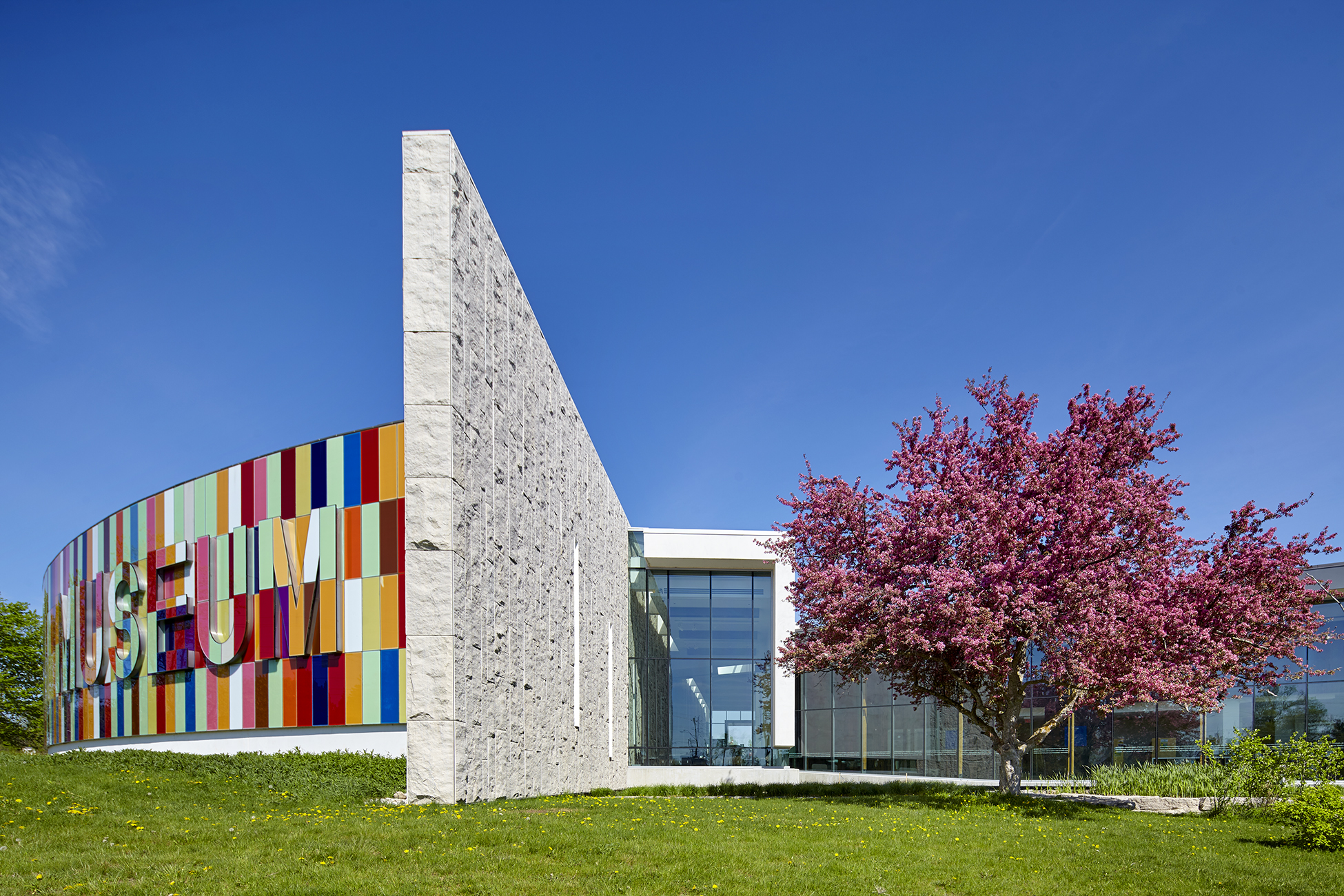
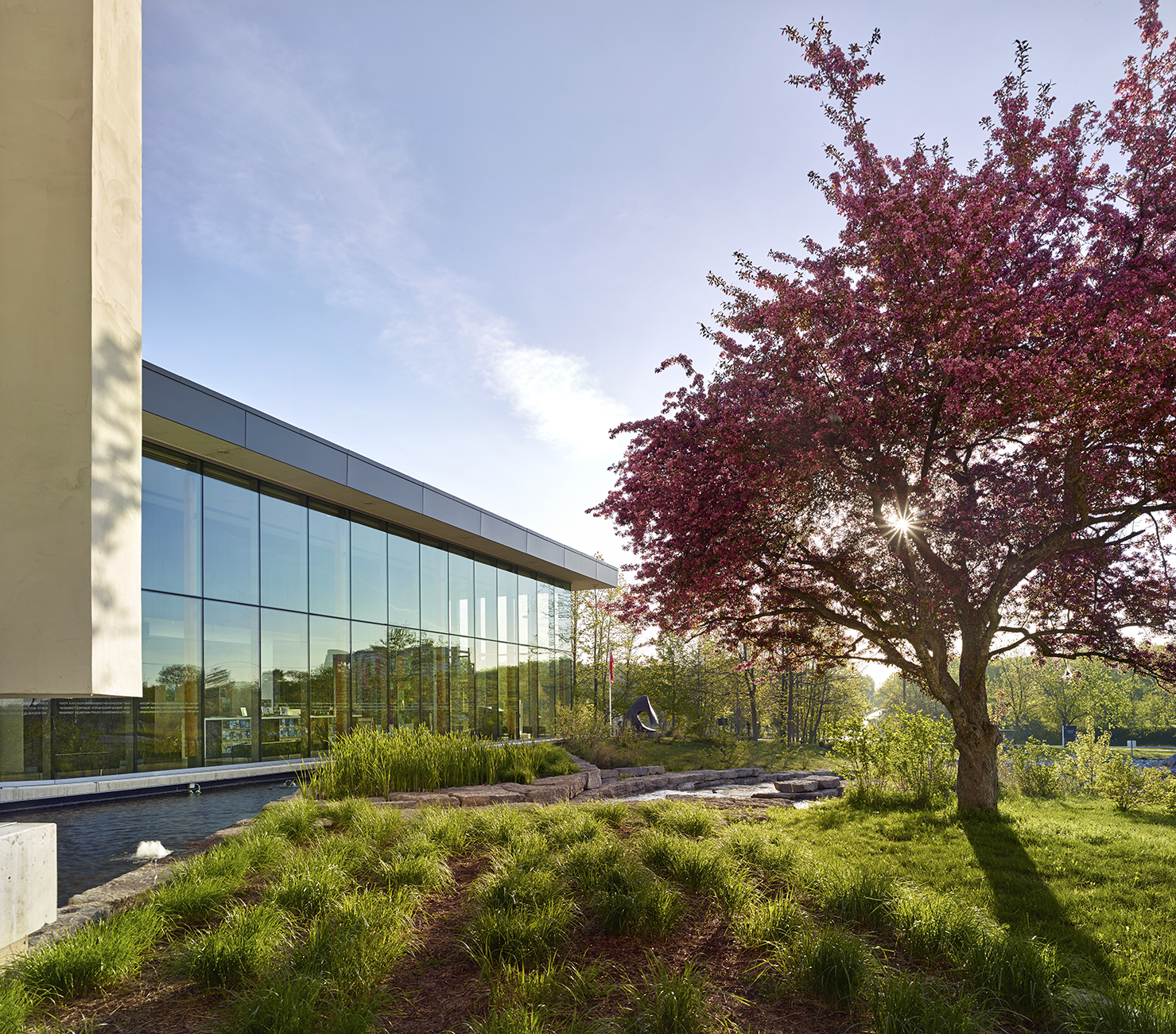
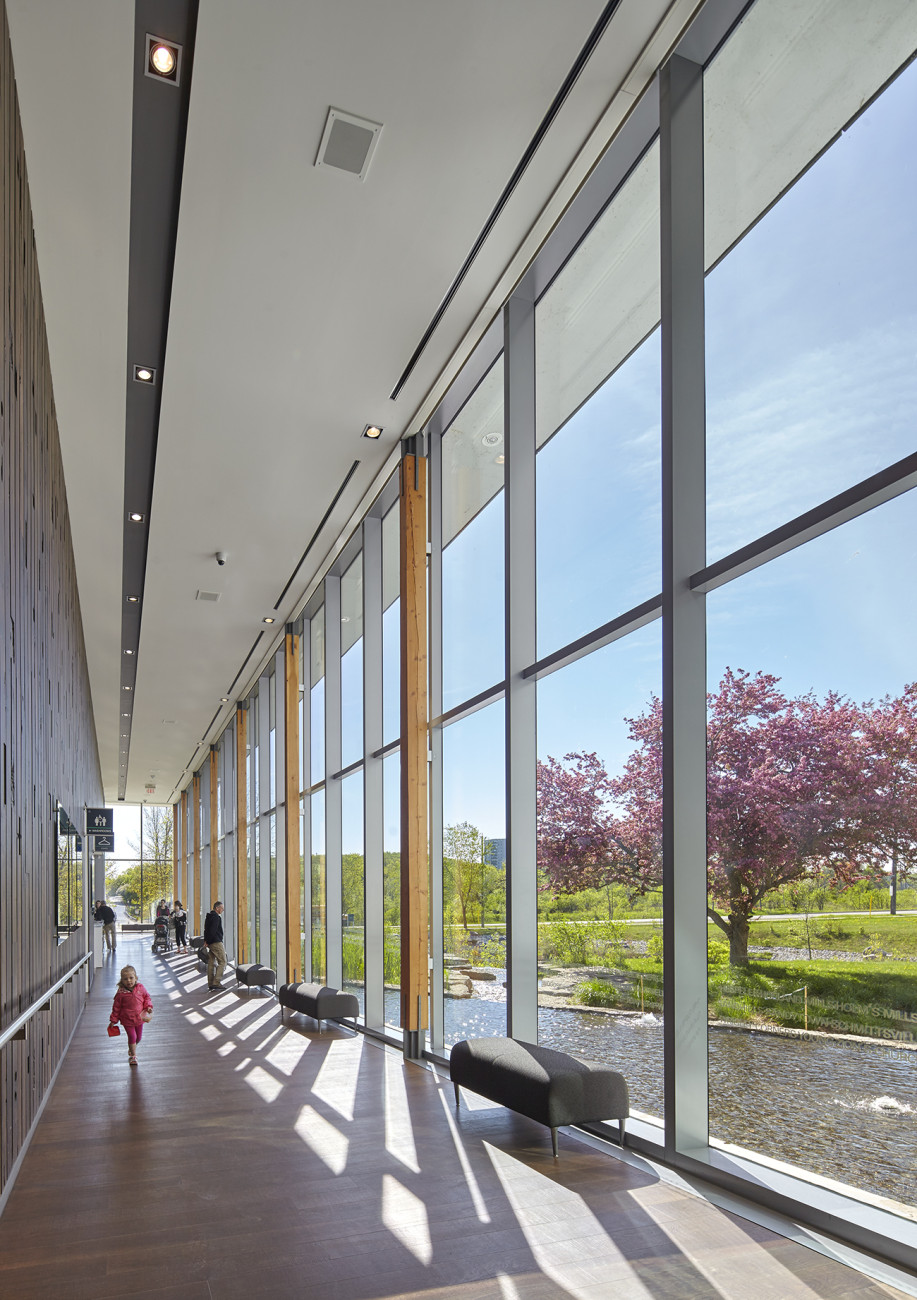
Set at the crossroads of two historic transportation routes, the Waterloo Region Museum celebrates the area's pioneering past and technology-driven present in an iconic landmark building. The museum's iconic "quilt wall" of glass panels is based upon the vivid hues of quilts woven by early Mennonite settlers, expressed through a high-tech system of computer hexadecimal code resulting in 16 stunning colours.
2010
Queenston Plaza Border Crossing Complex
No items found.
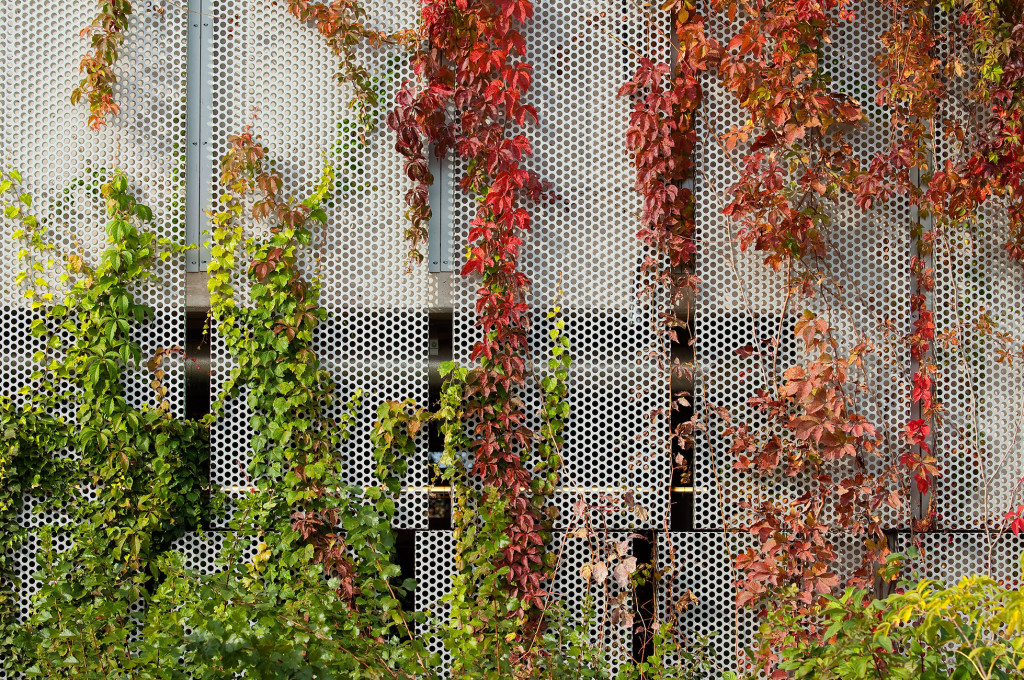
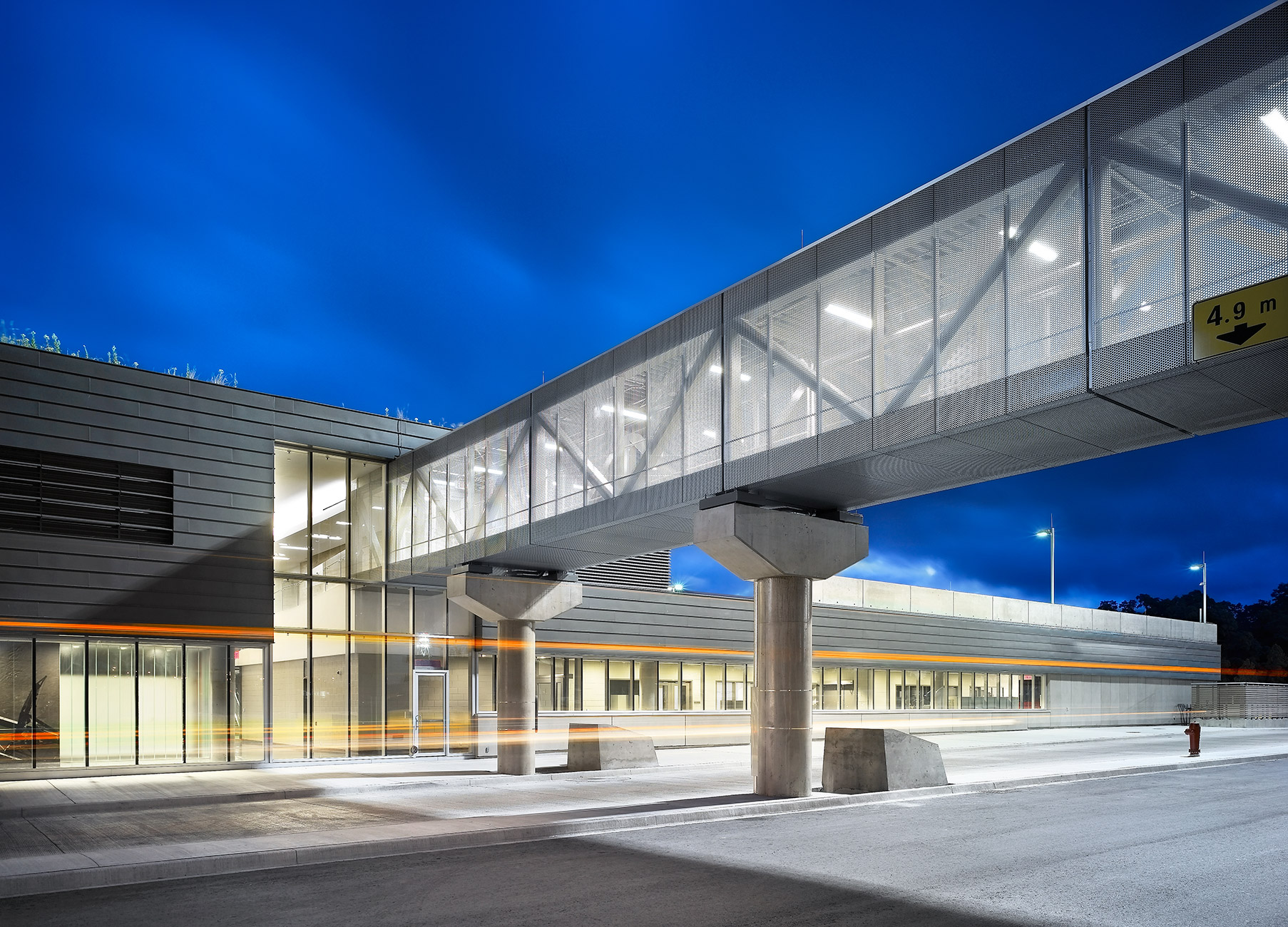
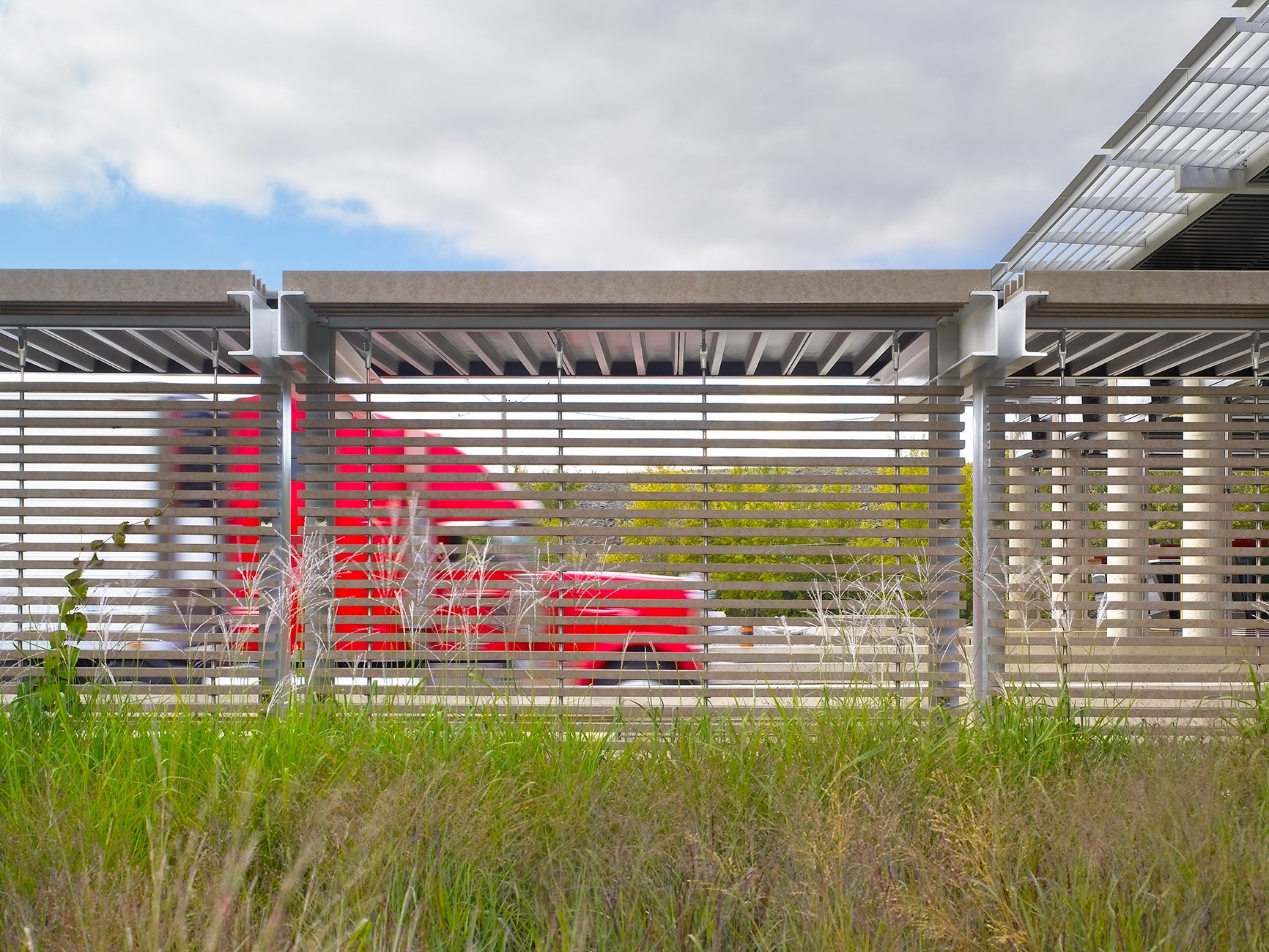
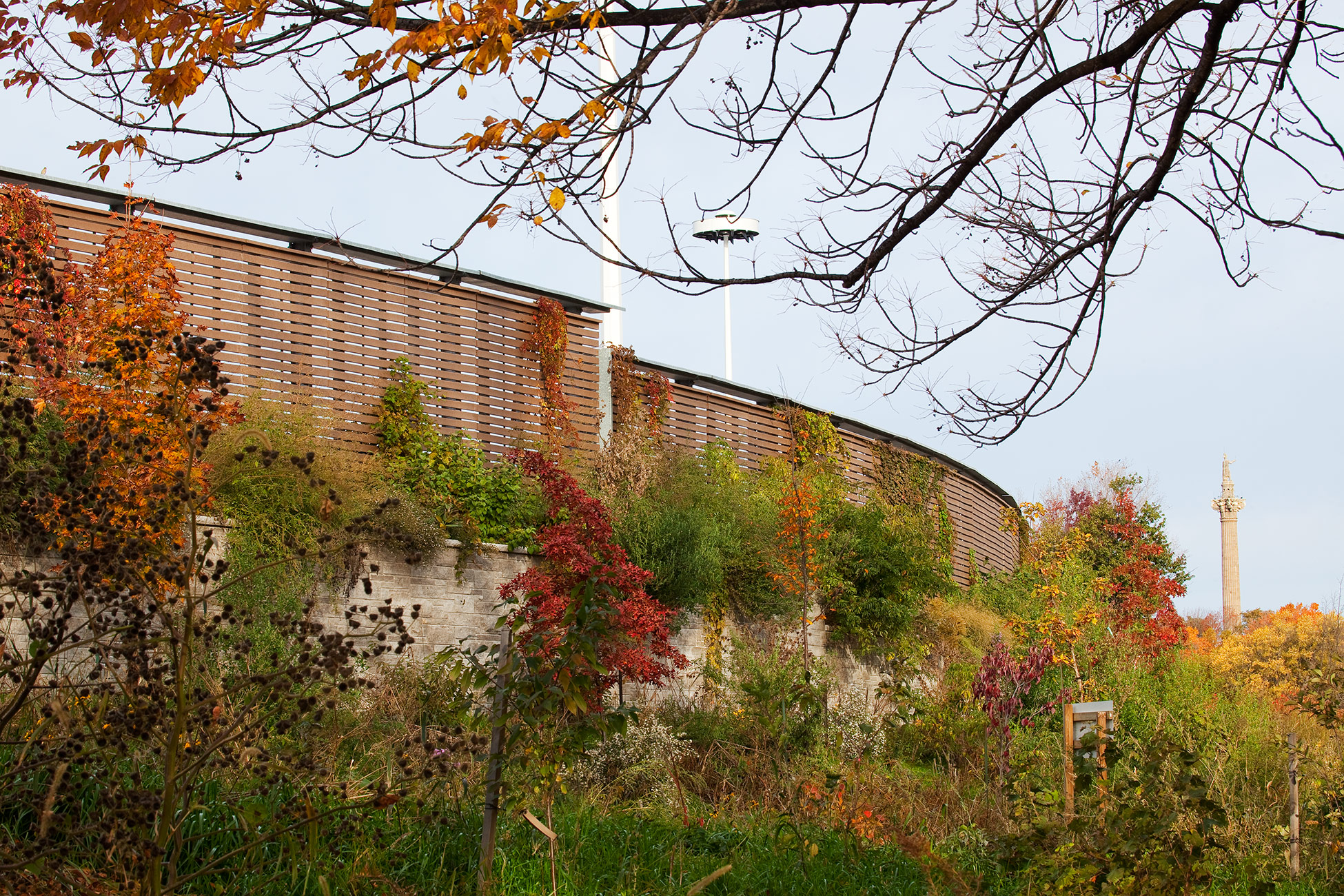
The 4-year phased redevelopment occurred without interruption of traffic at one of the busiest Canada-U.S. border crossings. The goal was to improve services and security for commercial and private vehicles while establishing a welcoming gateway between the two nations. This intervention introduced improvements to plaza infrastructure, toll collection, and means of circulation.
Guelph Civic Administration Complex
No items found.
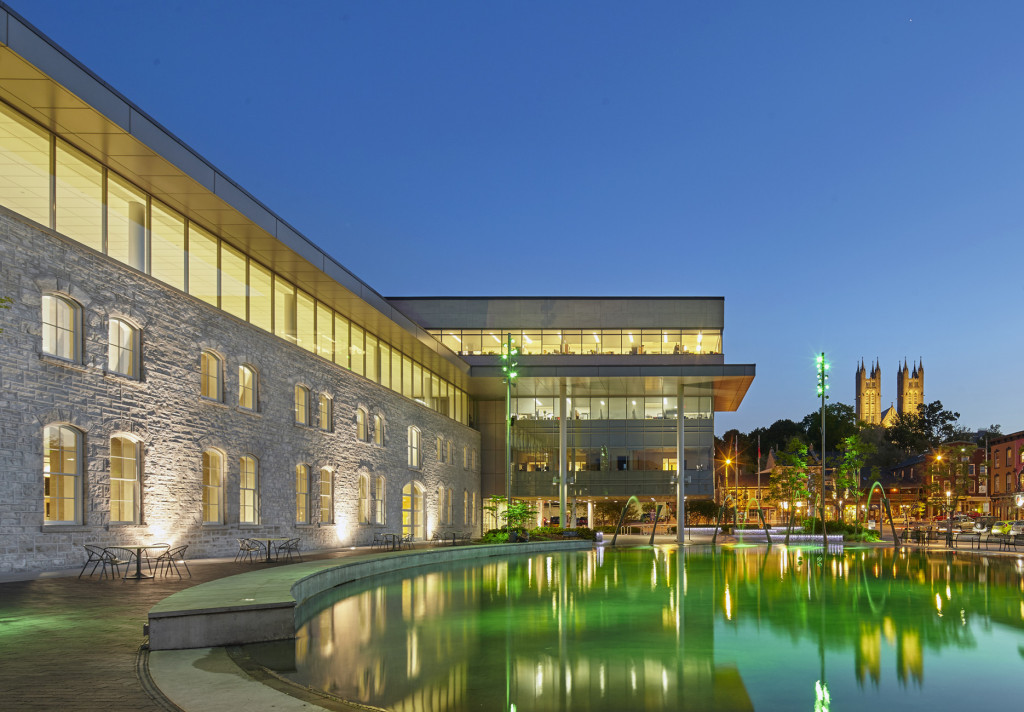
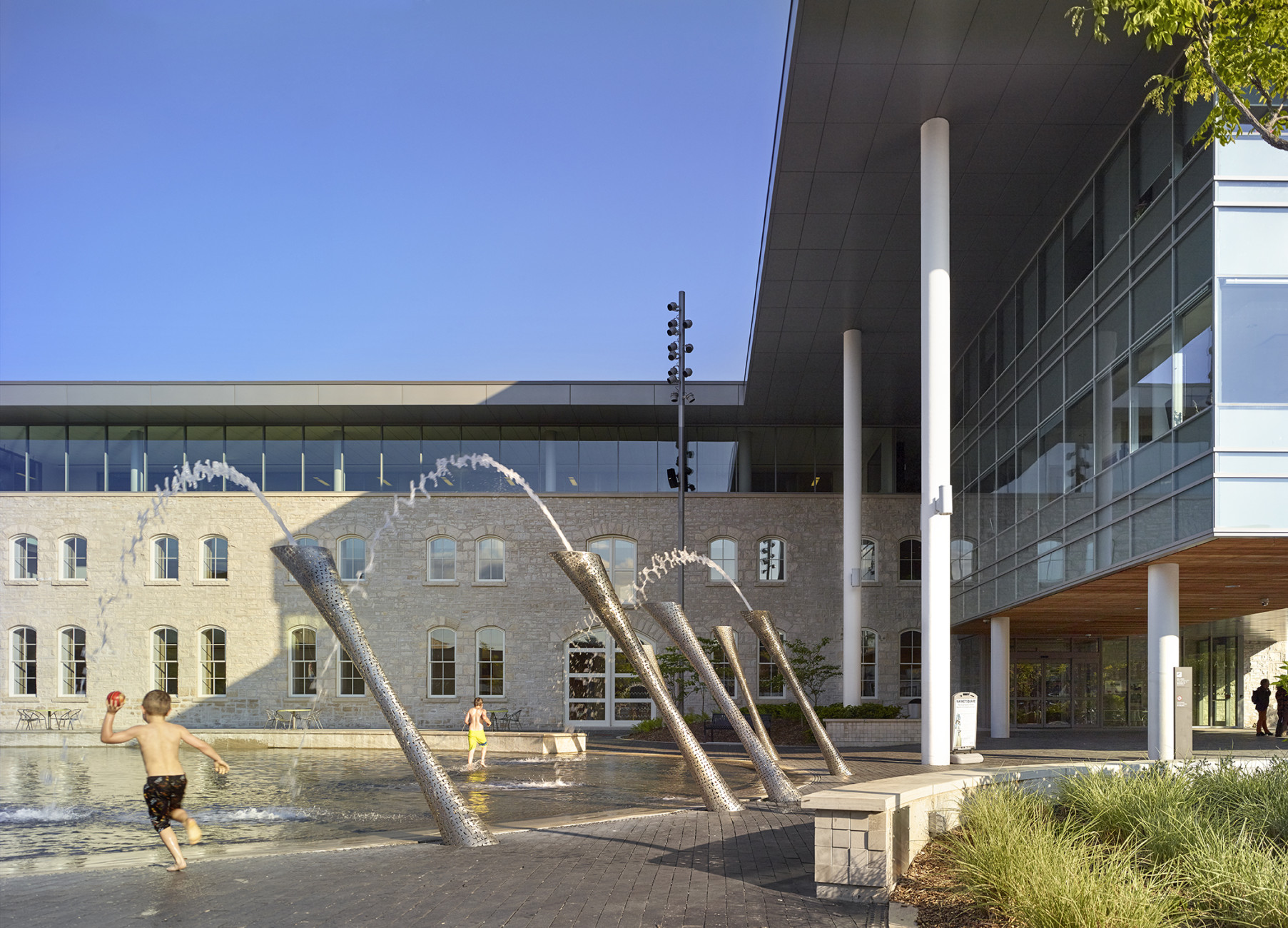
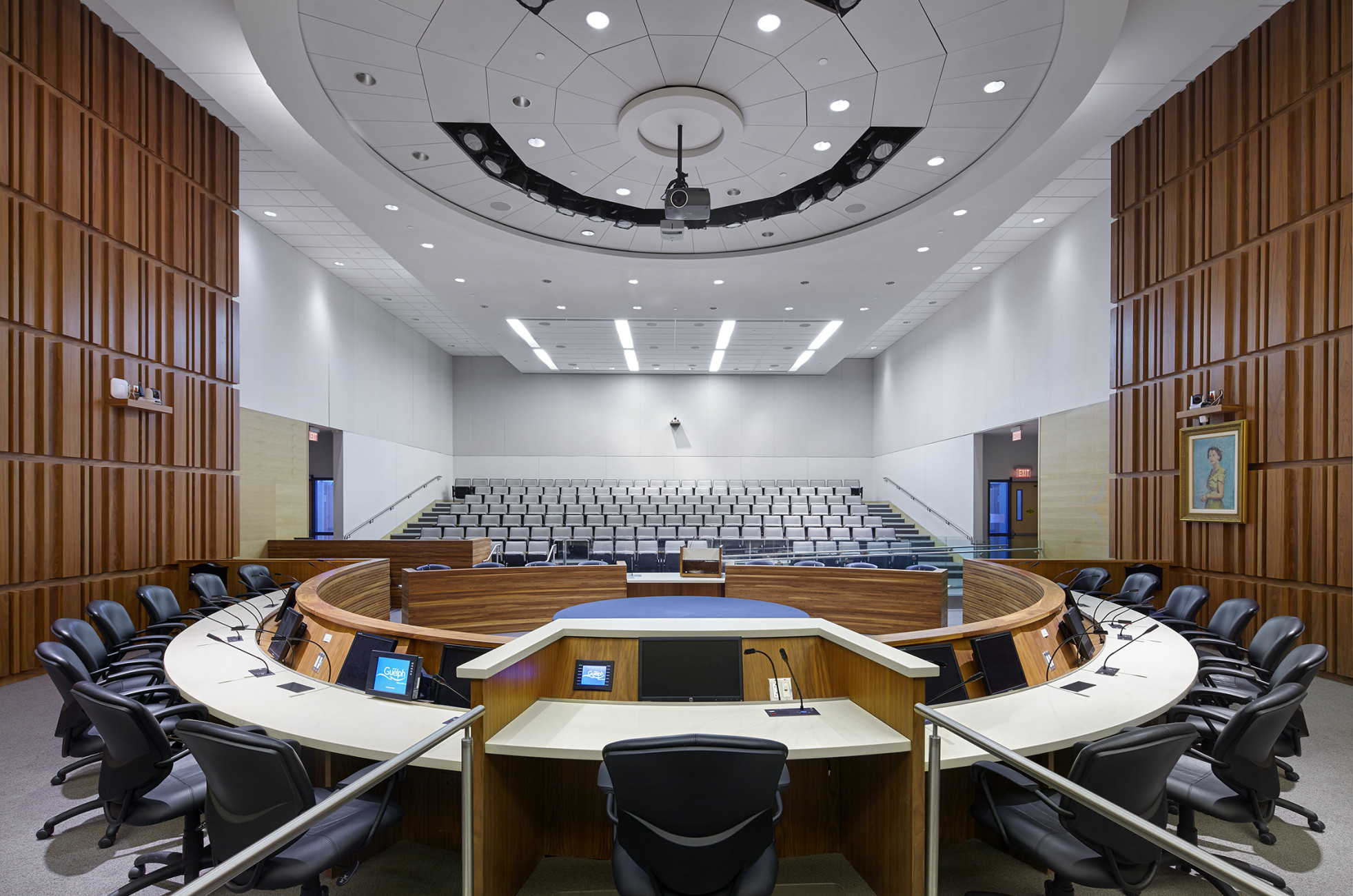
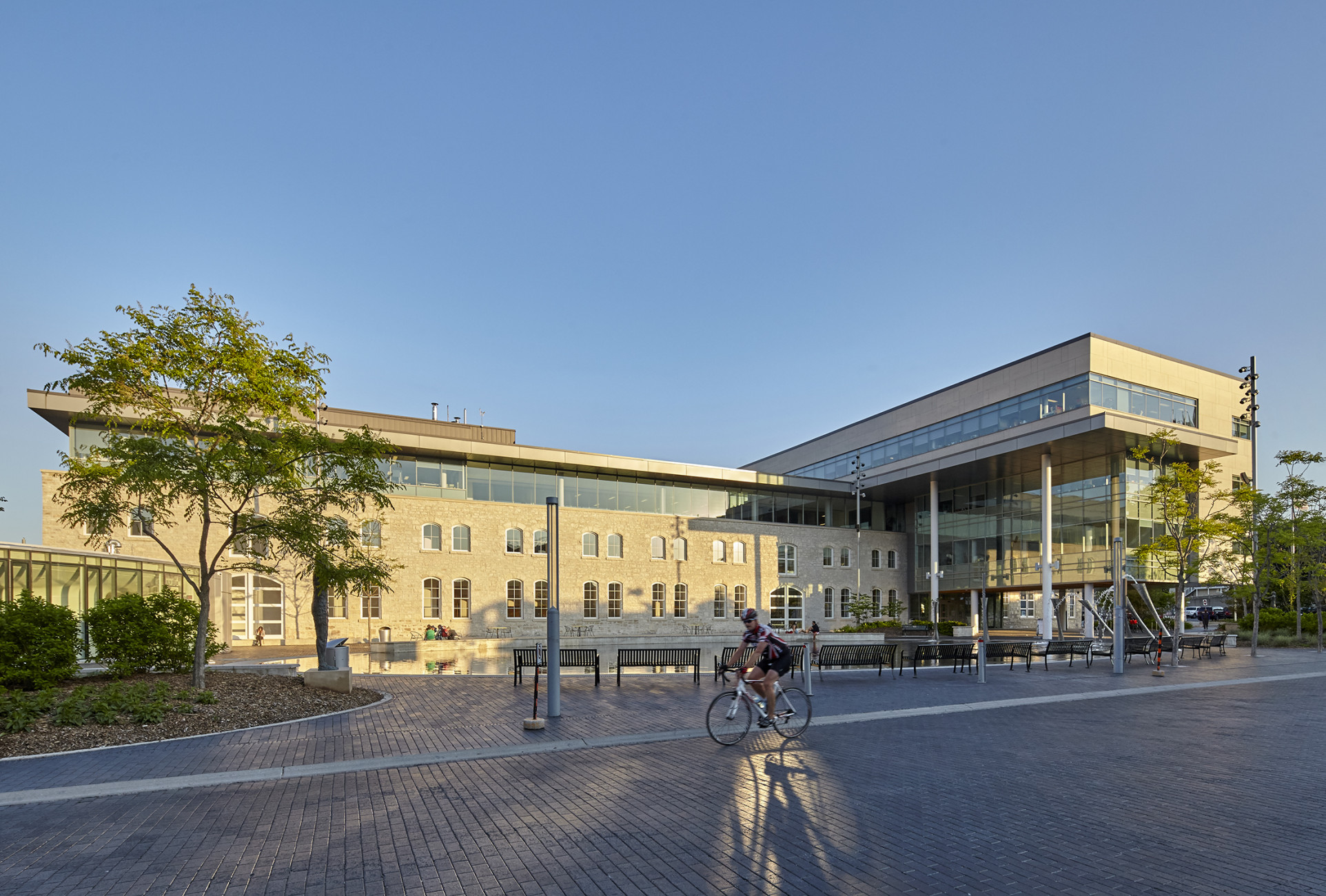
To create the Guelph Civic Administration Complex, Moriyama Teshima Architects and heritage architects Goldsmith Borgal renovated and physically integrated two important historical structures: the 1856 Guelph City Hall, a national historic site expanded as the City's courthouse, and the 1900 Winter Fair Building, incorporated into the new Civic Administration Centre and council chambers. The City Hall is a National Historic Site and a provincially-designated heritage property, and was designed in the Renaissance Revival style by William Thomas, architect of Toronto's first City Hall.
Academic Building at Lakehead University

No items found.
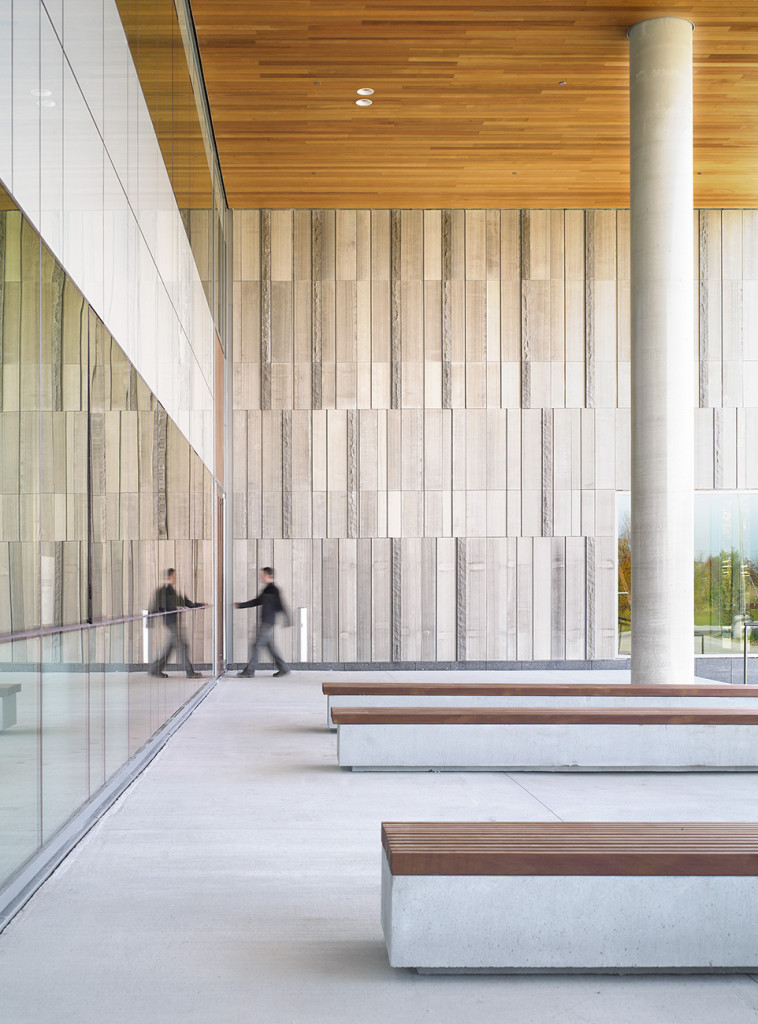
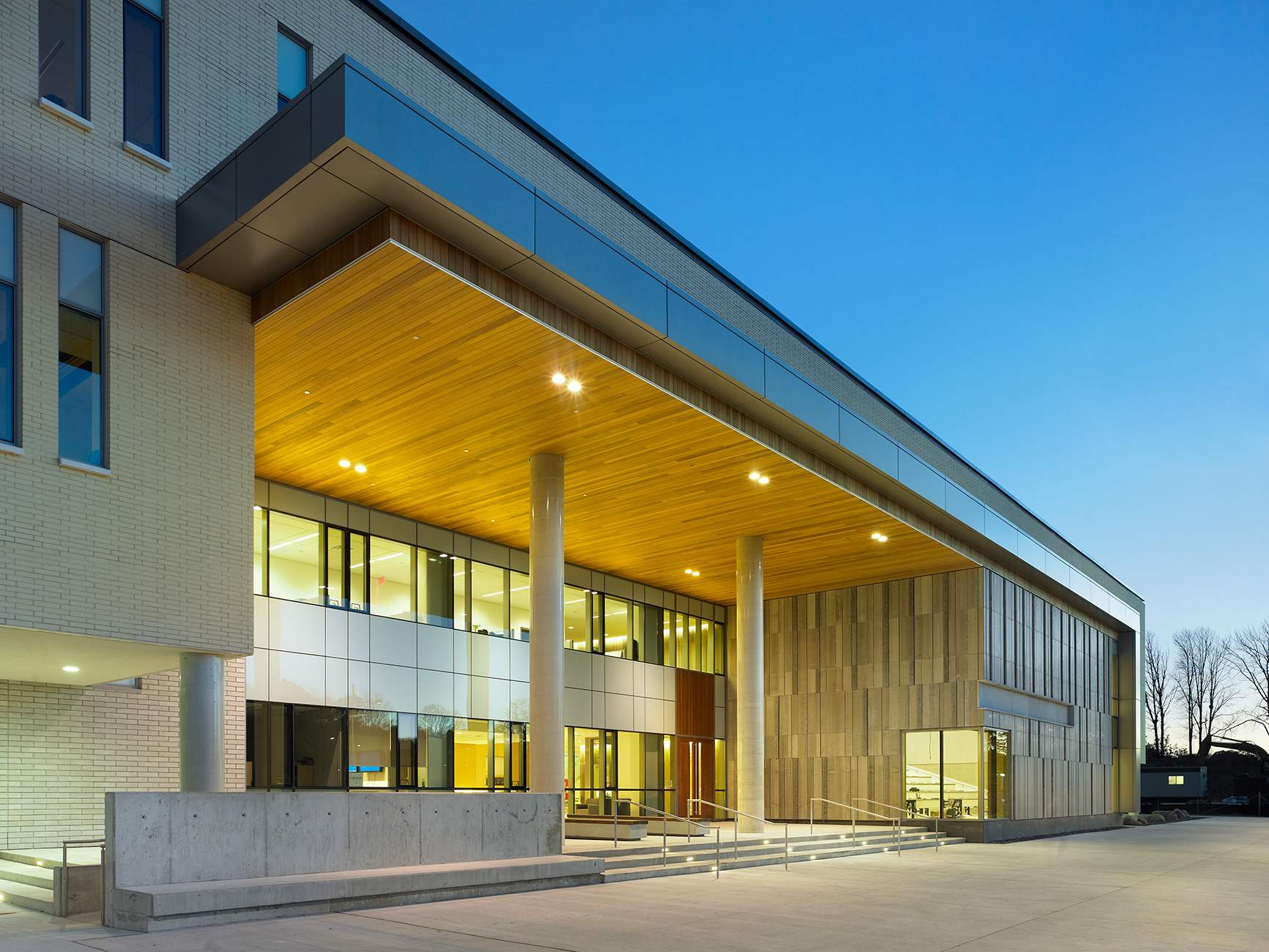
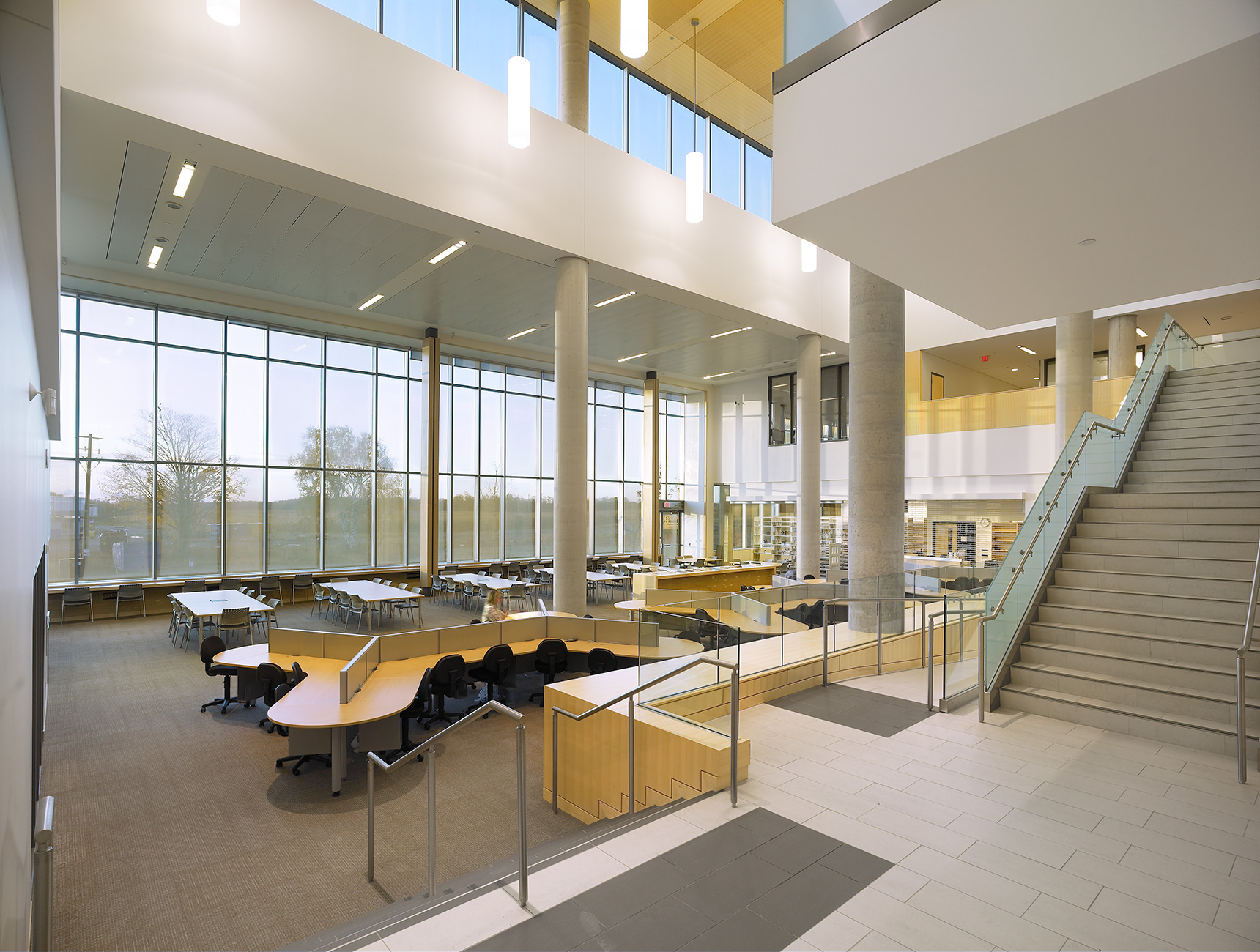
The first building on Lakehead University's new 85-acre Orillia LEED Platinum Campus, the Academic Building set a strong precedent for all future development. A focus on "Future Proof" design, the integration of architecture, landscape, and building systems, and achieving high sustainability metrics is what guided this project. The central Learning Commons is an open, airy, and welcoming space which attracts students and promotes social interaction and collaboration.
2008
Science Research Building, at the University of Toronto Scarborough Campus
No items found.
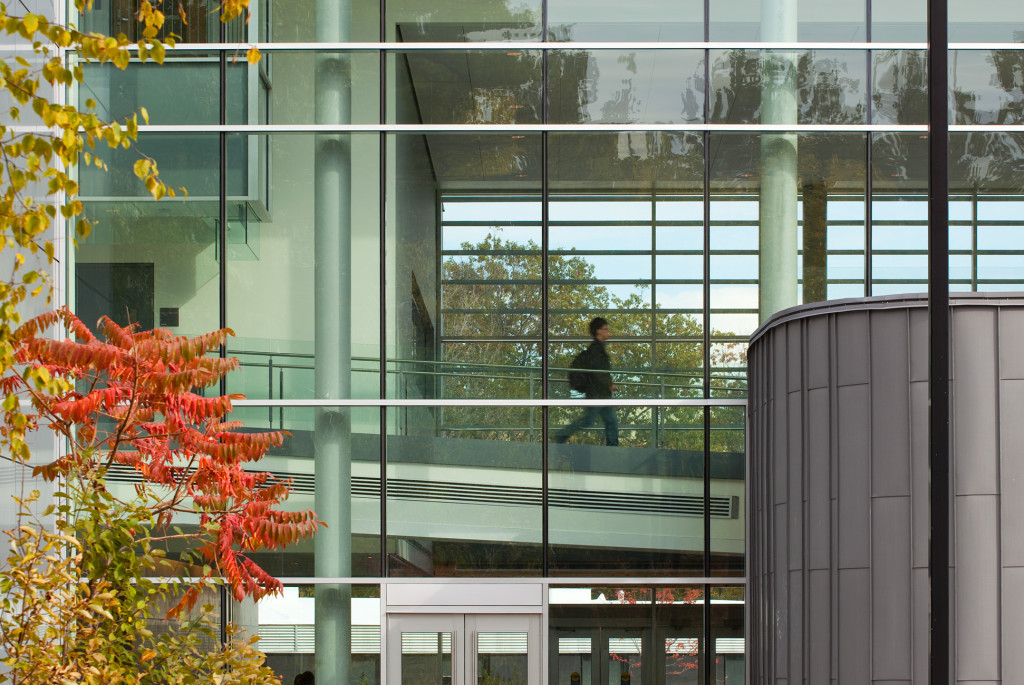
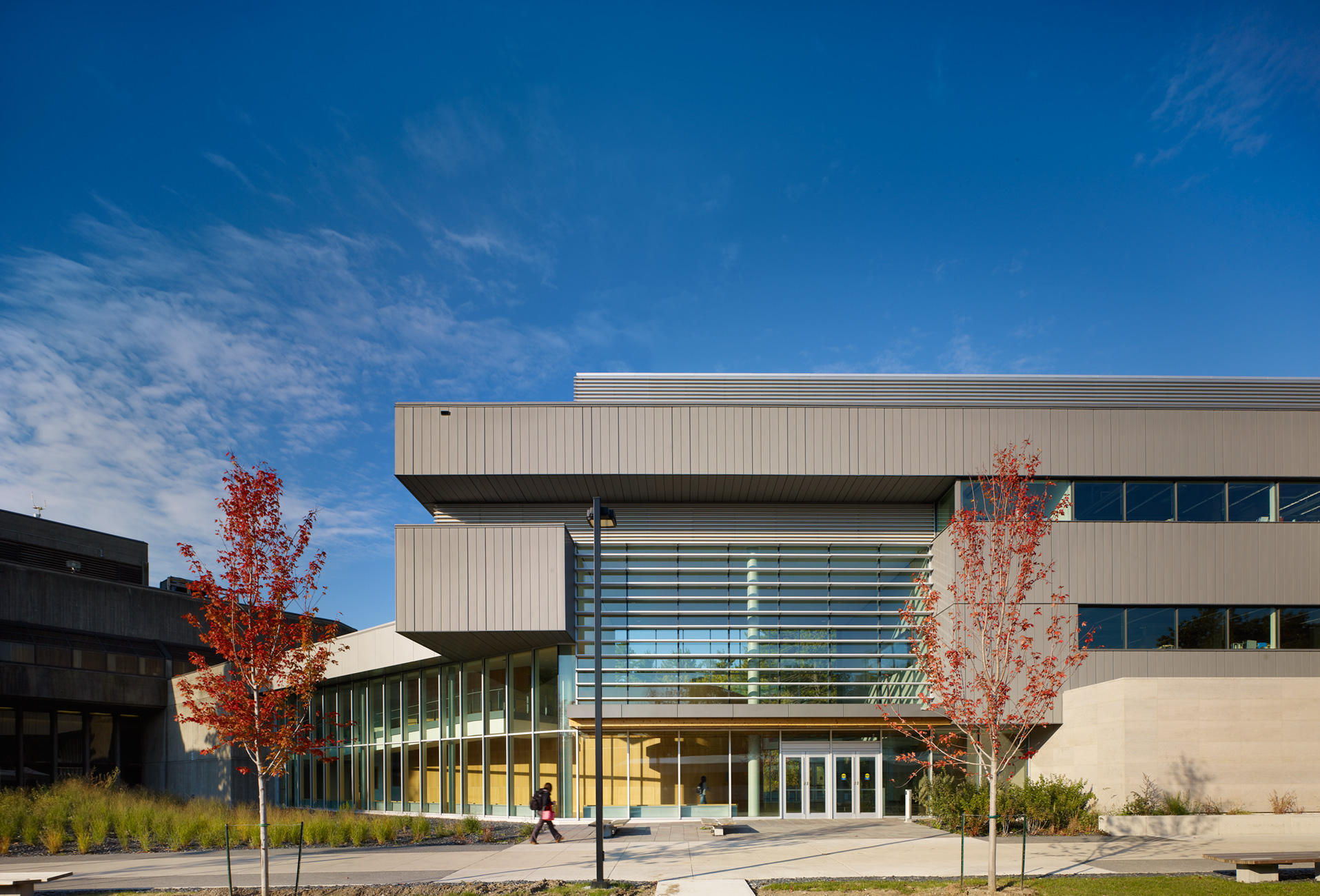
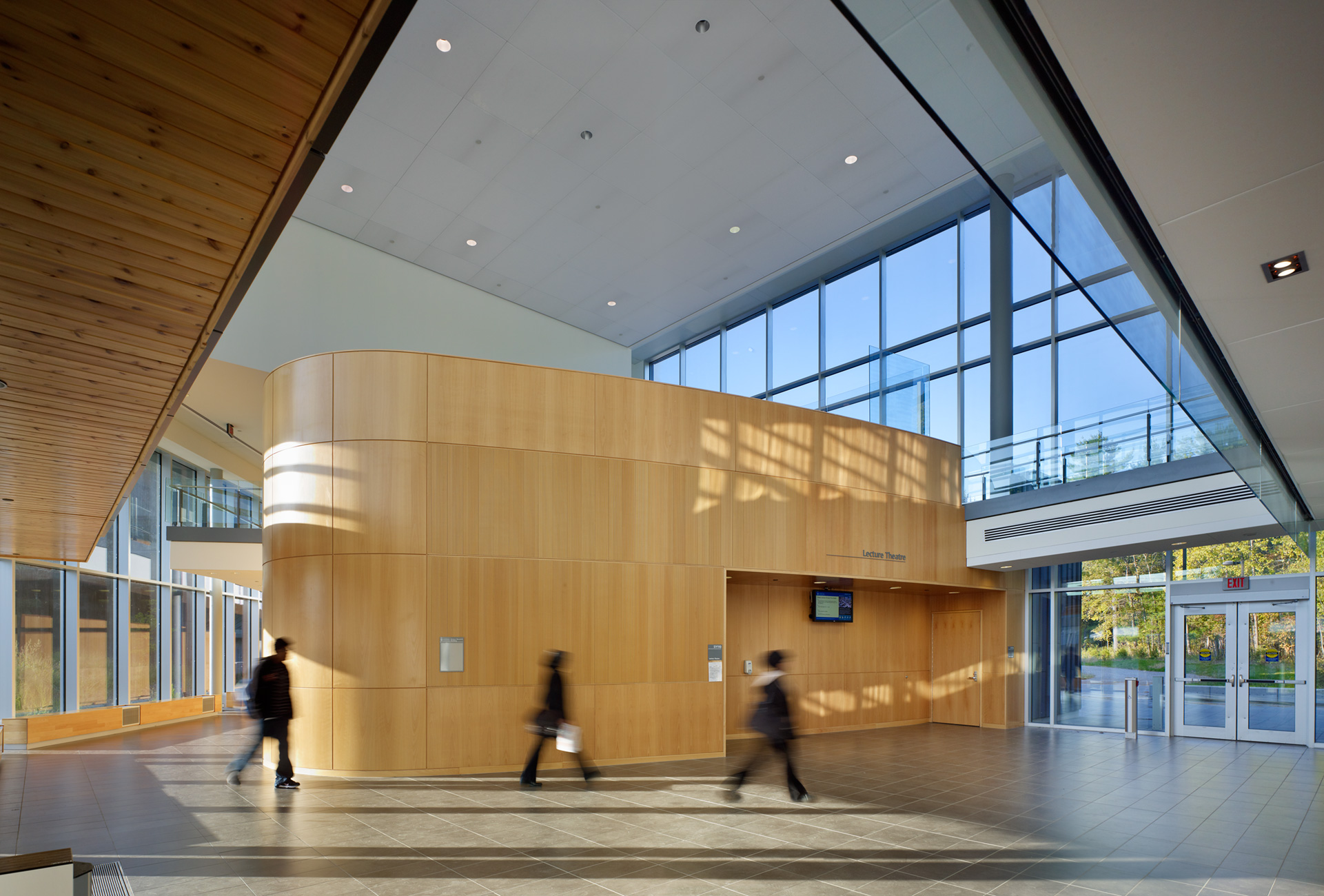
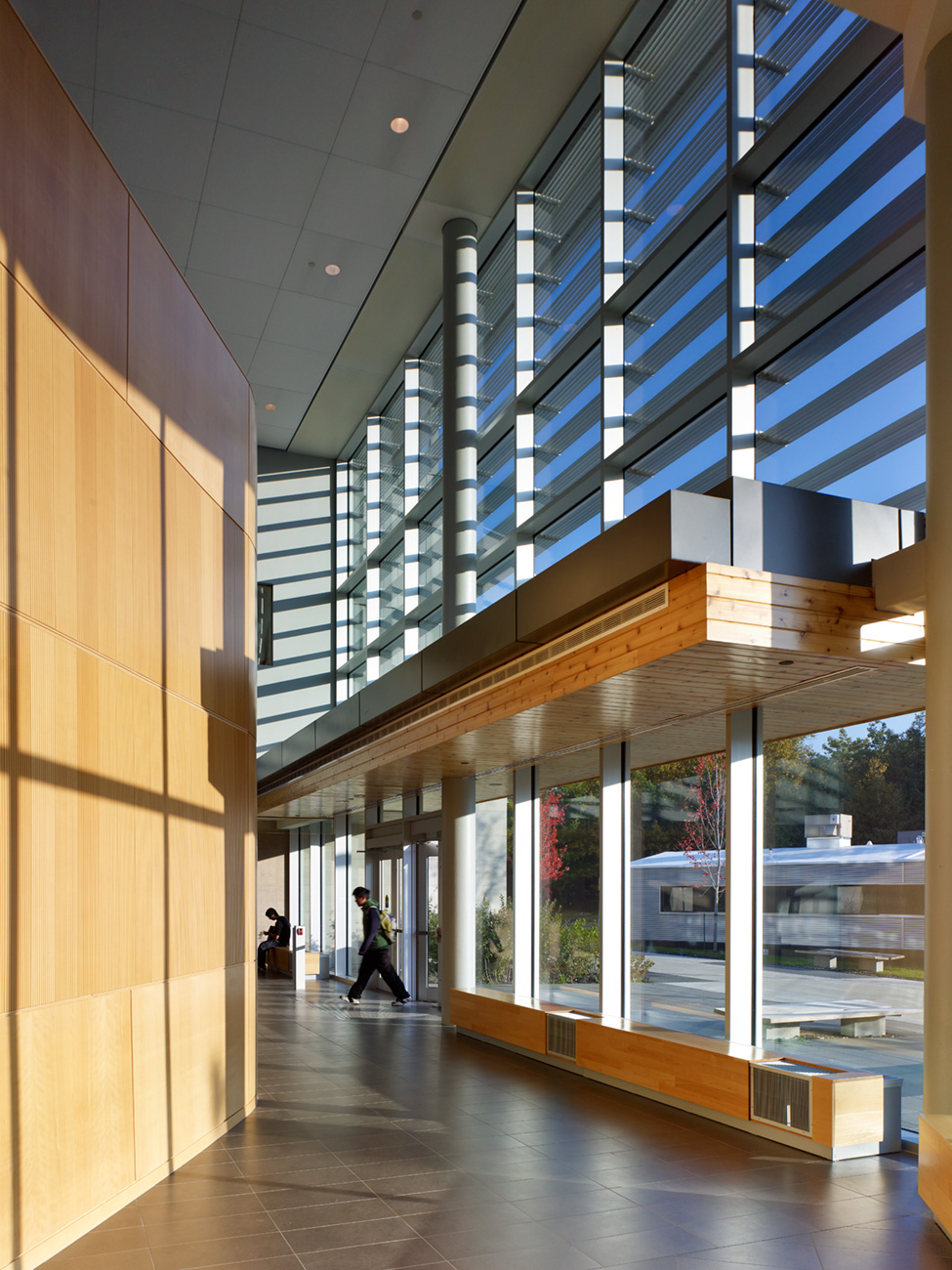
The Science Research Building at the University of Toronto Scarborough Campus defines the school's inter-and multi-disciplinary approach to scientific education, bringing together a number of science disciplines. This creates a dynamic synergy that reinforces the university's cutting edge thinking on forward-thinking scholarship.
Multi-Faith Centre Wins OAA Design Excellence Award and Good Design is Good Business Award
No items found.
Delegation of the Ismaili Imamat
No items found.
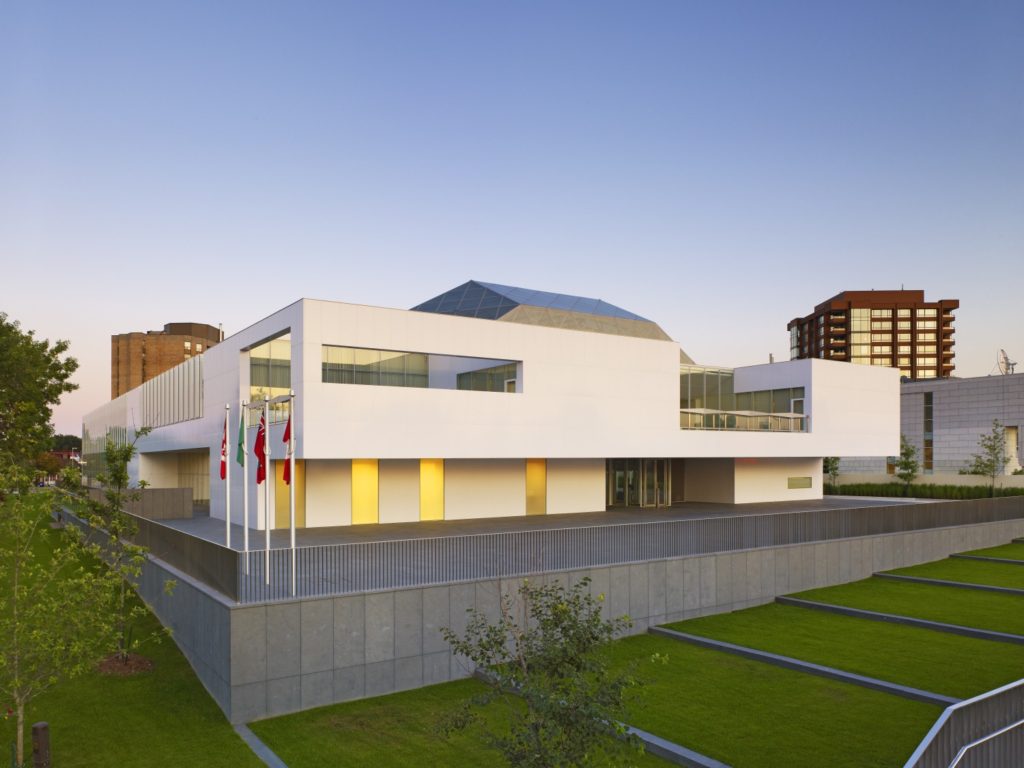
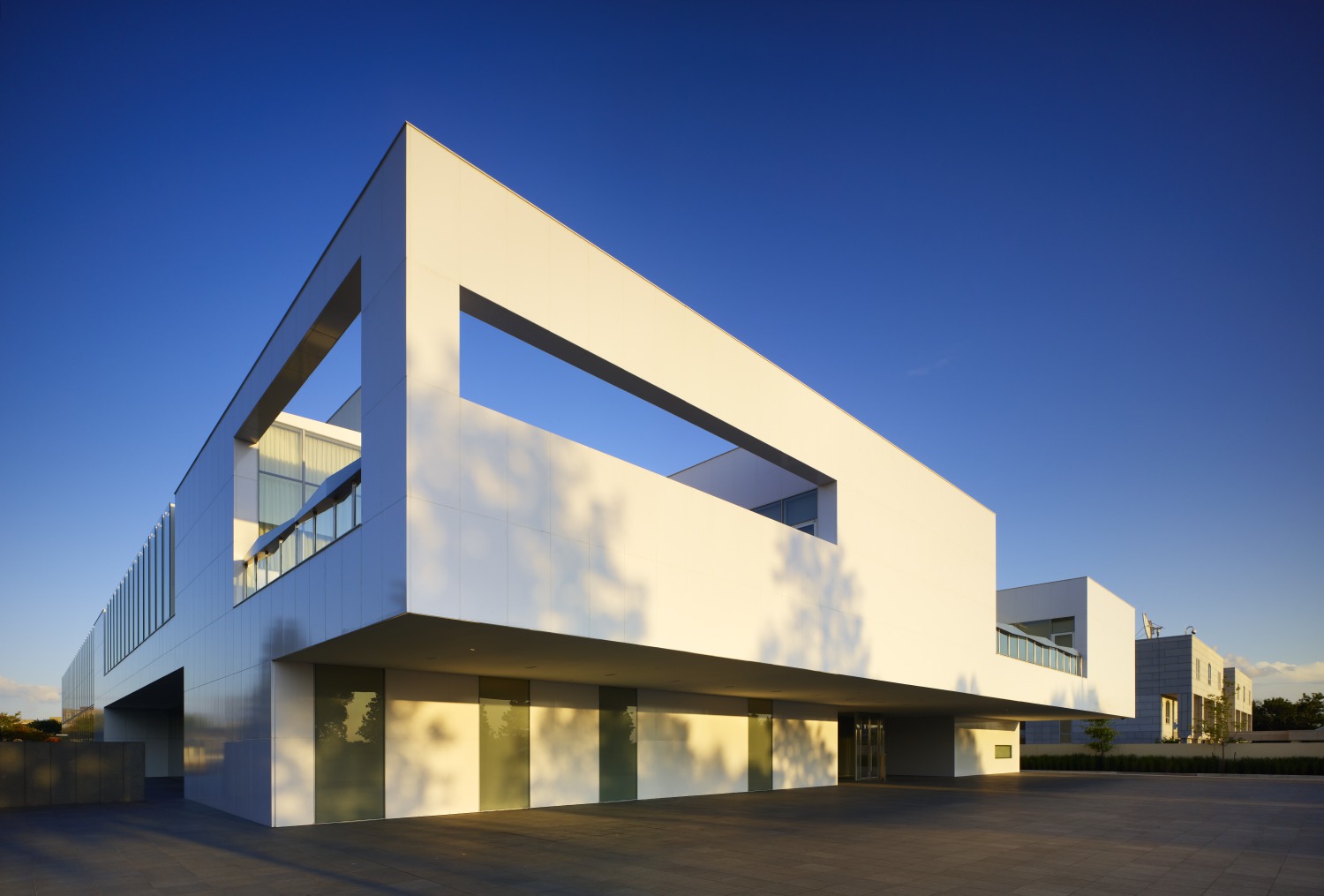
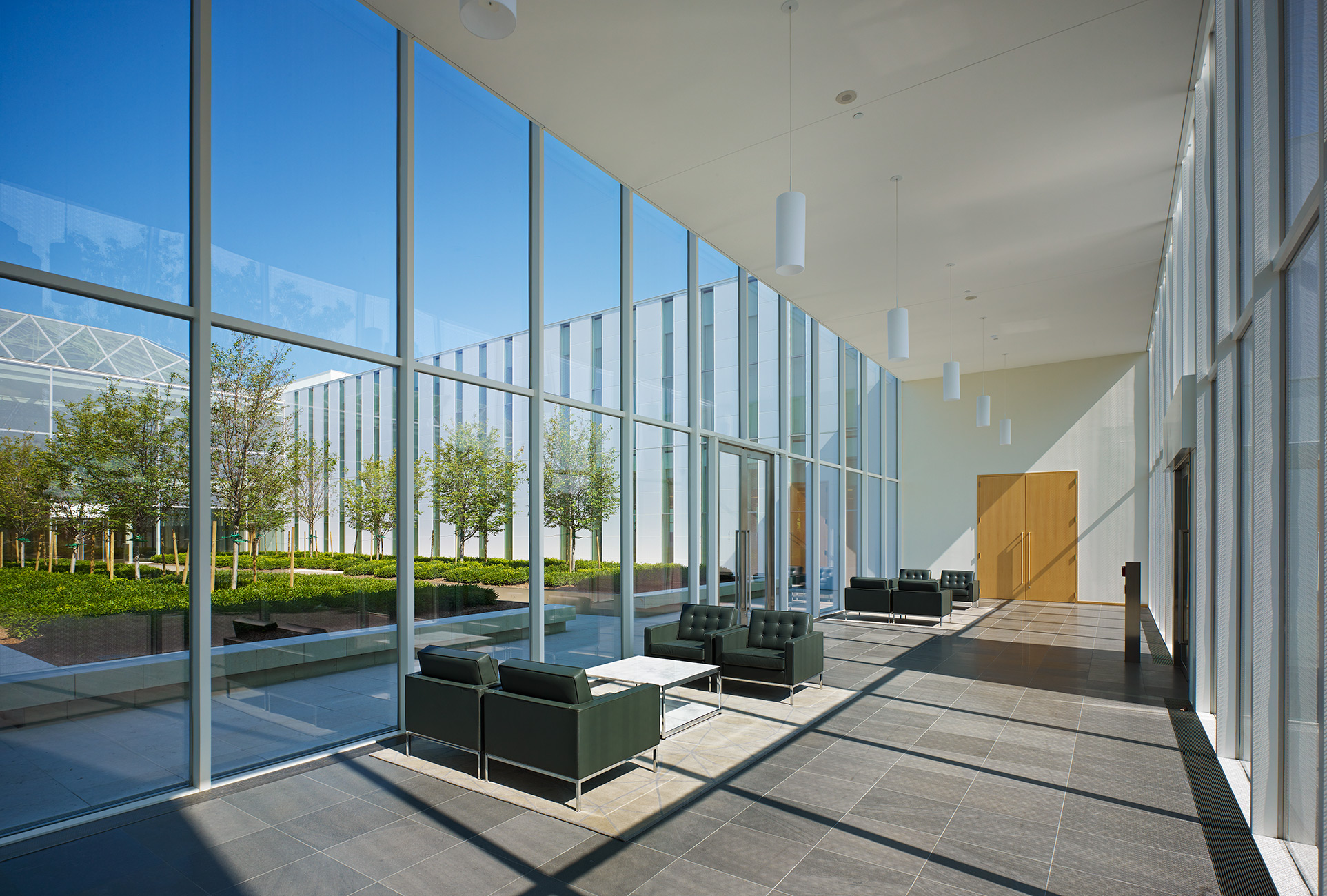
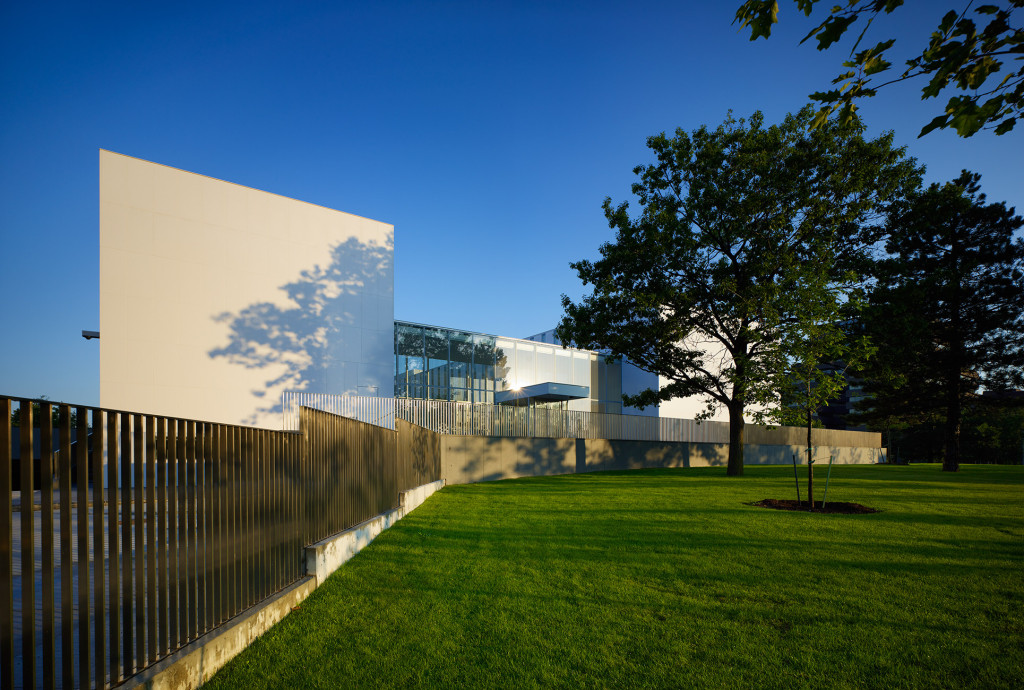
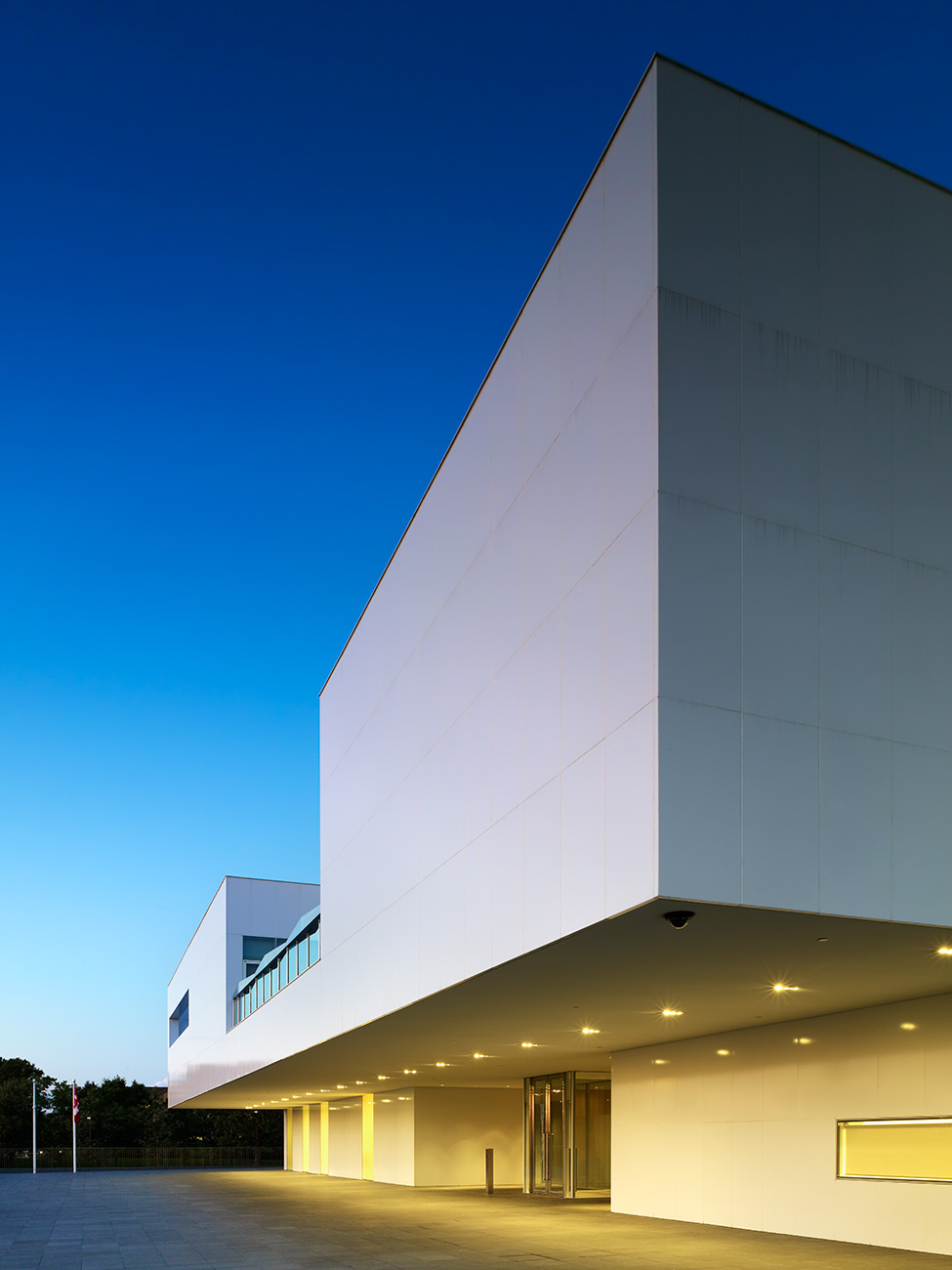
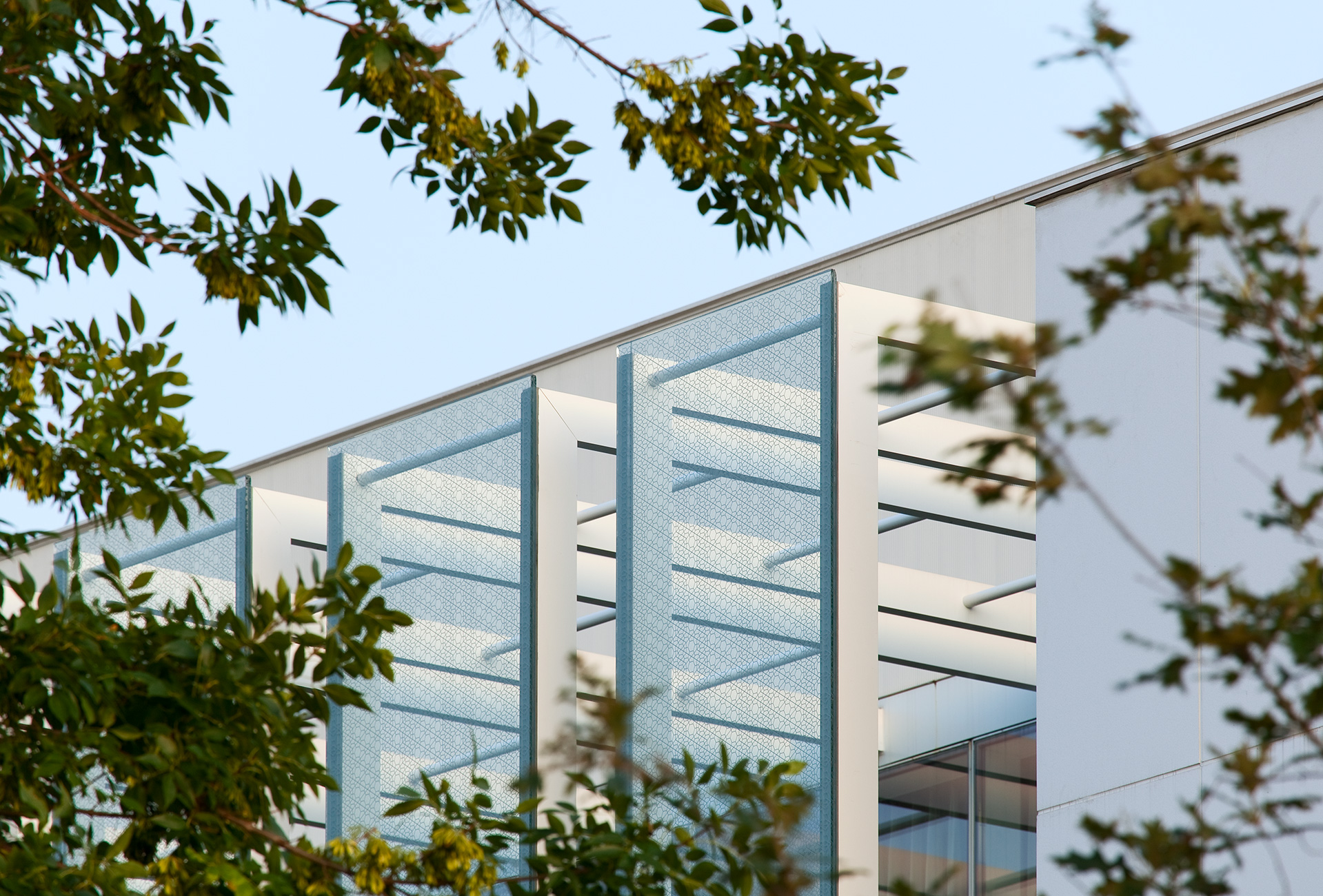
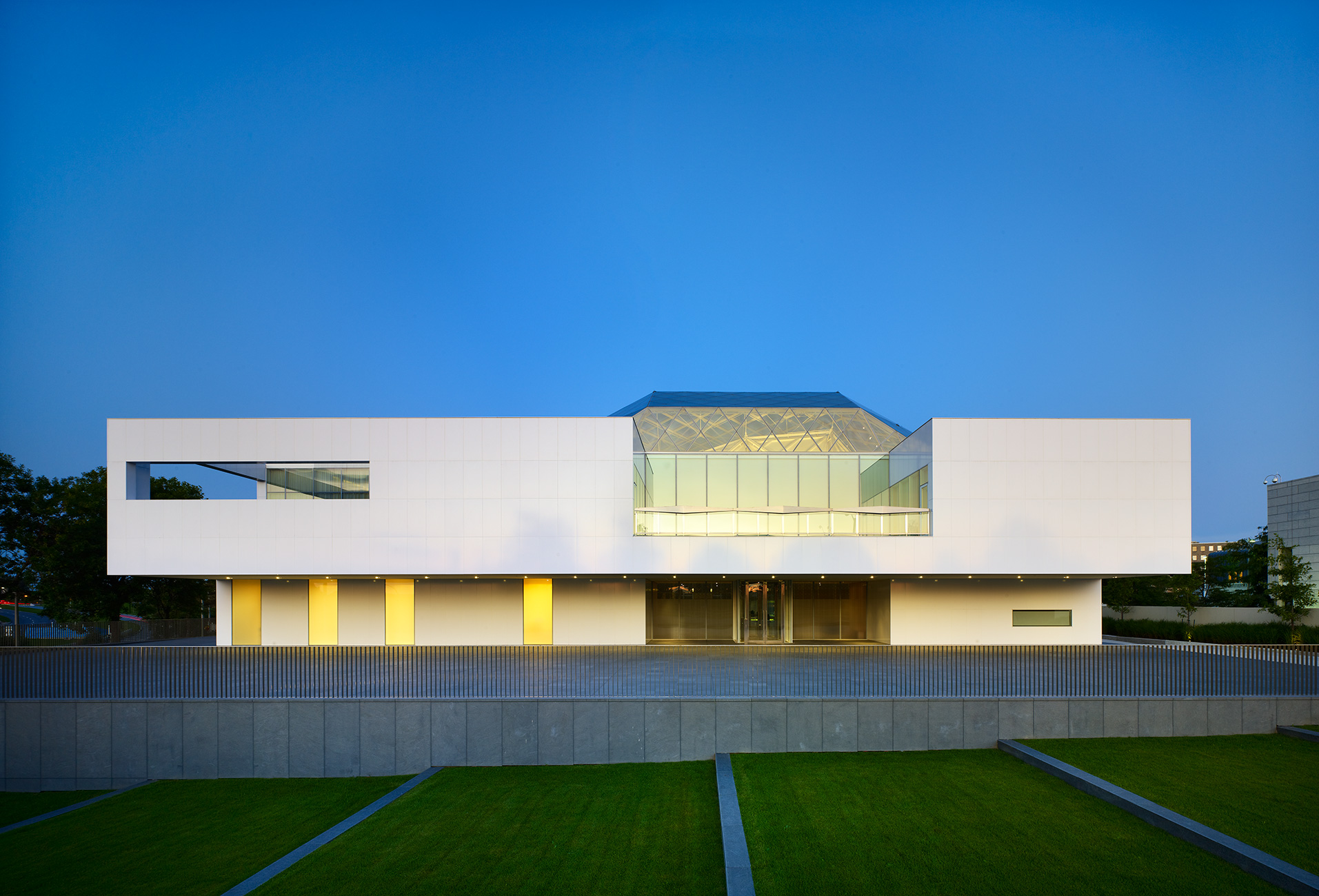
Prominently sited on Ottawa's ceremonial Sussex Drive, the Delegation of the Ismaili Imamat was conceived by the Aga Khan as a secular sanctuary for peace, diplomacy and global pluralism. Moriyama Teshima Architects collaborated with the Pritzker Prize-winning architect Fumihiko Maki to design and deliver this technically rigorous building.
2007
Desmarais Building, University of Ottawa
No items found.
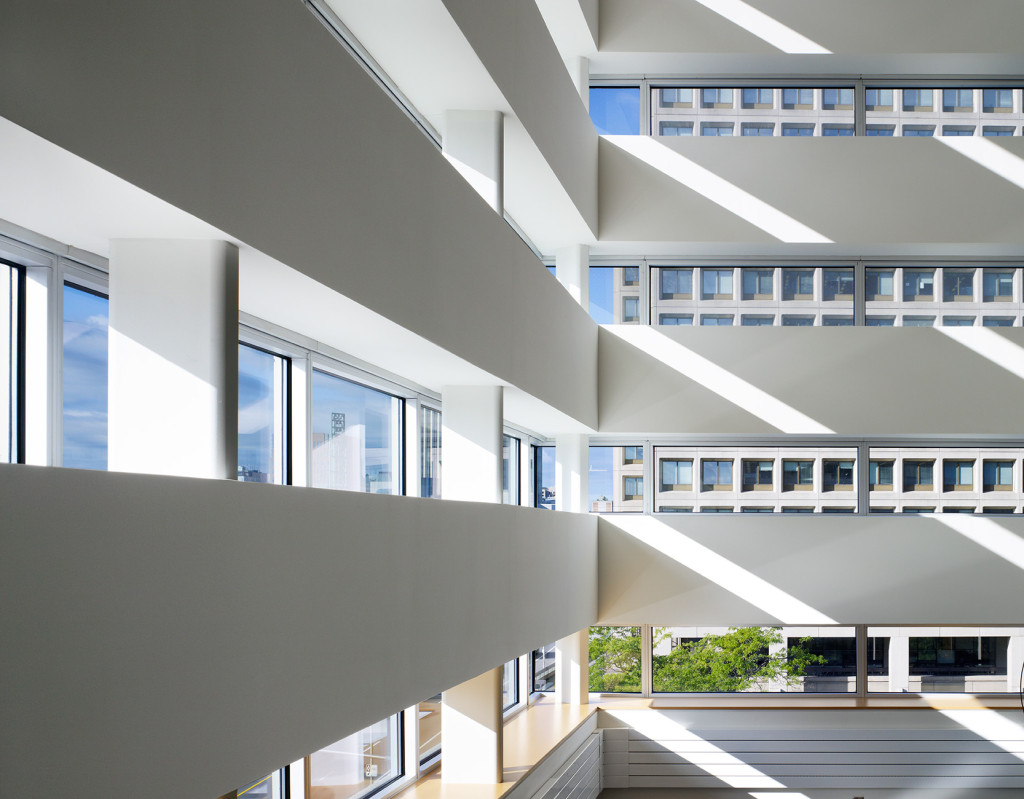
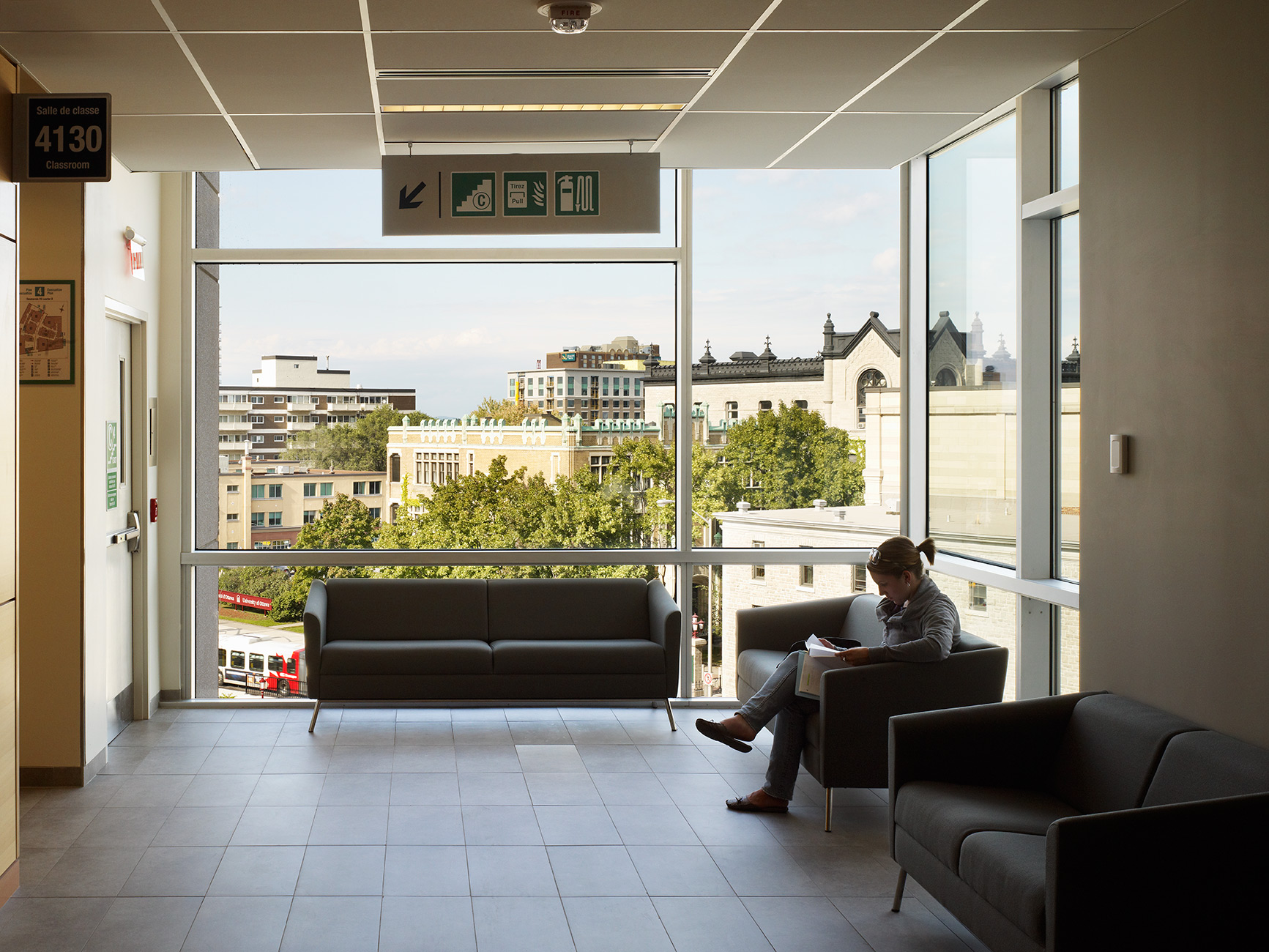
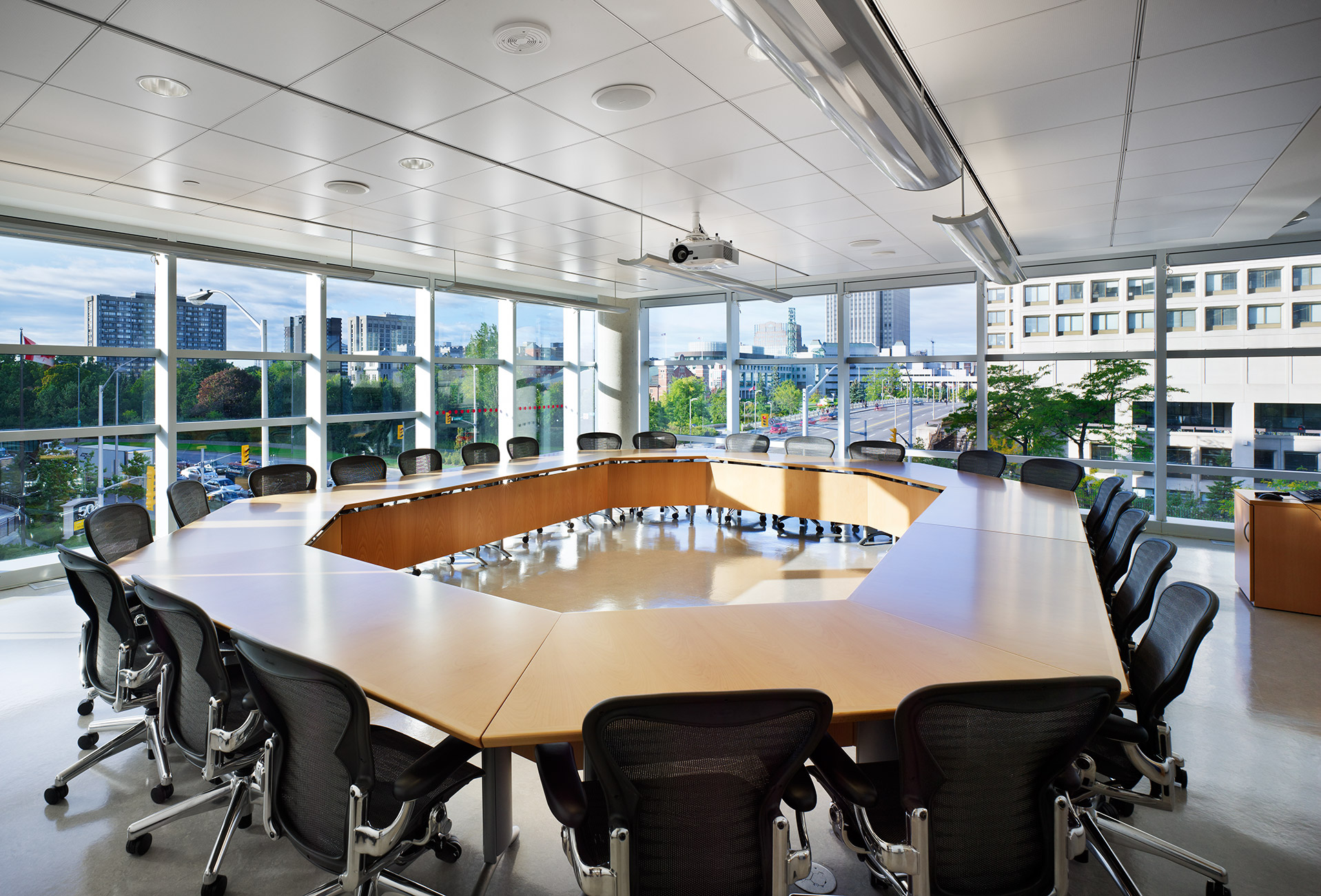
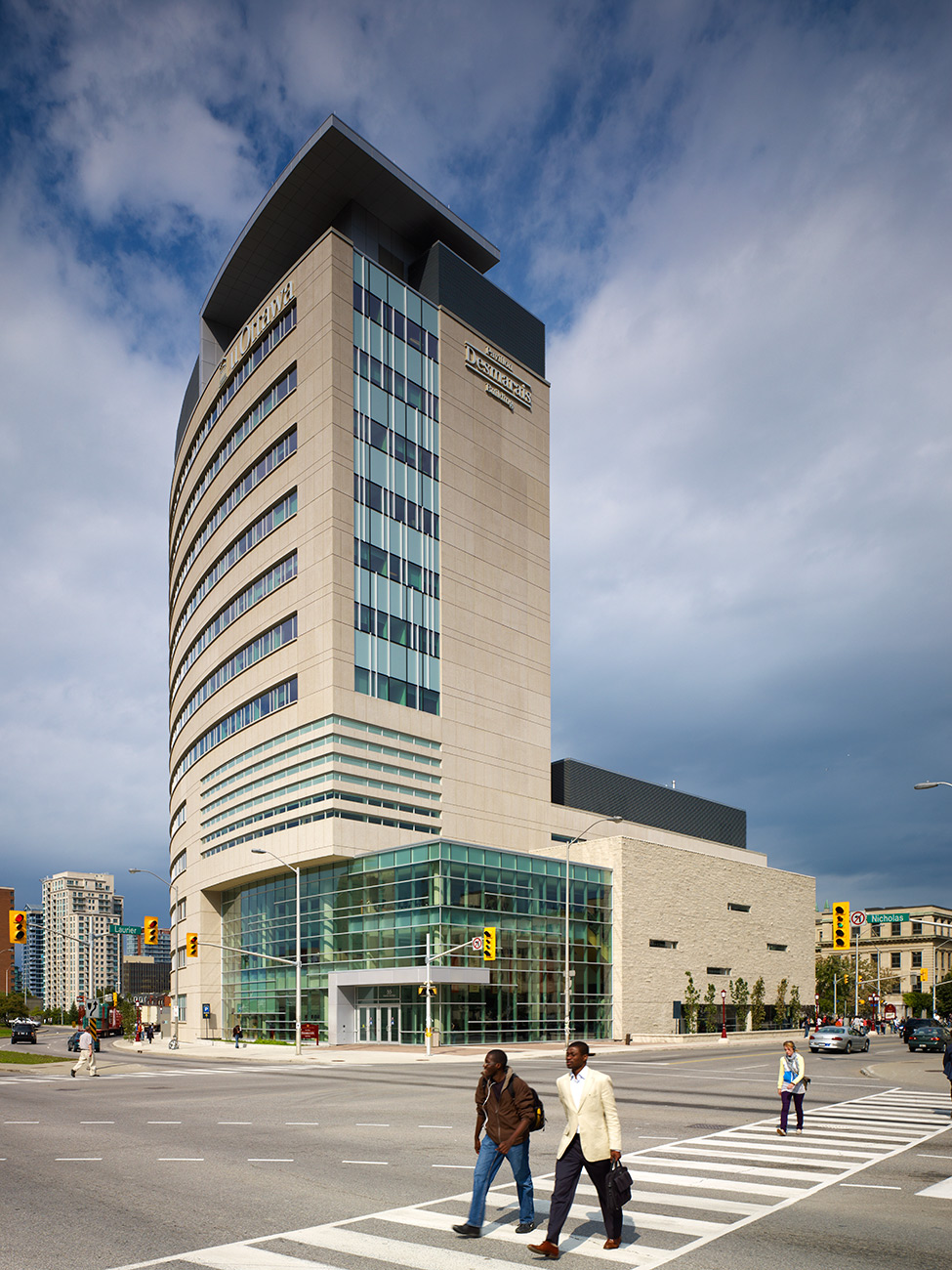
Located in downtown Ottawa, this gateway project is the home of the University of Ottawa's Telfer School of Management and the Faculty of Social Sciences. The Desmarais Building sets a new standard in architectural excellence, reflecting the University's overall commitment to creating better quality learning environments for students.
Multi-Faith Centre, University of Toronto

No items found.
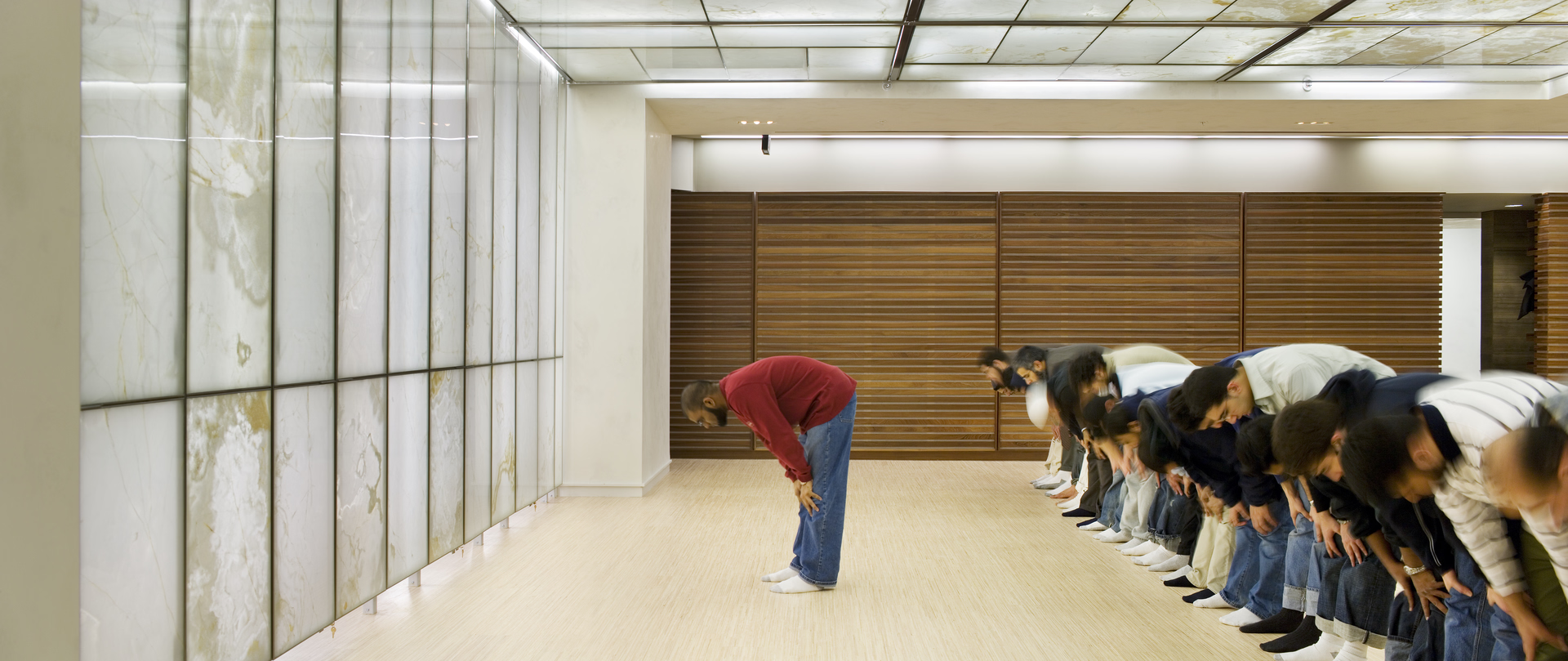
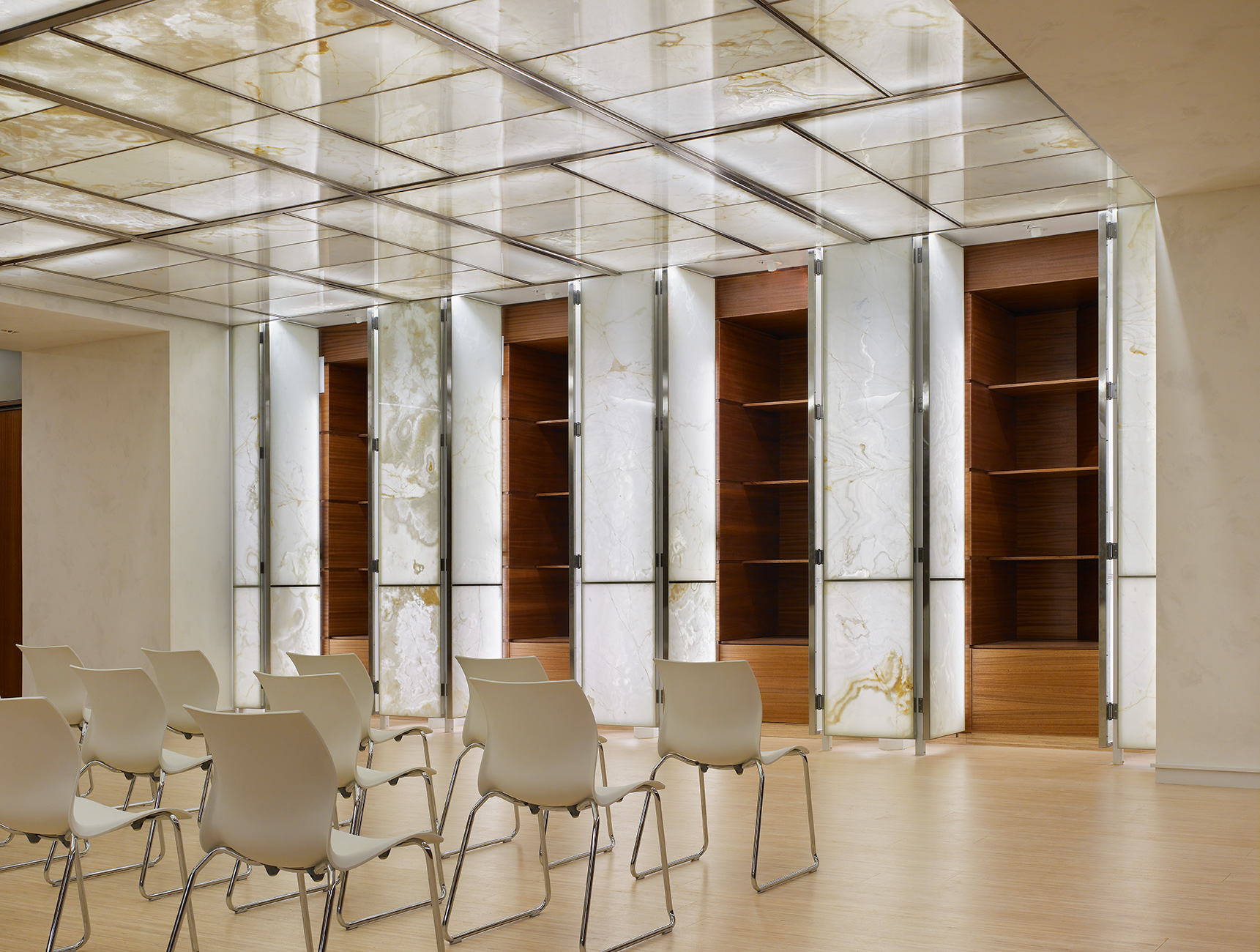
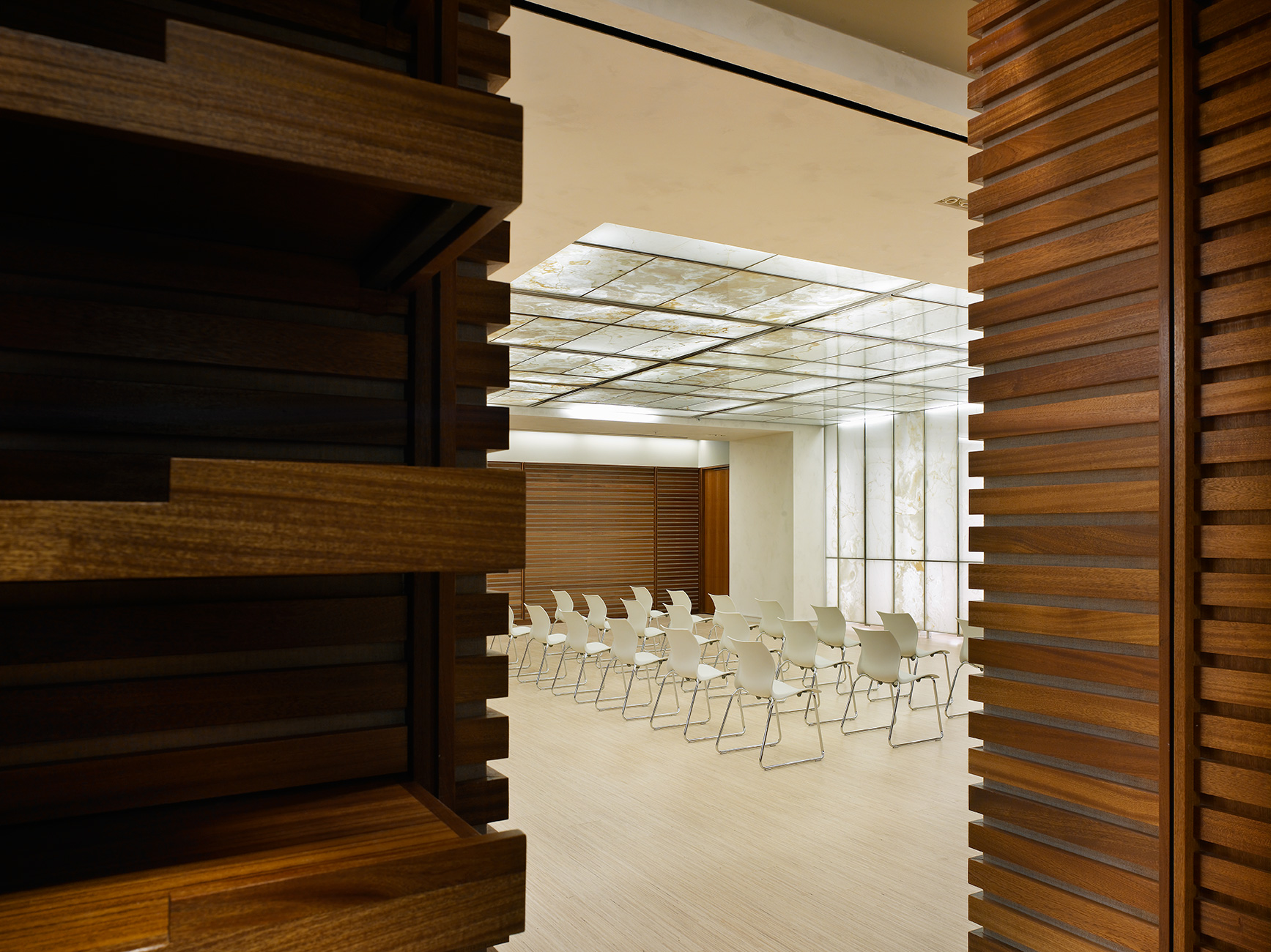
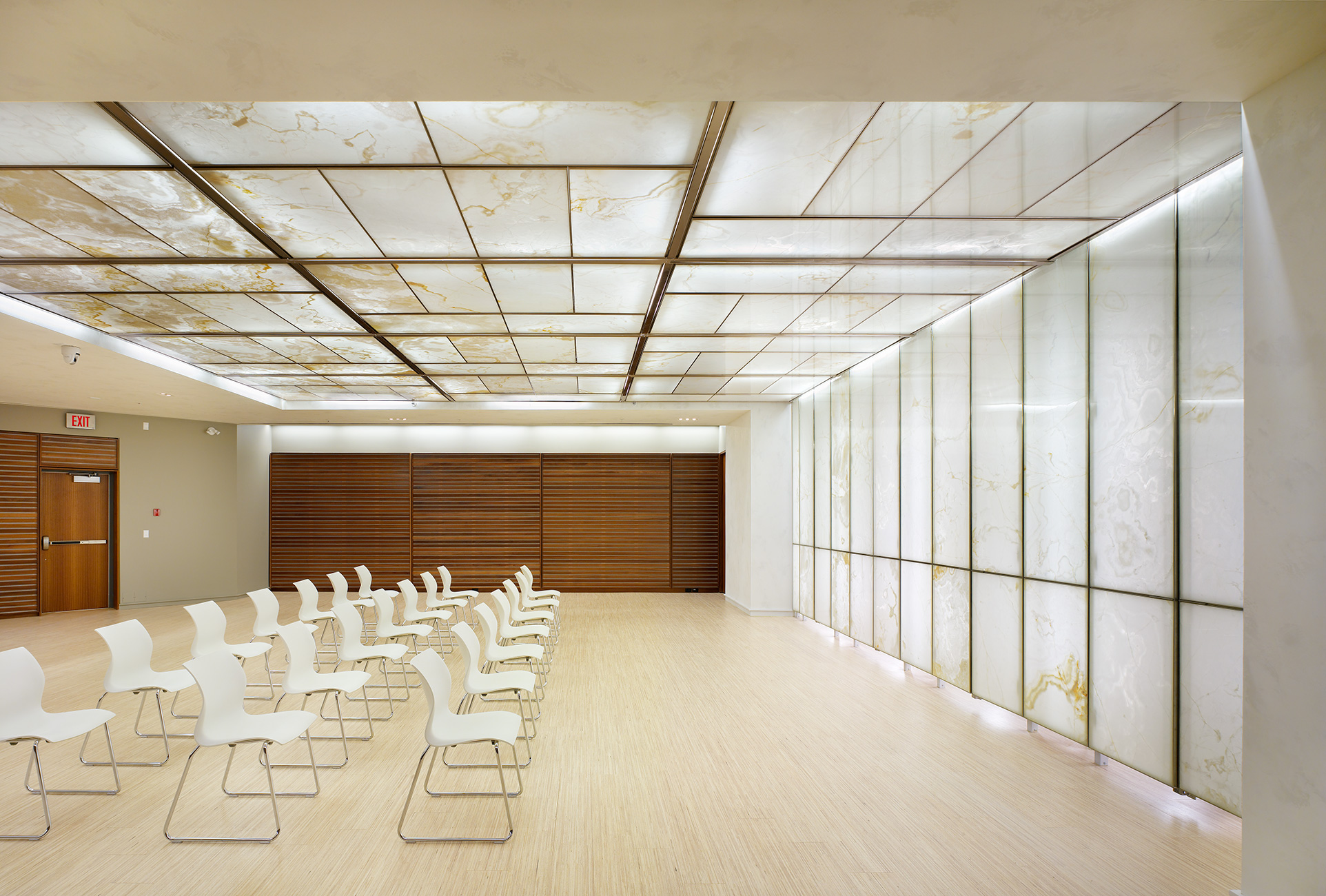
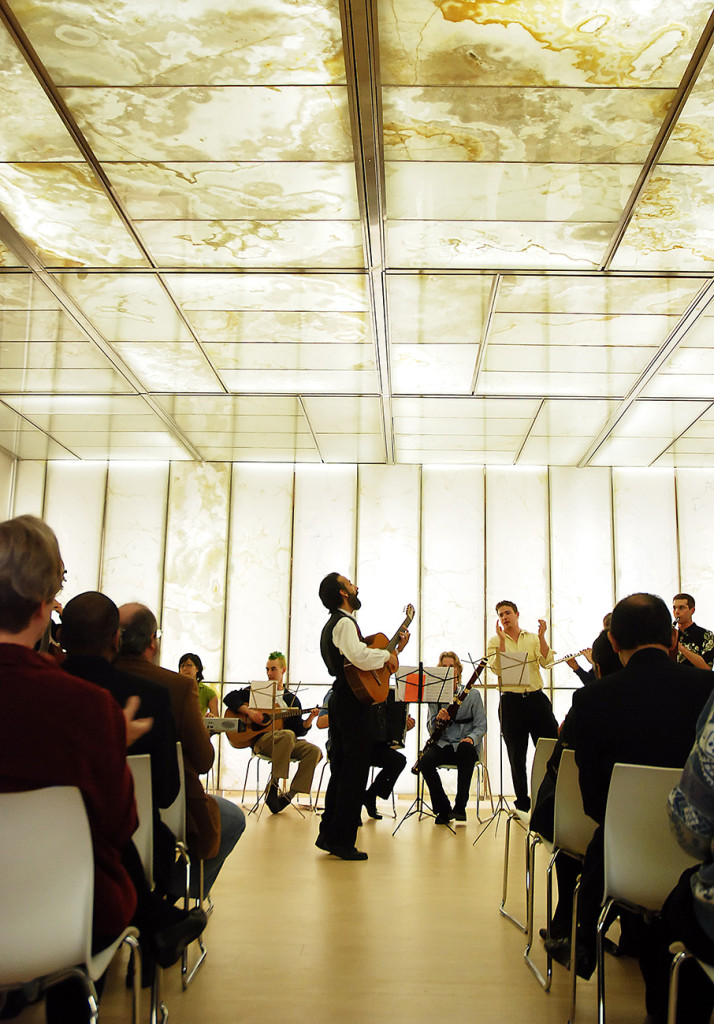
In a geopolitically charged world, the University of Toronto faced the challenge of accommodating spiritual pluralism within the framework of its secular mandate, while also creating opportunities for inter-faith dialogue and study. 13 years in the making, the design of the Multi-Faith Centre emerged as the solution to the burgeoning diversity and interest in the intersection of faith, spirituality, and university life.
2006
Hillfield Strathallan College


No items found.
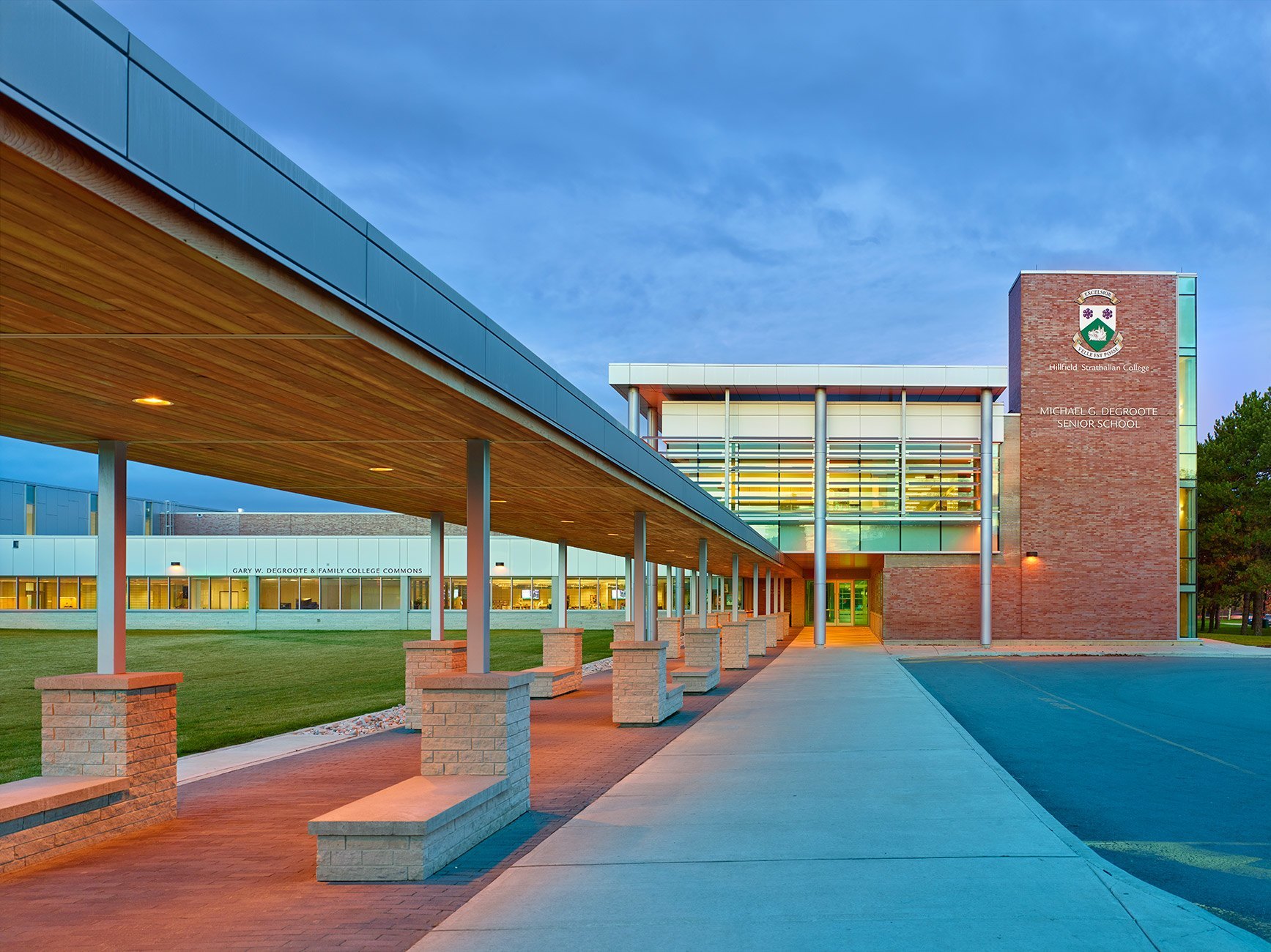
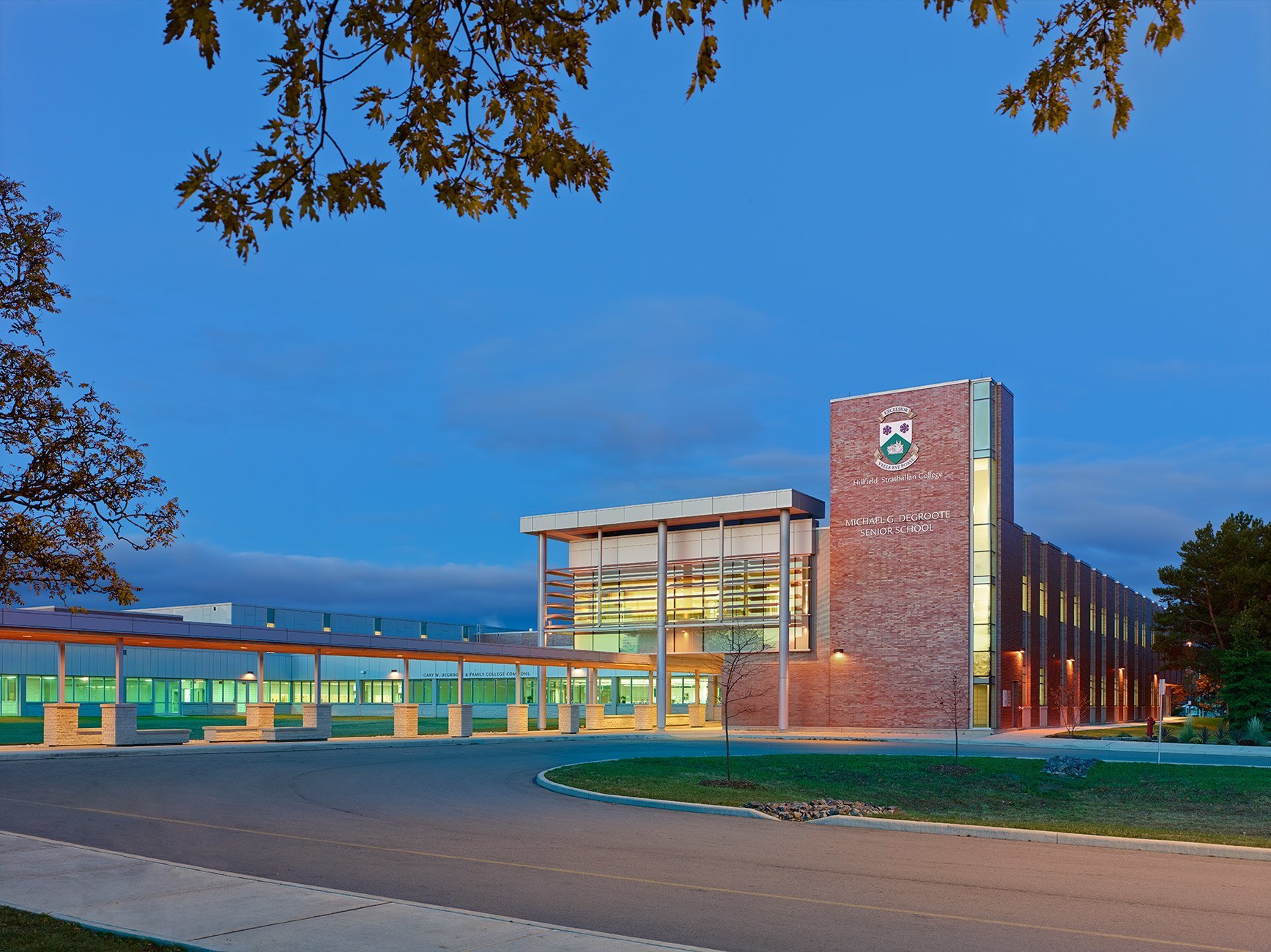
An institution with a long and distinguished history, Hillfield Strathallan College called upon Moriyama Teshima Architects to champion a new vision for a unified campus. The Michael DeGroote Senior School provides a student-centred facility that forms a new green heart for the campus through connections to the existing buildings.
2005
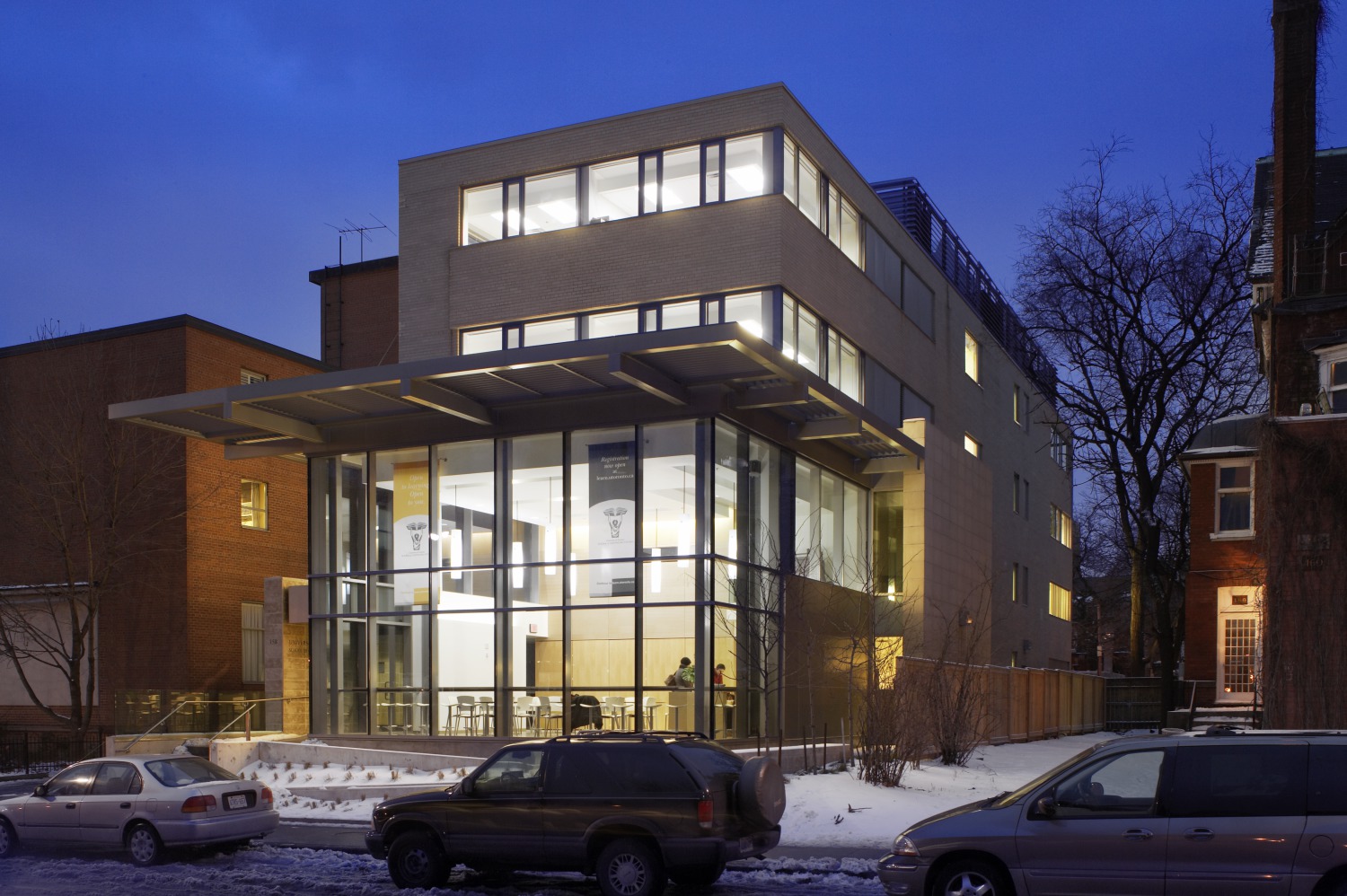
University of Toronto School of Continuing Studies Wins the OAA Design Excellence Award and Good Design is Good Business

No items found.
Canadian War Museum
No items found.
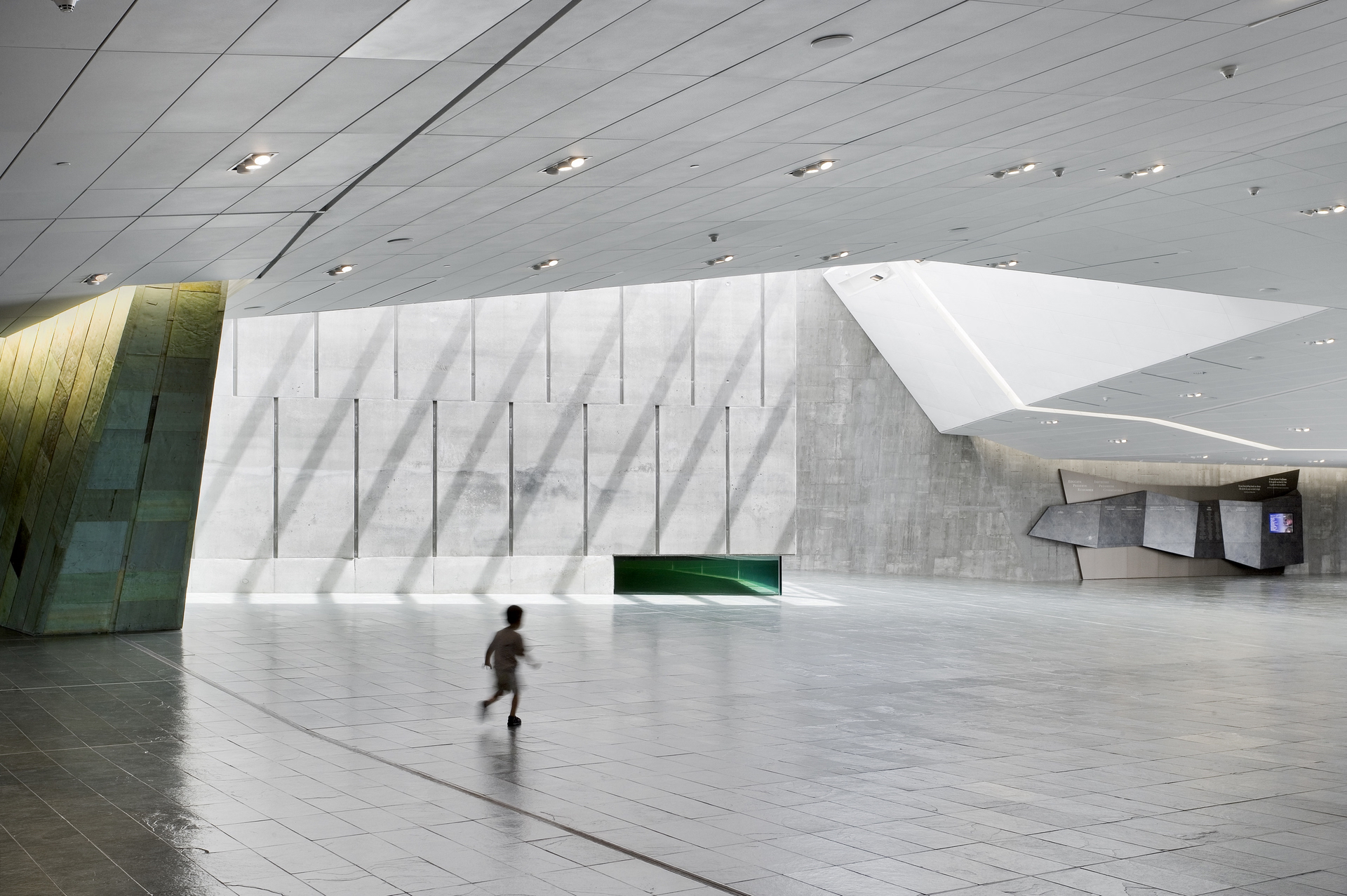
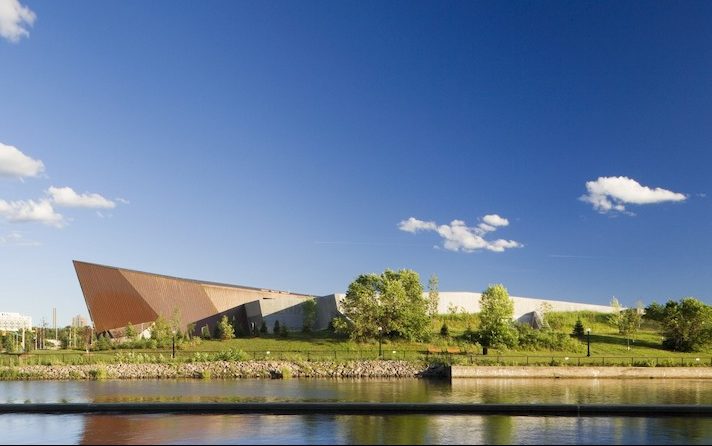
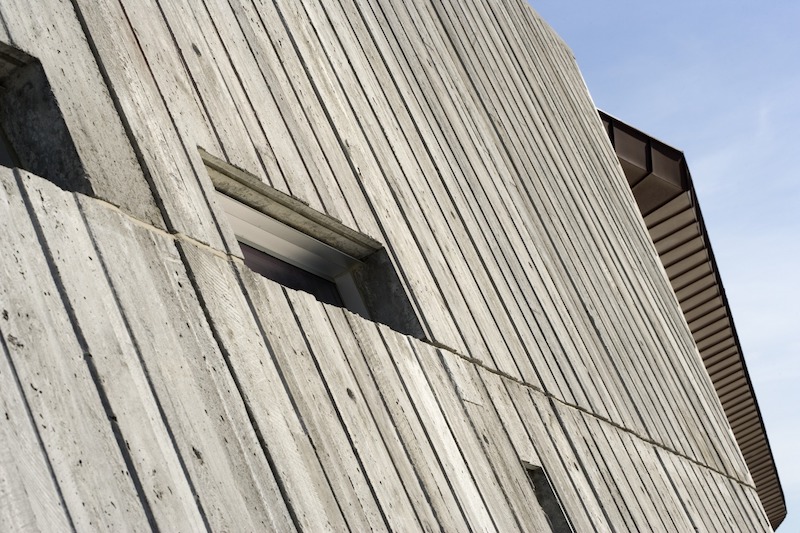
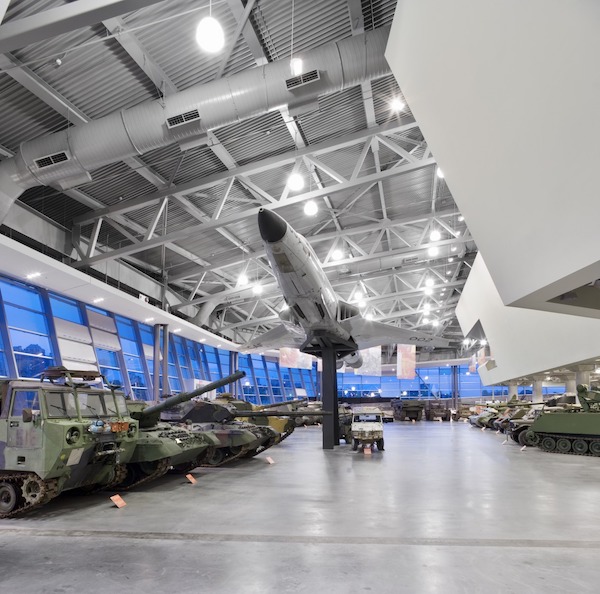
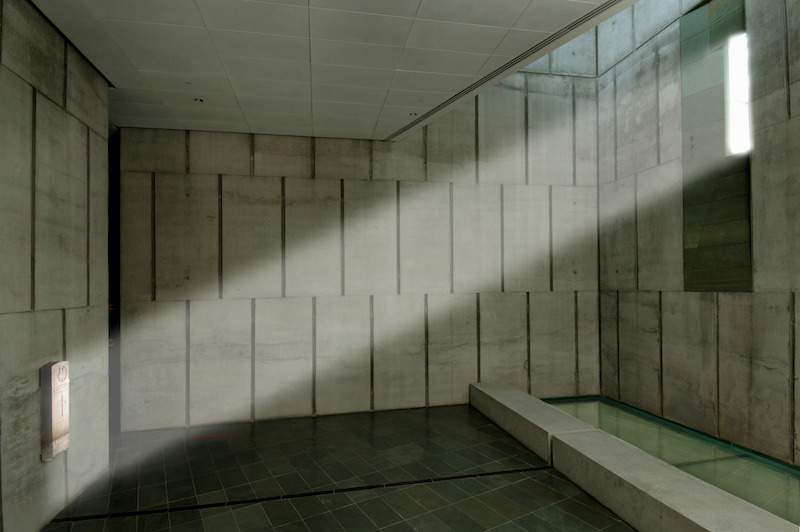
The Canadian War Museum (CWM) is one of Canada's national museums, including both permanent and temporary galleries, as well as an extensive artifact collection, storage, and conservation spaces. The CWM is the recipient of over fifteen national and international design awards, including a Governor General award, and several accolades for sustainable design.
2004
George Vari Engineering and Computing Centre
No items found.
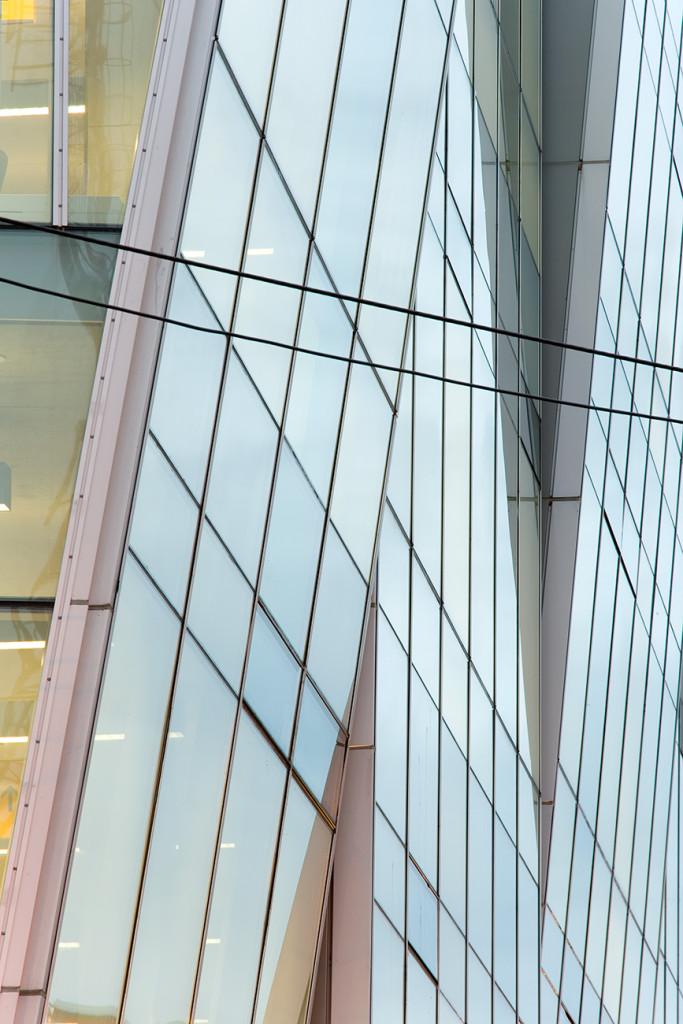
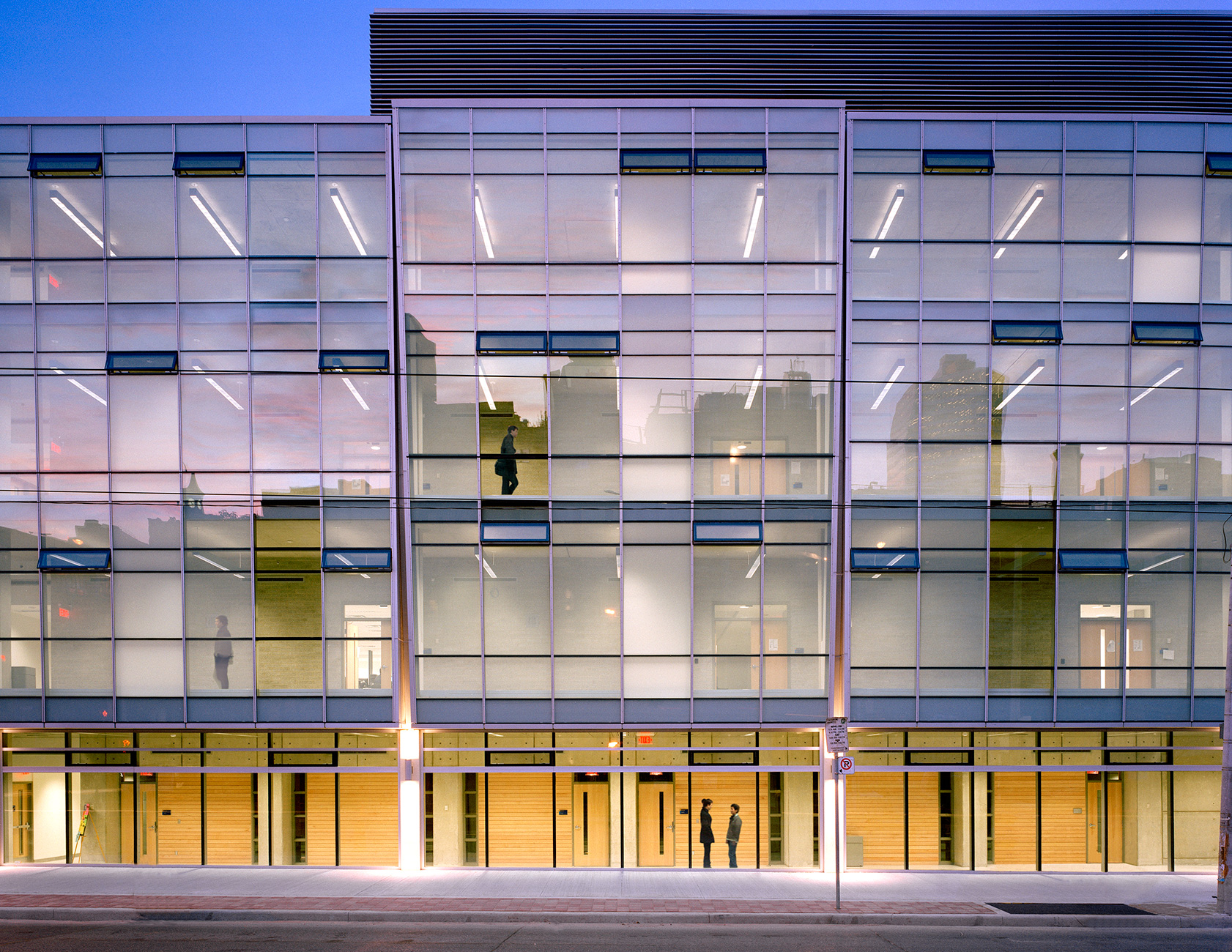
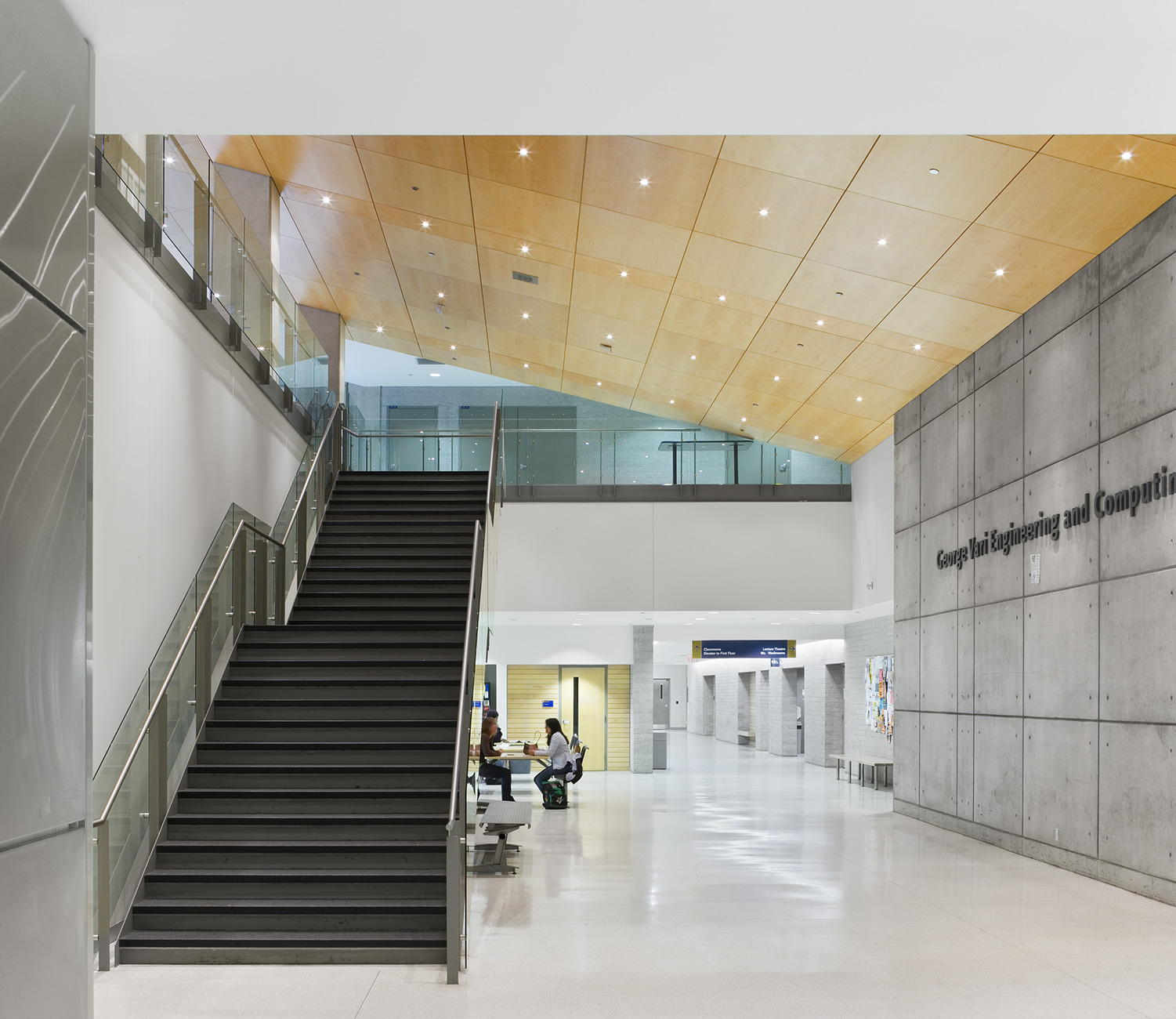
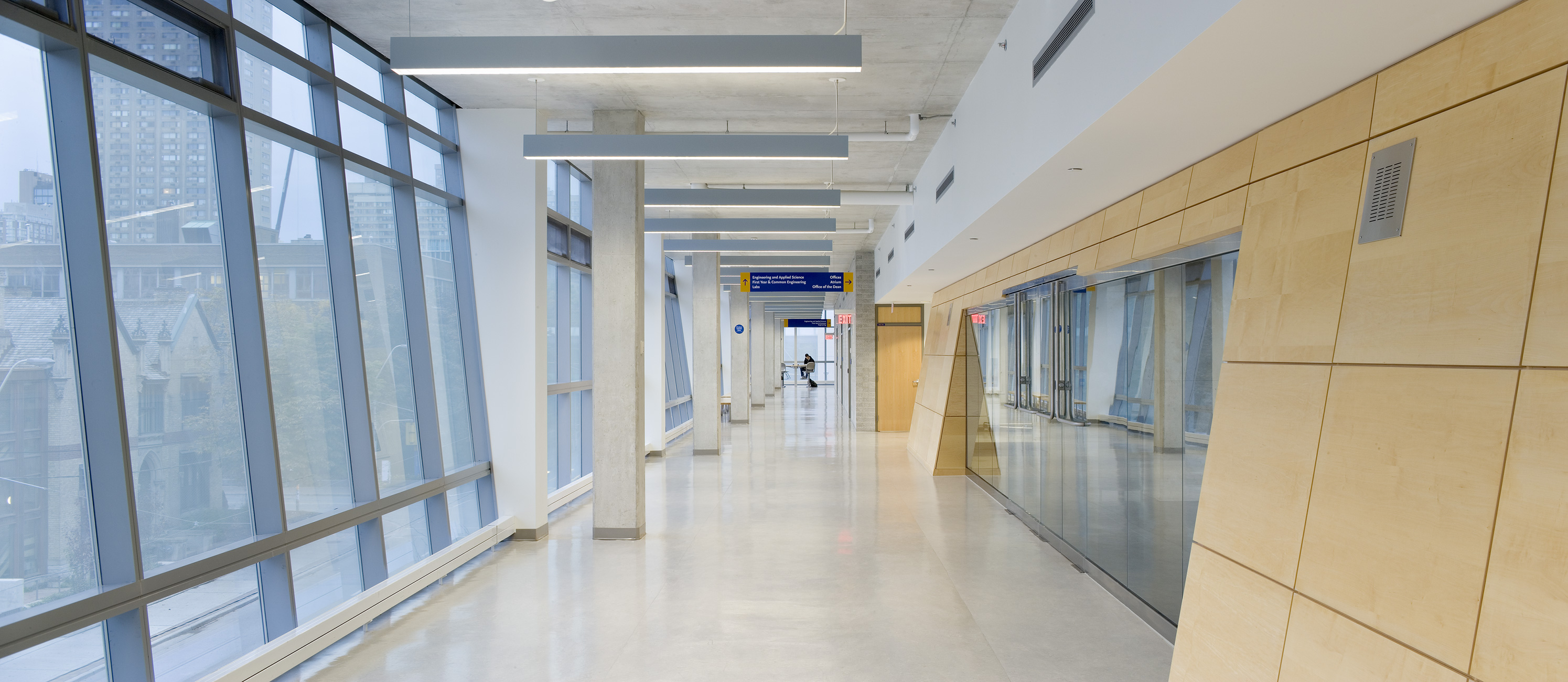
Toronto Metropolitan University's George Vari Engineering and Computing Centre serves 2,500 undergraduate and graduate students in engineering programs. To support TMU's rapidly growing education and research mandate, the Vari Centre includes state-of-the-art specialized facilities for student learning and research.
2003
TEL Building at York University
No items found.
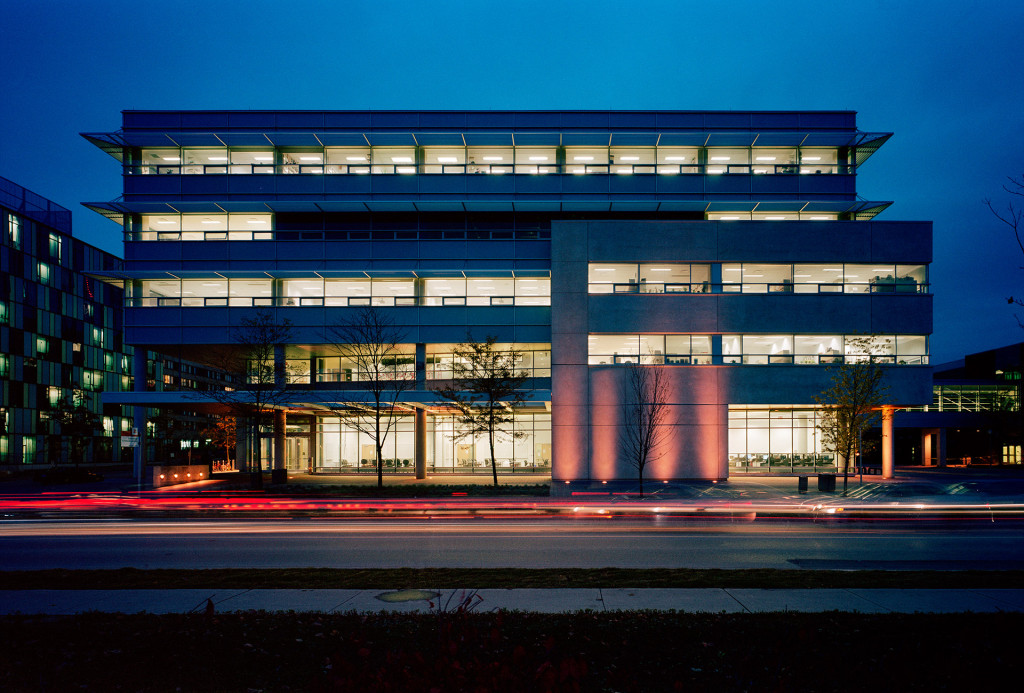
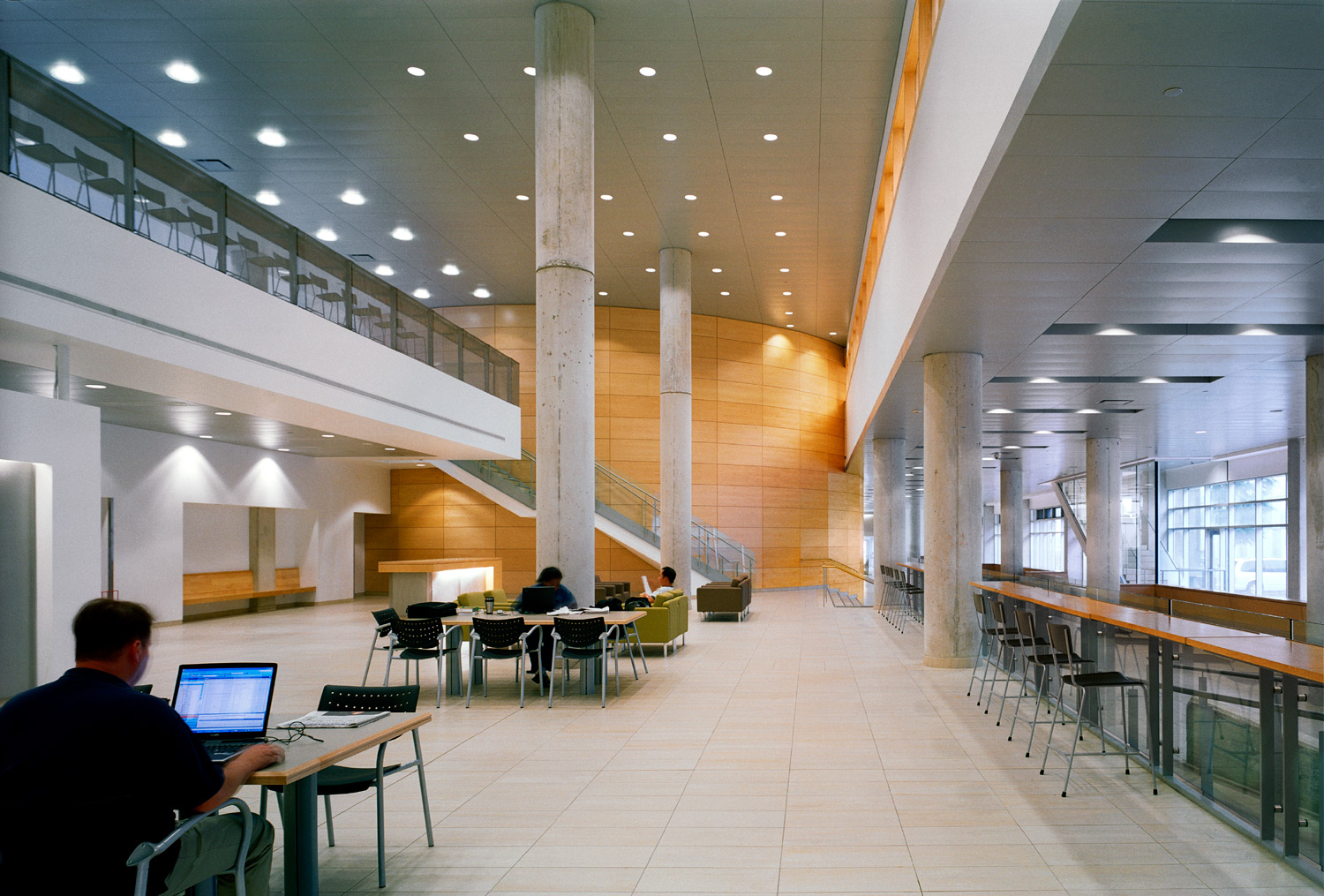
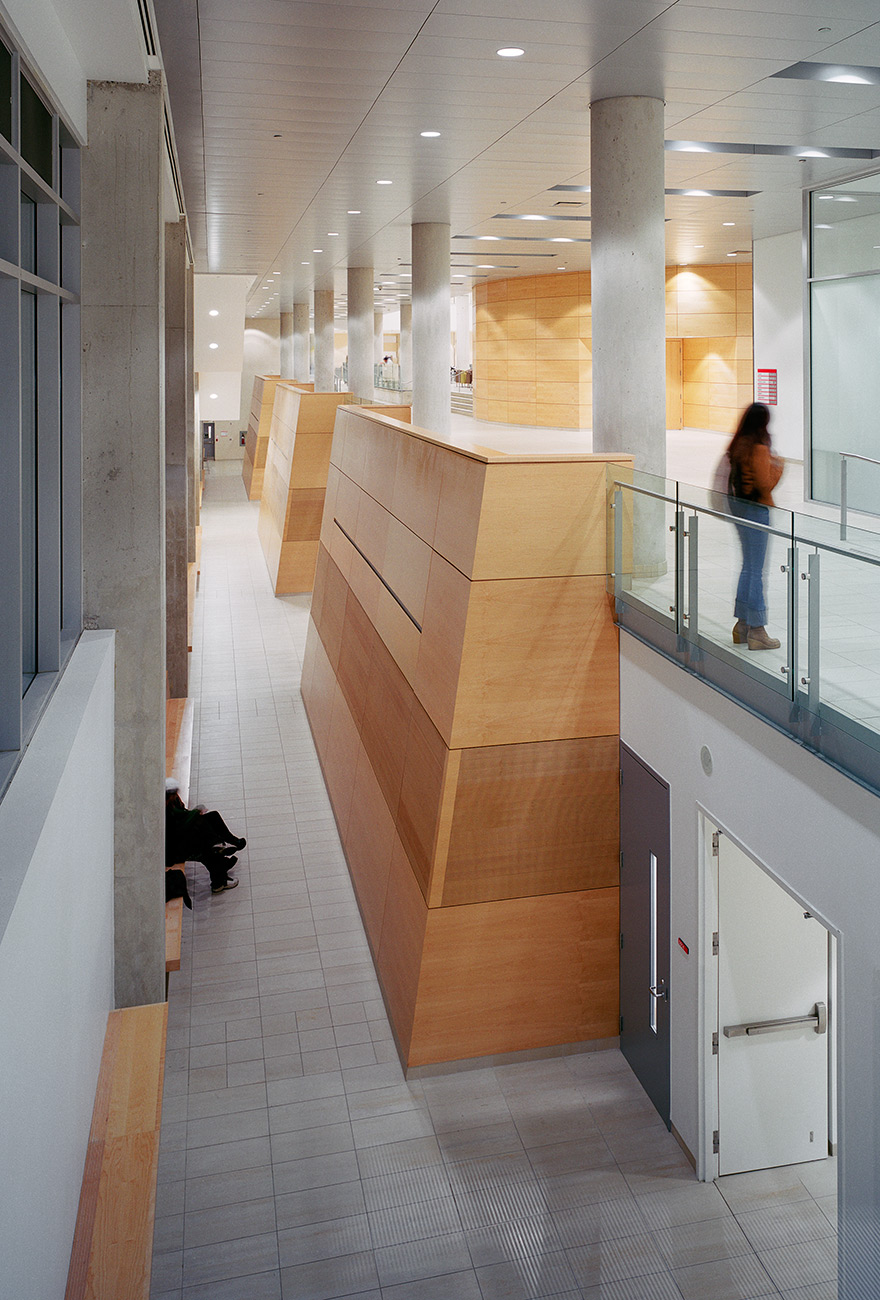
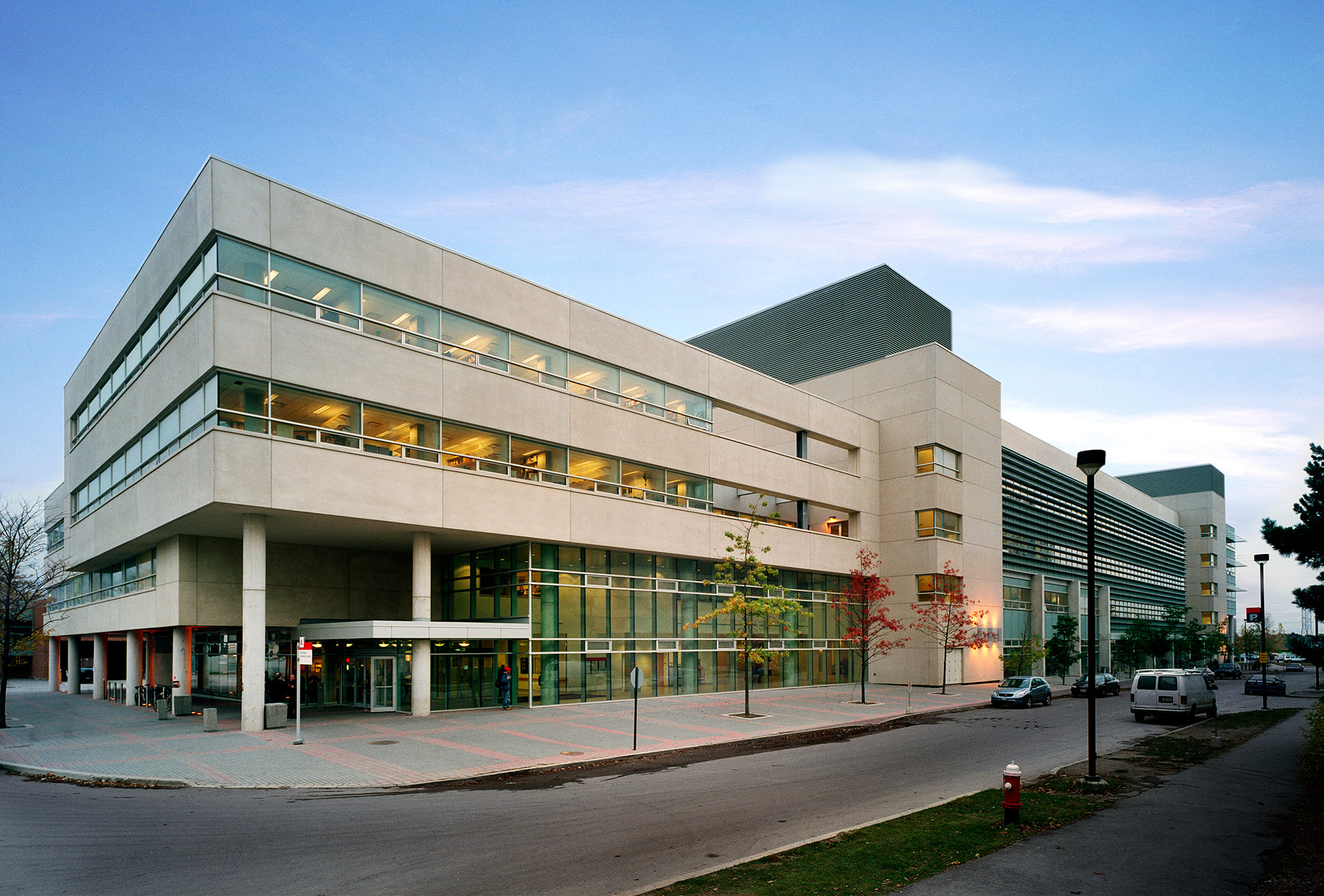
Located on the York University campus, the Technology Enhanced Learning Building (TEL) is operated jointly by Seneca College and York. One of Ontario's largest facilities for academic collaboration between a university and college, it houses 2,000 York and 2,000 Seneca students. This five-storey building reads as a series interlocking rectilinear volumes, highlighted by a textural mix of cladding choices that respect the surrounding architectural qualities seen on campus.
Noor Cultural Centre (formerly Japanese Canadian Cultural Centre)
No items found.
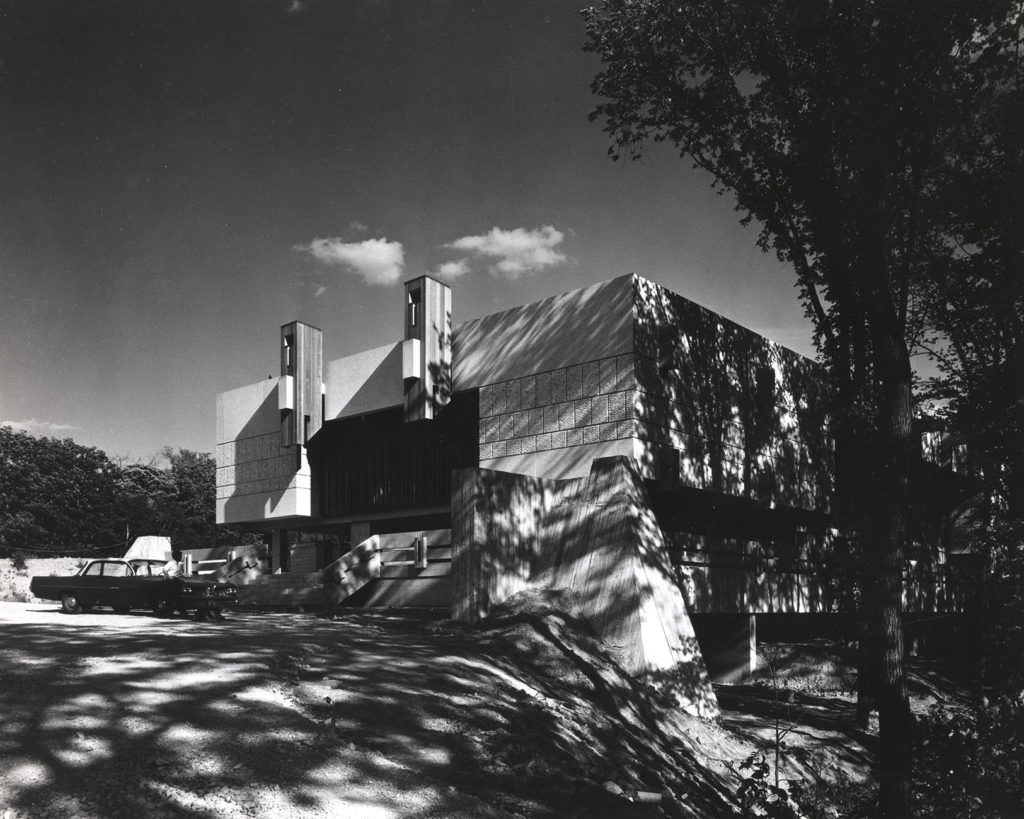
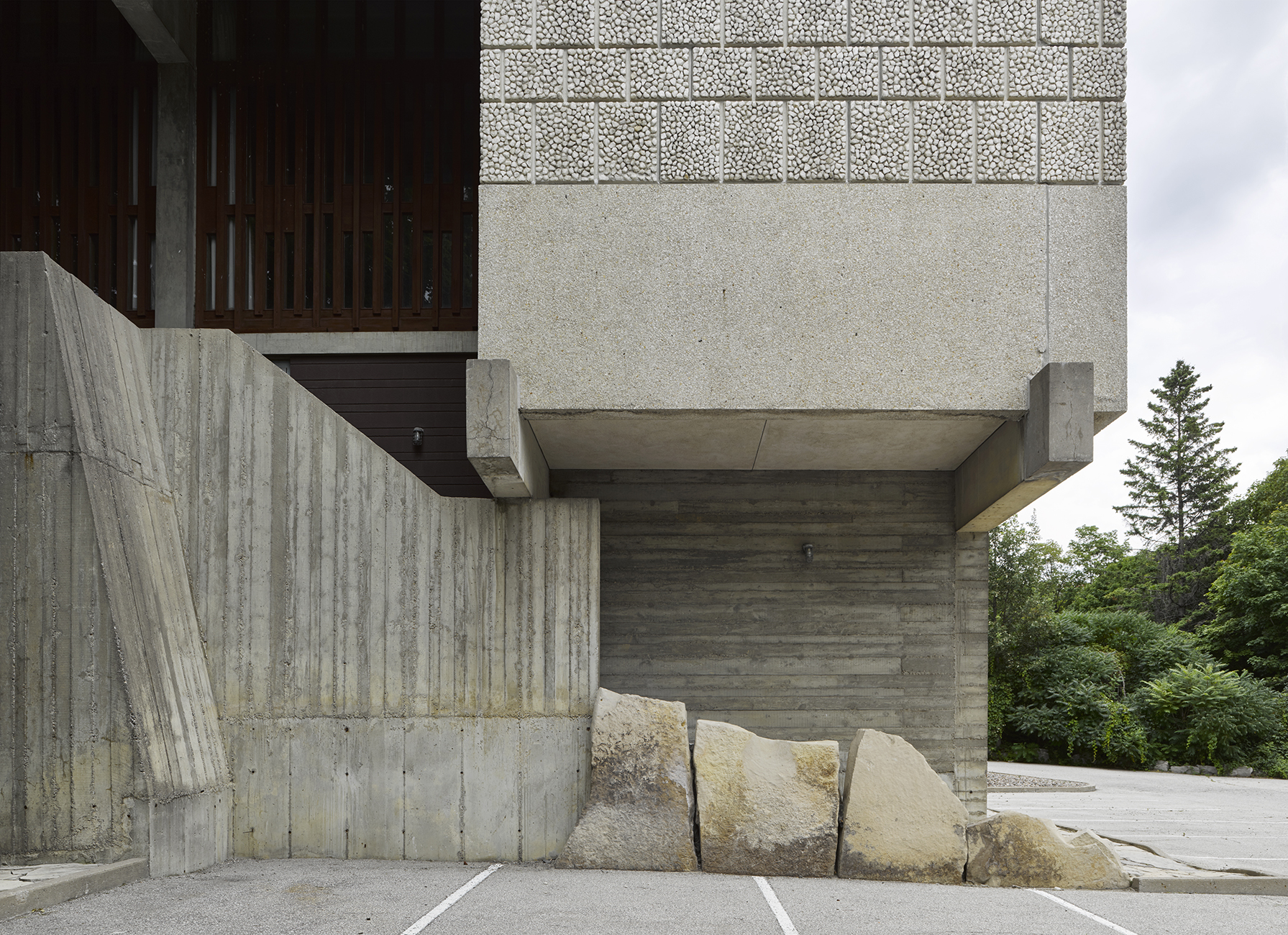
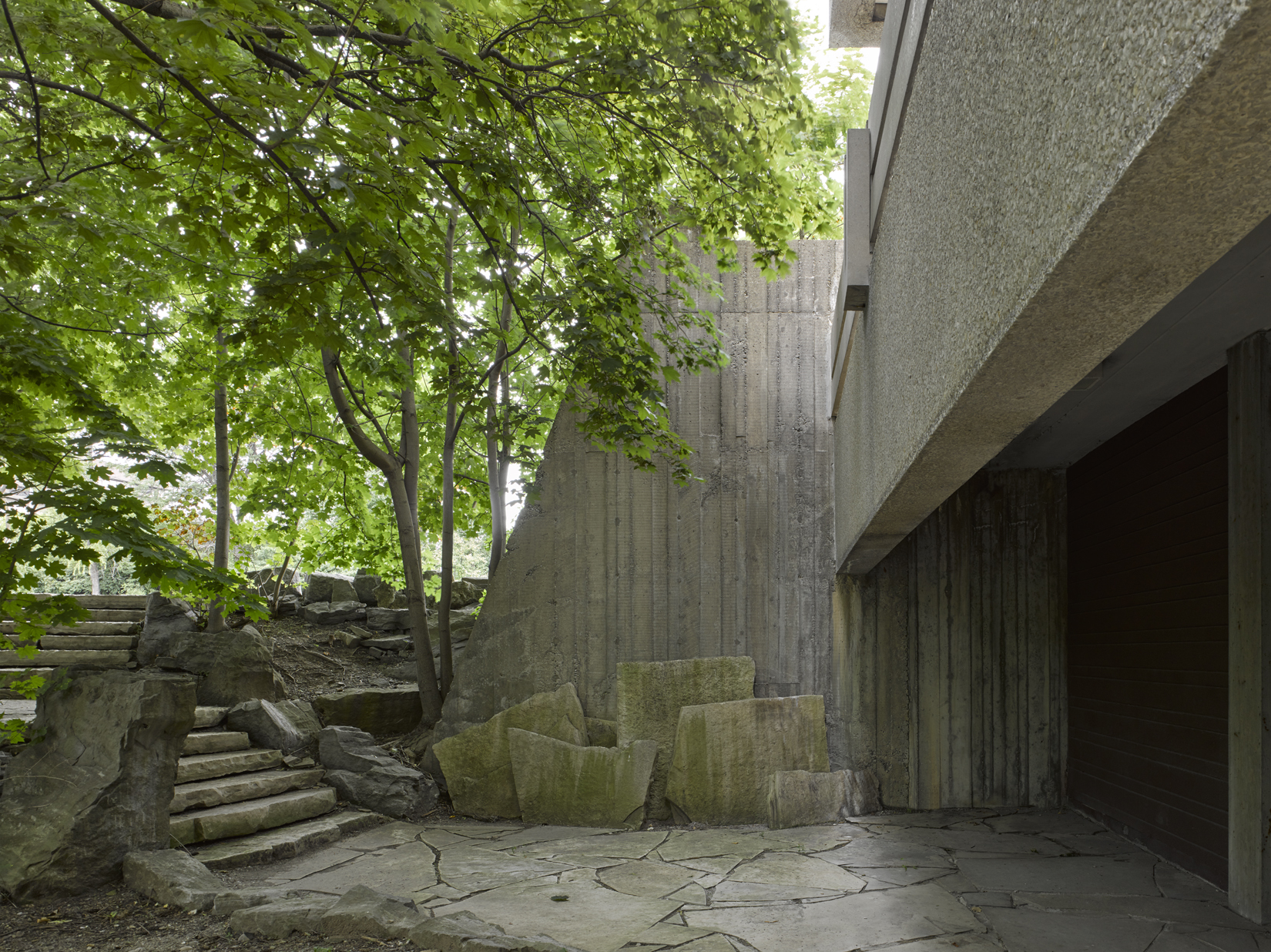
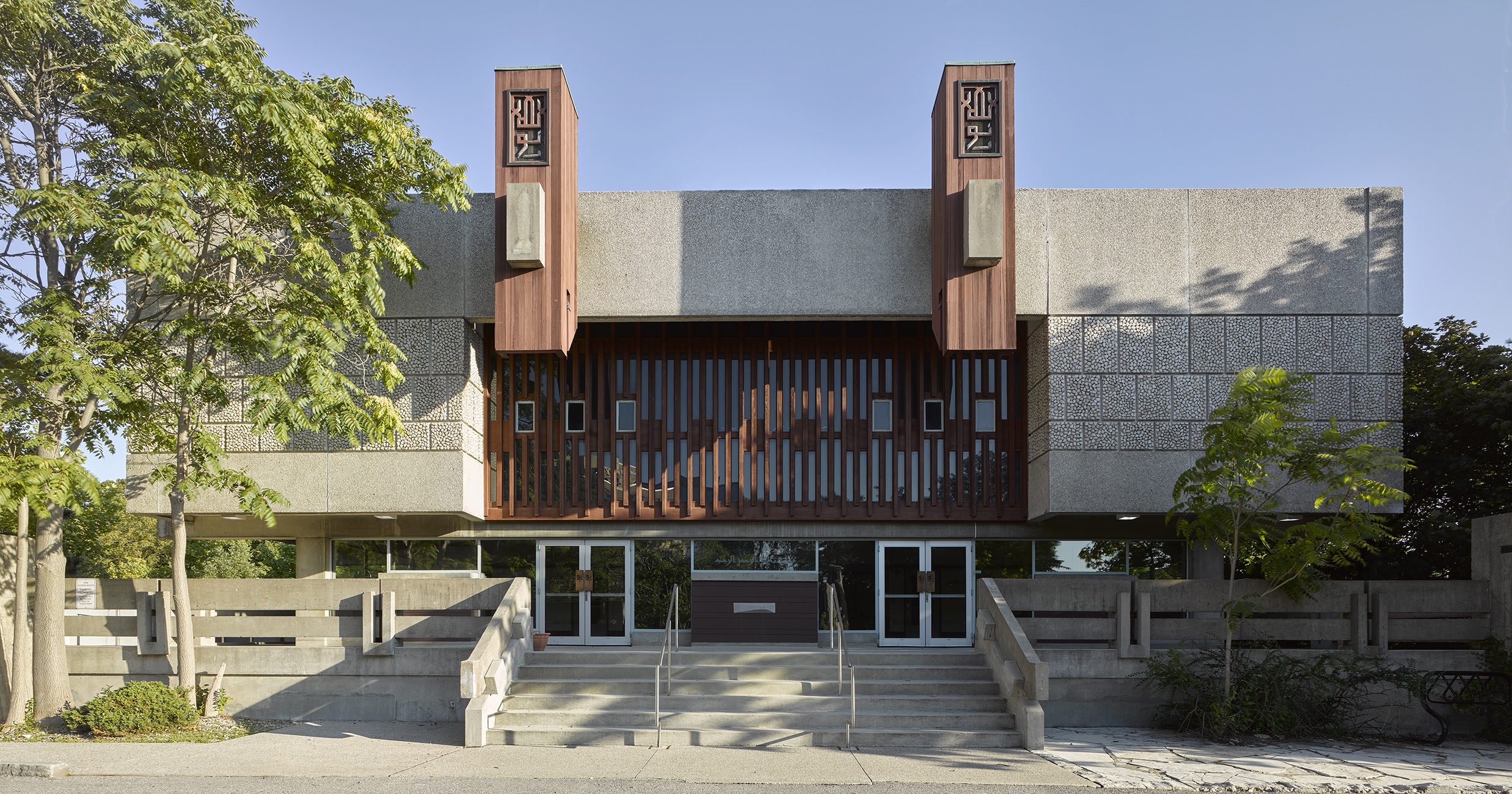
The Noor Cultural Centre (previously the Japanese Canadian Cultural Centre) was conceived by the members of the community after the Second World War when the wounds of Japanese Canadians were beginning to heal after years of internment. Time had come for the community to re-enter Canadian life and take its place within the cultural mosaic -- its proportion and fine detail serve as gentle reminders of connections to the past and to Japan.
2002
McMaster University Student Centre
No items found.
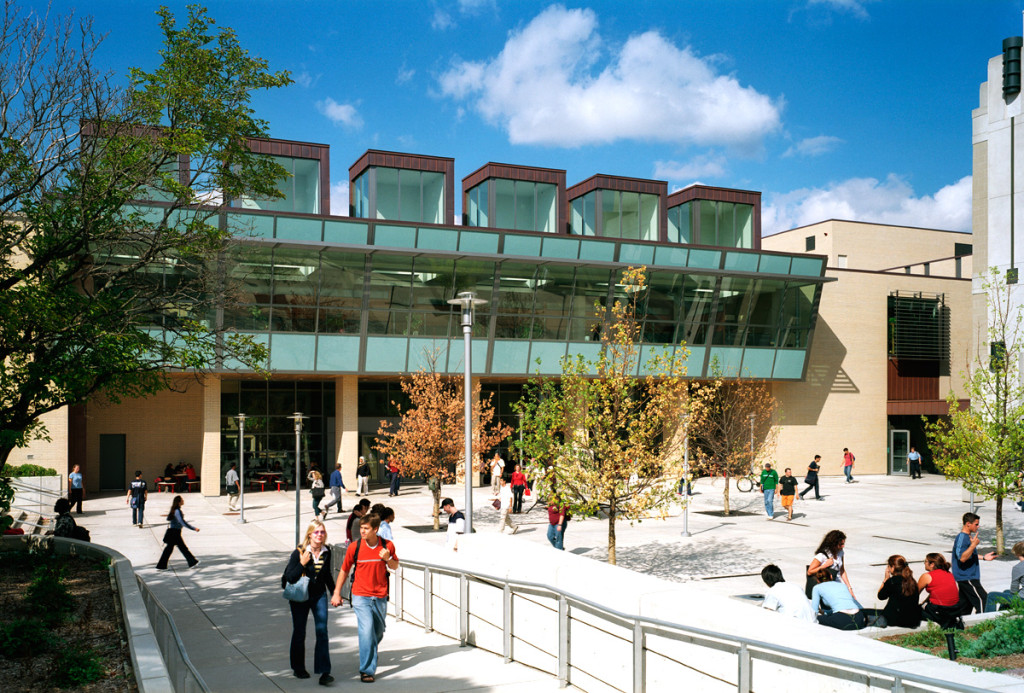
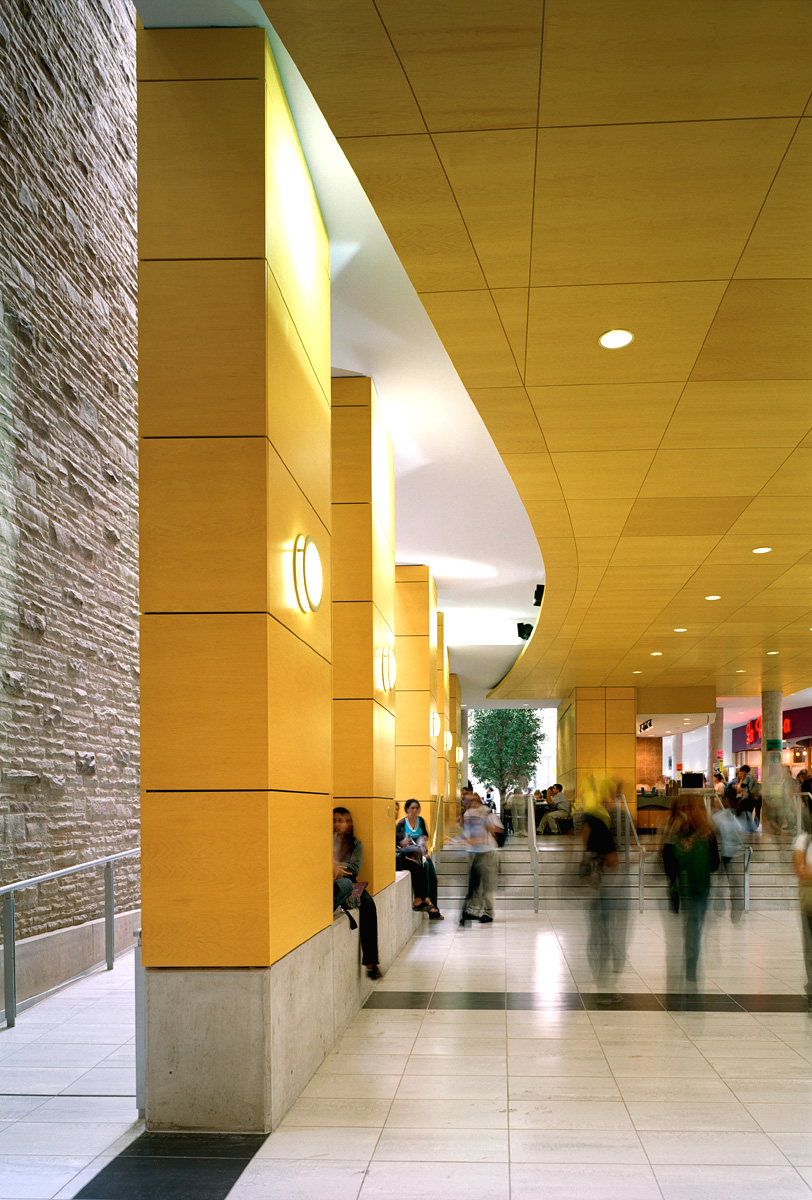
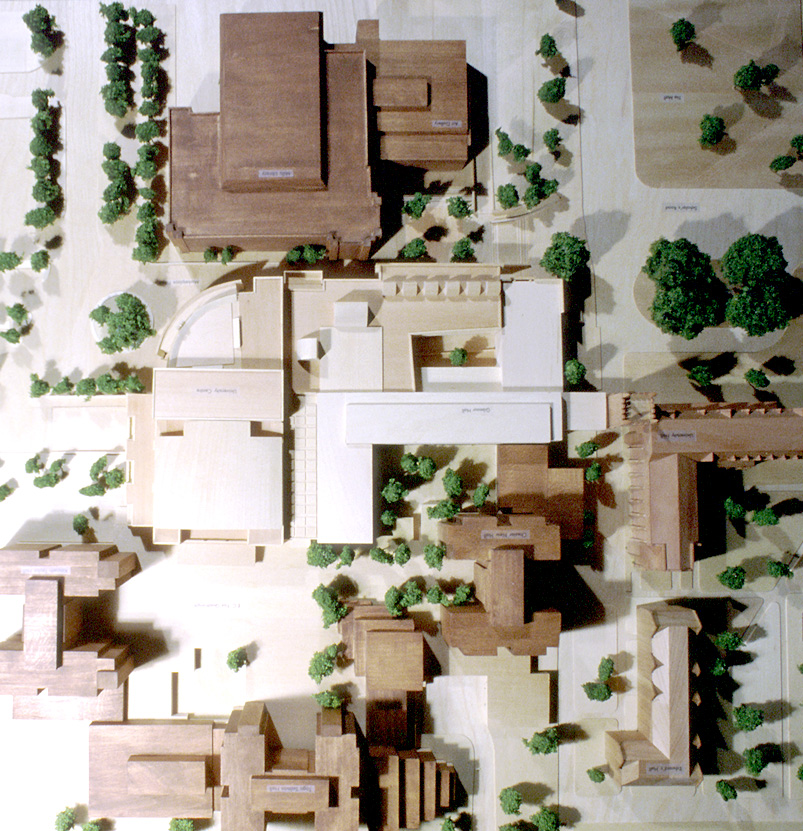
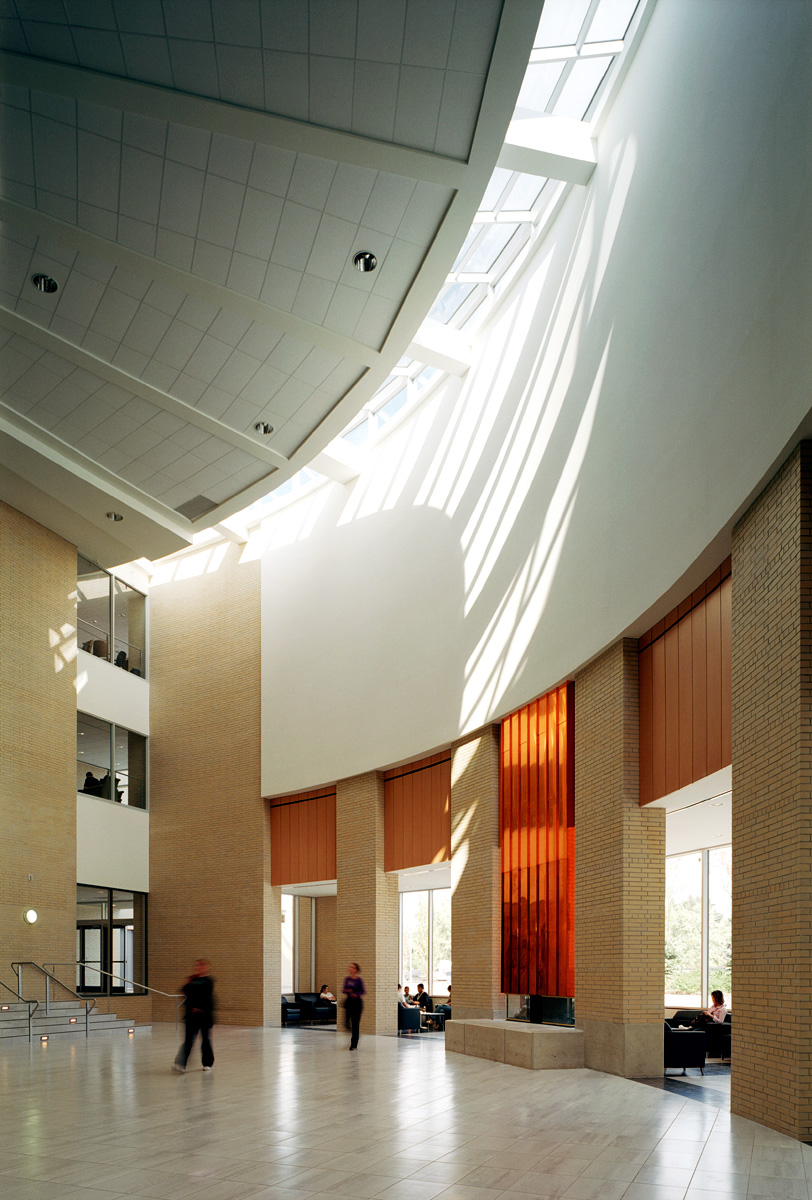
A vibrant hub of social and cultural life on campus, the McMaster University Student Centre physically integrates two significant heritage buildings: the 1930 University Hall and the 1965 Gilmour Hall. A three-level atrium with a glass roof forms the building's central dining room and gathering area; within this bright, airy space a green canopy of indoor trees shelters the seating below and establishes strong connections to nature.
Student Centre, Brock University
No items found.
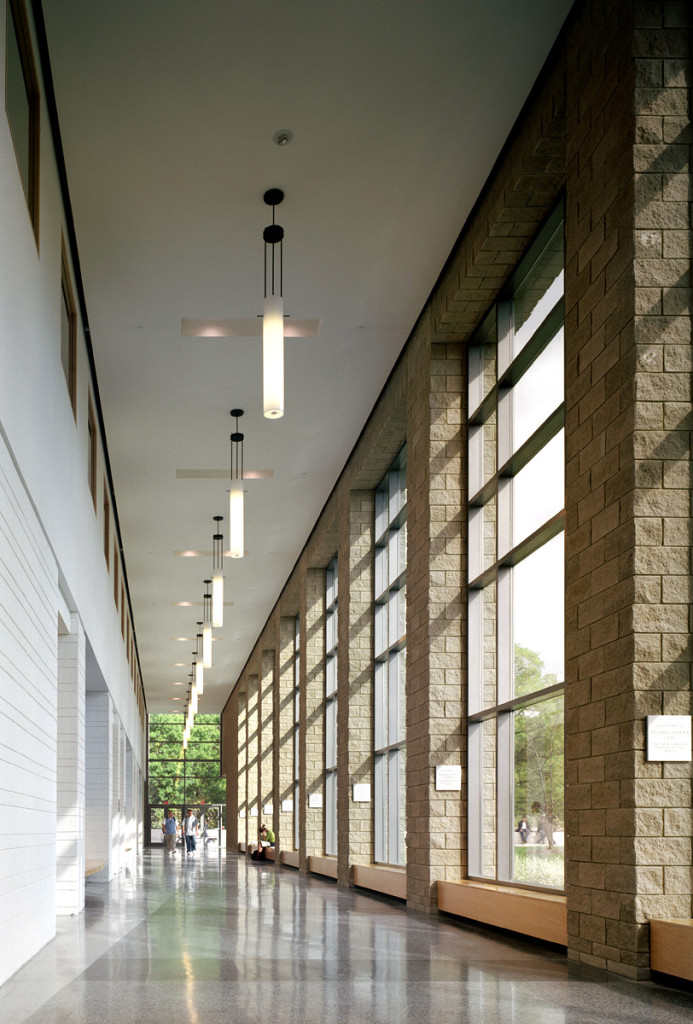
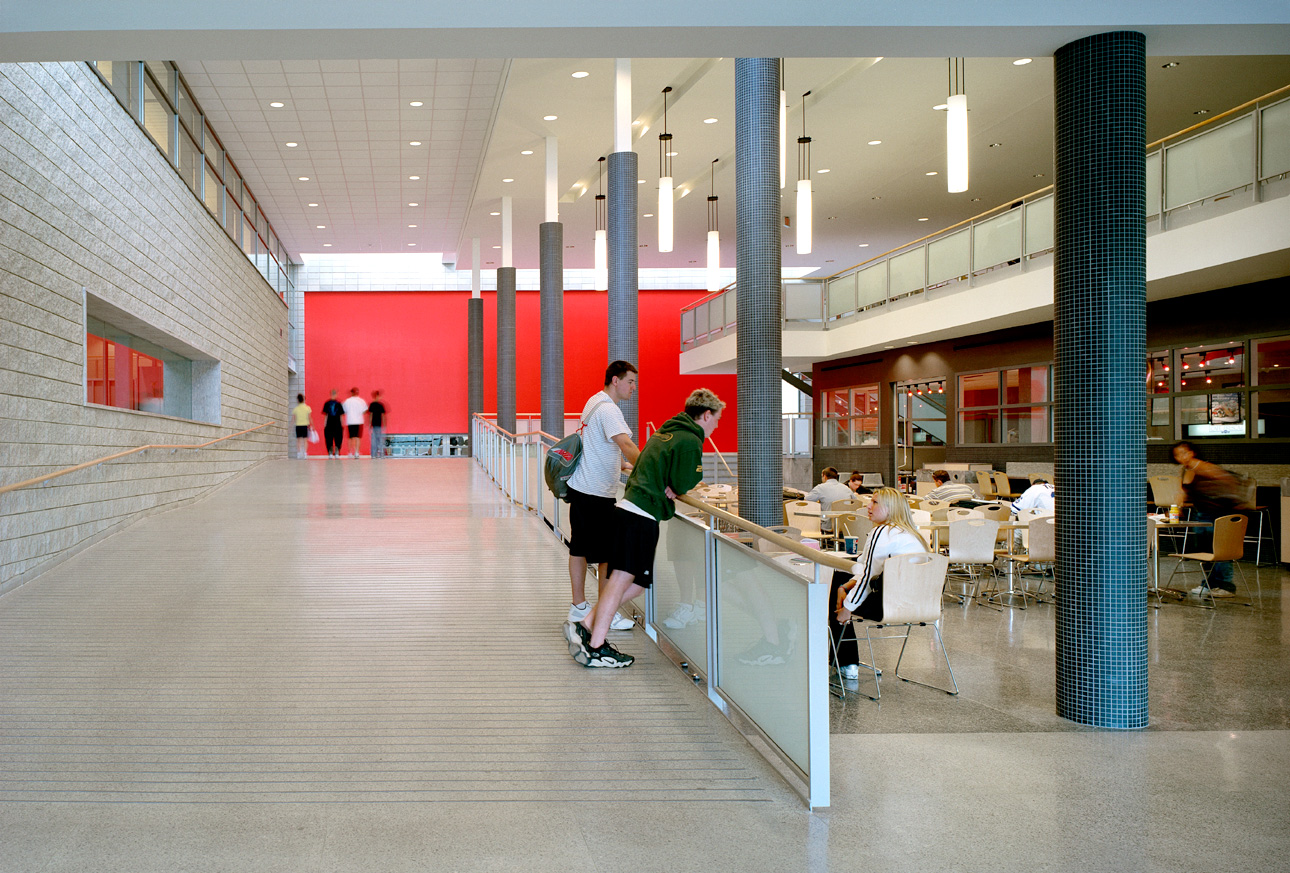
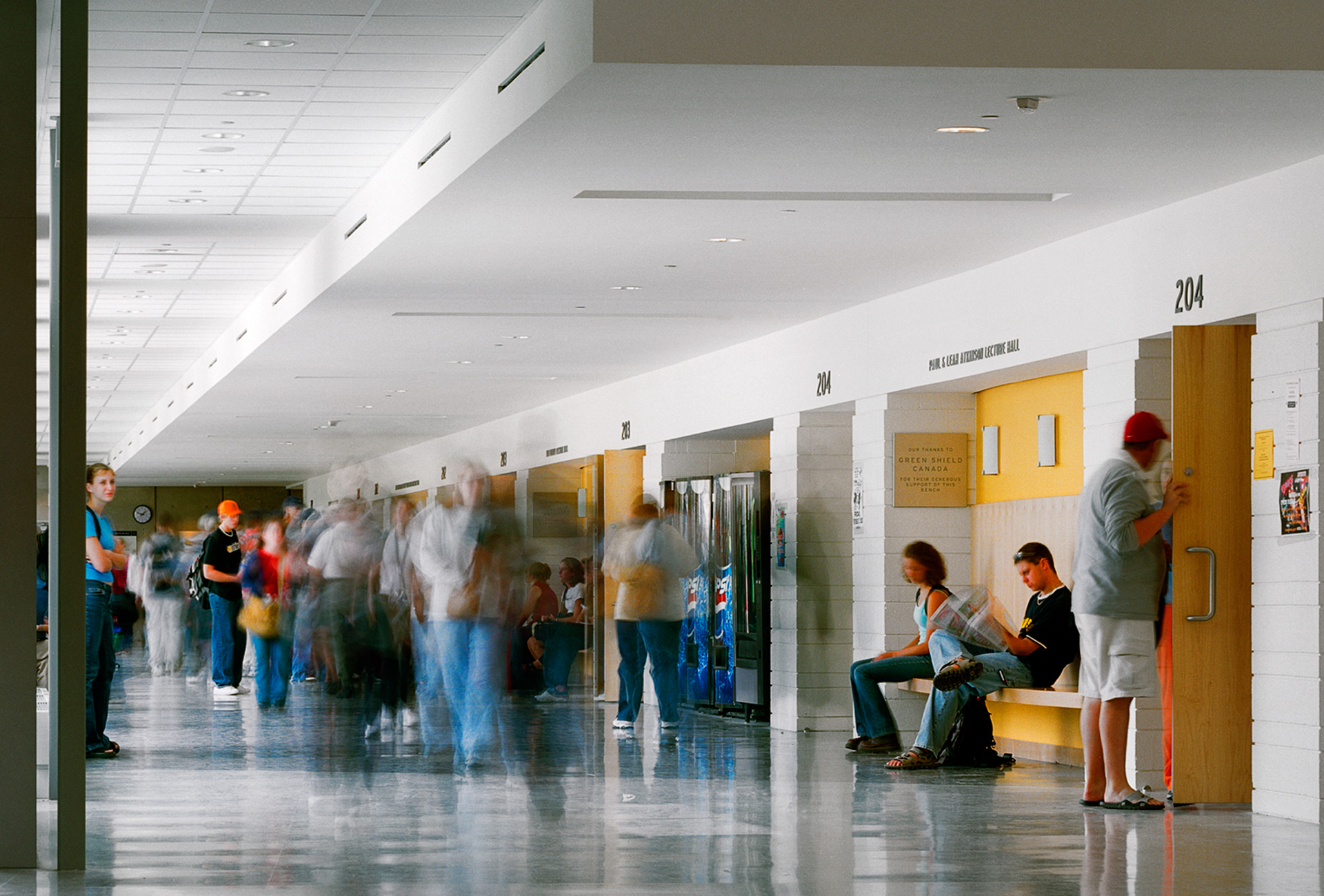
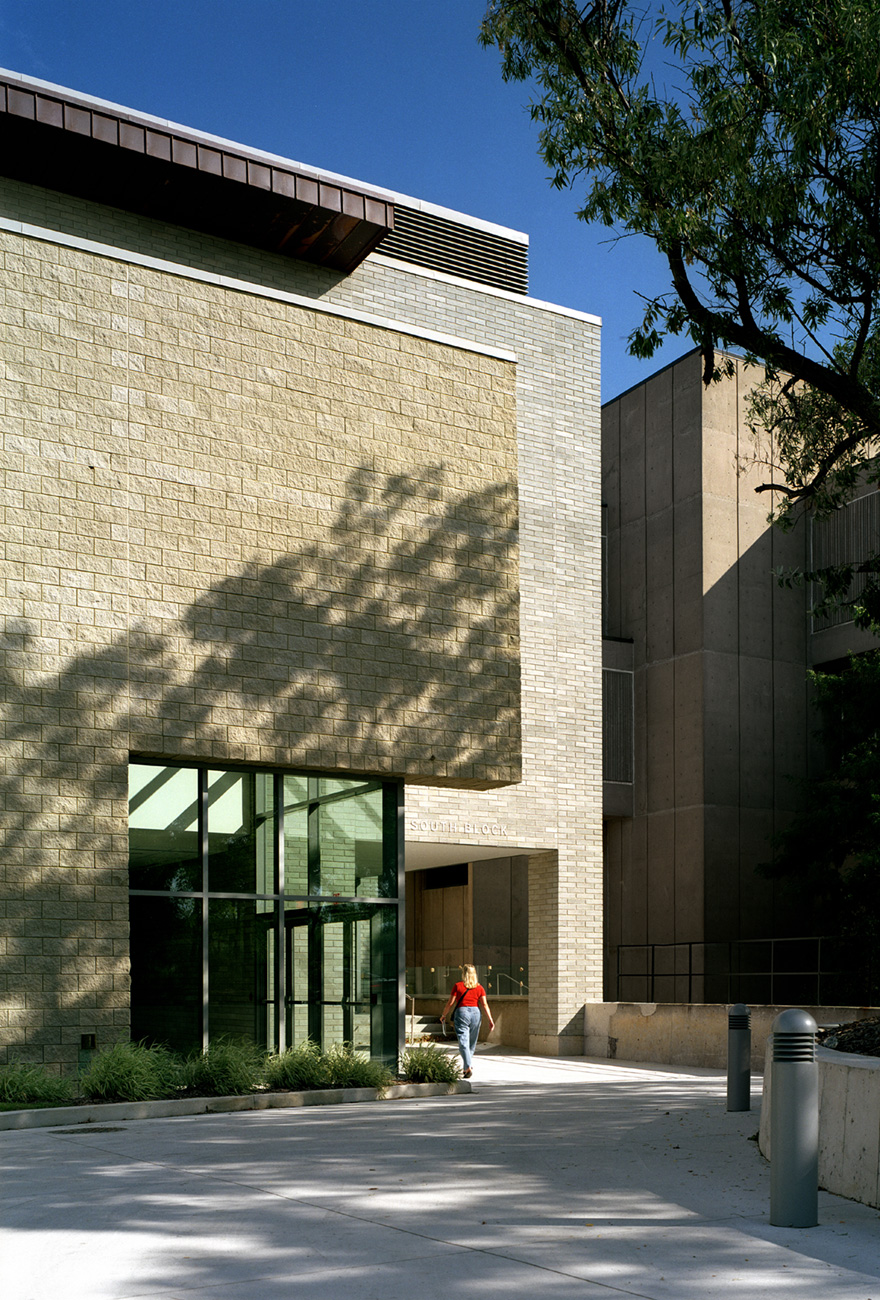
The Student Centre is connected to the Taro Building, a project also designed by Moriyama Teshima Architects, by a second-level glass-enclosed bridge that functions as a portal leading into an outdoor landscaped commons. Together, the two buildings anchor the campus's south-east corner, providing a stepping-off point for future expansion.
Walker Health & Fitness Complex, Brock University
No items found.
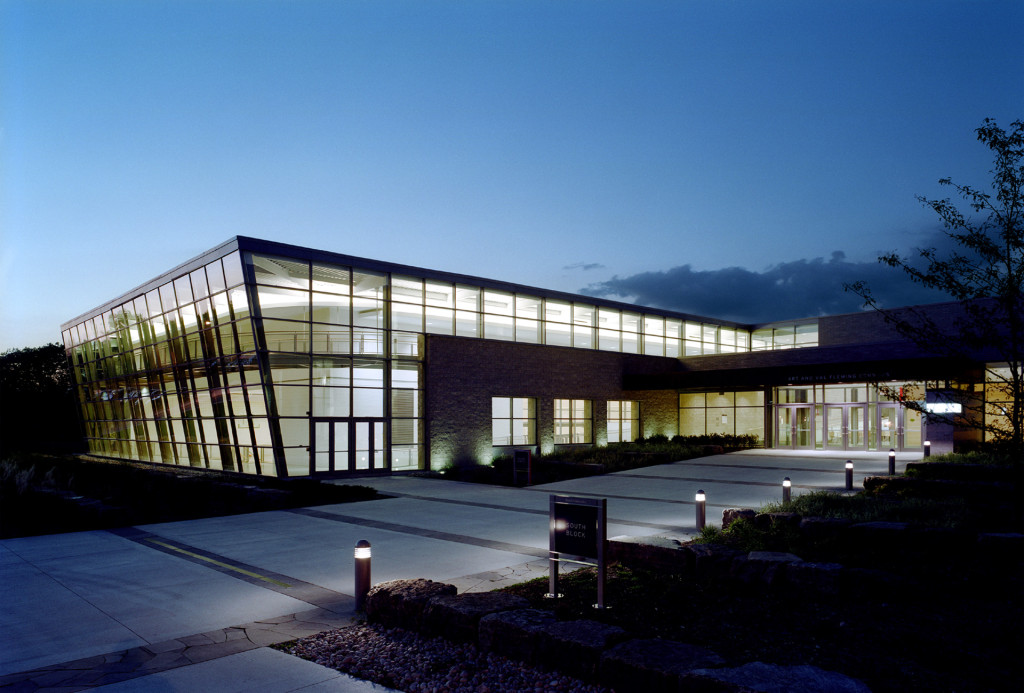
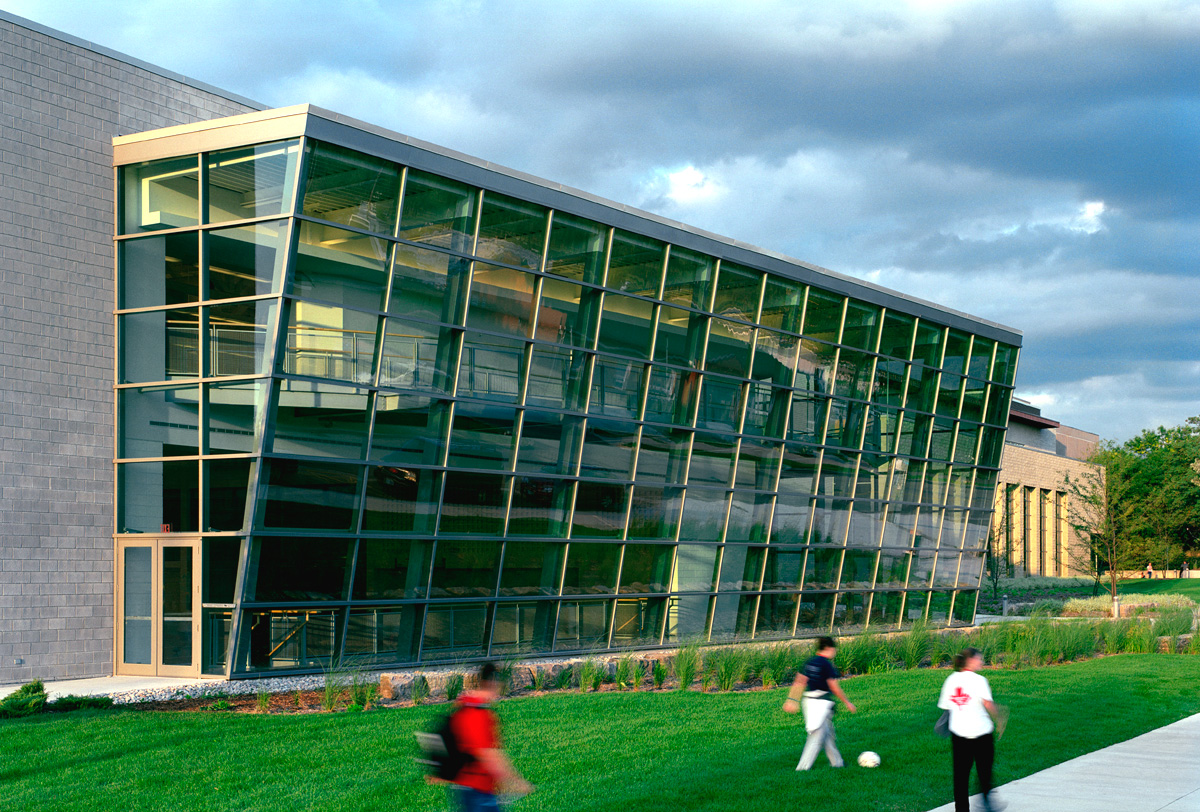
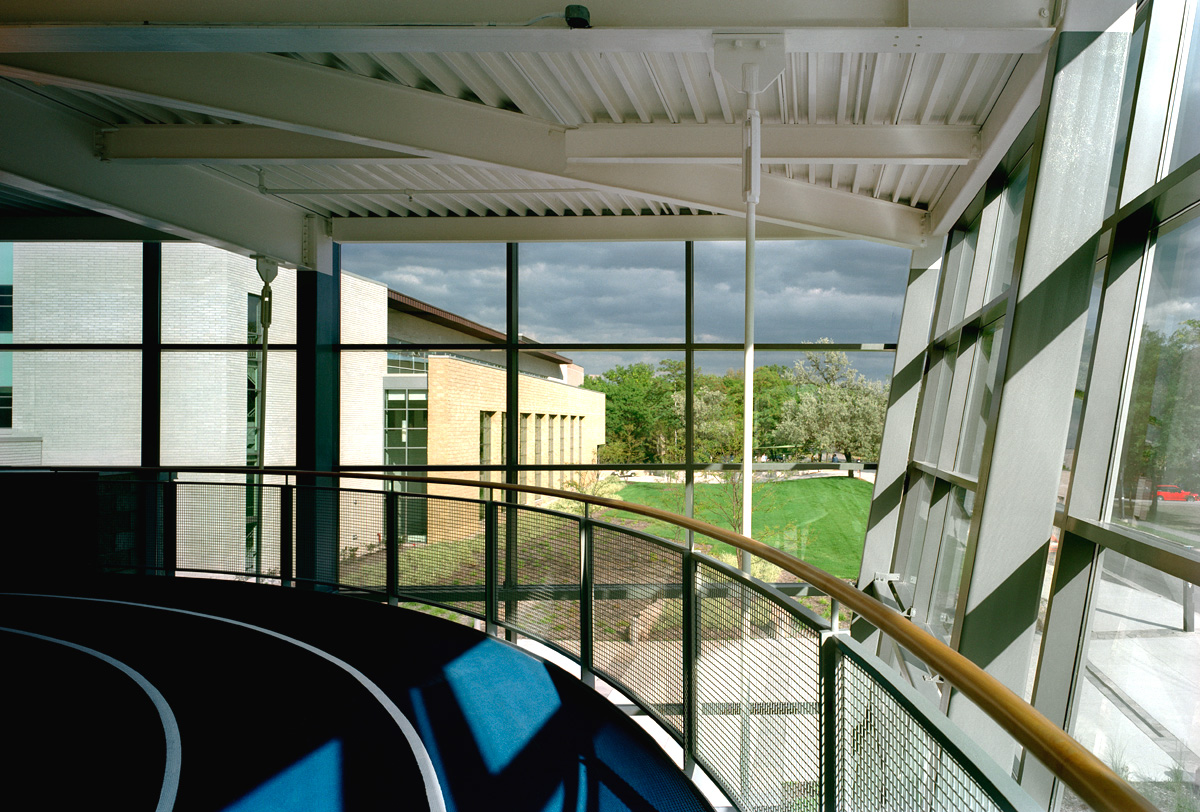
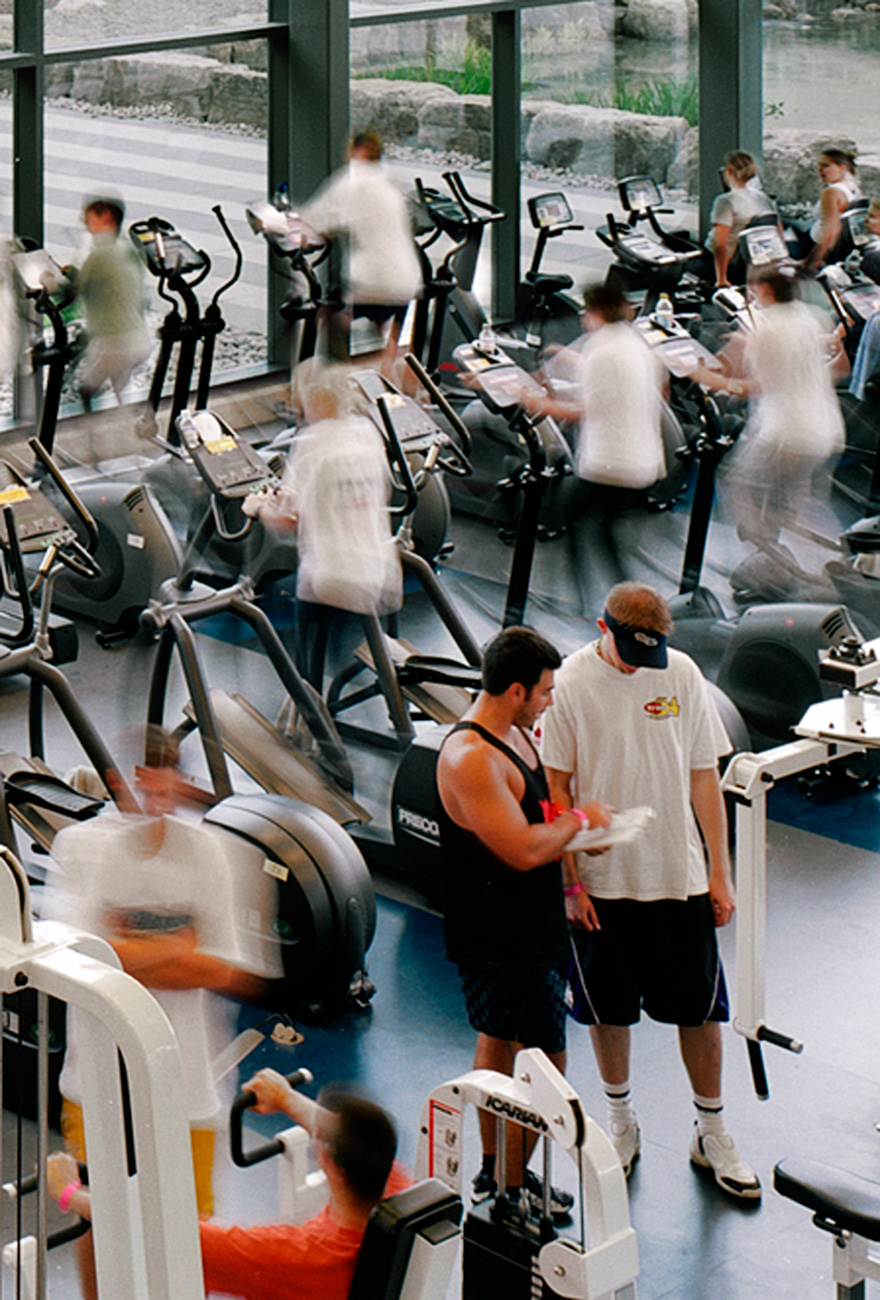
The Walker Health & Fitness Centre is one of seven buildings that Moriyama Teshima Architects has designed at Brock University. The facility is connected to the South Academic Block; both buildings have large expanses of glass to admit natural light and to welcome potential users from the university and the community at large.
1999
National Museum of Saudi Arabia
No items found.
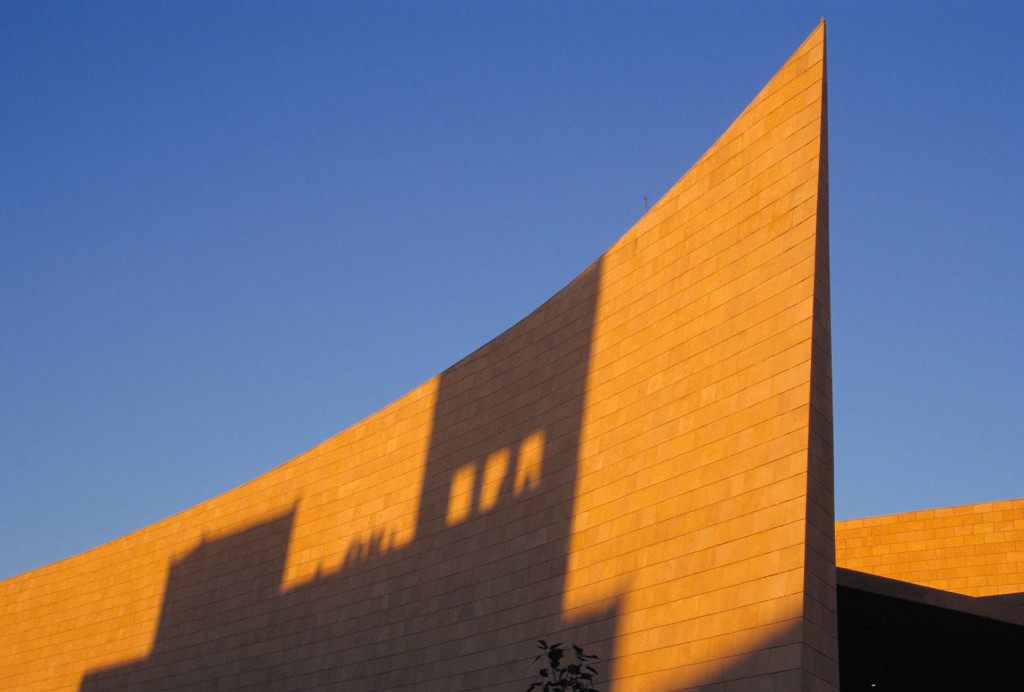
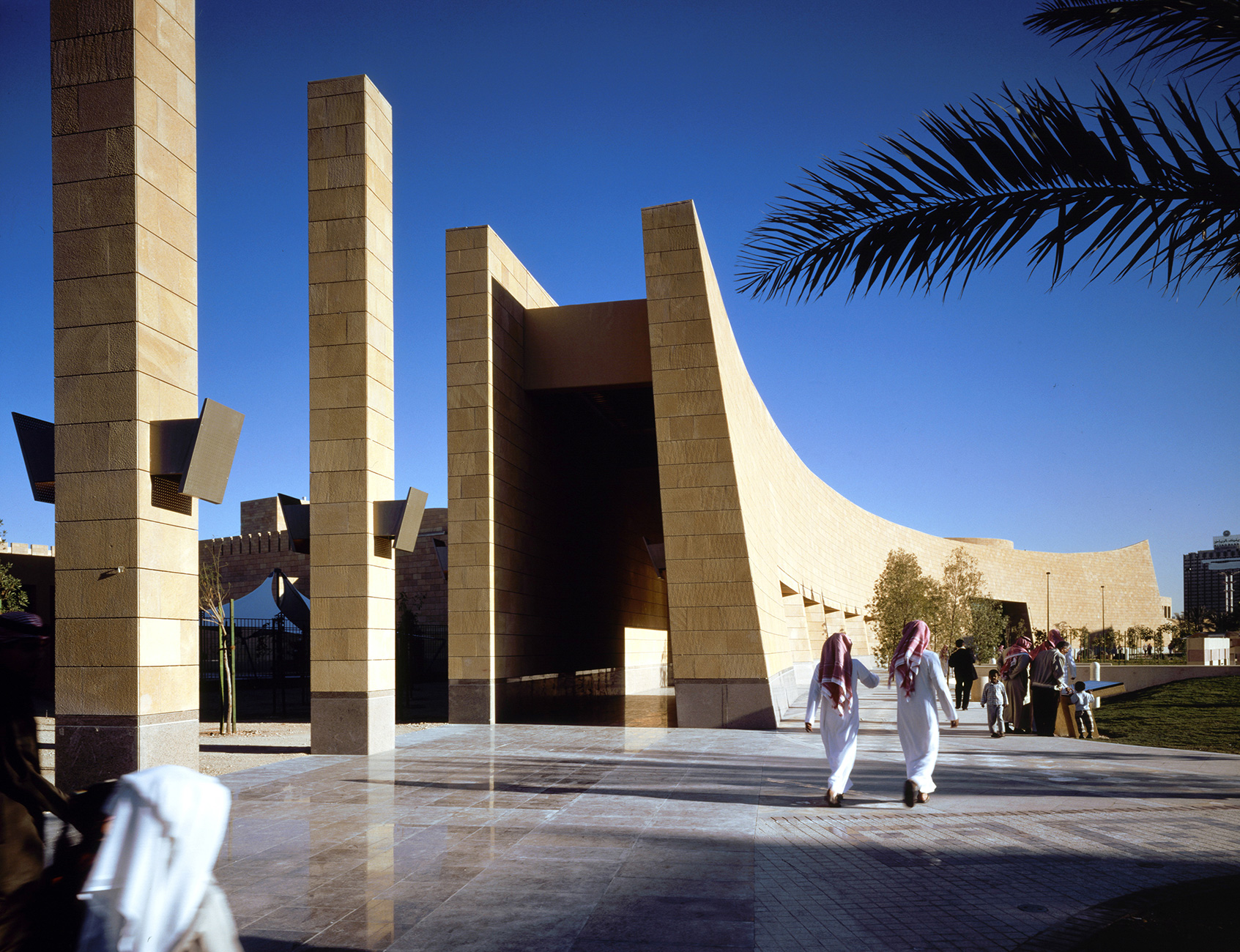
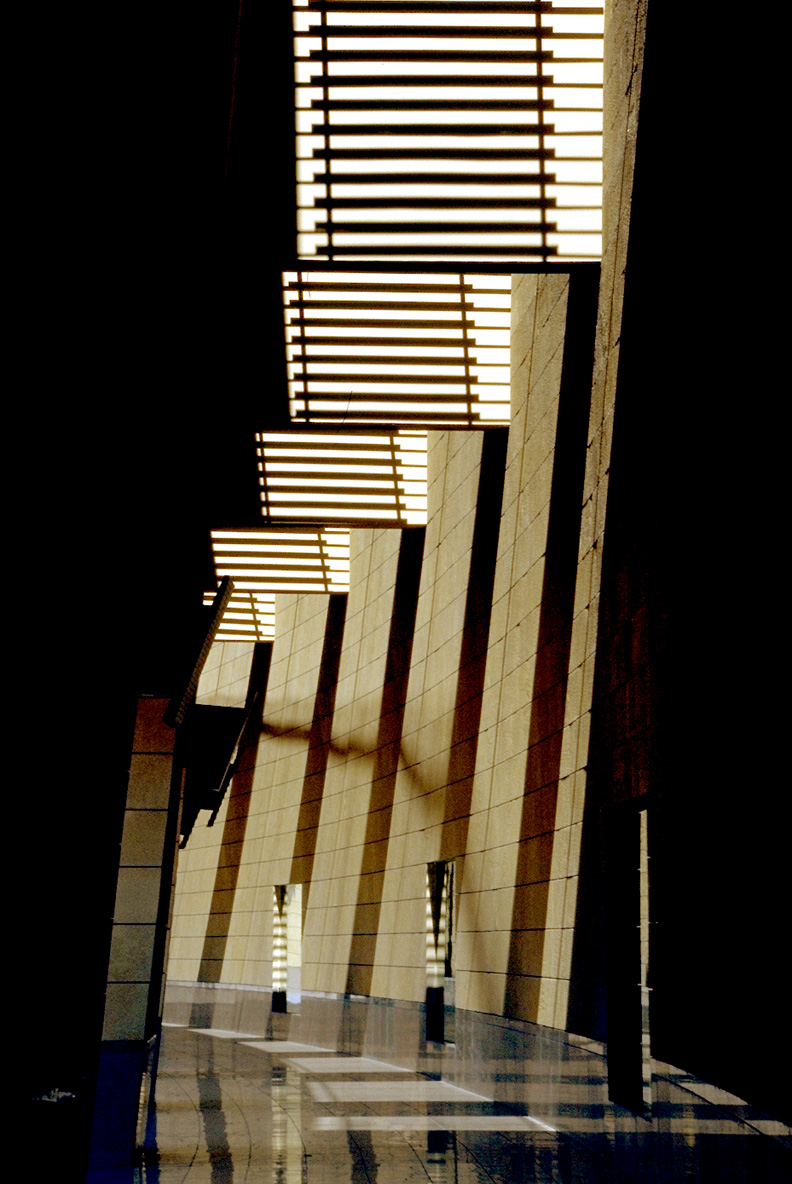
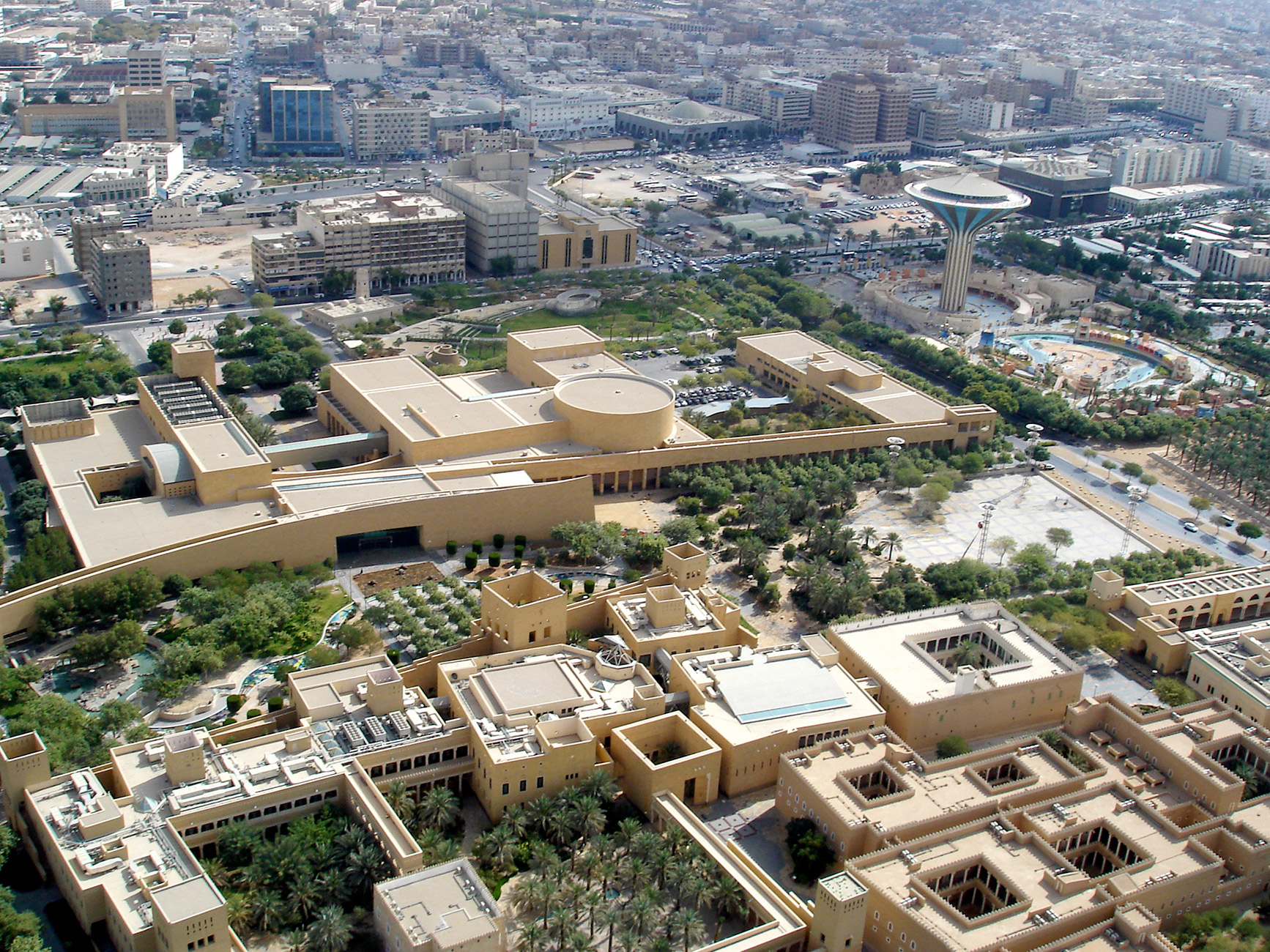
The National Museum of Saudi Arabia was completed to celebrate the centenary of Saudi unification. The primary custodian of the Saudi national heritage and culture, the Museum is a place of learning and discovery, designed to sing out with quiet excitement and inspiration, to kindle pride in the Arab heritage and reverence for Islam.
1995
Bata Shoe Museum

No items found.
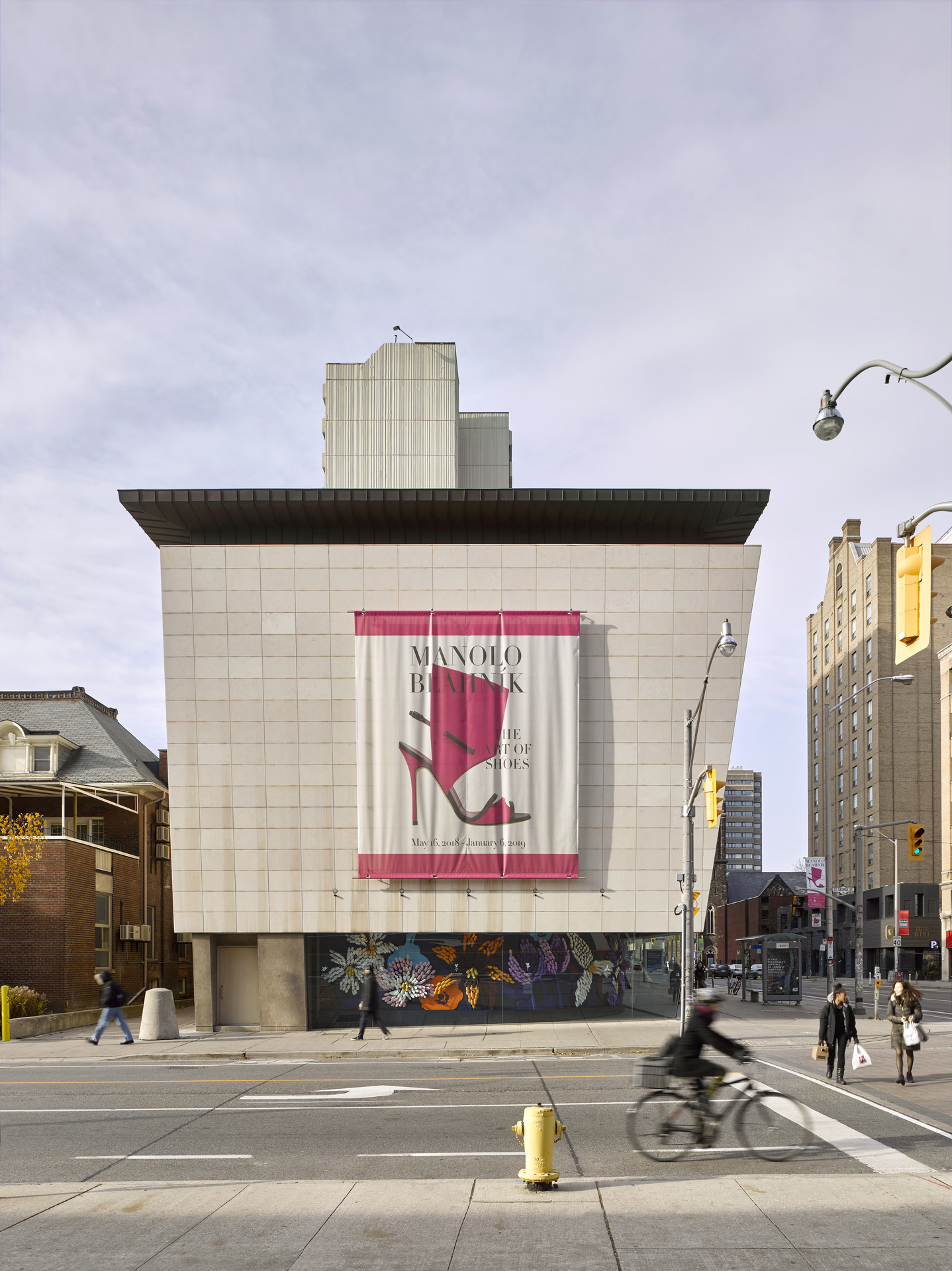
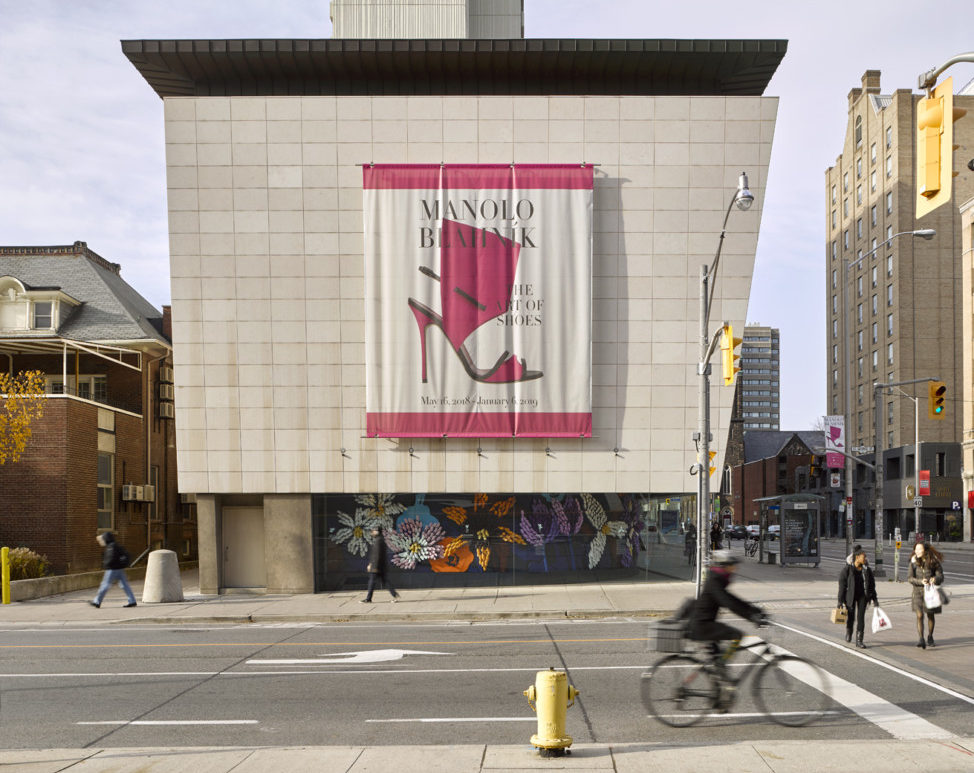
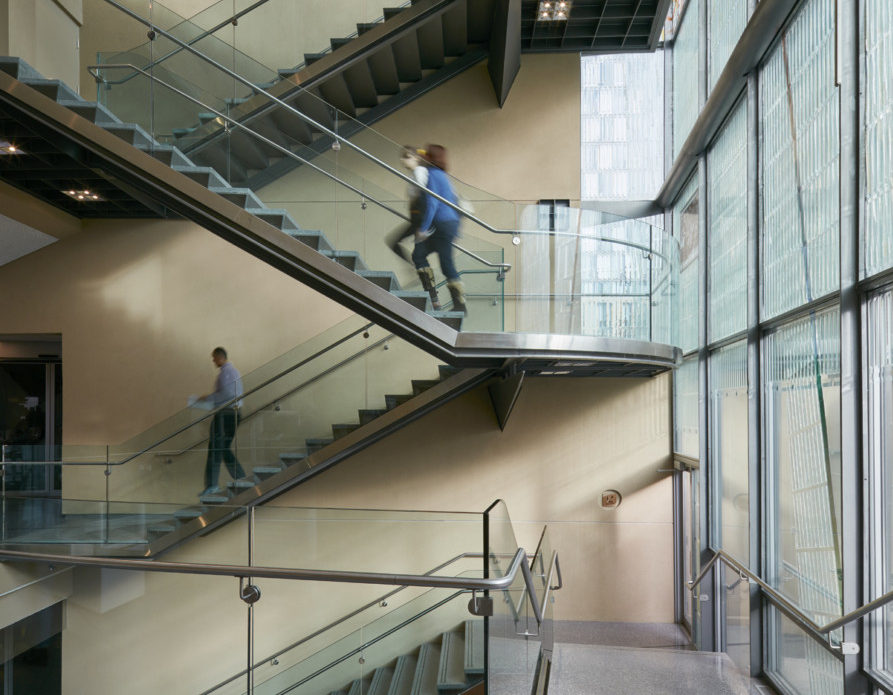
The Bata Shoe Museum houses one of the world's most impressive collections of footwear, storing over 10,000 items spanning 4,500 years of history. The building is designed to pique interest at street-level and draw people inside -- a two-storey transparent glass wedge breaks the limestone wall in two and spills out onto the sidewalk in a welcoming gesture that cannot be missed.
1991
Canadian Embassy in Tokyo
No items found.
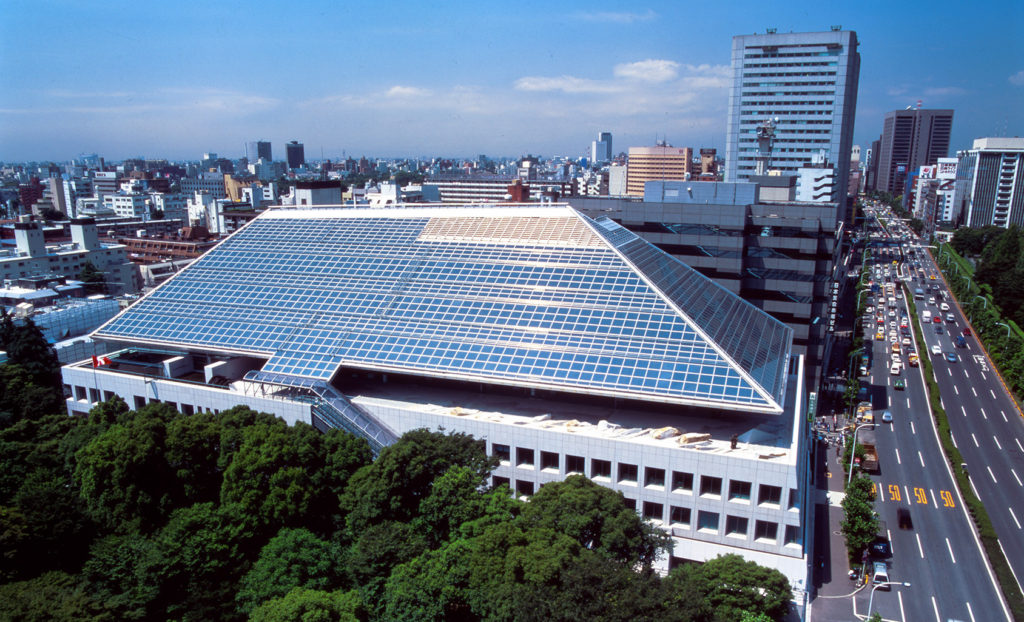
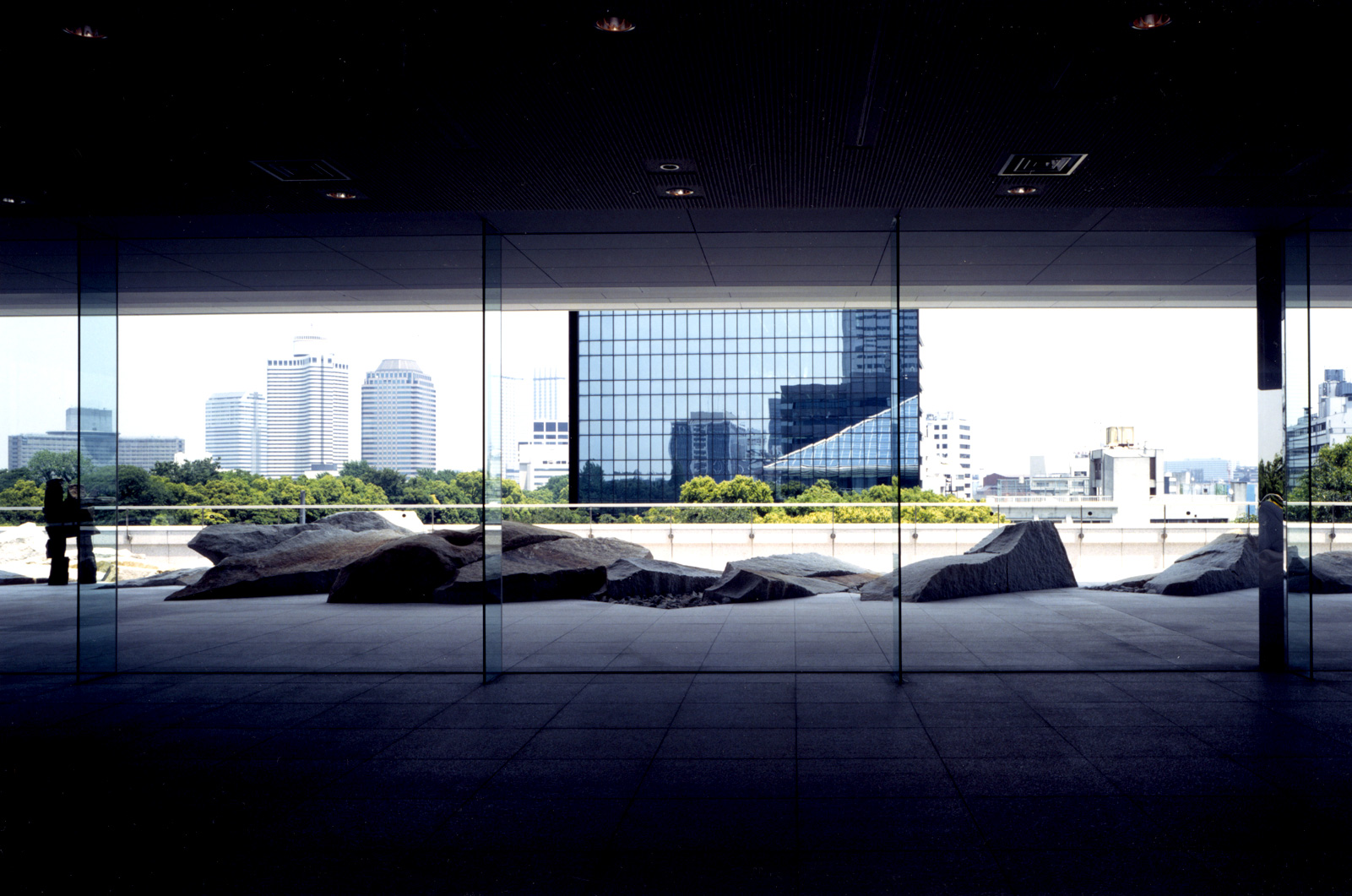
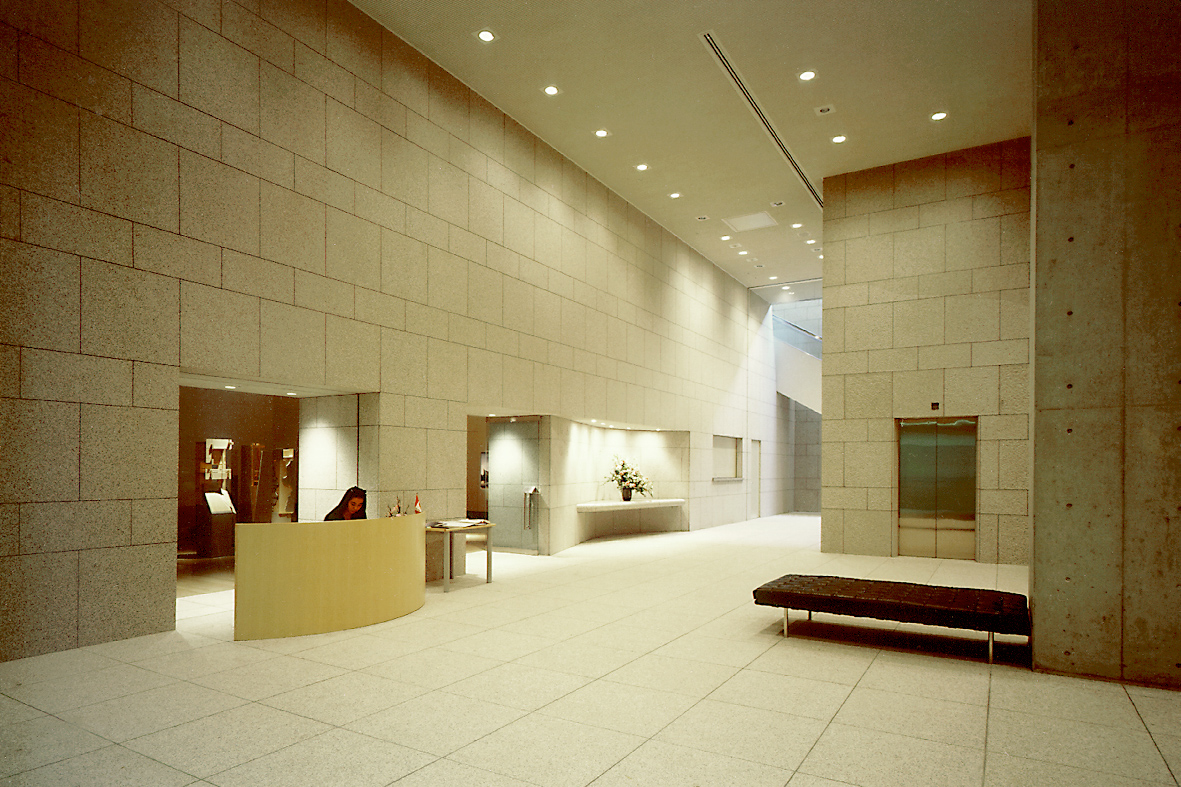
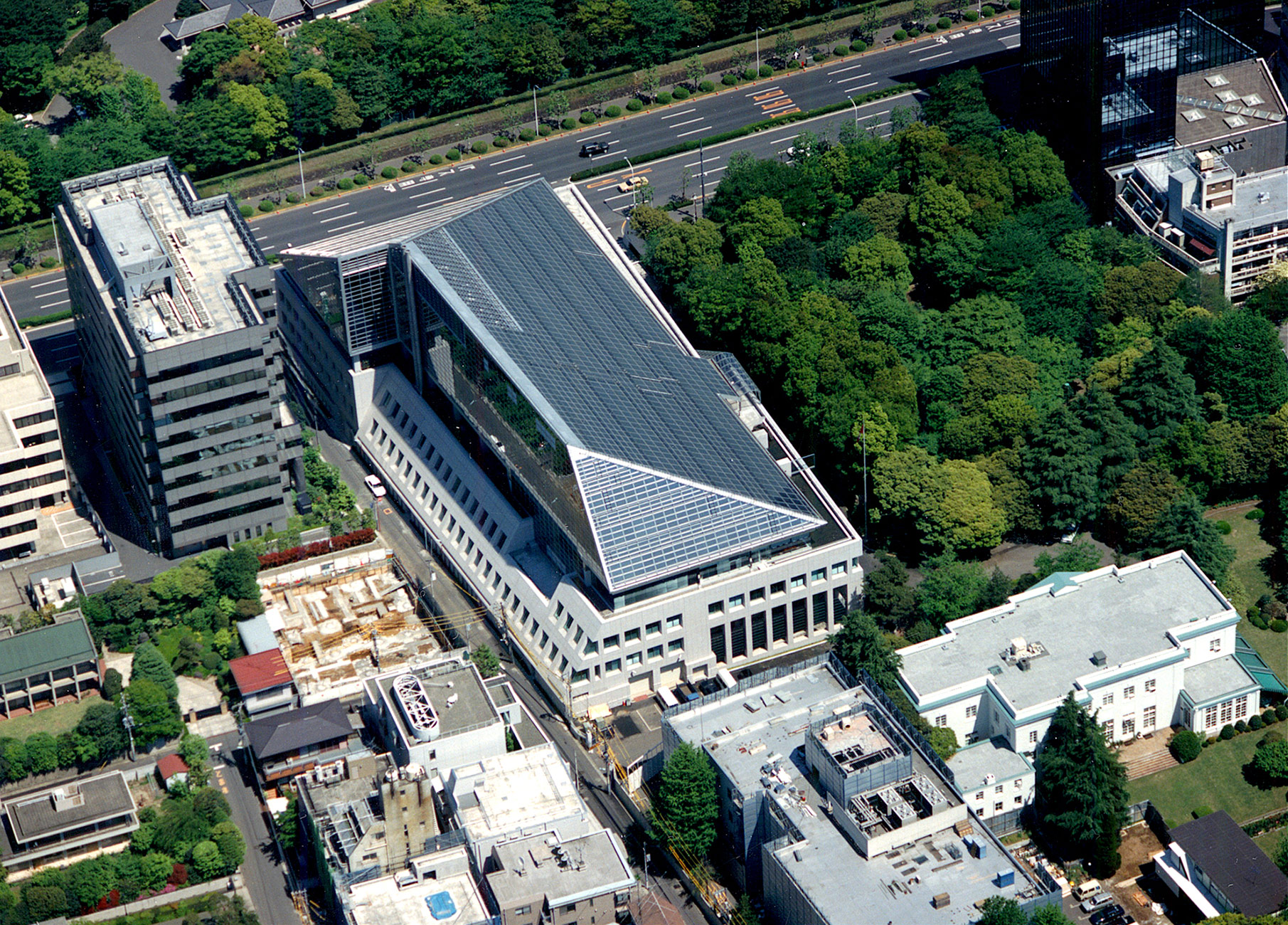
Moriyama Teshima Architects and Shimizu Corporation designed the Canadian Embassy in Tokyo as a symbol of Canada; of the country's spaciousness and diversity, in a way that would be meaningful to the people of Japan. Despite stringent security requirements, the architectural expression of the embassy conveys a feeling of accessibility and openness, with the symbolic heart of the building being the main entrance on the fourth floor.
1984
Science North

No items found.
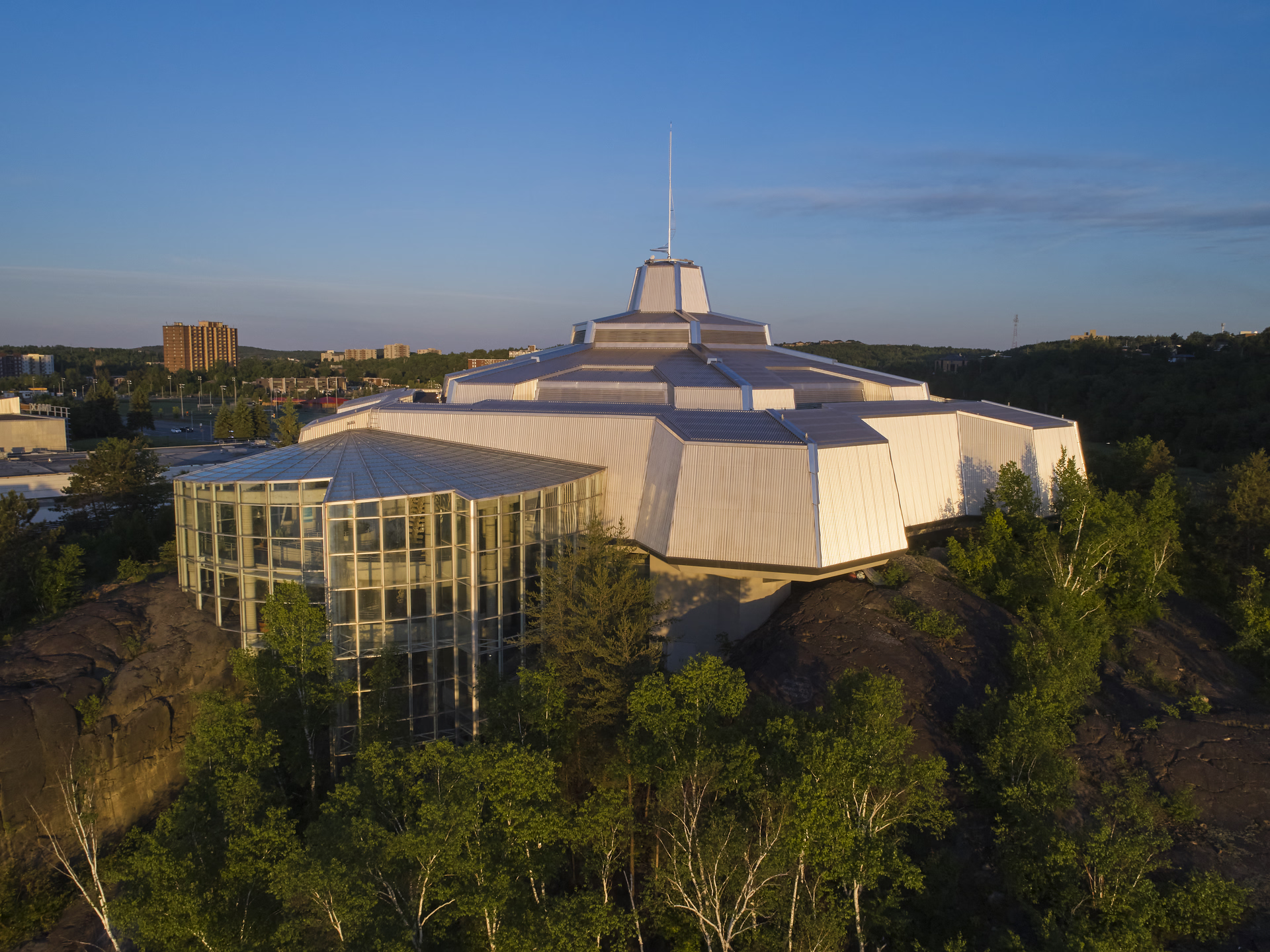
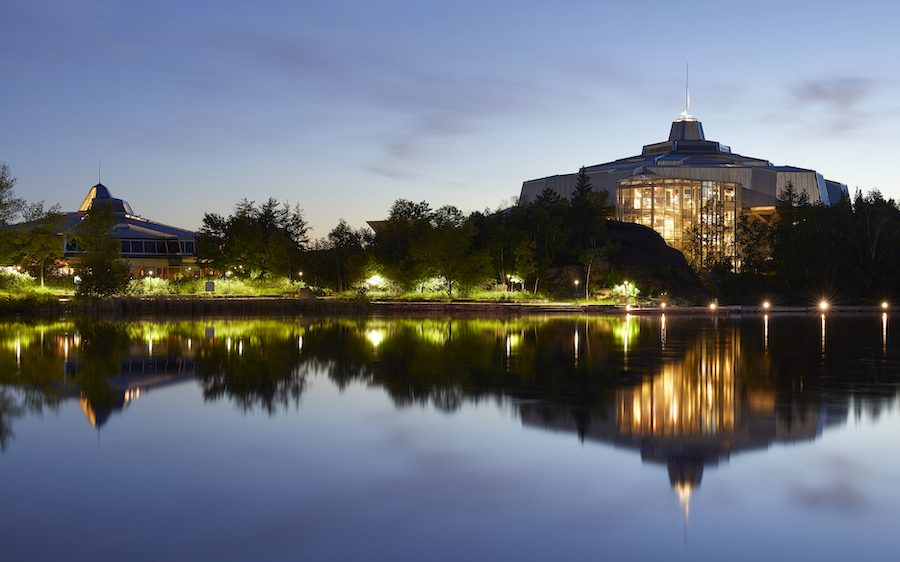
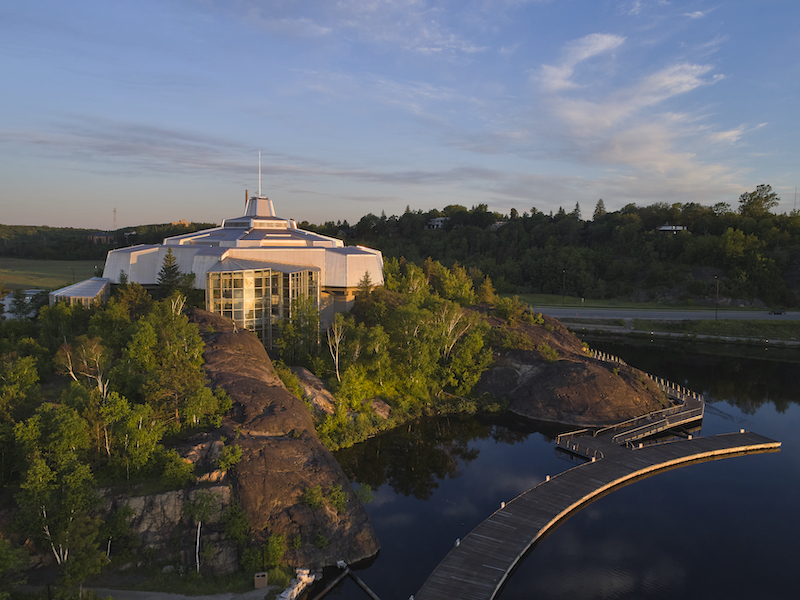
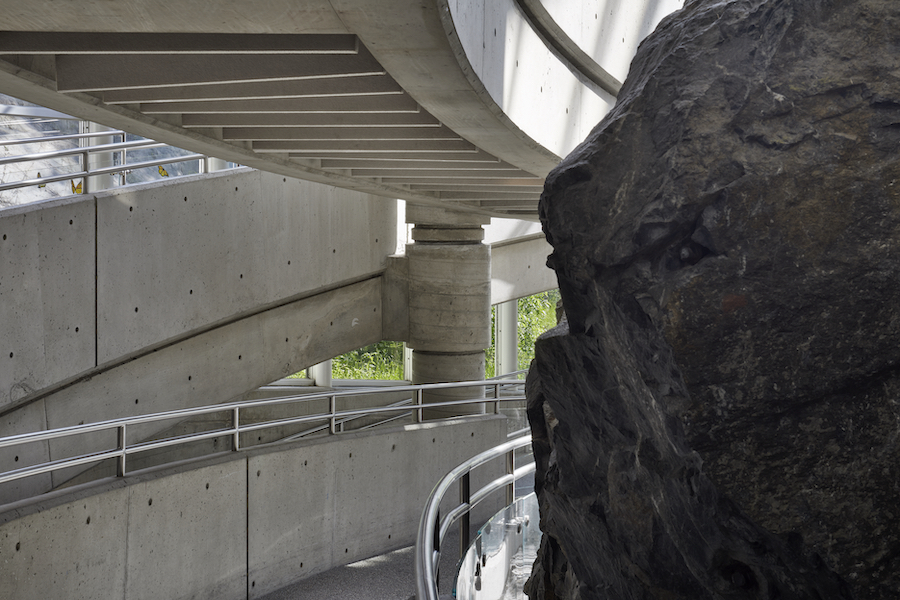
Sudbury's Science North provides an exciting overview of the world of science through the main exhibit building, theatre, and underground tunnel carved through rock. The facility is sited in a fifteen-acre park with a wharf, beach, and outdoor pavilions and the design promulgates the beauty and richness of Northern Ontario's geology, incorporating the natural forms of the two-billion-year-old Sudbury basin into the architecture.
1982


1977
Toronto Reference Library
No items found.
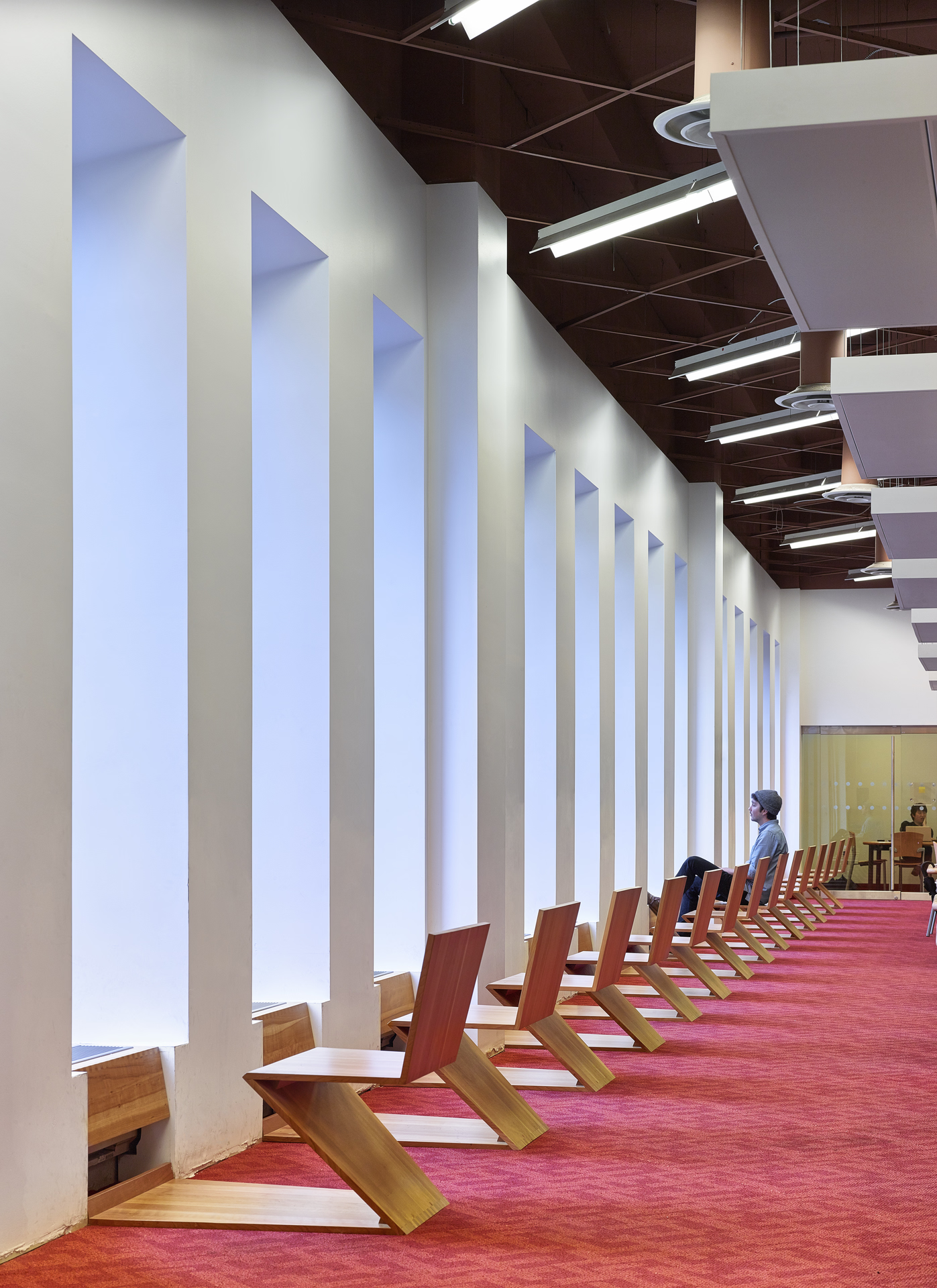
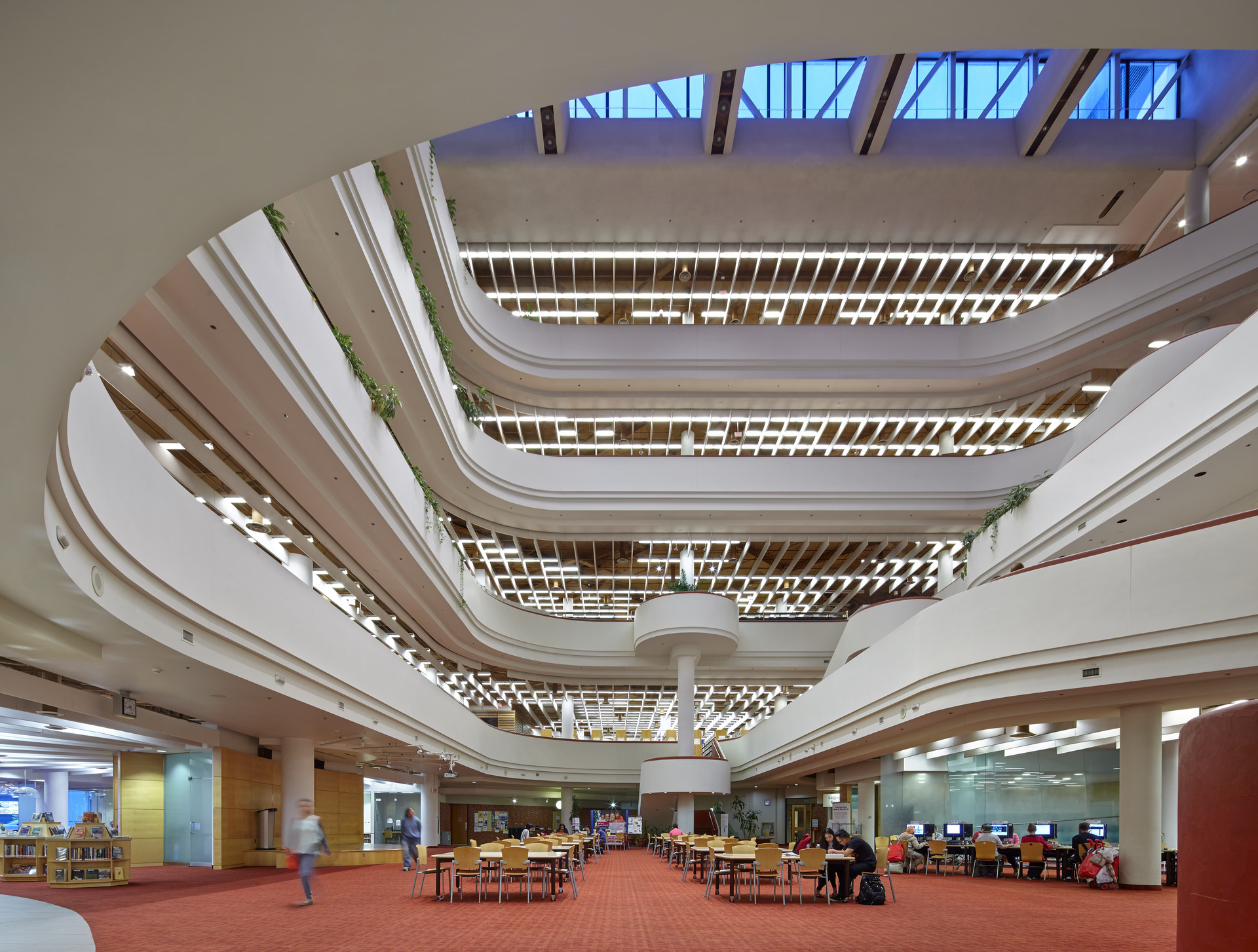
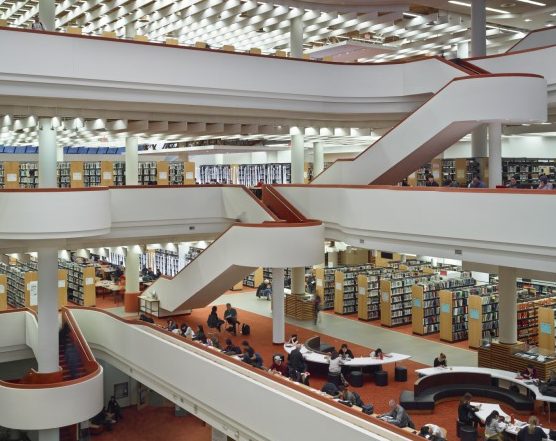
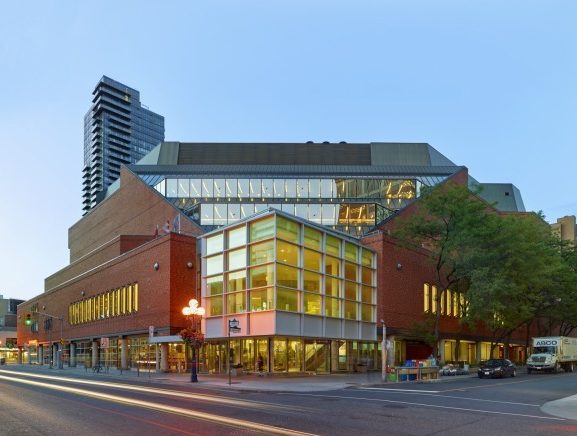
One of Moriyama Teshima Architects', the Toronto Reference Library (TRL) has continued to serve a broad-based multi-cultural community for over half a century. Discovery and self-directed learning were the key elements in the design of the TRL, centred on a vast tiered atrium that is bright, airy, and inviting, with a large glass skylight above. A calm and serene space to study within, various features including a small waterfall, ponds, and fountains, were incorporated to serve as a natural security barrier and dampen street noise.
1969
Ontario Science Centre
No items found.
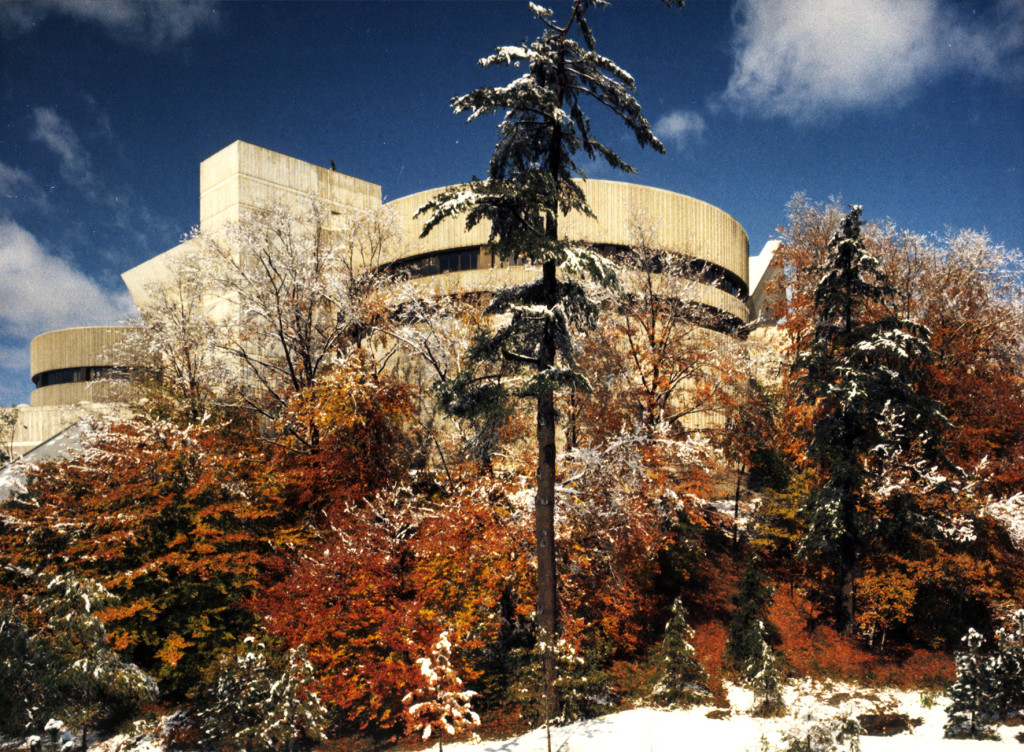
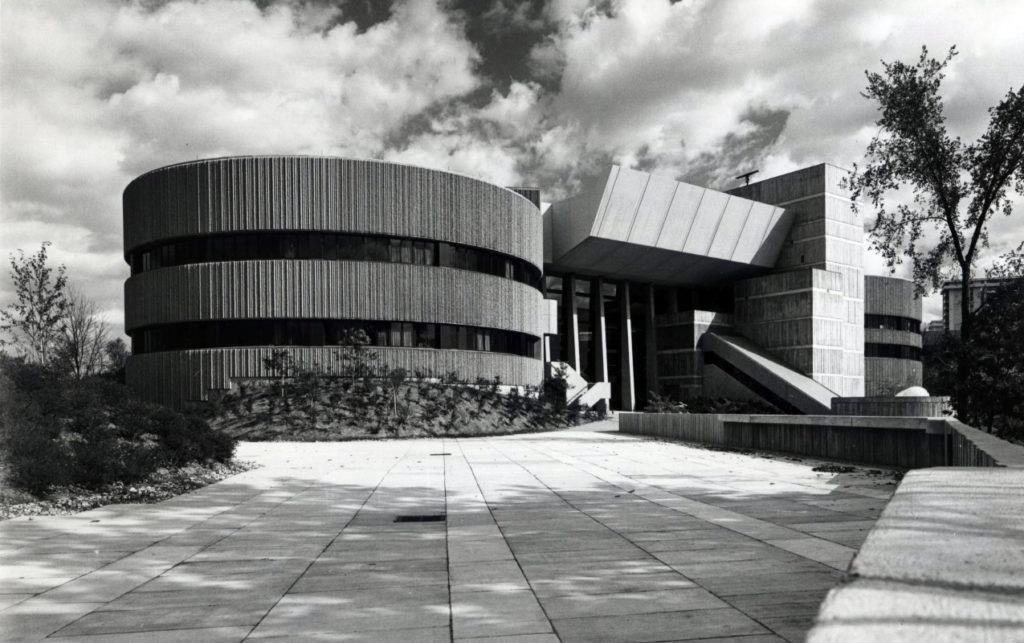
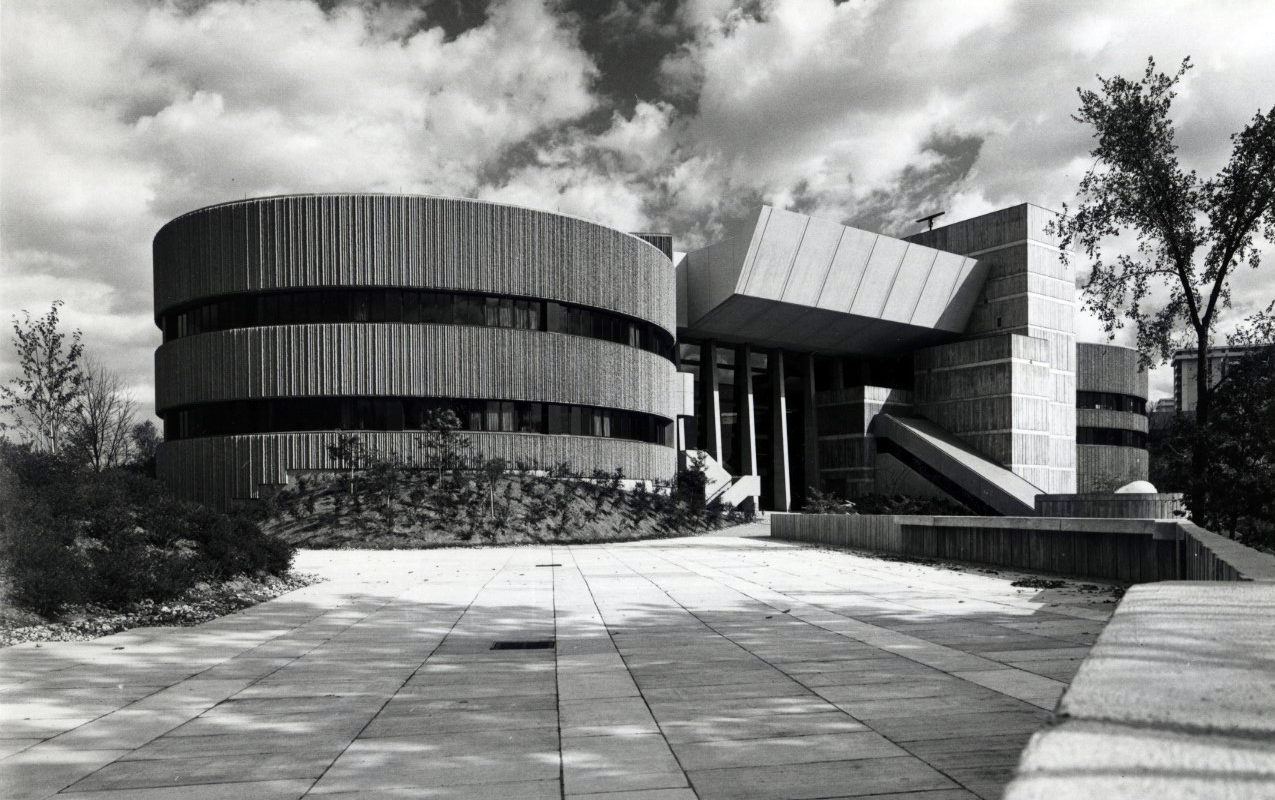
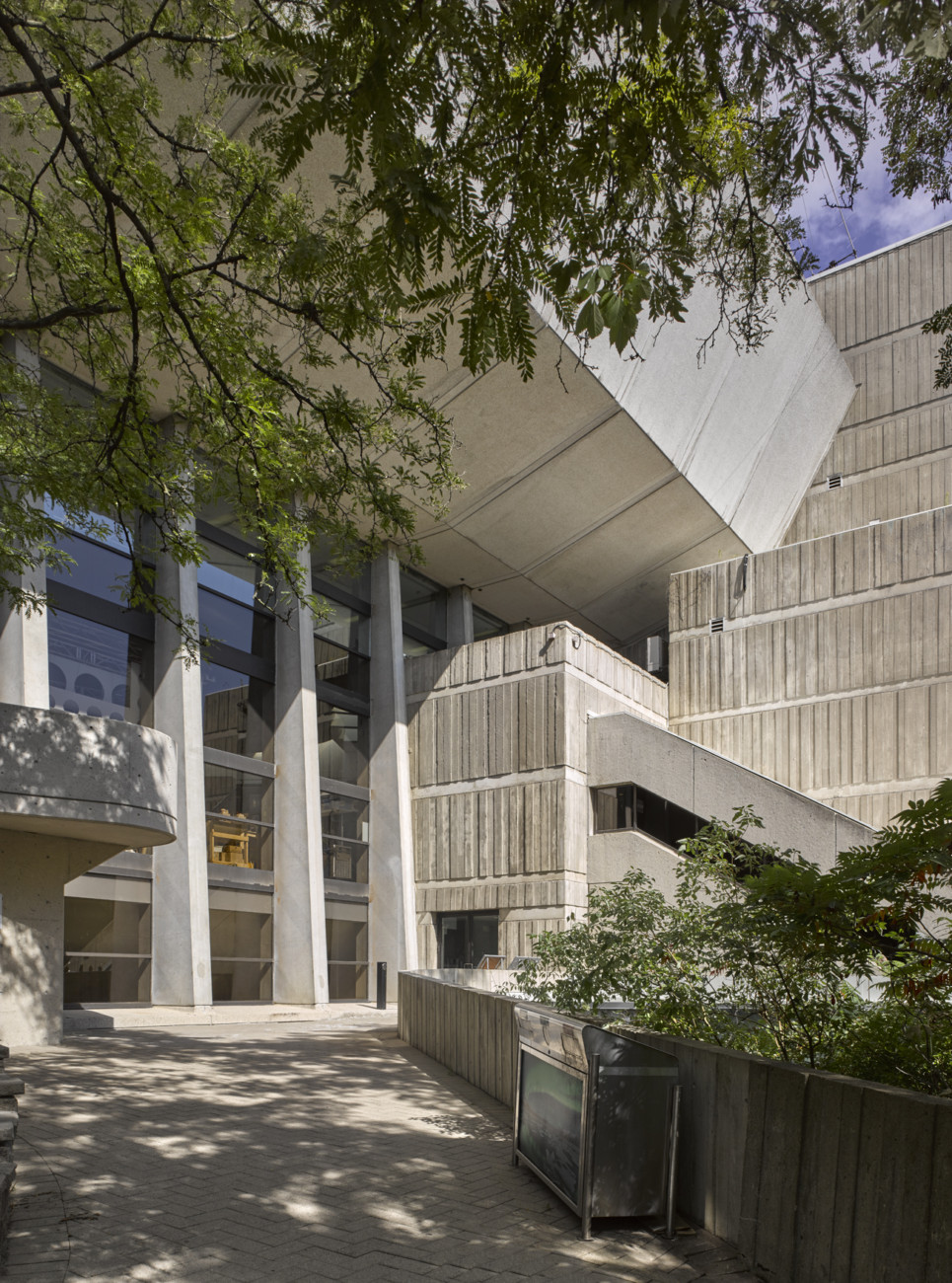
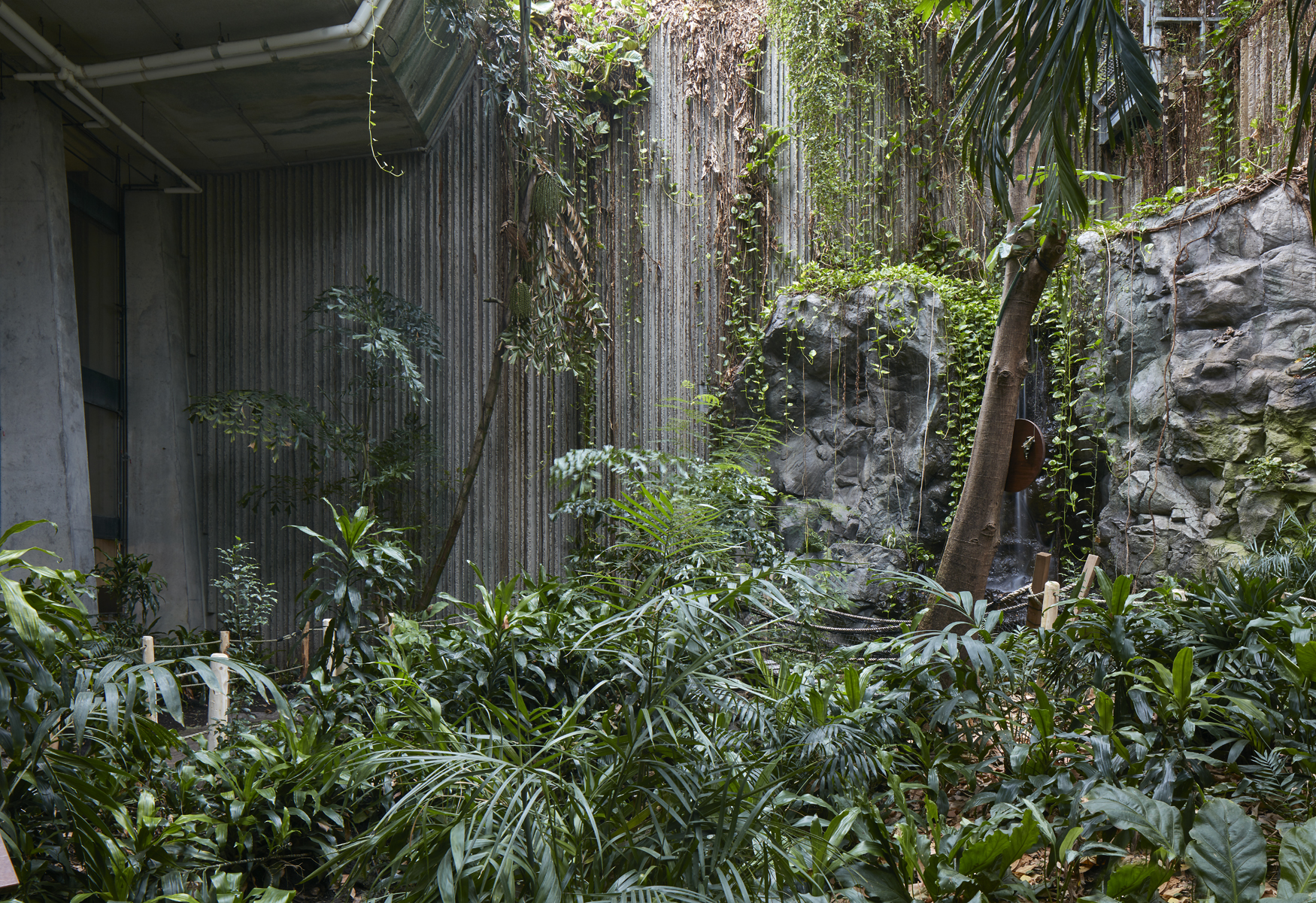
In 1964, MTA received the commission to design the Ontario Science Centre (OSC), developed in celebration of the 100th anniversary of Canadian Confederation which occurred on July 1st, 1867. To maximize visitor engagement in the process of learning, the design of the museum sought to convey the excitement felt by scientists as they break through to new discovery.
1958
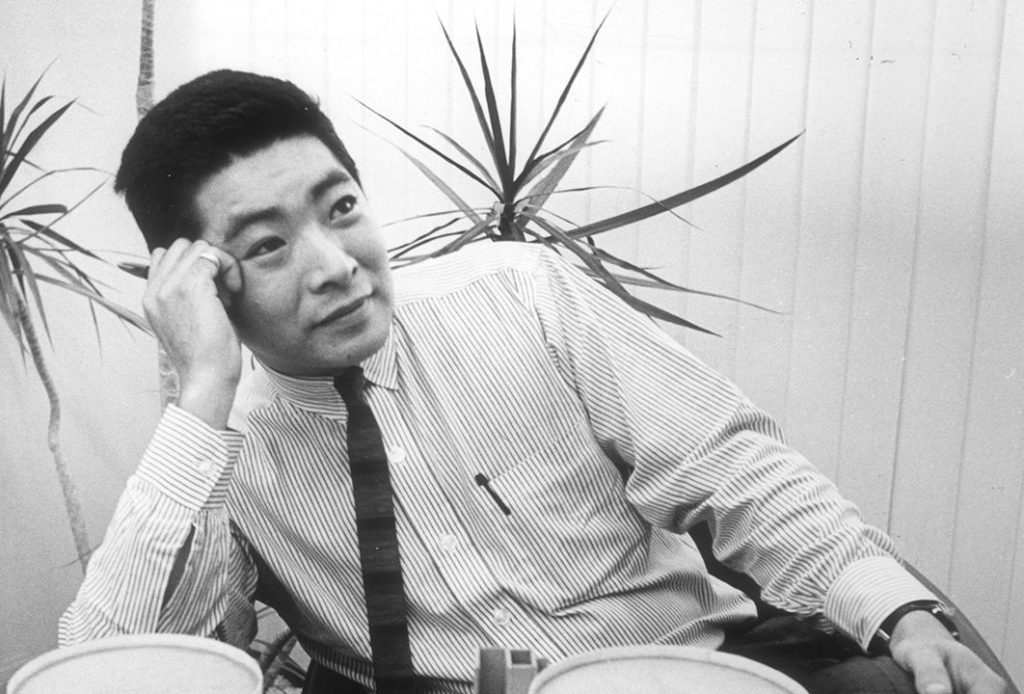
Raymond Moriyama Sets Up Practice
No items found.
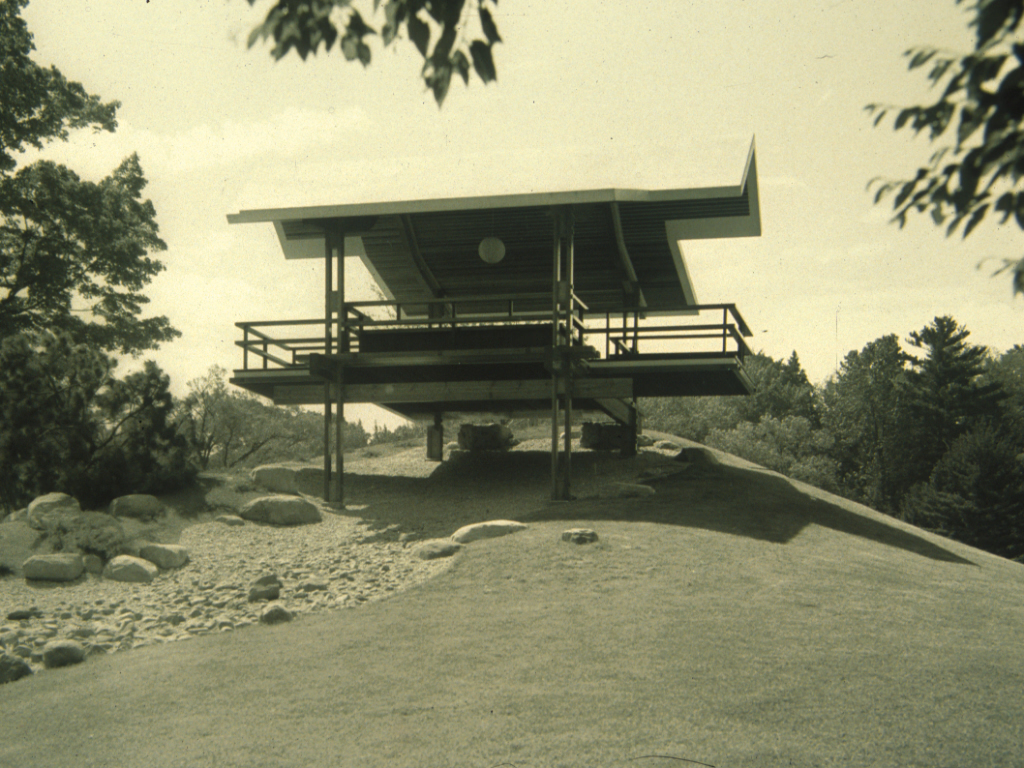
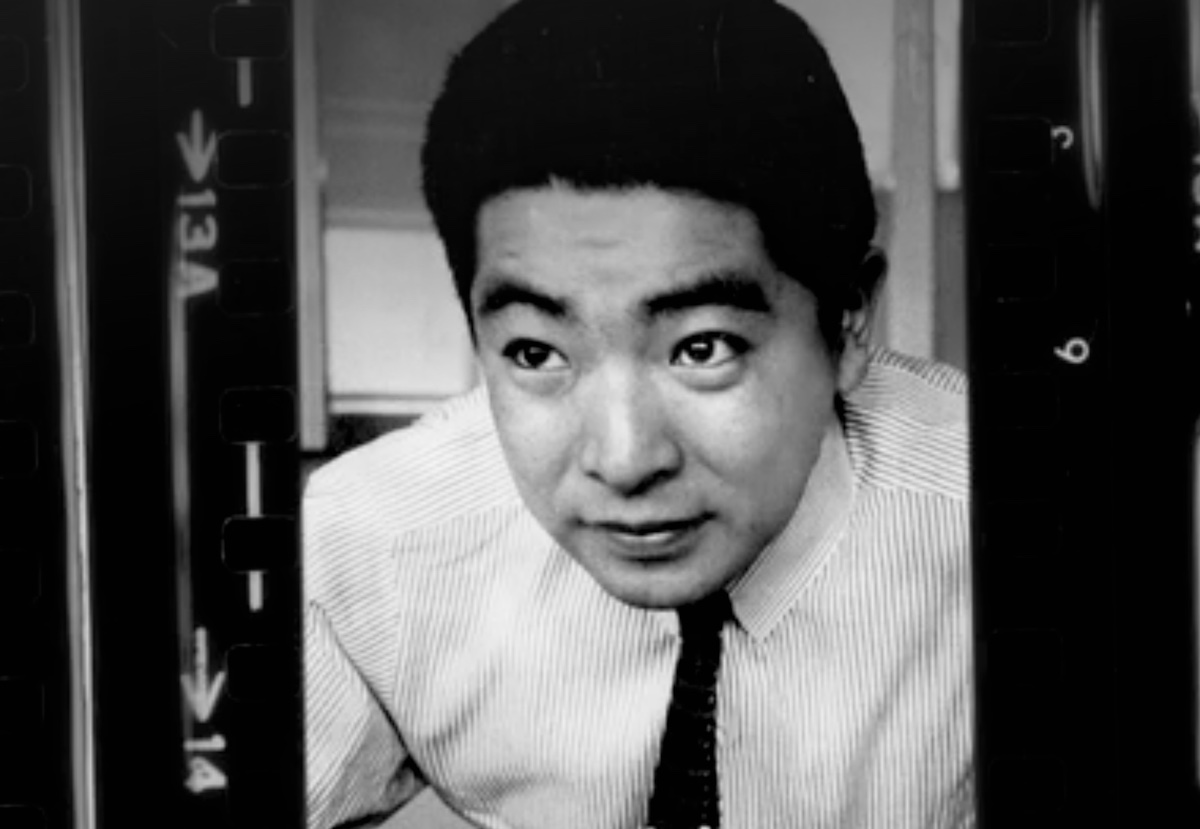
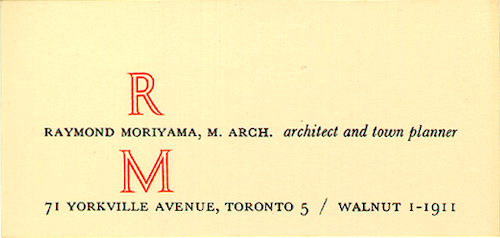
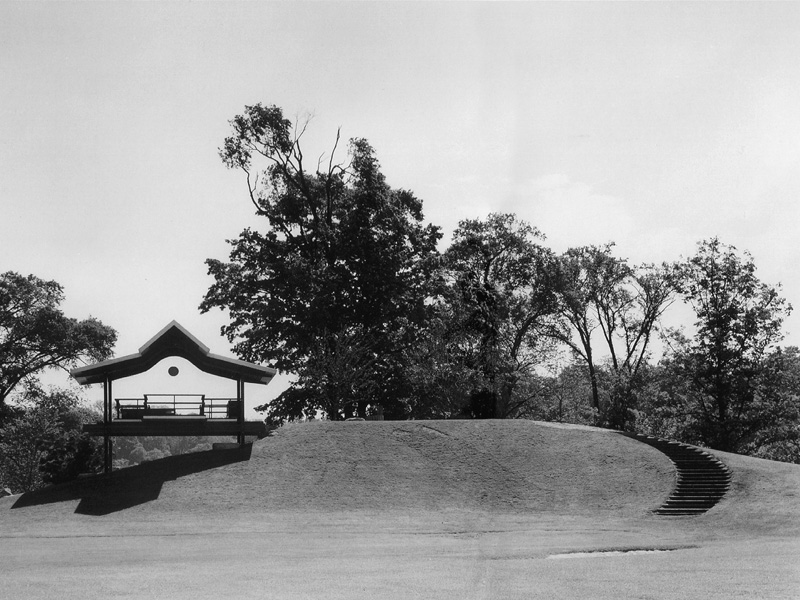
With $392.00 in his bank account, Raymond Moriyama set up practice as a sole practitioner on the second floor of a semi-detached house in Toronto's Yorkville neighbourhood. Raymond's first project was a custom-built cottage to be constructed in Algonquin Provincial Park.
